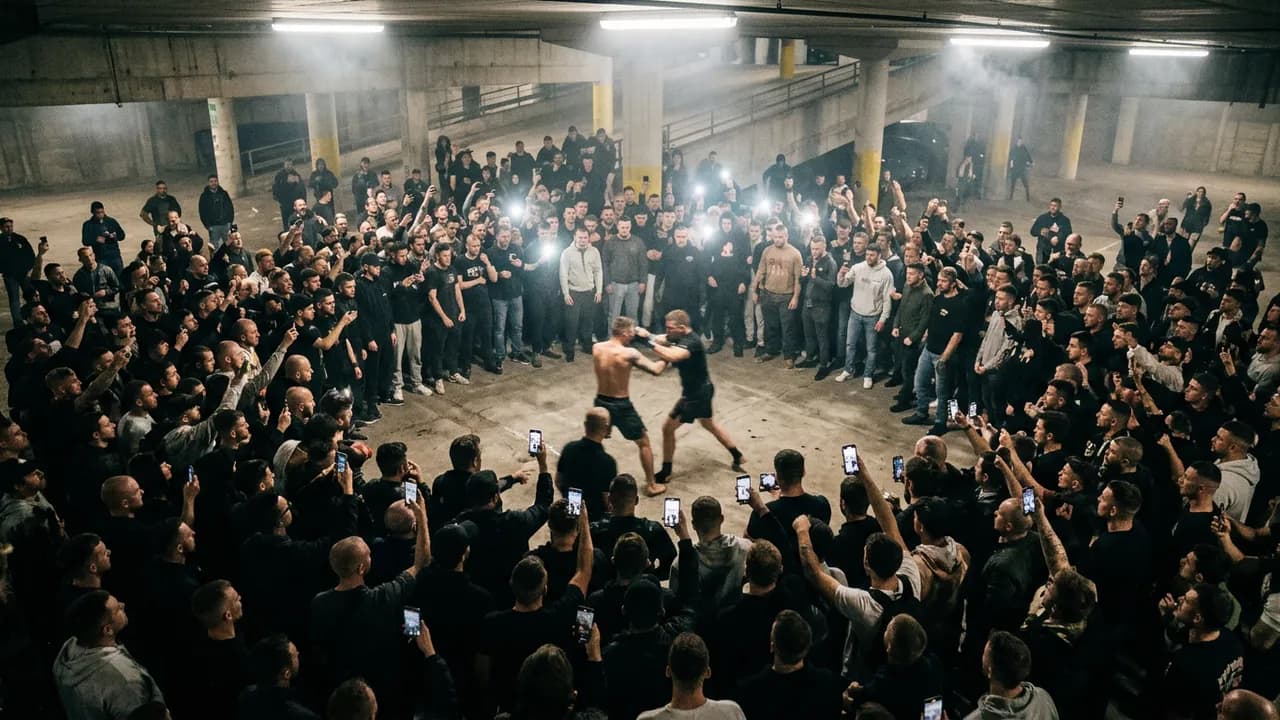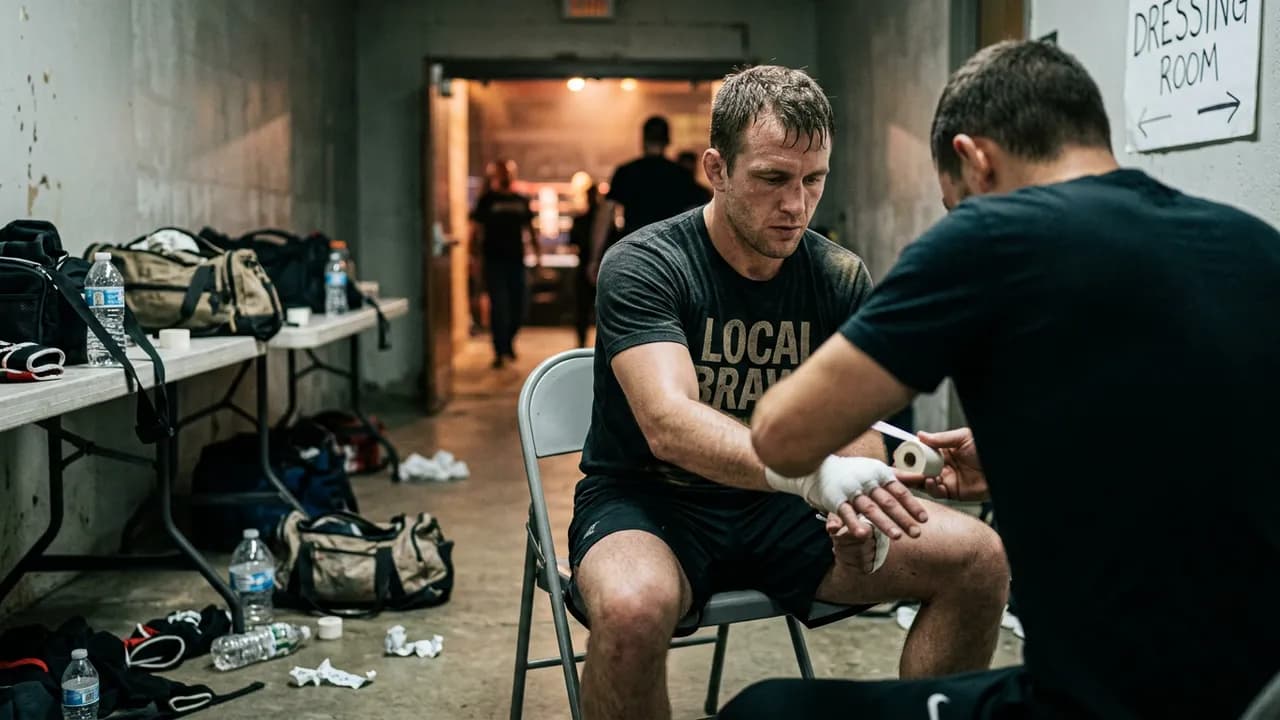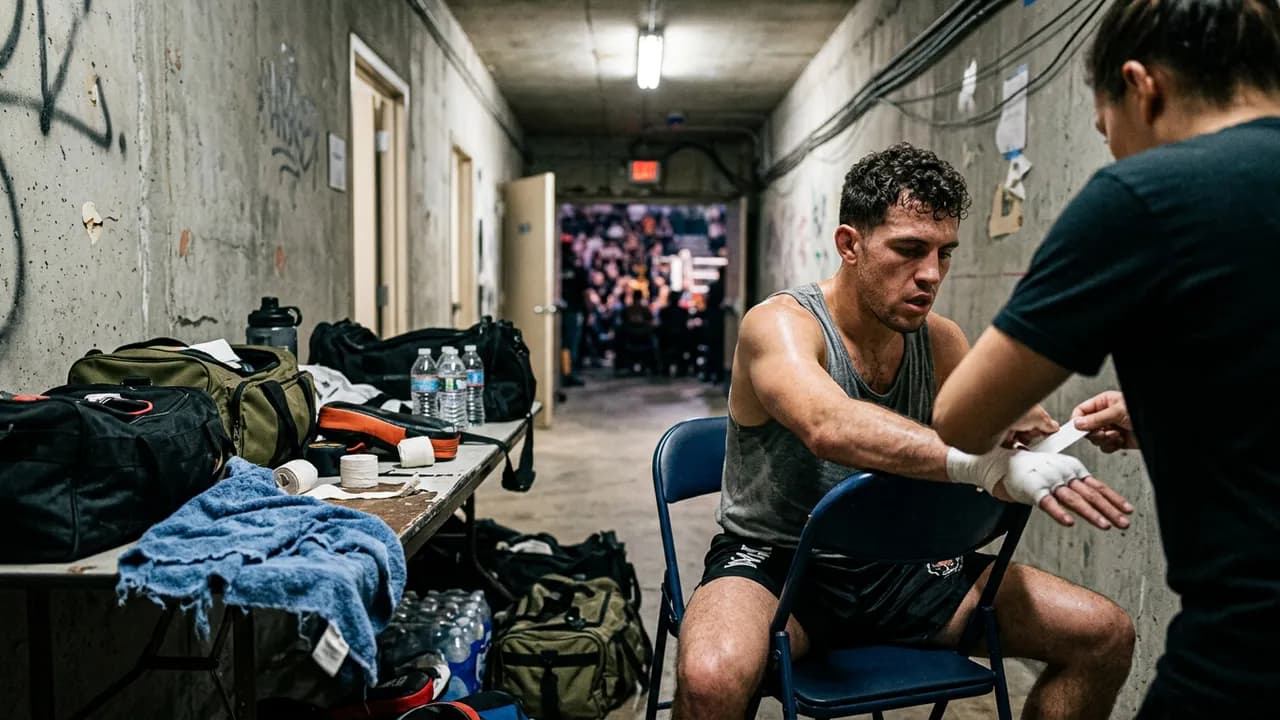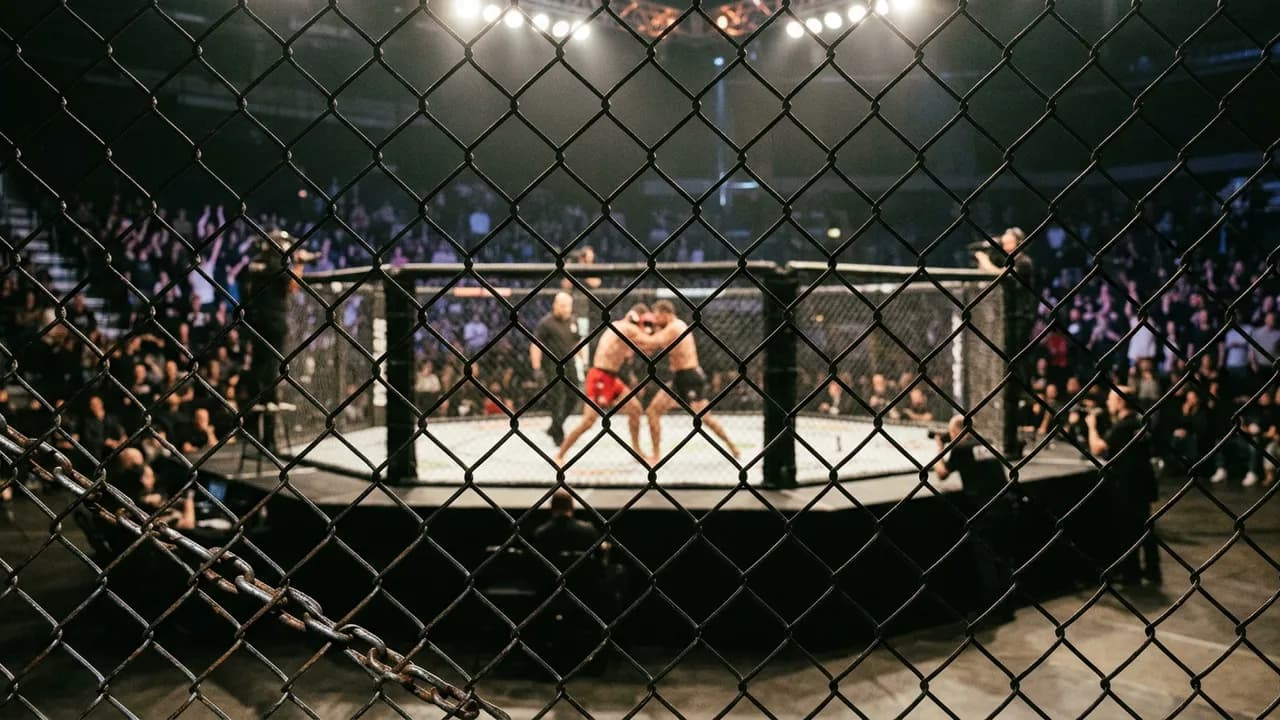
Underground fighting is one of the fastest-growing subcultures in combat sports. From parking lots in Moscow to backyards in Virginia to secret concrete arenas across Europe, millions of people watch unsanctioned fights every month on YouTube, Telegram, and pay-per-view platforms. Yet despite its massive audience, the underground fighting world remains misunderstood, poorly documented, and shrouded in mystery.
This guide changes that. Whether you are a curious newcomer, a dedicated fan, or someone thinking about stepping into the ring (or onto the concrete), this is the most comprehensive resource on underground fighting you will find anywhere.
What Is Underground Fighting?
Underground fighting is a broad term for organized combat that takes place outside the official sanctioning bodies that govern professional boxing, MMA, and kickboxing. The fights are not regulated by state athletic commissions or national sports federations. They exist in a gray area between organized sport and street violence.
What separates underground fighting from a random street brawl is structure. Underground fights are organized by promoters or fight clubs, often feature willing participants who have agreed to compete, and follow some form of format, even if that format is "no rules." Many underground organizations have referees, film their events, pay their fighters, and operate what amounts to a parallel combat sports industry.
The term covers a wide spectrum:
- No-rules fight clubs like King of the Streets (KOTS) where biting, headbutts, and ground stomps are permitted on concrete surfaces
- Backyard fight clubs like Streetbeefs that use gloves, referees, and modified boxing or MMA rules
- Bare knuckle promotions like Top Dog FC that operate in a regulatory gray area
- Amateur fight nights like Rough N' Rowdy that skirt between sanctioned and unsanctioned
- Historical combat sports like Calcio Storico that predate modern regulation entirely
The common thread is that none of these operate under the oversight of bodies like the Nevada State Athletic Commission, the British Boxing Board of Control, or equivalent regulators in their home countries.
The History of Underground Fighting
Underground fighting is as old as fighting itself. But the modern underground fight scene, the one built on viral video, YouTube channels, and social media followings, has a specific and traceable history.
Pre-Internet Era (Before 2003)
Unsanctioned fighting has existed for centuries. Bare knuckle prizefighting was the dominant form of boxing from the 1700s through the late 1800s, operating largely outside the law. In the 20th century, underground fight scenes existed in cities worldwide, from New York's underground combat leagues to Tokyo's yakuza-backed fighting events. But without the internet, these scenes remained truly underground and local.
In Brazil, Vale Tudo ("anything goes") fights had been taking place since the 1920s, pitting fighters of different martial arts against each other with minimal rules. These events were the direct ancestors of modern MMA, and they operated for decades without formal regulation.
The Kimbo Slice Era (2003-2008)
The modern underground fighting movement begins with one man: Kevin "Kimbo Slice" Ferguson. In 2003, a bareknuckle fight filmed in a Miami backyard was uploaded to the early internet, and Kimbo Slice became one of the first viral video stars in history. His backyard fights racked up millions of views at a time when getting a million views online was nearly unheard of. Rolling Stone called him "The King of the Web Brawlers."
Kimbo proved that there was a massive audience for raw, unpolished fighting. His success inspired a generation of backyard fighters and fight promoters. Dhafir "Dada 5000" Harris, who came up in the same Miami scene, began organizing his own backyard fights, which were later documented in the 2015 film Dawg Fight.
The YouTube Explosion (2008-2018)
The launch of YouTube in 2005 and its explosive growth created the infrastructure for underground fighting to become a global phenomenon. Streetbeefs was founded in 2008 by Christopher "Scarface" Wilmore in Harrisonburg, Virginia, originally as a way to settle local disputes without gun violence. The concept was simple: if you have a beef with someone, come to the backyard and fight it out with gloves and a referee instead of pulling a weapon.
During this period, fight clubs began appearing across the globe. Strelka emerged in Russia around 2011, organizing massive street fight tournaments in St. Petersburg. European football hooligan culture gave rise to organized fight events in Scandinavia, the UK, and Western Europe.
The Modern Era (2018-Present)
The period from 2018 to the present has seen underground fighting reach an entirely new level of organization, production quality, and audience size. Several developments define this era:
- King of the Streets (KOTS) expanded from Sweden across Europe, bringing no-rules concrete fighting to a huge online audience
- BKFC held its first sanctioned bare knuckle event in the United States in June 2018, beginning the legitimization of bare knuckle fighting
- Top Dog FC grew from parking lot fights in Moscow to arena events with millions of YouTube views
- Streetbeefs surpassed 4 million YouTube subscribers
- Conor McGregor acquired a minority ownership stake in BKFC in 2024, signaling mainstream combat sports' growing interest in the underground
- Gamebred Bareknuckle MMA, founded by former UFC star Jorge Masvidal, launched bareknuckle MMA tournaments with $500,000 prize pools
Types of Underground Fighting
Not all underground fighting is the same. The scene encompasses several distinct formats, each with its own culture, rules (or lack thereof), and audience.
No-Rules Fighting
The most extreme end of the spectrum. No-rules fights typically take place on hard surfaces like concrete, with no gloves, no rounds, and no time limits. Headbutts, elbows, ground strikes, and even biting may be permitted. King of the Streets is the most prominent no-rules organization, operating out of Sweden and across Europe. FPVS is a newer French organization following the same format.
No-rules fights are the most dangerous form of underground fighting and are illegal virtually everywhere they take place.
Backyard Fighting
Backyard fighting uses a more structured format than no-rules events. Fights typically take place in a designated outdoor area, fighters wear gloves, and there is usually a referee. Rules vary by organization but often follow modified boxing or MMA rulesets.
The Scrapyard, based near Gig Harbor, Washington, is another major backyard fight organization approaching one million YouTube subscribers.
Streetbeefs is the largest and most well-known backyard fighting organization, operating primarily in Virginia with a West Coast branch in Las Vegas. The Scrapyard, based near Gig Harbor, Washington, is another major backyard fight organization approaching one million YouTube subscribers. Backyard Squabbles operates out of Los Angeles with a "Guns Down, Squabble Up" philosophy.
Bare Knuckle Fighting
Bare knuckle fighting removes the gloves but often adds other structure: rounds, referees, weight classes, and defined rules about legal strikes. This category ranges from fully sanctioned promotions like BKFC to unsanctioned events like Top Dog FC in Russia and Mahatch FC in Ukraine.
Bare knuckle fighting is covered in depth in our Ultimate Guide to Bare Knuckle Fighting.
Amateur and Semi-Pro Events
Some organizations occupy the space between fully underground and fully sanctioned. Rough N' Rowdy, backed by Barstool Sports, puts on amateur boxing events with entertaining production value. These events often feature untrained fighters and are marketed as entertainment as much as sport.
Historical and Cultural Combat
Certain forms of underground fighting have deep historical roots. Calcio Storico in Florence, Italy, is a 500-year-old sport combining elements of rugby, soccer, and bare knuckle fighting. While technically sanctioned by the city of Florence, it operates completely outside modern combat sports regulation and involves a level of violence that would never be permitted in a regulated sport.
Major Underground Fighting Organizations
The underground fighting world is populated by dozens of organizations across multiple countries. Here is an overview of the most significant ones.
| Organization | Country | Type | Founded | Platform | Notable Feature |
|---|---|---|---|---|---|
| King of the Streets (KOTS) | Sweden | No Rules | 2013 | YouTube | Concrete surface, no gloves |
| Streetbeefs | USA | Backyard MMA/Boxing | 2008 | YouTube | 4.2M+ YouTube subscribers |
| Strelka | Russia | Street Fighting | ~2011 | YouTube | Mass street fight tournaments |
| Top Dog FC | Russia | Bare Knuckle | ~2019 | YouTube/PPV | Hay bale ring, jeans dress code |
| BKFC | USA | Bare Knuckle Boxing | 2018 | PPV | Sanctioned in multiple US states |
| Mahatch FC | Ukraine | Bare Knuckle | ~2020 | YouTube | Sandbag ring, sneakers mandatory |
| BKB/BYB Extreme | USA/UK | Bare Knuckle | 2015 | VICE TV/PPV | Patented triangular Trigon ring |
| Gamebred Bareknuckle MMA | USA | Bareknuckle MMA | 2023 | PPV | Founded by Jorge Masvidal |
| The Scrapyard | USA | Backyard Fighting | 2020 | YouTube | Pacific Northwest, 1.5M IG followers |
| Rough N' Rowdy | USA | Amateur Boxing | ~2017 | PPV | Barstool Sports partnership |
| Calcio Storico | Italy | Historical Combat | ~1530 | Limited broadcast | 500-year-old tradition |
| East Bay Rats | USA | Fight Night | ~1994 | In-person | Oakland biker club tradition |
For detailed profiles on each organization, visit our Organizations Directory.
How Underground Fights Work
The specifics vary wildly depending on the organization, but here is a general overview of how underground fights are typically organized and conducted.
Matchmaking
Most organizations accept fight applications through their websites or social media. Streetbeefs has a formal sign-up page on their website where potential fighters can apply, providing their experience level, weight, and preferred fighting style. KOTS accepts applications as well but is notoriously selective, particularly for its no-rules events.
Some organizations match fighters based on grudges or "beefs," which is the original concept behind Streetbeefs. Others function more like traditional promotions, matching fighters by weight and experience.
Venue
Underground fights take place in a wide variety of settings:
- Backyards and open fields (Streetbeefs, The Scrapyard)
- Parking lots and warehouses (Top Dog FC's early events, various European fight clubs)
- Rented arenas and event spaces (BKFC, Top Dog FC's current events, BKB)
- Secret and undisclosed locations (KOTS, FPVS)
- Historic plazas (Calcio Storico in Florence's Piazza Santa Croce)
The venue choice often reflects the organization's ethos. KOTS insists on concrete surfaces because that is what makes a fight "real" in their philosophy. Top Dog FC's early hay-bale ring in a parking lot created an intimate, underground atmosphere that became part of their brand identity.
Format
Formats range from structured to chaotic:
- Rounds and time limits: BKFC uses 2-minute rounds with 5 rounds per fight. BKB/BYB Extreme uses similar structures.
- Timed fights without rounds: Some organizations set a total fight time but do not break it into rounds.
- No time limit: KOTS fights have no rounds and no time limits, continuing until one fighter cannot continue or submits.
- Tournament format: Strelka and some backyard organizations run single-elimination tournaments in a single session.
Refereeing and Stoppages
Even in underground fighting, most organizations employ some form of officiating. Streetbeefs has referees who can stop fights. BKFC uses licensed referees and ringside physicians. At the extreme end, KOTS fights have minimal intervention, though there are individuals present who can step in if a fight becomes life-threatening.
Fighter Pay
Compensation varies enormously. At Streetbeefs, fighters are not paid; they fight to settle disputes or for the experience. BKFC fighters earn disclosed purses, with top fighters making six figures per fight. KOTS reportedly pays only the winner. Top Dog FC fighters are compensated, though exact figures are not publicly available.
Is Underground Fighting Legal?
The legality of underground fighting is complicated and depends heavily on jurisdiction, the specific nature of the event, and how the term "underground" is defined.
The Short Answer
Most forms of unsanctioned fighting are illegal in most jurisdictions. Organizing, participating in, or even spectating at an unsanctioned fight can result in criminal charges.
United States
In the United States, each state's athletic commission regulates combat sports. Fighting outside that regulatory framework is generally illegal.
- New York: Under the New York State Penal Code, a person cannot consent to being assaulted. Assault is legal only when it takes place with the approval of an authorized combat sports regulator.
- California: It is illegal for any person to participate in, engage in, instigate, or encourage an unregulated fight, sparring, or boxing exhibition. Violation is a criminal misdemeanor punishable by up to a year in county jail and up to $1,000 in fines.
- Texas and Washington: Often called mutual combat states, but no state has a true mutual combat law. In Texas, Penal Code 22.06 makes consent a defense to assault charges only if the conduct did not threaten or inflict serious bodily injury. Washington has no state statute at all; its reputation comes from a Seattle city ordinance that does not stop a state assault charge.
However, even in Texas and Washington, organized fight events without athletic commission sanctioning occupy a legal gray area at best.
Europe
European laws vary by country. In Sweden, where KOTS is based, the organization operates illegally and uses undisclosed locations to avoid law enforcement. In the UK, bare knuckle boxing has been sanctioned in certain contexts, but many underground events remain unsanctioned. Russia has been more permissive, with organizations like Top Dog FC operating relatively openly.
The Sanctioned Exception
Some organizations that originated as underground have moved toward legitimacy. BKFC is now sanctioned by athletic commissions in multiple US states. This transition from underground to sanctioned represents a path that several organizations are following or considering.
How to Watch Underground Fights
The explosion of underground fighting's popularity is directly tied to the platforms that distribute it.
YouTube (Free)
YouTube is the primary platform for most underground fighting content. Key channels include:
- Streetbeefs: youtube.com/@streetbeefs_ -- 4.2 million+ subscribers, over 1.3 billion views
- Top Dog FC: youtube.com/@TopDogFighting -- 6 million+ subscribers
- Strelka: youtube.com/@Tronmma -- 1 million+ subscribers
- KOTS: youtube.com/@KINGOFTHESTREETS -- 1 million+ subscribers
- The Scrapyard: youtube.com/@TheScrapyard -- 1 million+ subscribers
- BKFC: youtube.com/@BABORKNUCKLEFC -- Highlights and prelims
- Gamebred BK MMA: youtube.com/@GamebredBareknuckleMMA -- Event highlights
- Backyard Squabbles: youtube.com/@BackyardSquabbles -- 500K+ subscribers
- Mahatch FC: youtube.com/@MahatchFC -- 500K+ subscribers
Most organizations post full fights for free on YouTube, though some reserve certain content for paying subscribers or members.
Essential Fight Videos for Newcomers
If you want to understand the underground fighting world through a handful of videos, start here:
- Kimbo Slice vs Big D -- The original viral backyard fight that started it all
- Streetbeefs Top Knockouts -- The best finishes from the world's biggest backyard fight channel
- Top Dog FC Best Knockouts -- Bare knuckle power in Russia's hay-bale ring
- KOTS: Simon vs Ronin -- Elite no-rules fighting on concrete
- Strelka Petrantsov -- Russian street fighting at its most technical
- BKB at the O2 Arena -- Bare knuckle boxing on the biggest stage
Pay-Per-View and Streaming
Professional and semi-professional organizations increasingly use PPV models:
- BKFC streams events on its own platform and through DAZN
- BKB/BYB Extreme recently signed a multi-year broadcast deal with VICE TV, with 13 live events televised in prime time starting in 2025
- Gamebred Bareknuckle MMA streams on various PPV platforms
- Rough N' Rowdy streams through Barstool Sports
Telegram and Social Media
Some organizations, particularly those operating illegally, distribute content through Telegram channels, Instagram, and other social media platforms. KOTS has used multiple platforms to distribute its content, sometimes having channels removed for violating platform policies on violence.

For a complete guide to watching every organization, see our How to Watch Underground Fights hub.
How to Get Involved
As a Fighter
Most organizations have application processes:
- Streetbeefs accepts applications through their website. You can select boxing, kickboxing, MMA, or jiu-jitsu, and indicate whether you have a specific opponent or want to be matched.
- KOTS accepts fight applications through their website, though the selection process is competitive.
- BKFC holds open tryouts and scouts fighters from other combat sports.
- Rough N' Rowdy is specifically designed for amateurs and actively recruits first-time fighters.
- The Scrapyard accepts applications through social media and their website.
Before applying to any organization, you should have at least basic training in a combat sport. Even organizations that accept beginners expect you to understand fundamental striking and defense. Read our How to Prepare for Your First Underground Fight for detailed preparation advice.
As a Spectator
Most events that are open to in-person spectators sell tickets through their websites or social media. BKFC events are held in arenas with standard ticketing. Streetbeefs events are held at their property and attendance information is shared through their social media channels. Many organizations, particularly those operating in legal gray areas, do not allow public spectators and only distribute content online.
The Culture of Underground Fighting
Underground fighting is more than a sport. It is a subculture with its own values, language, and community.
Why People Fight
The motivations for underground fighting are diverse:
- Settling disputes: This was the original purpose of Streetbeefs and remains a motivation for many organizations. The philosophy is that a supervised fight with rules and gloves is safer than a street confrontation that could involve weapons.
- Proving themselves: Many fighters are drawn to underground fighting as a test of courage and toughness. The lack of formal structure appeals to people who view sanctioned sports as too controlled or soft.
- Community: Fight clubs create tight-knit communities. The Streetbeefs community, the East Bay Rats bikers, the European hooligan networks that feed into KOTS all provide a sense of belonging.
- Path to professional fighting: Some fighters use underground organizations as a stepping stone. Jorge Masvidal started in backyard fights in Miami before becoming a UFC title contender. Kimbo Slice went from backyard brawls to EliteXC and the UFC.
- Entertainment and content creation: In the social media era, some fighters are motivated by the desire to build a following and create viral content.
The Hooligan Connection
In Europe, underground fighting is deeply connected to football (soccer) hooligan culture. KOTS was founded by the Hype Crew, a group with roots in the Swedish hooligan scene. By 2018, prominent hooligans from across Europe were signing up for KOTS events. This connection gives European underground fighting a raw, tribal intensity that distinguishes it from the more community-oriented American backyard scene.
The Content Creator Effect
YouTube and social media have transformed underground fighting from a purely participatory activity into a spectator entertainment industry. Organizations now think about production value, narrative storytelling, and audience engagement. Top Dog FC's distinctive visual style, with fighters in jeans surrounded by hay bales, is as much a branding decision as an aesthetic one.
Underground Fighting vs. Professional MMA
Understanding the differences between underground fighting and professional MMA helps frame what makes the underground scene unique.
| Aspect | Underground Fighting | Professional MMA (UFC, etc.) |
|---|---|---|
| Regulation | None to minimal | State athletic commission oversight |
| Rules | Varies wildly, from full rulesets to no rules | Unified Rules of MMA |
| Gloves | None, or minimal | 4oz MMA gloves required |
| Medical screening | Rare or nonexistent | Pre-fight physicals, blood work, MRI required |
| Drug testing | None | USADA or equivalent testing |
| Fighter pay | $0 to low thousands (with exceptions) | Disclosed purses, sponsor deals |
| Insurance | None | Fighter insurance required |
| Venue | Backyards, parking lots, secret locations, arenas | Licensed arenas and event centers |
| Broadcast | YouTube, social media, some PPV | Major broadcast networks, ESPN, PPV |
| Fighter record | Often informal or untracked | Official record tracked by commissions |
| Weight classes | Loose or nonexistent | Strict, regulated weight classes |
| Path to entry | Apply online, show up | Years of amateur competition, management, contracts |
The gap between underground and professional is narrowing. BKFC is now fully sanctioned and features former UFC champions. Gamebred Bareknuckle MMA attracts UFC veterans with large purses. The line between "underground" and "professional" is increasingly blurred.
10 / Up next / The Future of Underground Fighting
For a deeper dive, read our full Underground Fighting vs. Professional MMA Comparison.
The Future of Underground Fighting
Underground fighting is at an inflection point. Several trends are shaping where the scene goes from here:
- Legitimization: More organizations are seeking official sanctioning. BKFC's success proves that underground-originated formats can become fully legitimate sports businesses. The Association of Boxing Commissions adopted unified bare knuckle fighting rules in 2024 and updated them in 2025.
- Celebrity investment: Conor McGregor's investment in BKFC and Jorge Masvidal's creation of Gamebred Bareknuckle MMA bring mainstream attention and capital to the scene.
- Media deals: BKB/BYB Extreme's multi-year deal with VICE TV signals growing media interest in alternative combat sports.
- Global expansion: BKFC has expanded to Thailand, the UK, and is targeting Asia. Top Dog FC has crossed over from Russian-language to international audiences. The underground scene is becoming truly global.
- Technology: Streaming platforms, social media algorithms, and online PPV have given underground organizations direct access to audiences without needing traditional broadcast deals.
Whether this growth continues to push underground fighting toward the mainstream or whether the subculture maintains its raw, outsider appeal remains to be seen. What is certain is that the demand for combat content outside the traditional sanctioned framework is enormous and growing.
Frequently Asked Questions
What is the biggest underground fighting organization?
By YouTube subscribers, Streetbeefs is the largest with over 4.2 million subscribers and 1.3 billion views. By revenue and mainstream recognition, BKFC is the largest, having transitioned from underground origins to a fully sanctioned promotion with major media deals.
Can you die in underground fighting?
Yes. Unsanctioned fighting carries real risk of death or permanent injury. The lack of medical screening, ringside physicians, and post-fight medical care makes underground fighting significantly more dangerous than sanctioned combat sports. This risk is highest in no-rules formats where strikes to downed opponents and fighting on concrete surfaces are permitted.
Do underground fighters get paid?
It depends on the organization. Streetbeefs fighters are not paid. BKFC fighters earn disclosed purses that can reach six figures for top fighters. KOTS reportedly pays only the winner. Most small backyard organizations pay fighters little to nothing.
How do I find underground fights near me?
Start by following major organizations on social media. Check our city guides for information about underground fighting in specific locations. Many organizations post event announcements on Instagram, YouTube, and Telegram.
Is it illegal to watch underground fights?
In many jurisdictions, yes. In the United States, spectating at an unsanctioned fight can result in misdemeanor charges. Online viewing of recorded content is generally not prosecuted, which is why YouTube and social media are the primary distribution methods.
What is the difference between underground fighting and bare knuckle fighting?
Underground fighting is a broad category that includes any organized combat outside official sanctioning. Bare knuckle fighting is a specific format (fighting without gloves) that can be either underground or fully sanctioned. BKFC is bare knuckle but not underground. KOTS is underground but allows strikes beyond what bare knuckle boxing permits. Read our Ultimate Guide to Bare Knuckle Fighting for more.
Can women fight in underground organizations?
Yes. Most major organizations accept female fighters. BKFC has women's divisions with their own champions. Streetbeefs regularly features women's fights. KOTS and Top Dog FC have also featured female competitors.
How do I train for underground fighting?
Training for underground fighting is similar to training for any combat sport: develop skills in striking (boxing, kickboxing, or Muay Thai), grappling (wrestling or jiu-jitsu), and overall conditioning. The specific training emphasis depends on the rules of the organization you plan to compete in. See our Underground Fighter's Training Guide for detailed recommendations.
This guide is updated regularly as the underground fighting landscape evolves. Last updated: March 2026.
For more on specific types of underground fighting, explore our companion guides: