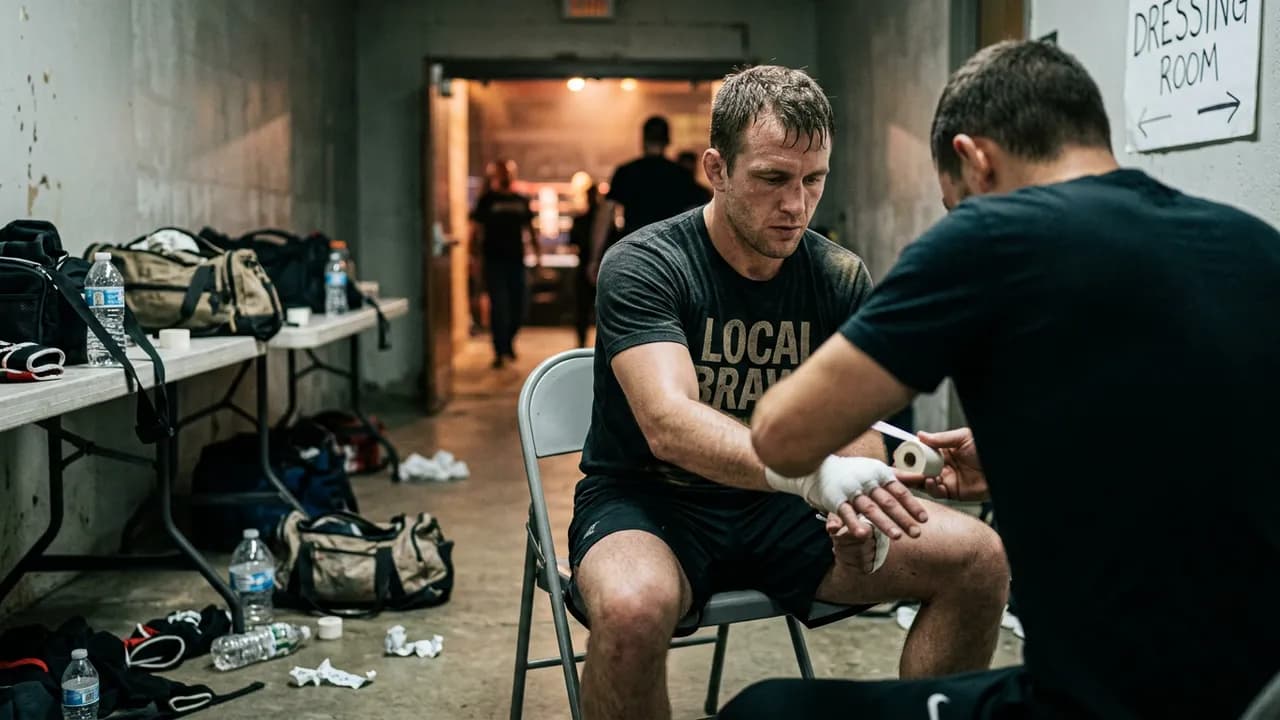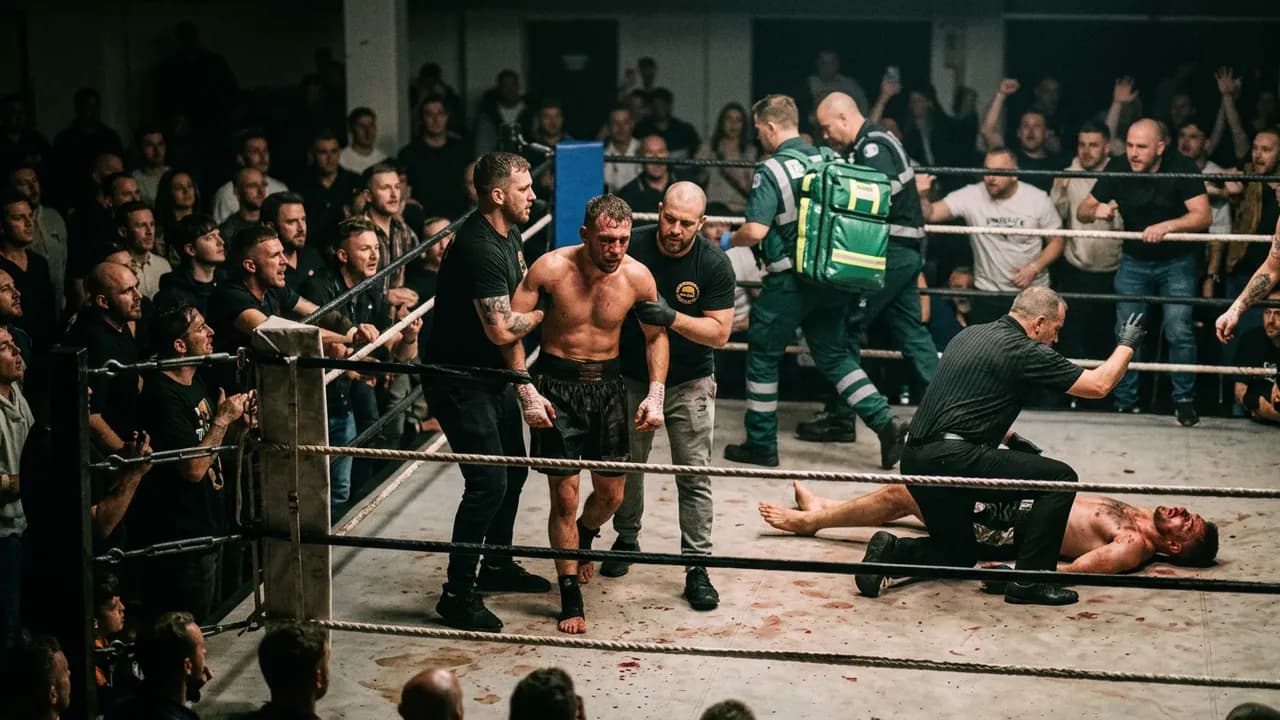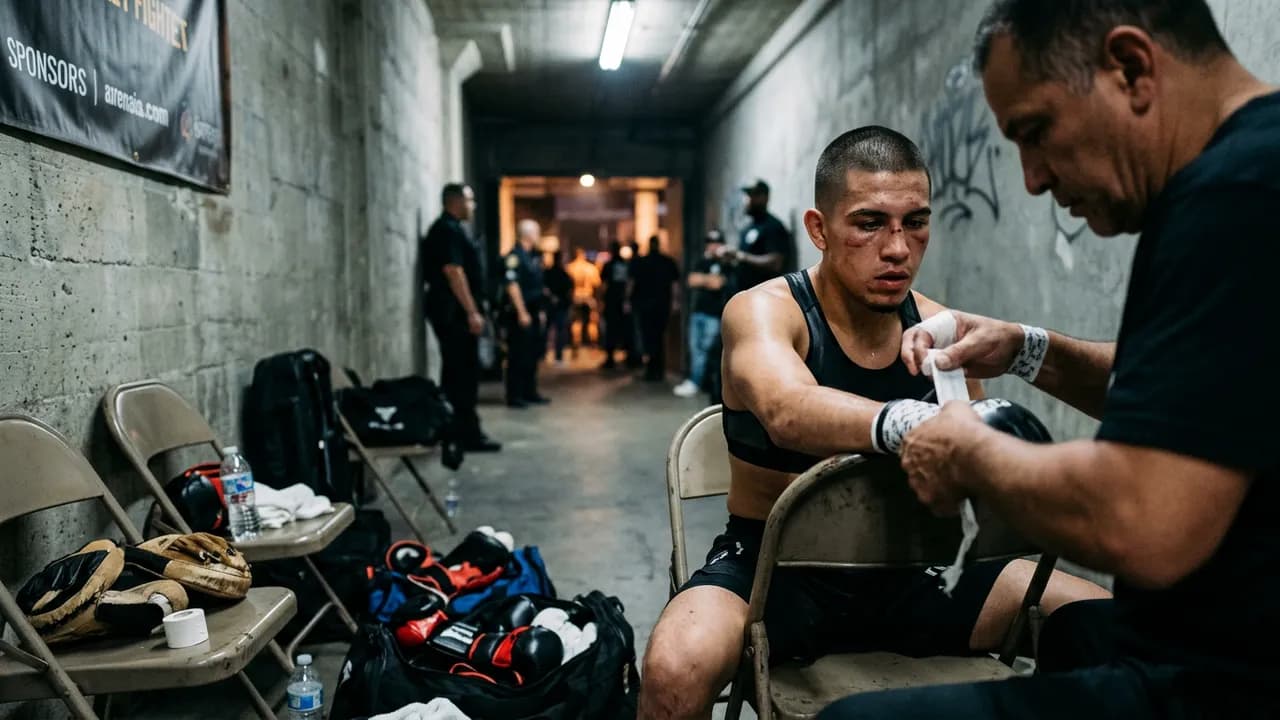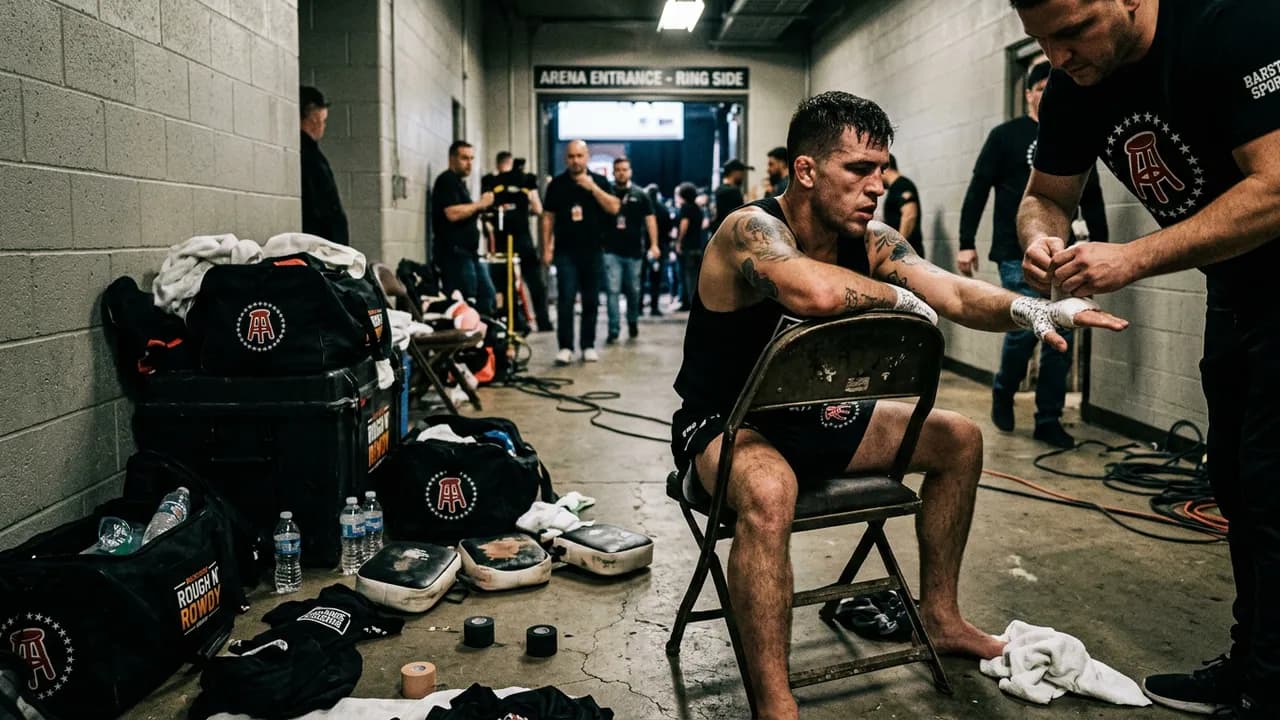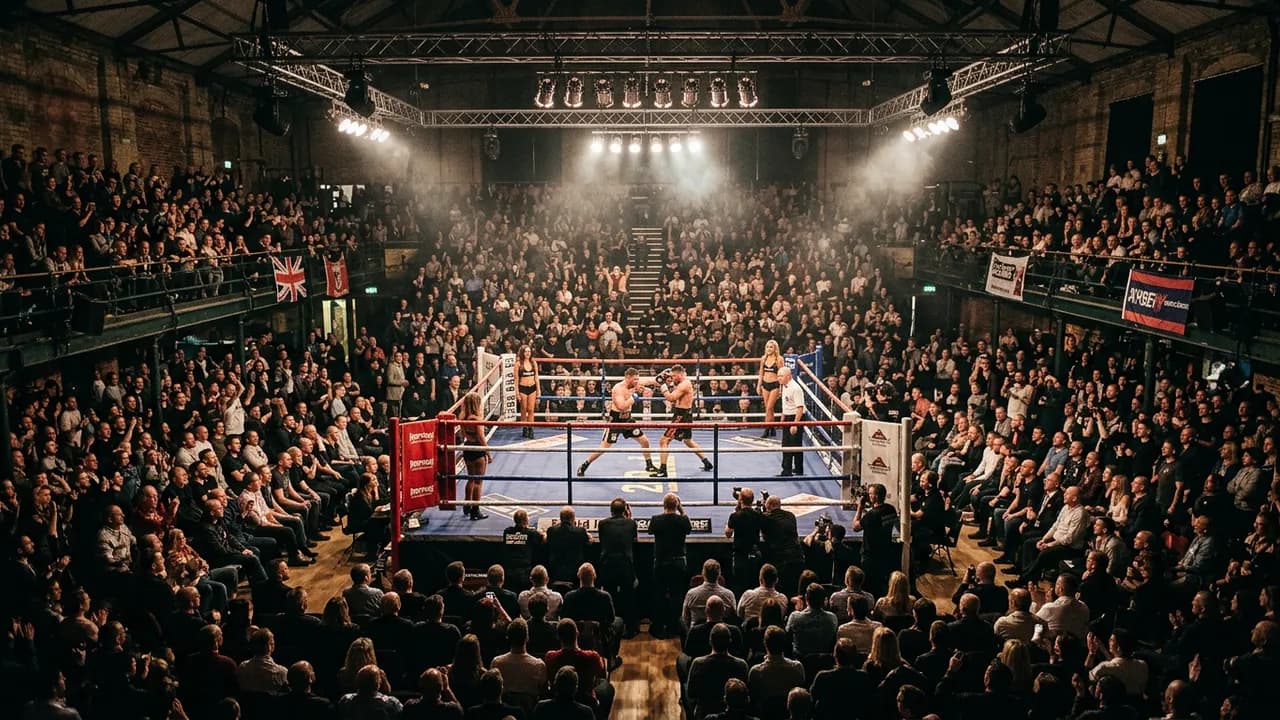
Backyard fighting is one of the rawest, most accessible, and most controversial forms of combat sports in the world. It has no billion-dollar broadcast deals, no corporate sponsors, and no athletic commissions overseeing the action. What it does have is authenticity, community, and an audience of millions who tune in every week to watch regular people test themselves in organized fights held in backyards, fields, and parking lots across the globe.
From the viral explosion of Kimbo Slice's bareknuckle brawls in the early 2000s to the 4.2 million-subscriber empire of Streetbeefs, backyard fighting has grown from scattered local events into a genuine cultural movement. This guide covers everything you need to know about the scene: its history, its biggest organizations, its most famous fighters, and how you can watch or even get involved.
What Is Backyard Fighting?
Backyard fighting is organized combat that takes place outside of licensed venues and without the oversight of athletic commissions. The term is literal: many of these fights happen in actual backyards, though others take place in open fields, garages, parking lots, or any available outdoor space.
What distinguishes backyard fighting from a street brawl is intention and structure. Backyard fights are planned events with willing participants, typically featuring some combination of the following:
- Gloves (usually boxing or MMA gloves)
- A referee who can stop the fight
- Basic rules governing what strikes are legal
- Weight matching (though often loose)
- Video recording for distribution on YouTube or social media
The level of organization varies enormously. At one end of the spectrum, you have operations like Streetbeefs, which has a formal application process, a detailed ruleset, trained referees, and professional video production. At the other end, you have informal gatherings where two willing fighters square off in front of a handful of spectators with a phone camera rolling.
Backyard fighting encompasses multiple combat sports formats:
- Backyard boxing with standard boxing rules and gloves
- Backyard MMA allowing takedowns, ground fighting, and submissions alongside strikes
- Kickboxing permitting kicks to the legs, body, and head
- Bare knuckle fights without gloves (the original format of the scene)
- "Beef" matches where two people with a personal dispute agree to settle it through combat
History: From Kimbo Slice to Streetbeefs
The history of backyard fighting stretches back decades, but the modern scene, the one built on viral video and YouTube subscriber counts, has a clear origin story.
The Kimbo Slice Era (2003-2008)
Kevin Ferguson was a bouncer and bodyguard from Miami who went by the name Kimbo Slice. In 2003, his friend Mike "Icey Mike" Imber filmed a bareknuckle fight in a Miami backyard. That video, featuring the massive, bearded Kimbo demolishing an opponent with raw power, was uploaded to the early internet and became one of the first truly viral fight videos in history.
More videos followed. Kimbo fought in backyards, parking lots, and on the street, always bareknuckle, always filmed. The videos spread across early platforms like DailyMotion and eventually YouTube, amassing millions of views at a time when viral videos were a new phenomenon. Rolling Stone dubbed him "The King of the Web Brawlers."
Kimbo's viral fame opened the door to legitimate combat sports. He made his professional MMA debut with Cage Fury Fighting Championships in 2007, then signed with EliteXC, where his fight against James Thompson on CBS drew 6.5 million viewers. He later competed in the UFC and Bellator before passing away from heart failure in June 2016 at the age of 42.
The Kimbo Slice era proved three things that shaped everything that came after:
- There was a massive audience for raw, unpolished fighting
- The internet could turn a backyard fighter into a national celebrity
- Backyard fighting could be a pipeline to professional combat sports
The Dada 5000 and Dawg Fight Era (2008-2016)
Dhafir "Dada 5000" Harris came up in the same Miami scene as Kimbo Slice. After a falling out with Kimbo's management, Dada began organizing his own backyard fights, using his mother's yard in Perrine, a rough neighborhood in southern Miami-Dade County, as the venue. He built a ring, recruited local fighters, and staged brutal bareknuckle events that drew crowds of hundreds.
Dada's operation became the subject of Dawg Fight, a 2015 documentary directed by Billy Corben (the filmmaker behind Cocaine Cowboys). The film depicted the gritty reality of backyard fighting in low-income communities, presenting it as both dangerous spectacle and neighborhood institution.
Dada 5000 eventually crossed over into professional fighting, most infamously at Bellator 149 in February 2016, where he fought Kimbo Slice in a bout widely regarded as one of the worst fights in MMA history. Both men were exhausted early, and Dada collapsed in the third round. He was later hospitalized with kidney failure and heart failure.
Despite the Bellator debacle, Dada's legacy in the backyard scene was secure. In 2015, he co-founded what would become BKB Bare Knuckle Boxing (originally BYB Extreme Fighting Series) with Mike Vazquez. The name BYB stands for "Back Yard Brawl," a direct nod to the scene's origins.
The Streetbeefs Revolution (2008-Present)
While the Miami scene was built on spectacle and individual celebrity, the most important development in backyard fighting was happening 900 miles north in Harrisonburg, Virginia.
In 2008, Christopher "Scarface" Wilmore founded Streetbeefs with a simple mission: settle disputes through supervised fighting instead of gun violence. Wilmore, who had personal experience with street violence, created a framework where people with "beefs" could come to a designated backyard, put on gloves, and fight under basic rules with a referee who would stop the fight if things got out of hand.
The concept caught on. Streetbeefs began filming fights and uploading them to YouTube, where the channel grew steadily through the 2010s. The yard where fights take place became known as "Satan's Backyard," a name given by a fighter who was knocked out early in the organization's history and described the experience of fighting in the heat and intensity of the Virginia backyard.
By the 2020s, Streetbeefs had become a phenomenon. Key milestones include:
- 4.2 million+ YouTube subscribers with over 1.3 billion total views
- Streetbeefs West Coast, a branch operating out of Las Vegas, Nevada
- Streetbeefs Scrapyard, a Pacific Northwest branch near Gig Harbor, Washington, founded in 2020 by Steve "Fire Chicken" Hagara, now approaching one million YouTube subscribers with over 1.5 million Instagram followers
- National media coverage including ESPN, The Washington Post, and HuffPost profiles
- A community-oriented model that has been replicated by backyard fight organizations across the country
Streetbeefs proved that backyard fighting could be organized, relatively safe (compared to the alternatives), and enormously popular as content.
Major Backyard Fighting Organizations
The backyard fighting scene is populated by organizations across the United States and beyond. Here are the most significant.
Streetbeefs
| Detail | Info |
|---|---|
| Founded | 2008 |
| Location | Harrisonburg, Virginia (primary); Las Vegas, Nevada (West Coast) |
| Founder | Christopher "Scarface" Wilmore |
| YouTube | Streetbeefs -- 4.2M+ subscribers, 1.3B+ views |
| Must-Watch | Top Knockouts |
| Format | Boxing, kickboxing, MMA, jiu-jitsu |
| Website | streetbeefshq.com |
Streetbeefs is the largest and most well-known backyard fighting organization in the world. Fights take place outdoors on private ground with gloves, referees, and rules governing each combat format — where StreetBeefs is located covers the Harrisonburg venue and every branch yard. The organization accepts applications through its website and matches fighters by weight and experience.
Streetbeefs has expanded beyond its original "settle your beef" concept to include competitive fighters who simply want to test themselves. The organization hosts events in boxing, kickboxing, MMA, and submission grappling formats. Read our full Streetbeefs Profile for more.
The Scrapyard
| Detail | Info |
|---|---|
| Founded | 2020 |
| Location | Gig Harbor, Washington |
| Founder | Steve "Fire Chicken" Hagara |
| YouTube | THE SCRAPYARD -- 1M+ subscribers |
| 1.5M+ followers | |
| Format | Kickboxing, MMA, boxing |
The Scrapyard is the Pacific Northwest branch of the Streetbeefs family, though it operates with its own identity and following. Founded by Steve "Fire Chicken" Hagara, The Scrapyard hosts kickboxing, MMA, and traditional boxing events. The organization has grown rapidly since 2020, building a massive social media following and establishing itself as one of the top backyard fight brands in the country.
Backyard Squabbles
| Detail | Info |
|---|---|
| Founded | ~2019 |
| Location | Los Angeles, California |
| Motto | "Guns Down, Squabble Up" |
| YouTube | Backyard Squabbles |
| Format | Boxing, MMA |
Backyard Squabbles operates out of Los Angeles with a philosophy similar to Streetbeefs: provide a structured outlet for aggression as an alternative to street violence. The "Guns Down, Squabble Up" motto captures the organization's mission. Backyard Squabbles has built a significant following on YouTube and social media.
BKB Bare Knuckle Boxing (formerly BYB Extreme)
| Detail | Info |
|---|---|
| Founded | 2015 |
| Location | South Florida (HQ); events in USA, UK, Dubai |
| Founders | Dhafir "Dada 5000" Harris, Mike Vazquez |
| Broadcast | VICE TV (13 live events per year) |
| Format | Bare knuckle boxing in the patented Trigon ring |
BKB is the most direct evolution from the backyard fighting scene to a professional-level promotion. The organization originated with Dada 5000's backyard fights in Miami and has grown into an international bare knuckle promotion. Their patented Trigon ring, a three-sided equilateral triangle measuring roughly 16 feet per side, is the smallest fighting surface in combat sports. The design eliminates dead space and forces constant action, resulting in what the organization claims is a 90 percent knockout rate.
In May 2024, BYB Extreme acquired UK-based BKB, and in February 2025, the combined organization rebranded as BKB Bare Knuckle Boxing. They signed a multi-year broadcast deal with VICE TV in 2025, with 13 live events per year televised in prime time.
Rough N' Rowdy
| Detail | Info |
|---|---|
| Founded | ~2017 |
| Location | Various US locations |
| Partner | Barstool Sports |
| Format | Amateur boxing |
| Broadcast | PPV through Barstool Sports |
Rough N' Rowdy occupies a unique space in the backyard fighting world. Backed by Barstool Sports, it puts on amateur boxing events featuring untrained or minimally trained fighters, often with entertaining gimmicks and colorful personalities. While more polished than a typical backyard event, Rough N' Rowdy captures the raw, anything-can-happen energy that defines the backyard fighting appeal.
Gamebred Bareknuckle MMA
| Detail | Info |
|---|---|
| Founded | 2023 |
| Location | South Florida (HQ); events in USA and internationally |
| Founder | Jorge Masvidal |
| Format | Bareknuckle MMA (Unified MMA rules without gloves) |
Gamebred Bareknuckle MMA was founded by former UFC welterweight title challenger Jorge Masvidal, who started his own fighting career in the backyards of Miami. The promotion uses standard Unified Rules of MMA minus the gloves, creating what is essentially professional MMA with bare fists. In 2025, Masvidal announced dual 16-fighter tournaments at heavyweight and lightweight with $500,000 grand prizes each, attracting UFC veterans like Anthony Smith.
Masvidal's personal journey from Miami backyard fighter to UFC headliner to promotion owner embodies the full arc of the backyard fighting story.
The YouTube Revolution
YouTube did not just help backyard fighting grow. YouTube is backyard fighting's home stadium, its broadcast network, and its talent development system all rolled into one.
How YouTube Changed Everything
Before YouTube, backyard fights were local events seen by the people who were physically present. The internet changed that with Kimbo Slice's early videos, but YouTube turbocharged the process by providing:
- Free hosting and distribution so anyone with a phone camera could upload fight content
- Monetization through ad revenue, giving organizations a financial incentive to produce regular content
- Discovery algorithms that recommended fight videos to combat sports fans, growing audiences organically
- Community building through comments, subscriptions, and notifications that turned casual viewers into dedicated followers
- A permanent archive where every fight lives forever, creating a historical record of the scene
The Numbers
The scale of backyard fighting on YouTube is staggering:
| Channel | Subscribers | Total Views |
|---|---|---|
| Streetbeefs | 4.2M+ | 1.3B+ |
| Strelka | 2.5M+ | Hundreds of millions |
| Top Dog FC | 1.5M+ | Hundreds of millions |
| KOTS | 1M+ | Hundreds of millions |
| The Scrapyard | ~1M | Growing rapidly |
These numbers rival or exceed many sanctioned combat sports promotions. Streetbeefs' 1.3 billion views put it in the same conversation as many professional sports leagues' YouTube presence.
The Algorithm Effect
YouTube's recommendation algorithm has been a double-edged sword for backyard fighting. On one hand, it drives enormous viewership by recommending fight videos to anyone who watches combat sports content. On the other hand, YouTube's content policies around violence have led to videos being demonetized, age-restricted, or removed, creating an ongoing tension between the platform and fight content creators.
Some organizations have responded by diversifying their platforms, using Instagram, TikTok, and Telegram to reach audiences. Others have moved to PPV models that do not depend on YouTube's ad revenue or content policies.
Is Backyard Fighting Legal?
The legality of backyard fighting exists in a gray area that depends on location, format, and the specific circumstances of each event.
The General Legal Framework
In the United States, combat sports are regulated at the state level by athletic commissions. Any fight event that is not sanctioned by the relevant state athletic commission is, technically, operating outside the law.
However, enforcement varies enormously. A backyard fight between two consenting adults with gloves and a referee is treated very differently by law enforcement than an organized no-rules brawl. Many backyard organizations operate openly for years, posting content on YouTube with their locations clearly identifiable, without facing legal action.
Mutual Combat Laws
No US state has a law that makes a consensual fight legal. The two states usually named work differently from what most people think:
- Texas: Under Penal Code 22.06, consent can be a defense to an assault charge, but only if the conduct did not threaten or cause serious bodily injury. It is argued after a charge, not a permission to fight.
- Washington: There is no state mutual combat law. The reputation comes from a Seattle city ordinance that targets public fights endangering bystanders or property; it does not stop a state assault charge. See mutual combat laws by state.
These laws do not specifically authorize organized fight events, but they create a more permissive legal environment in those states.
The Streetbeefs Model
Streetbeefs has operated openly in Virginia since 2008 without being shut down by authorities. The organization's emphasis on safety (gloves, referees, rules, stopping fights when necessary) and its community mission (providing an alternative to street violence) have helped it avoid legal problems. This model of operating transparently with safety measures has been adopted by many other backyard organizations.
That said, operating a backyard fight organization always carries legal risk. If a fighter is seriously injured, organizers could face charges ranging from misdemeanor assault facilitation to felony charges depending on the jurisdiction and circumstances.
The Path to Sanctioning
Some backyard-originated organizations have pursued official sanctioning to eliminate legal risk. BKB/BYB Extreme, which grew directly out of Dada 5000's backyard fighting scene, now operates as a sanctioned promotion in multiple jurisdictions. BKFC, while not originally a backyard organization, represents the bare knuckle format achieving full legitimacy through athletic commission sanctioning.
Famous Backyard Fighters
Backyard fighting has produced fighters who achieved fame within the scene and, in some cases, crossed over into mainstream combat sports.
Kimbo Slice (1974-2016)
The godfather of modern backyard fighting. Kevin "Kimbo Slice" Ferguson's bareknuckle videos in the early 2000s created the template for everything that followed. He transitioned to professional MMA, fighting in EliteXC, the UFC, and Bellator. He knocked out veteran Ken Shamrock in 43 seconds at Bellator 138, proving he could compete at the professional level. He passed away in June 2016 at age 42. Read our full Kimbo Slice profile.
Dada 5000
Dhafir "Dada 5000" Harris was Kimbo's rival and contemporary in the Miami backyard scene. After organizing his own backyard fights (documented in Dawg Fight), he co-founded what is now BKB Bare Knuckle Boxing. His infamous fight against Kimbo at Bellator 149 nearly killed him, but he returned to fighting and continues to promote bareknuckle events through BKB. Read our full Dada 5000 profile.
Jorge Masvidal
Before becoming a UFC superstar known for his record-setting 5-second flying knee knockout of Ben Askren, Jorge Masvidal was a backyard fighter in Miami. His early bareknuckle fights are documented in the video series "The Diaries of a Street Fighter." He has come full circle by founding Gamebred Bareknuckle MMA, bringing his backyard roots to a professional level.
Scarface (Chris Wilmore)
The founder of Streetbeefs is a fighter himself and a central figure in the backyard fighting culture. Wilmore's vision of using organized fights as an alternative to street violence has shaped the entire American backyard fighting scene. His creation has grown from a local Virginia operation to a national brand with over 4 million YouTube subscribers.
Fire Chicken (Steve Hagara)
The founder of The Scrapyard, Steve "Fire Chicken" Hagara built the Pacific Northwest's biggest backyard fight organization from nothing starting in 2020. His ability to grow a massive social media following in a short time demonstrates the ongoing appetite for backyard fighting content.
ATrain (Alan Stephenson)
Widely considered one of the best fighters in Streetbeefs history, ATrain has competed across multiple weight classes and combat formats within the organization. Read our full ATrain profile.
Backyard Fighting vs. Professional Sports
Understanding where backyard fighting sits relative to sanctioned professional combat sports helps frame its unique appeal.
| Aspect | Backyard Fighting | Professional Boxing/MMA |
|---|---|---|
| Entry barrier | Low (apply online, show up) | High (years of training, amateur record, management) |
| Cost to fighter | Usually free | Gym fees, coaching, management fees, camp costs |
| Regulation | None to minimal | Full athletic commission oversight |
| Safety measures | Gloves, referee (varies) | Medical screening, ringside doctor, ambulance on site |
| Fighter pay | Usually $0 | Disclosed purses (varies widely) |
| Audience | YouTube, social media (millions) | TV broadcast, PPV, arena attendance |
| Career path | Informal, content-driven | Structured (amateur to pro, rankings, title shots) |
| Drug testing | None | USADA, VADA, or commission testing |
| Record keeping | Informal | Official commissions and databases |
| Production quality | Phone cameras to professional (varies) | Full broadcast production |
| Weight classes | Loose matching | Strict, defined classes |
| Cultural vibe | Raw, community-based, accessible | Corporate, polished, exclusive |
The Crossover Pipeline
Backyard fighting has served as a talent pipeline to professional combat sports. Notable crossovers include:
- Kimbo Slice: Backyard brawls to EliteXC, UFC, and Bellator
- Jorge Masvidal: Miami street fights to UFC title contention
- Dada 5000: Miami backyards to Bellator and BKB promotion owner
- Various BKFC fighters: Some backyard and underground fighters have transitioned to BKFC's sanctioned events
The pipeline works both ways. UFC veterans like Anthony Smith, Kevin Lee, and Junior dos Santos have competed in Gamebred Bareknuckle MMA. Former UFC champions have signed with BKFC. The boundaries between backyard, underground, and professional are increasingly fluid.
How to Get Started
As a Fighter
If you want to compete in backyard fighting, here is a practical roadmap:
1. Get Training First
Do not show up to a backyard fight with zero training. At minimum, spend three to six months training in boxing, kickboxing, or MMA at a local gym. Learn basic striking, defensive head movement, footwork, and how to take a punch safely. If the organization allows grappling (MMA format), add wrestling or jiu-jitsu training.
2. Choose Your Organization
Research the organizations that operate in your area or that you are willing to travel to:
- Streetbeefs: The most established option. Apply through their website at streetbeefshq.com. You can choose boxing, kickboxing, MMA, or jiu-jitsu.
- The Scrapyard: Based in the Pacific Northwest. Apply through their social media.
- Backyard Squabbles: Based in Los Angeles.
- Rough N' Rowdy: Specifically designed for amateurs with minimal experience.
3. Prepare Physically
Beyond technical training, ensure your cardio is solid. Backyard fights are exhausting, especially if you are nervous (and you will be). Run, do sprint intervals, and spar regularly before your first fight.
4. Know the Rules
Each organization has its own ruleset. Streetbeefs has different rules for boxing, kickboxing, and MMA. Read and understand the rules for the format you are competing in before you show up.
5. Manage Expectations
Your first backyard fight will be nothing like sparring in the gym. The adrenaline, the crowd, the cameras, and the reality that your opponent genuinely wants to knock you out create an intensity that training cannot fully replicate. Expect to be nervous. Expect to gas out faster than you think. Expect the experience to be humbling.
For a detailed preparation guide, read How to Prepare for Your First Backyard Fight.
As a Spectator
Online: Follow major organizations on YouTube and social media. Most content is free. Streetbeefs, The Scrapyard, and many other organizations upload full fights regularly.
In Person: Some organizations host events that are open to spectators. Check the social media accounts of organizations near you for event announcements. BKFC and Rough N' Rowdy sell tickets to their events through standard ticketing platforms.
Safety Considerations
Backyard fighting carries inherent risks that participants should understand clearly.
The Risks
- Concussions and traumatic brain injury: The most serious long-term risk in any combat sport. Backyard fighters typically do not receive pre-fight or post-fight neurological screening.
- Broken bones and lacerations: Common in any fighting context. Without ringside medical staff, serious injuries may not receive immediate professional treatment.
- No medical screening: Professional fight organizations require fighters to pass medical exams, blood work, and sometimes MRI scans before competing. Backyard organizations rarely or never require this, meaning fighters with undiagnosed conditions (heart problems, brain abnormalities) may compete with life-threatening risk.
- No insurance: If you are injured in a backyard fight, you are responsible for your own medical bills.
Reducing Risk
While backyard fighting can never be completely safe, there are steps fighters and organizations can take to reduce risk:
- Always use gloves appropriate to the format (boxing gloves for boxing, MMA gloves for MMA)
- Insist on a competent referee who will stop the fight if a fighter cannot intelligently defend themselves
- Do not fight with head injuries or concussion symptoms from previous fights or training
- Get a basic medical checkup before competing, even though the organization does not require it
- Know when to stop. Tapping out or telling the referee you are done is not weakness; it is intelligence
- Avoid organizations with no safety measures. The more structured and safety-conscious the organization, the lower your risk
The Organizational Responsibility
The best backyard fighting organizations take safety seriously. Streetbeefs' entire founding philosophy is about providing a safer alternative to street violence. The organization uses gloves, referees, and rules specifically to reduce injury risk. When evaluating an organization, look for these indicators of a safety-conscious operation:
- Gloves required
- Trained referee present
- Rules clearly communicated before the fight
- Willingness to stop fights when a fighter is in danger
- First aid supplies or medical personnel on site
Watch on YouTube: Essential Backyard Fighting Videos
These YouTube videos provide the best introduction to the backyard fighting world. All are free to watch.
YouTube Channels to Subscribe To
| Organization | Channel | Subscribers |
|---|---|---|
| Streetbeefs | Streetbeefs | 4.2M+ |
| The Scrapyard | THE SCRAPYARD | 1M+ |
| Backyard Squabbles | Backyard Squabbles | 500K+ |
| Rough N' Rowdy | Rough N' Rowdy | Growing |
| Gamebred BK MMA | Gamebred Bareknuckle MMA | Growing |
Must-Watch Videos
-
Kimbo Slice vs Big D -- The original viral backyard fight. This is where it all started. Kimbo Slice in a raw bareknuckle brawl in a Miami backyard that became one of the first viral fight videos in history.
-
Streetbeefs Top Knockouts -- A highlight compilation of the most devastating finishes from the world's largest backyard fighting channel. The best entry point for understanding what Streetbeefs is about.
-
Top Dog FC Best Knockouts -- While Top Dog is a bare knuckle organization rather than a backyard operation, its hay-bale ring origins make it essential viewing for anyone interested in the grassroots fighting scene.
Frequently Asked Questions
What is the most popular backyard fighting organization?
Streetbeefs is the most popular by subscriber count and viewership, with over 4.2 million YouTube subscribers and 1.3 billion total views. It is also the oldest continuously operating major backyard fight organization, founded in 2008.
Is backyard fighting the same as street fighting?
No. Backyard fighting is organized with willing participants, a designated location, and usually some form of rules and refereeing. Street fighting is spontaneous, uncontrolled, and typically involves unwilling participants or escalated confrontations. Backyard fighting organizations like Streetbeefs were specifically created as an alternative to street fighting.
Can you make money from backyard fighting?
Most backyard fighters are not paid for competing. However, fighters who build a following can monetize through YouTube ad revenue, social media sponsorships, and merchandise. Some organizations offer prize money for tournaments. The primary path to earning money from backyard fighting is transitioning to sanctioned promotions like BKFC or professional MMA.
How old do you have to be to fight in a backyard organization?
Most organizations require fighters to be at least 18 years old. Streetbeefs requires all fighters to be adults. Some organizations do not have formal age verification, which is a safety concern.
Has anyone died in a backyard fight?
While deaths in organized backyard fighting events with referees and gloves are extremely rare, they are not impossible. The risk increases significantly in events without safety measures, without gloves, or on hard surfaces. Dada 5000 nearly died during his fight with Kimbo Slice at Bellator 149, experiencing kidney failure and heart failure, though that was a sanctioned professional event rather than a backyard fight.
What is the difference between backyard fighting and underground fighting?
Backyard fighting is a subset of underground fighting. "Underground fighting" is the broader term that includes backyard fights, no-rules events, bare knuckle boxing, and other unsanctioned combat. Backyard fighting specifically refers to the grassroots, community-based end of the underground spectrum, typically featuring gloves and basic rules. See our Ultimate Guide to Underground Fighting for the full picture.
Can women fight in backyard organizations?
Yes. Most major backyard organizations accept female fighters. Streetbeefs regularly features women's bouts in boxing, kickboxing, and MMA. The Scrapyard and other organizations also welcome women competitors.
How do I start my own backyard fight club?
Starting a backyard fight organization requires careful consideration of safety, liability, and legality. You need a suitable location, equipment (gloves, mouthguards, a first aid kit at minimum), knowledge of combat sports rules, and a competent referee. You must also understand the legal risks in your jurisdiction. For a detailed guide, read How to Start Your Own Backyard Fight Club.
What is the Trigon?
The Trigon is the patented three-sided equilateral triangle ring used by BKB/BYB Extreme. Measuring approximately 16 feet per side and seven feet high, it is the smallest fighting surface in combat sports. The triangular design eliminates dead space found in square rings, forcing fighters toward the center and creating more action. BKB claims a 90 percent knockout rate in the Trigon.
What happened to the Dawg Fight fighters?
The fighters featured in the 2015 documentary Dawg Fight, set in the Perrine neighborhood of Miami, have taken various paths. Dada 5000 went on to co-found BKB (BYB Extreme) and continues to promote bare knuckle fighting. For profiles of other fighters from the documentary era, see our Where Are They Now section.
This guide is updated regularly as the backyard fighting landscape evolves. Last updated: March 2026.
For more on related topics, explore our companion guides: