New York City banned professional mixed martial arts in 1997. The ban was not lifted until 2016. For nineteen years, one of the largest cities in the world -- a city with millions of potential fans, thousands of trained fighters, and a combat sports culture stretching back to the bare knuckle era -- was legally prohibited from hosting sanctioned MMA events. The ban was a product of political maneuvering by the culinary workers' union, which had a long-running dispute with the Fertitta brothers who owned the UFC and its parent company Station Casinos.
The fighters did not wait nineteen years. Into the vacuum created by the ban stepped Peter Storm and the Underground Combat League -- the UCL -- an unsanctioned MMA promotion that operated out of the Bronx and became one of the most storied underground fighting organizations in American history. For nearly two decades, the UCL was the only place in New York City where you could watch real MMA. The fights were illegal, the venues were secret, and the legend grew with every event.
History
New York has been a fighting city since the days of the Five Points, when Irish immigrants settled disputes with their fists in the streets of Lower Manhattan. The city's boxing history is legendary -- Madison Square Garden hosted its first prizefight in 1882 and has been the most prestigious boxing venue in the world for over a century. Mike Tyson grew up in Brownsville, Brooklyn. Floyd Patterson came out of Bedford-Stuyvesant. The city's five boroughs have produced more professional fighters than most countries.
When the UFC launched in 1993, New York seemed like a natural market. But the political dynamics were complicated. In 1997, New York State banned professional MMA under pressure from State Assembly Speaker Sheldon Silver, whose alliance with the Hotel Employees and Restaurant Employees International Union -- which was locked in a labor dispute with Station Casinos -- made the ban a political weapon rather than a public safety measure. The ban persisted through multiple legislative sessions, surviving attempts at repeal until finally being overturned in April 2016.
The UCL emerged in the late 1990s as a direct response to the ban. Peter Storm, an enigmatic figure in New York's fighting community, began organizing unsanctioned MMA events in the Bronx. The format was vale tudo -- anything goes -- in the tradition of the earliest UFC events before athletic commissions imposed unified rules. The fights were raw, unregulated, and authentic in a way that sanctioned events could not be.
Organizations
Underground Combat League (UCL)
The UCL was not a promotion in the traditional sense. It was a secret society of fighters, organized by Peter Storm, that operated through invitation only. You did not buy a ticket to a UCL event. You had to know Peter, or he had to know you. Access was controlled through personal connections, word of mouth, and the kind of trust-based networks that characterize genuinely underground operations.
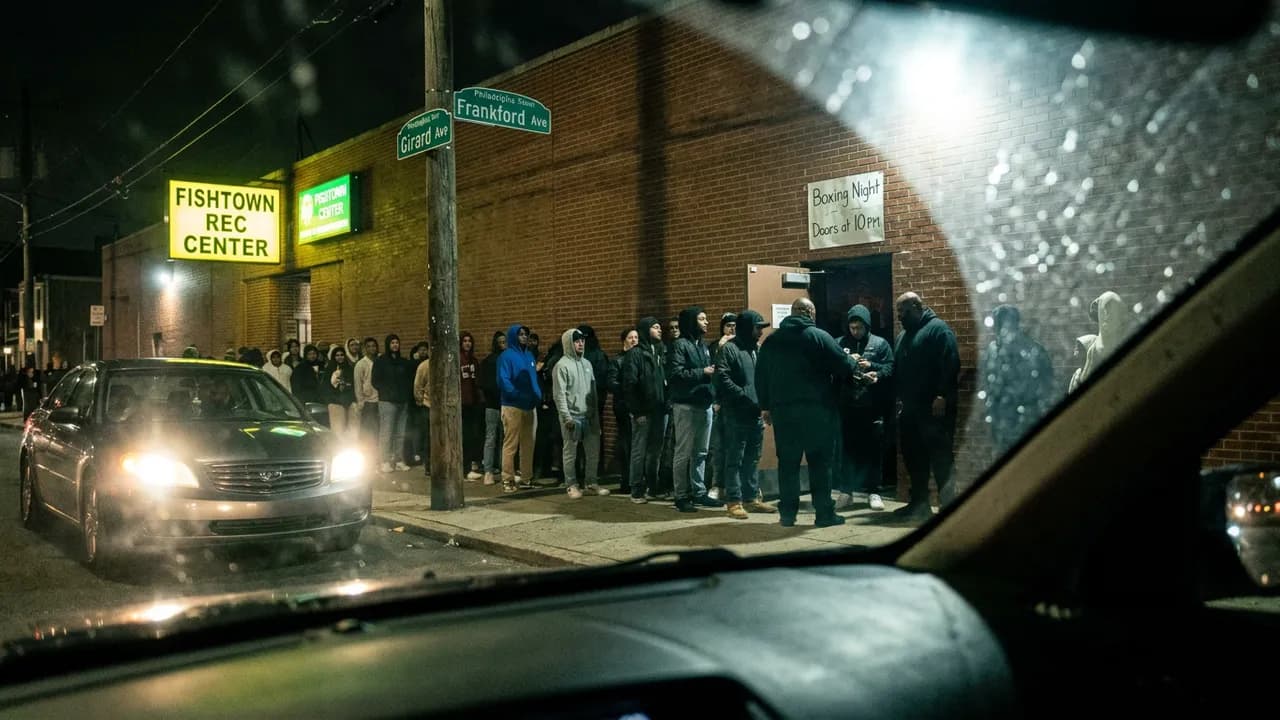
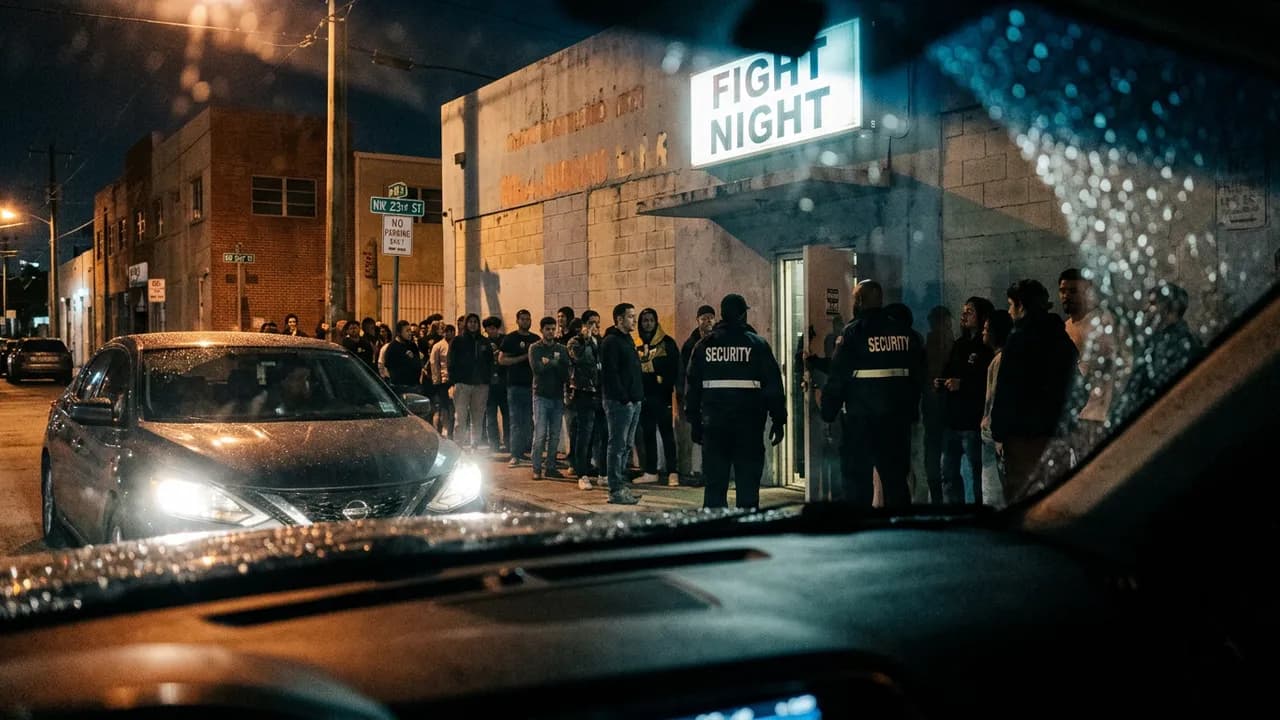
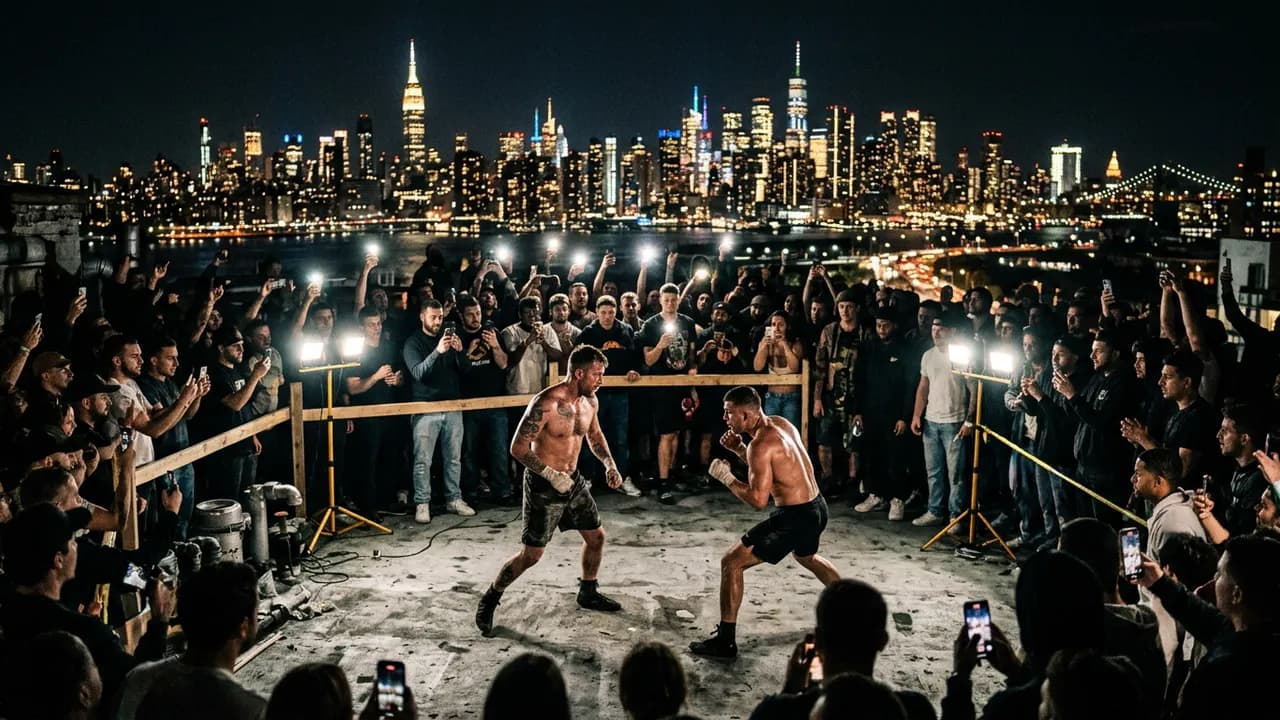
Events were held in basements, warehouses, and other improvised venues across the Bronx and other New York City neighborhoods. The locations were never announced publicly. The audience was a mix of hardcore fight fans, martial artists, curious civilians, and, according to persistent rumor, celebrities who attended discreetly to witness something they could not see anywhere else in the city.
The fighters competed for honor, not money. The UCL offered no purses, no sponsorships, and no path to professional contracts. What it offered was the chance to fight -- a commodity that was unavailable through legal channels anywhere in New York State. For trained MMA fighters living in the city, the UCL was the only outlet for their skills that existed outside of traveling to other states for sanctioned events.
The level of competition at UCL events was unpredictable. Some fighters were highly trained martial artists who simply had no legal venue for competition. Others were tough guys from the neighborhood who wanted to test themselves. The matches could be technical grappling exhibitions or chaotic brawls, depending on who showed up and who was willing to fight.
Peter Storm became a legendary figure in New York's fighting community. He was part promoter, part matchmaker, part philosopher of violence. His role was not just organizational -- he curated the UCL experience, maintaining an atmosphere that balanced real danger with a code of honor that separated the events from mere street fighting. The UCL had rules, even if they were not the rules of any athletic commission.
The End of an Era
The UCL held its final event in 2016, timed to coincide with the legalization of professional MMA in New York State. The last show was a deliberate closing of a chapter -- an acknowledgment that the underground was no longer necessary now that the mainstream had arrived. The UFC held its first event at Madison Square Garden in November 2016, and the era of banned MMA in New York was officially over.
02 / Up next / Post-Ban New York
The UCL's closure was not a defeat. It was a vindication. The organization had existed because the system had failed -- because political games had denied fighters and fans access to a sport that was legal everywhere else in the country. When the ban was lifted, the UCL's mission was complete.
Post-Ban New York
Since 2016, New York has become one of the premier markets for professional MMA. The UFC has held multiple events at Madison Square Garden, and other promotions have followed. Bellator, Professional Fighters League, and various regional promotions stage events throughout the state.
BKFC has also entered the New York market, bringing sanctioned bare knuckle fighting to a city that has embraced combat sports with the enthusiasm of a market that was deprived of them for nearly two decades. The pent-up demand created by the nineteen-year ban means that New York fight fans are among the most passionate and knowledgeable in the country.
The underground did not entirely disappear with legalization. Informal fighting events, gym wars, and unsanctioned bouts continue in a city of eight million people. But the organized underground -- the kind of operation that the UCL represented -- has largely been absorbed into the mainstream.
Notable Fighters
Peter Storm is the defining figure of New York's underground fighting history. His role as the founder and operator of the UCL places him alongside figures like Chris Wilmore of Streetbeefs and the Hype Crew of KOTS as one of the architects of modern underground fighting culture. Storm's insistence on honor, invitation-only access, and the primacy of the fighting experience over commercial considerations gave the UCL a character that no other organization has replicated.
The UCL's fighter roster was never publicly documented in the way that modern underground promotions track their competitors. The secrecy that protected the organization during its operating years also means that many of its best fighters remain anonymous -- their performances witnessed by the select few who gained admission to the events.
The broader New York fight scene has produced countless notable fighters across boxing, MMA, and bare knuckle competition. The city's density of martial arts schools, boxing gyms, and combat sports training facilities ensures a constant pipeline of talent.
How to Get Involved
New York's underground fighting era is largely over, replaced by a robust sanctioned combat sports ecosystem. For fighters, the city offers an extraordinary range of training options -- from legendary boxing gyms like Gleason's in Brooklyn to world-class MMA facilities like Renzo Gracie Academy in Manhattan and the Serra-Longo Fight Team on Long Island.
BKFC events in New York are publicly advertised and ticketed through bkfc.com. The promotion's expansion into the Northeast has made New York a regular stop on the bare knuckle circuit.
For those interested in amateur competition, New York's Golden Gloves tournament -- the most famous amateur boxing competition in the United States -- runs annually and is open to New York-area residents. The city's MMA amateur circuit is also active, with events sanctioned by the New York State Athletic Commission.
The spirit of the UCL lives on in the memories of those who attended its events and in the broader recognition that underground fighting fills a need that sanctioned sports sometimes cannot. New York proved that banning a sport does not eliminate the demand for it -- it merely pushes it underground.
Related Cities
- Philadelphia -- BKFC headquarters and fellow East Coast fighting capital
- Miami -- Where Kimbo Slice's backyard fights pioneered the viral underground model
- Harrisonburg -- Streetbeefs operates in Virginia with a similar dispute-resolution philosophy
- Manchester -- KOTR emerged from a similar dynamic of underground fighting meeting community need