Overview
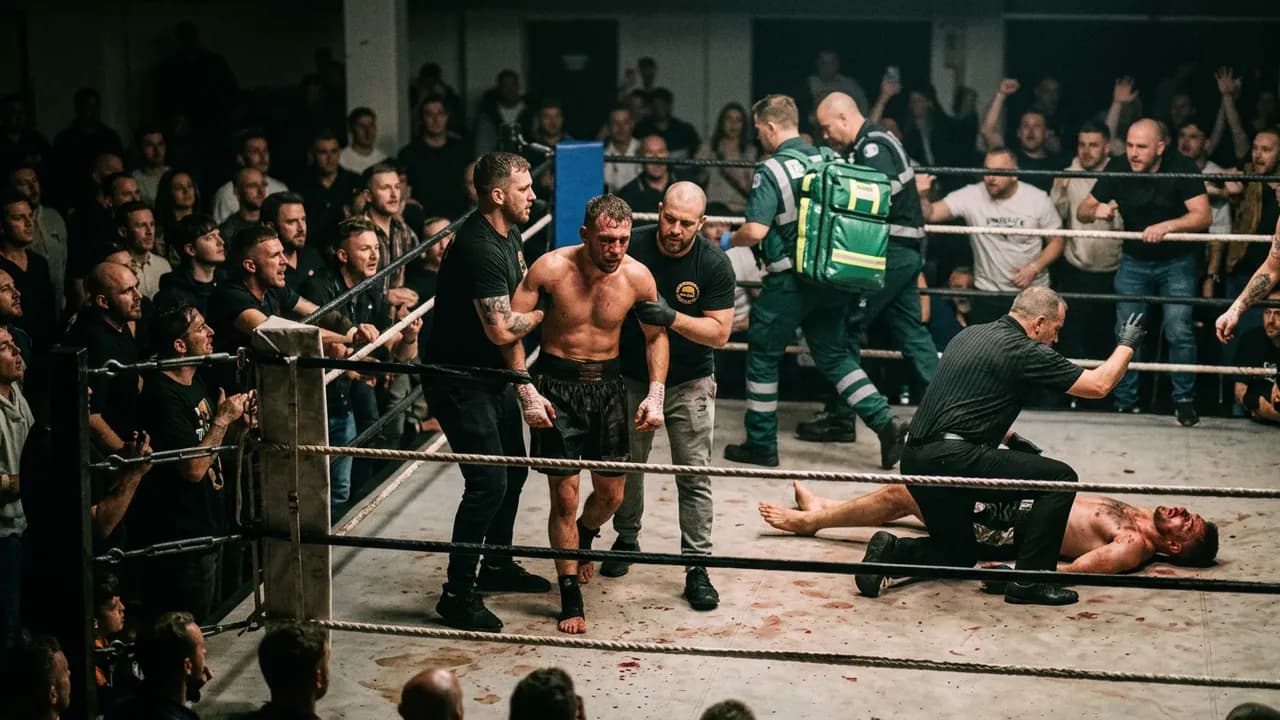
The United States is the undisputed epicenter of the modern underground fighting movement. From the sun-scorched backyards of Miami where Kimbo Slice threw the punches that launched a global phenomenon, to the pine-lined clearing in rural Virginia where Streetbeefs built the world's largest backyard fighting operation, America's relationship with unsanctioned combat is as old as the republic itself -- and it has never been more visible than it is right now.
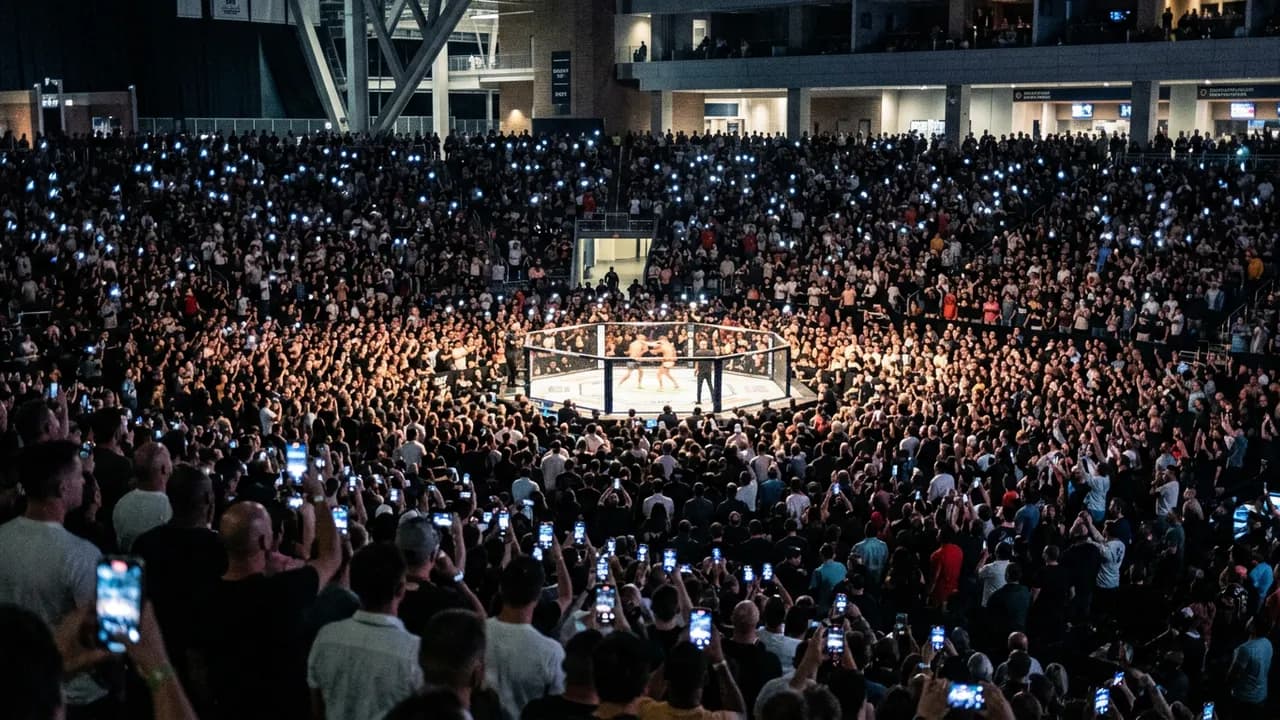
The numbers tell the story. Streetbeefs commands over 4.2 million YouTube subscribers and more than 1.3 billion views. BKFC (Bare Knuckle Fighting Championship) is the largest bare knuckle promotion on the planet, operating in over 30 US states. Rough N' Rowdy has turned amateur brawling into a pay-per-view spectacle backed by Barstool Sports. And in Los Angeles, Washington State, Oakland, and dozens of other locations, grassroots fight organizations continue to spring up, fueled by community need, entrepreneurial ambition, and internet virality.
What makes the United States unique is the sheer diversity of its underground fighting ecosystem. The scene spans everything from fully illegal backyard brawls to state-sanctioned bare knuckle events with athletic commission oversight and pay-per-view broadcasts. The legal landscape is a patchwork -- a narrow consent defense in Texas, a Seattle city ordinance behind Washington's mutual combat reputation, bare knuckle legalization in over 30 states, and outright prohibition in the rest. This guide covers every major organization, the legal status by state, and the full history from Kimbo Slice to the present.
History: From Kimbo Slice to the Modern Era
The Pre-Internet Era
Unsanctioned fighting in America did not begin with the internet. Bare knuckle prizefighting was the dominant form of professional combat sports throughout the 19th century, governed by the London Prize Ring Rules and later replaced by the Marquess of Queensberry Rules that mandated gloves. The last significant bare knuckle championship bout was John L. Sullivan versus Jake Kilrain on July 8, 1889 -- a 75-round marathon that had to be staged in secret because most states had already outlawed ungloved boxing. For more than a century afterward, bare knuckle fighting was pushed entirely underground: into prison yards, biker clubhouses, and rural fields far from the eyes of athletic commissions.
The Kimbo Slice Explosion (2003-2008)
The modern era of American underground fighting begins with a single left hook thrown in a Miami backyard in 2003. Kevin "Kimbo Slice" Ferguson, a 6'2" Bahamian-American bouncer and bodyguard from the streets of Miami-Dade County, agreed to a filmed bareknuckle fight for $3,000. The footage was raw, shaky, and brutal. When Kimbo's left hook carved open his opponent's face and ended the fight, the video spread across the early internet like wildfire, and the name "Slice" was born.
Over the next several years, Kimbo's backyard fight videos accumulated millions of views at a time when viral video was still a new concept. Rolling Stone named him "The King of the Web Brawlers." He was arguably the first athlete in any sport to leverage viral internet fame into a professional career, eventually competing in EliteXC, the UFC, and Bellator. Kimbo's passing in June 2016 at age 42 was mourned across the combat sports world, but his legacy had already transformed the landscape permanently.
The Dada 5000 and Perrine Era (2008-2015)
Kimbo's rise inspired a wave of imitators, none more significant than his childhood friend Dhafir "Dada 5000" Harris. When a falling out with Kimbo's management team derailed his own fighting career, Dada built a ring in his mother's backyard in the West Perrine neighborhood of southwest Miami-Dade County and became the "Don King of illegal backyard fights." Hundreds of locals would gather around a homemade ring to watch young men fight bare knuckle with no medical staff and few rules. This scene was immortalized in the Netflix documentary Dawg Fight (2015), directed by Billy Corben, which spent more than four years in production and gave the wider world an unflinching look at the economic desperation and raw fighting culture of South Florida's most underserved communities.
The Rise of Streetbeefs (2008-Present)
While Miami gave the movement its viral spark, it was Harrisonburg, Virginia, that gave it infrastructure. Christopher "Scarface" Wilmore founded Streetbeefs in 2008 with a simple philosophy: "Fists up, guns down." Operating out of his backyard -- later dubbed "Satan's Backyard" -- Wilmore began hosting supervised fights with gloves, referees, and basic safety protocols as a way to settle disputes that might otherwise end in gun violence. The model worked. Streetbeefs grew steadily on YouTube, eventually surpassing 4.2 million subscribers and 1.3 billion views, earning coverage from ESPN, The Washington Post, The New York Times, and The New Yorker. It is now widely recognized as the world's largest backyard fighting organization, spawning affiliate chapters -- most notably The Scrapyard in Washington State -- across the country.
The Bare Knuckle Legalization Wave (2018-Present)
The single most important legal development in American underground fighting history occurred on March 20, 2018, when Wyoming became the first state to legalize professional bare knuckle boxing. On June 2, 2018, BKFC held the first sanctioned bare knuckle event in the United States since Sullivan vs. Kilrain in 1889, at the Cheyenne Ice and Events Center in Wyoming. The 12-bout card aired on pay-per-view across the US and Canada. The dam had broken. Within the following years, state after state followed Wyoming's lead. As of 2026, bare knuckle boxing is sanctioned in more than 30 states, and BKFC has held over 140 events under the leadership of Philadelphia promoter David Feldman, with Conor McGregor acquiring a significant ownership stake in 2024.
Major Organizations
The American underground and bare knuckle fighting landscape is populated by a wide range of organizations, from grassroots backyard operations to fully sanctioned professional promotions. The following table provides an overview of the most significant active organizations.
| Organization | Location | Founded | Type | Where to Watch |
|---|---|---|---|---|
| Streetbeefs | Harrisonburg, VA | 2008 | Backyard MMA/Boxing | YouTube (free) |
| BKFC | Philadelphia, PA | 2018 | Pro Bare Knuckle Boxing | BKFC app, TrillerTV, PPV |
| BKB/BYB Extreme | South Florida | 2015 | Pro Bare Knuckle Boxing | BKBWorld.tv, Fuse TV, BeIN Sports |
| Rough N' Rowdy | Wheeling, WV | 2016 | Amateur Boxing (Barstool) | Barstool Sports PPV |
| Backyard Squabbles | Los Angeles, CA | 2020 | Backyard MMA/Boxing | YouTube, TrillerTV |
| The Scrapyard | Gig Harbor, WA | 2020 | Backyard MMA/Boxing | YouTube (free) |
| Gamebred Bareknuckle MMA | Miami, FL | 2022 | Pro Bareknuckle MMA | PPV, streaming |
| East Bay Rats | Oakland, CA | 1996 | Clubhouse Fight Nights | In-person only |
Streetbeefs
Streetbeefs remains the gold standard for grassroots American backyard fighting. Founded by Chris "Scarface" Wilmore in Harrisonburg, Virginia, the organization hosts monthly events featuring boxing, kickboxing, jiu-jitsu, and mixed martial arts bouts in a supervised outdoor setting. Fighters must sign waivers, wear approved gloves (for most bouts), and compete under the watch of volunteer referees and medics. The fights are uploaded to YouTube for free, where the channel's 4.2 million subscribers make it the most-watched backyard fighting platform in the world. Streetbeefs has served as a proving ground for aspiring fighters and a model for satellite organizations nationwide.
BKFC (Bare Knuckle Fighting Championship)
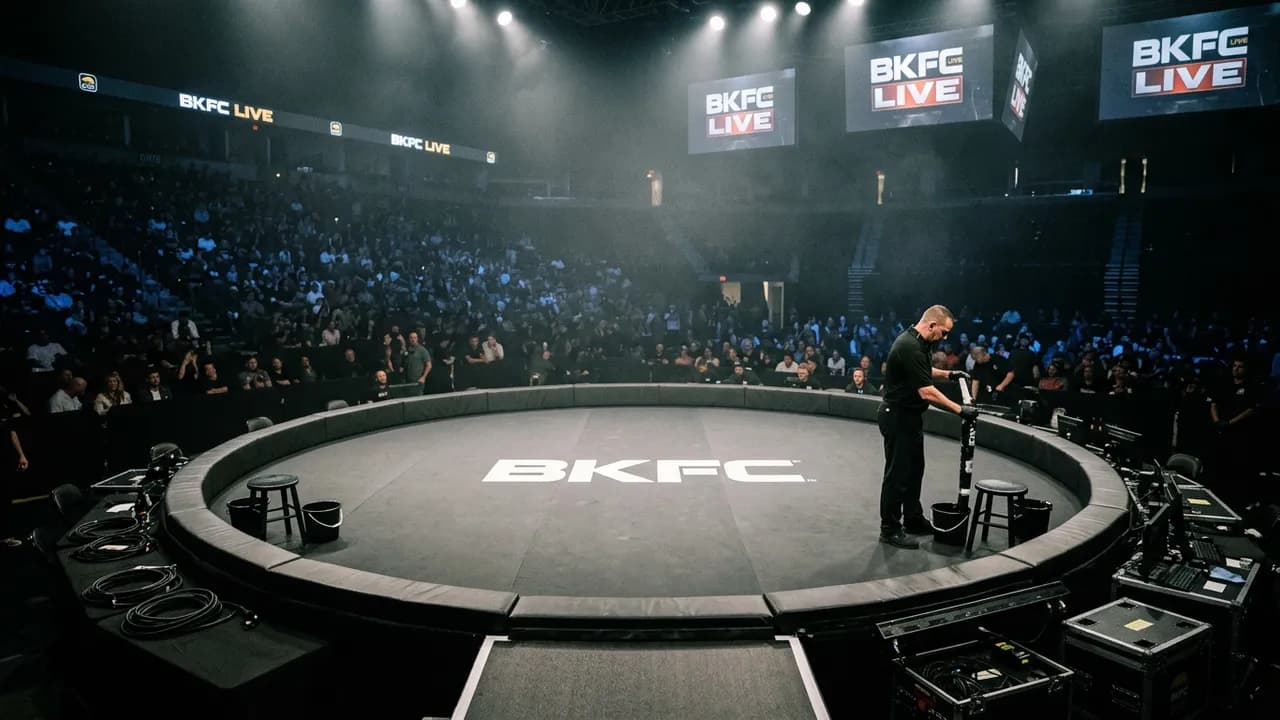
BKFC is the world's largest professional bare knuckle boxing promotion and the organization most responsible for dragging the sport from the underground into the regulatory mainstream. Founded in 2018 by Philadelphia promoter David Feldman, the company held the first legally sanctioned bare knuckle event in the US since 1889. As of early 2026, BKFC has staged over 140 events across more than 30 states. The promotion made headlines in April 2024 when Conor McGregor acquired a minority ownership stake through McGregor Sports and Entertainment; who owns BKFC sets out the rest of the ownership group. In 2025, BKFC announced a $25 million "World's Baddest Man" tournament and expanded internationally. The tournament was billed to start in March 2026 and has still not been contested. The 2026 season kicked off with BKFC 86 at Mohegan Sun in January and includes the promotion's debut in Australia and a return to California.
BKB / BYB Extreme
BKB Bare Knuckle Boxing operates in both the US and UK markets using its patented triangular "Trigon" ring. It is the former BYB Extreme, the Miami promotion rooted in the South Florida backyard fighting tradition of Dada 5000, which bought the British BKB in May 2024 and took its name in February 2025. It has held over 35 events and continues to expand, with 2025 events in Tampa and Denver. BYB fights are broadcast on Fuse TV, BeIN Sports, and BKBWorld.tv. BKB has also been reported to have acquired the UK promotion Bad to the Bone at the end of 2025.
Rough N' Rowdy
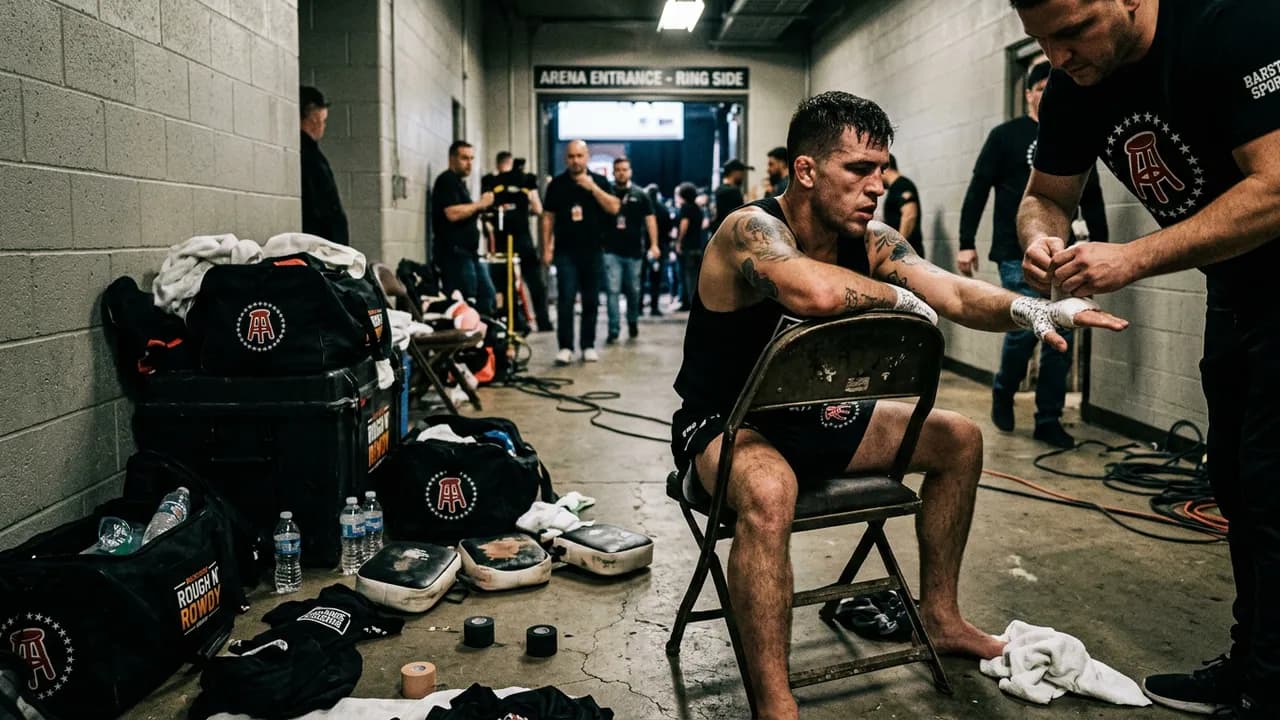
Rough N' Rowdy is the wildly popular amateur boxing event produced by Barstool Sports. Originating in West Virginia, the concept is deceptively simple: untrained amateurs with "no defense throwing haymakers" compete in short bouts on a PPV card hosted with the production values (and irreverent commentary) of a major sporting event. The most recent confirmed event was Rough N' Rowdy 25 at WesBanco Arena in Wheeling, West Virginia, in August 2024. The promotion takes its show on the road to various US cities, and anyone can sign up to fight through the organization's website.
Backyard Squabbles
Backyard Squabbles is a Los Angeles-based underground fight organization born during the COVID-19 pandemic. Founded by Damian "DGoot" Gutierrez in Gardena, the promotion operates under the motto "Guns down, squabble up" and stages pop-up events around the greater LA area. Originally a raw, unsanctioned operation, Backyard Squabbles has evolved into a more structured outfit with growing media attention, including features on VICE and LA Taco. Fights are available on YouTube and TrillerTV.
The Scrapyard
The Scrapyard is a Streetbeefs affiliate chapter based in Gig Harbor, Washington, run by Steve "Fire Chicken" Hagara. Operating under Washington State's unique martial arts regulations, The Scrapyard holds monthly events in a wooded lot with volunteer referees, judges, and medics. Fighters must check in at a medical tent before and after bouts, and participants must be between 18 and 60 years old. The Scrapyard's Instagram following exceeds 1.5 million, making it one of the most visible backyard fighting operations in the country.
Gamebred Bareknuckle MMA
Gamebred Bareknuckle MMA is the brainchild of UFC legend Jorge Masvidal. The promotion features full MMA bouts fought under the Unified Rules -- but without gloves. After a hiatus throughout 2025 for fundraising and restructuring, the promotion announced an explosive 2026 return with dual 16-man tournaments at heavyweight and lightweight, each carrying a $500,000 grand prize. The first event is scheduled for April 10, 2026, in the Dominican Republic, followed by a Miami card on May 1. The heavyweight bracket features former UFC title challenger Anthony Smith, Mohammed Usman, and Todd Duffee.
East Bay Rats Fight Night
The East Bay Rats are an Oakland, California motorcycle club founded in 1994 by Trevor Latham. Since 1996, the club has hosted Friday Fight Nights at their clubhouse -- one of the longest-running underground fight events in the country. The format is simple: a boxing ring set up behind the clubhouse, open to anyone who volunteers. Participants have included bartenders, photographers, bodybuilders, college students, and musicians. The club promotes the events with merchandise reading "Support Consensual Bloodshed." Notable for their racial and cultural inclusivity in a subculture where national clubs often divide along racial lines, the East Bay Rats represent the purest expression of community-level underground fighting in America.
Legacy Organizations
Kimbo Slice / Backyard Fighting (Miami): Though Kimbo passed away in 2016, his backyard fighting videos from the early 2000s remain the foundational texts of the entire modern movement. The Perrine, Florida backyard scene he helped create was documented in the Netflix film Dawg Fight and directly inspired organizations like BYB Extreme.
2016 Wheeling, WV
UCL -- Underground Combat League (New York City): Founded by Peter Storm in 2003, the UCL was New York City's answer to the state's ban on professional MMA. For 13 years, Storm hosted invitation-only, unsanctioned Vale Tudo events in rotating locations across the Bronx and Manhattan -- old boxing gyms, martial arts schools, anywhere with a mat. The UCL served as the proving ground for future UFC lightweight champion Frankie Edgar and numerous other professional fighters. When New York legalized MMA in 2016, the UCL held one final event in the Bronx and closed its doors, its mission accomplished.
Legal Status
The legal landscape for underground and bare knuckle fighting in the United States is a complex patchwork that varies dramatically from state to state. There are three distinct legal categories to understand.
Sanctioned Bare Knuckle Boxing
As of 2026, professional bare knuckle boxing is legally sanctioned in over 30 US states. Each state's athletic commission is responsible for overseeing events within its borders. For a bare knuckle bout to be legal, it must receive explicit sanction from the state commission, comply with safety regulations (pre-fight physicals, blood work, ringside physicians, ambulance services), and follow the Unified Bare Knuckle Fighting Rules approved by the Association of Boxing Commissions (ABC) in 2023.
Key states where sanctioned bare knuckle events are regularly held include:
- Wyoming -- First state to legalize (March 2018); site of the first sanctioned event since 1889
- Florida -- Major hub for BKFC and BYB events; hosts events in Hollywood, Tampa, and Pembroke Pines
- Pennsylvania -- Home base for BKFC (Philadelphia)
- Mississippi -- Early adopter of bare knuckle legalization
- Alabama -- Early adopter
- New Hampshire -- Legalized and active
- Texas -- Active bare knuckle events; also has a consent defense to assault (Penal Code 22.06)
- Connecticut -- BKFC holds events at Mohegan Sun
- California -- BKFC returning to the state in 2026
- New Mexico -- BYB held its Albuquerque debut in January 2025
Mutual Combat Laws
No state has a true mutual combat law. The two states usually named, Texas and Washington, work very differently from the popular version.
Texas Penal Code 22.06 allows a defendant charged with assault to argue that the alleged victim consented to the fight. A "reasonable belief" that the victim consented also counts. However, the defense only works if the conduct did not threaten or inflict serious bodily injury, and it is not available for criminal street gang initiation or membership. It is argued after a charge, not a permission to fight.
Washington State has no state mutual combat statute. Its reputation comes from a Seattle city ordinance that treats fighting as an offence only when it happens in a public place and risks injury to non-participants or damage to property. That ordinance does not stop a state assault charge, and Washington courts accept consent only for the foreseeable hazards of a lawful athletic contest. The Scrapyard in Gig Harbor works under state martial arts regulations, not a mutual combat exemption.
Neither state requires a police officer to be present or to oversee a fight. That is a myth.
Unsanctioned / Underground Fighting
Outside athletic commission sanctioning, unsanctioned fighting events occupy a legal gray area in every state, Texas and Washington included. Organizations like Streetbeefs mitigate legal risk by having participants sign waivers, using protective gear, and framing events as consensual athletic exhibitions. However, participants and organizers can still face assault charges, and the legal protections are thin. The general principle across most US jurisdictions is that consent to bodily harm is not a valid defense against assault charges -- meaning that even a fully consensual, well-organized backyard fight can result in criminal liability for both fighters and promoters if law enforcement chooses to act.
How to Watch
The American underground and bare knuckle fighting scene is more accessible than ever. Here is a breakdown of where to find content from each major organization.
Free on YouTube:
- Streetbeefs -- Full fights uploaded regularly (4.2M subscribers)
- The Scrapyard -- Full fights and event compilations
- Backyard Squabbles -- Selected fights and highlights
Pay-Per-View / Subscription:
- BKFC -- Live events via the BKFC app and TrillerTV; select events on traditional PPV
- Rough N' Rowdy -- Exclusive PPV through Barstool Sports
- BKB/BYB Extreme -- Live on BKBWorld.tv; also broadcast on Fuse TV, The Fight Network, and BeIN Sports in North America
- Gamebred Bareknuckle MMA -- PPV and streaming (2026 events upcoming)
Social Media:
- Instagram and TikTok are major distribution channels for clips and highlights from virtually every organization listed here. The Scrapyard alone has over 1.5 million Instagram followers.
Documentaries and Long-Form:
- Dawg Fight (2015, Netflix) -- The definitive documentary on Miami backyard fighting culture
- Streetbeefs features and profiles from ESPN, The Washington Post, and The New Yorker
- Vice and LA Taco have produced in-depth features on Backyard Squabbles
How to Get Involved
As a Fighter
Most American underground organizations have open sign-up processes:
- Streetbeefs: Contact through the official website (streetbeefshq.com) or social media. Fighters travel from across the East Coast to compete at events in Virginia.
- The Scrapyard: Sign up through the organization's Facebook page. Events are held monthly in Gig Harbor, Washington. Fighters must be 18-60 and pass a medical check.
- Backyard Squabbles: Reach out via Instagram or the official website (backyardsquabbles.com).
- Rough N' Rowdy: Open sign-up on roughnrowdybrawl.com. No experience required -- the entire concept is built around untrained amateurs.
- BKFC: Professional promotion requiring prior combat sports experience. Fighters can apply through the BKFC website, but expect a vetting process including fight record review and medical clearance.
As a Spectator
- In-person attendance is available for most organizations. BKFC and Rough N' Rowdy sell tickets through Ticketmaster and other major outlets. Streetbeefs and The Scrapyard events are typically free to attend but held in private locations -- follow their social media for event announcements.
- East Bay Rats Fight Night in Oakland is open to the public at the club's headquarters.
Major Cities
Miami, Florida
The birthplace of modern viral backyard fighting. Kimbo Slice's early 2000s videos were filmed in the backyards and parking lots of Miami-Dade County, and the West Perrine neighborhood became ground zero for the organized backyard scene run by Dada 5000 and documented in Dawg Fight. Today, South Florida remains a major hub: BYB Extreme is rooted in the region, BKFC holds regular events in Hollywood and Pembroke Pines, and Gamebred Bareknuckle MMA is planning its May 2026 event in Miami. The city's warm climate, deep fight culture, and large combat sports fanbase ensure it will remain central to the American scene.
New York City, New York
New York's underground fighting history is defined by the UCL (Underground Combat League), which operated from 2003 to 2016 as the only MMA outlet in a state that had banned the sport. Peter Storm's invitation-only events in Bronx and Manhattan gyms produced future champions and gave the city a genuinely underground fight culture. Since MMA legalization in 2016, the unsanctioned scene has largely dissolved, replaced by legitimate amateur and professional events. However, NYC's density and diversity continue to make it a hotbed of informal fighting content on social media.
Los Angeles, California
LA's underground scene exploded during the COVID-19 pandemic with the founding of Backyard Squabbles by Damian "DGoot" Gutierrez. The organization's pop-up events around South LA and Gardena drew attention from VICE, NBC LX, and LA Taco, and the "Guns down, squabble up" philosophy resonated deeply in communities affected by gun violence. Beyond Backyard Squabbles, LA's sheer size and cultural diversity support a sprawling informal fighting scene that feeds fighters into amateur boxing gyms, MMA promotions, and social media content operations.
Harrisonburg, Virginia
A small city in the Shenandoah Valley, Harrisonburg is an unlikely capital of the backyard fighting world -- but it is exactly that, thanks to Streetbeefs. Chris "Scarface" Wilmore's backyard operation has put this community on the global map. Fighters travel from across the eastern United States to compete at events held on Wilmore's property, and the organization's influence has spawned affiliate chapters as far away as Washington State.
Wheeling and Charleston, West Virginia
West Virginia is the spiritual home of Rough N' Rowdy, the Barstool Sports-backed amateur boxing spectacle. WesBanco Arena in Wheeling has hosted multiple RnR events, and Charleston has also served as a key venue. The events draw from a deep well of local enthusiasm for no-frills, blue-collar combat entertainment.
Oakland, California
Oakland's underground fighting identity is anchored by the East Bay Rats Motorcycle Club, which has hosted Friday Fight Nights at their clubhouse since 1996 -- nearly three decades of continuous operation. The events represent one of the oldest and most authentic expressions of community-level underground fighting in the country. The club's emphasis on diversity and inclusivity sets it apart from many motorcycle club-affiliated fight operations.
Philadelphia, Pennsylvania
Philadelphia is the corporate home of BKFC, the world's largest bare knuckle promotion. The city's deep boxing tradition -- from Joe Frazier to Bernard Hopkins -- provides a natural cultural foundation for bare knuckle combat. BKFC's Philadelphia-area events draw from the region's massive combat sports fanbase.
Frequently Asked Questions
Is underground fighting legal in the United States?
It depends on the state and the type of fighting. Sanctioned bare knuckle boxing is legal in over 30 states when regulated by the state athletic commission. No state has a true mutual combat law: Texas has a consent defense that stops at serious injury, and Washington's reputation comes from a Seattle city ordinance rather than state law. Fully unsanctioned backyard fighting is technically illegal in most jurisdictions, though enforcement varies widely, and many organizations operate in legal gray areas by using waivers and safety protocols.
What is the biggest backyard fighting organization in the US?
Streetbeefs, founded by Chris "Scarface" Wilmore in Harrisonburg, Virginia. With over 4.2 million YouTube subscribers and 1.3 billion views, it is the largest backyard fighting organization in the world.
What is the biggest bare knuckle promotion in the US?
BKFC (Bare Knuckle Fighting Championship), founded in 2018 by David Feldman and now partly owned by Conor McGregor. BKFC has held over 140 events across more than 30 states.
When was the first legal bare knuckle event in the modern era?
June 2, 2018, at the Cheyenne Ice and Events Center in Wyoming. This was the first sanctioned bare knuckle boxing event in the United States since John L. Sullivan vs. Jake Kilrain in 1889.
Can anyone sign up to fight in a backyard organization?
Most backyard organizations have open sign-up processes. Streetbeefs, The Scrapyard, Backyard Squabbles, and Rough N' Rowdy all accept applications from the general public, though age and health requirements apply. Professional promotions like BKFC require prior combat sports experience.
Who was Kimbo Slice and why does he matter?
Kevin "Kimbo Slice" Ferguson (1974-2016) was a Miami-based street fighter whose bareknuckle backyard fighting videos went viral in the early 2000s, making him the first athlete to parlay internet fame into a professional combat sports career. His videos are widely credited with launching the entire modern backyard fighting and bare knuckle movement. Rolling Stone called him "The King of the Web Brawlers."
Is bare knuckle fighting more dangerous than gloved boxing?
This is a common misconception. Research and industry advocates argue that bare knuckle boxing actually produces fewer traumatic brain injuries than gloved boxing because fighters punch with less force to protect their unpadded hands, and bouts tend to end more quickly due to cuts. However, bare knuckle fighting does produce more facial lacerations, hand fractures, and soft tissue damage. All sanctioned events require ringside physicians and medical screening.
What states have mutual combat laws?
None. No state has a statute that makes a consensual fight legal. Texas Penal Code 22.06 is a consent defense to an assault charge, and it fails if the fight threatened or caused serious bodily injury. Washington has no state mutual combat statute at all; its reputation rests on a Seattle city ordinance, and state courts accept consent only for the foreseeable hazards of a lawful athletic contest.
How do I watch underground fights?
Streetbeefs and The Scrapyard upload full fights to YouTube for free. BKFC streams live events through its app and TrillerTV. Rough N' Rowdy is available on Barstool Sports PPV. BKB/BYB Extreme broadcasts on BKBWorld.tv, Fuse TV, and BeIN Sports. Social media platforms like Instagram and TikTok carry highlights from virtually every organization in the scene.