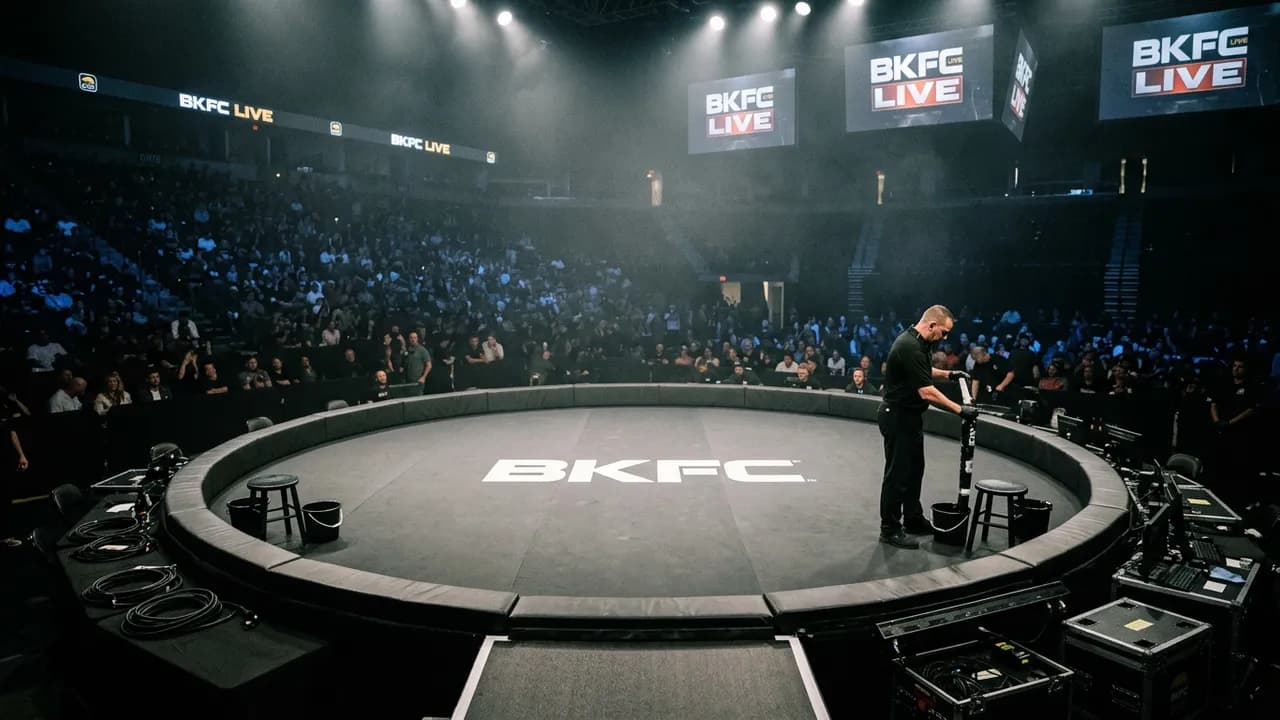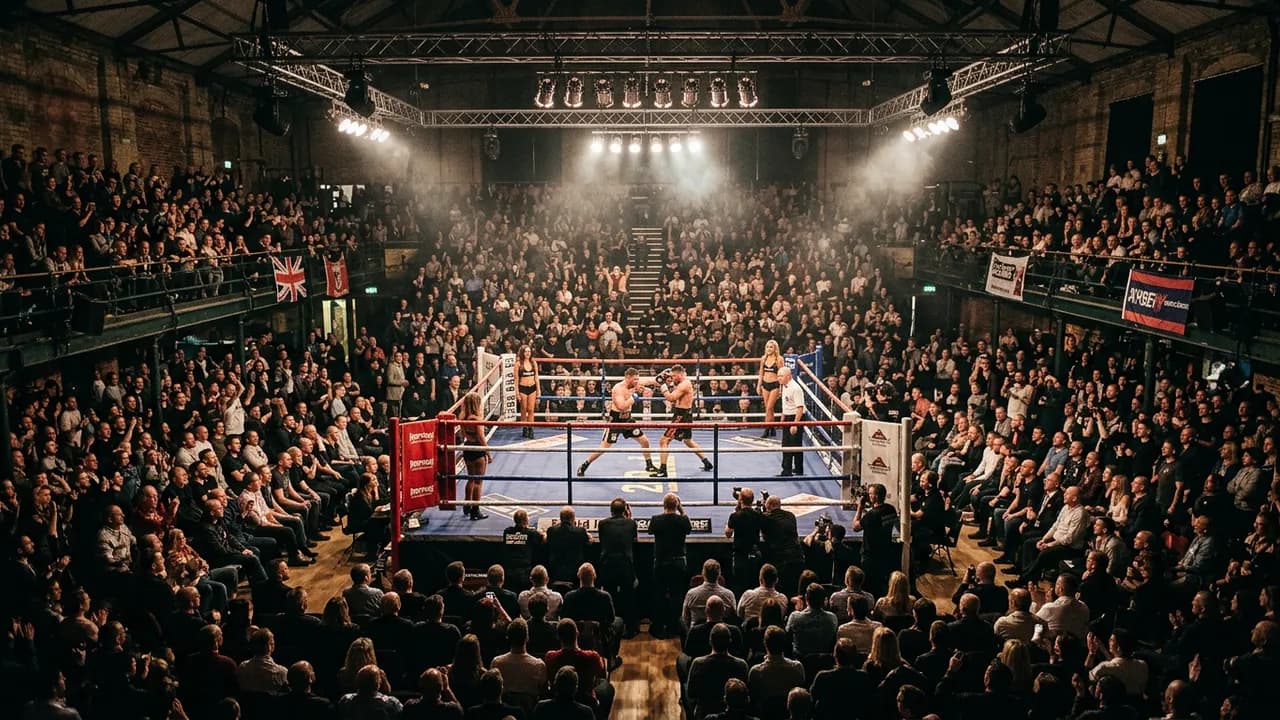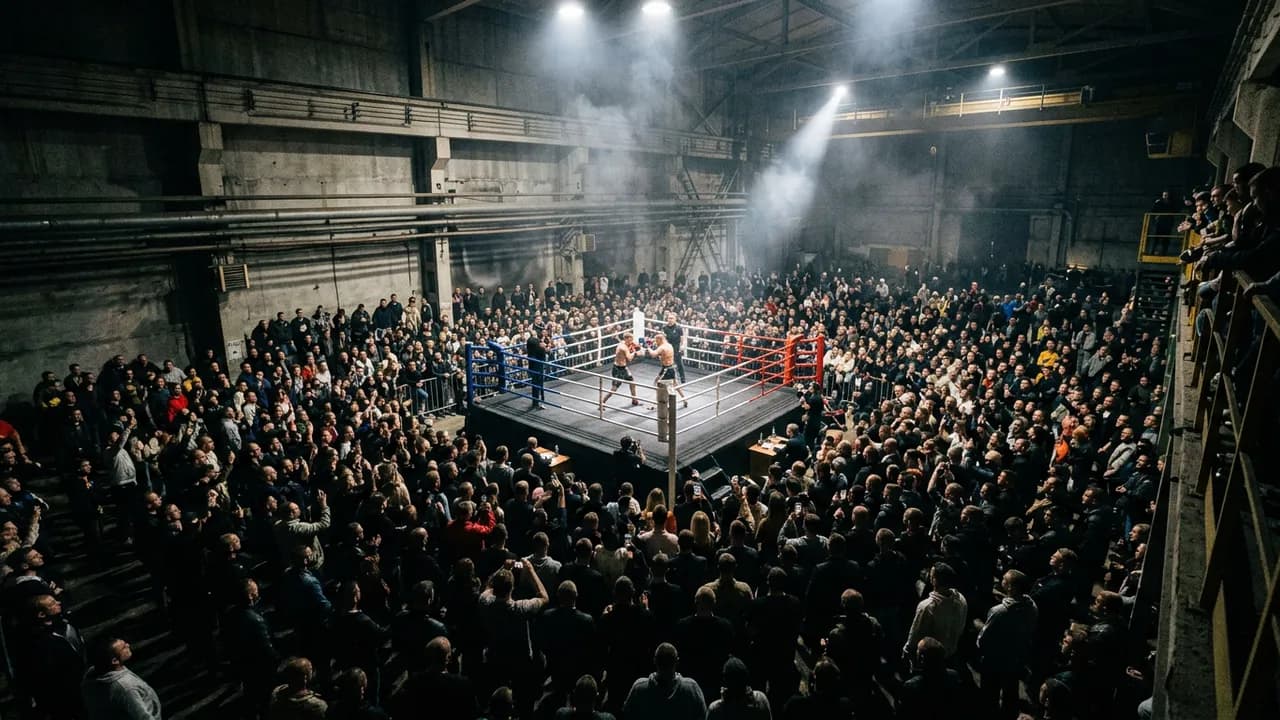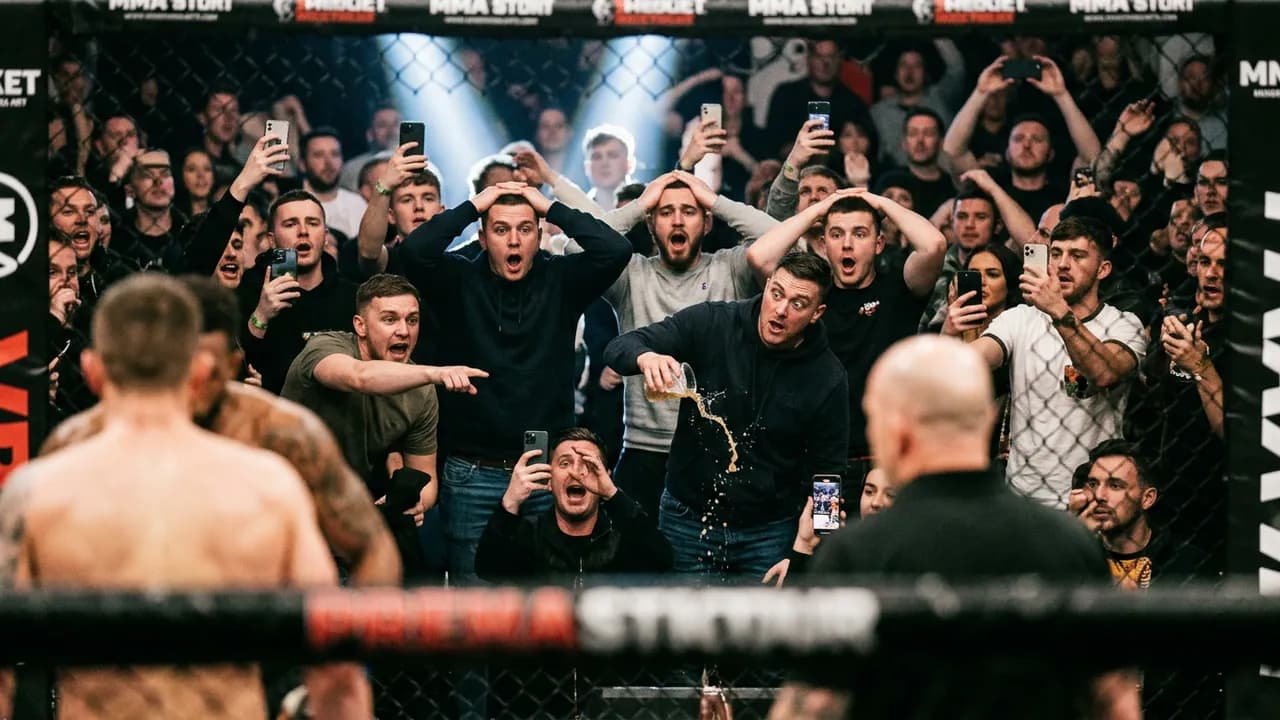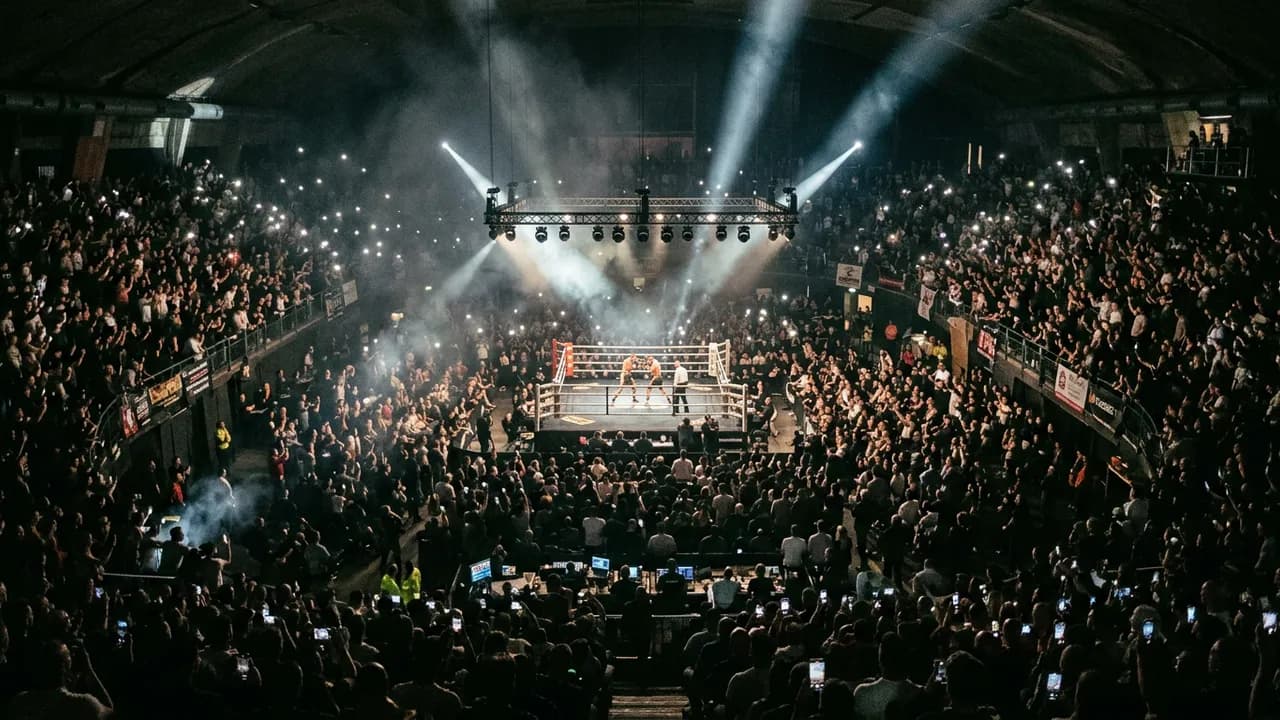
Bare knuckle fighting is the oldest form of organized combat in the Western world, and right now, it is also one of the fastest-growing. For over a century, fighting without gloves was considered a relic, a brutal predecessor to modern boxing that civilized society had rightly abandoned. Then something shifted. In 2018, the first legally sanctioned bare knuckle boxing event in modern American history took place in Wyoming. Today, Bare Knuckle Fighting Championship (BKFC) sells out arenas, features former UFC champions on its roster, and counts Conor McGregor among its owners.
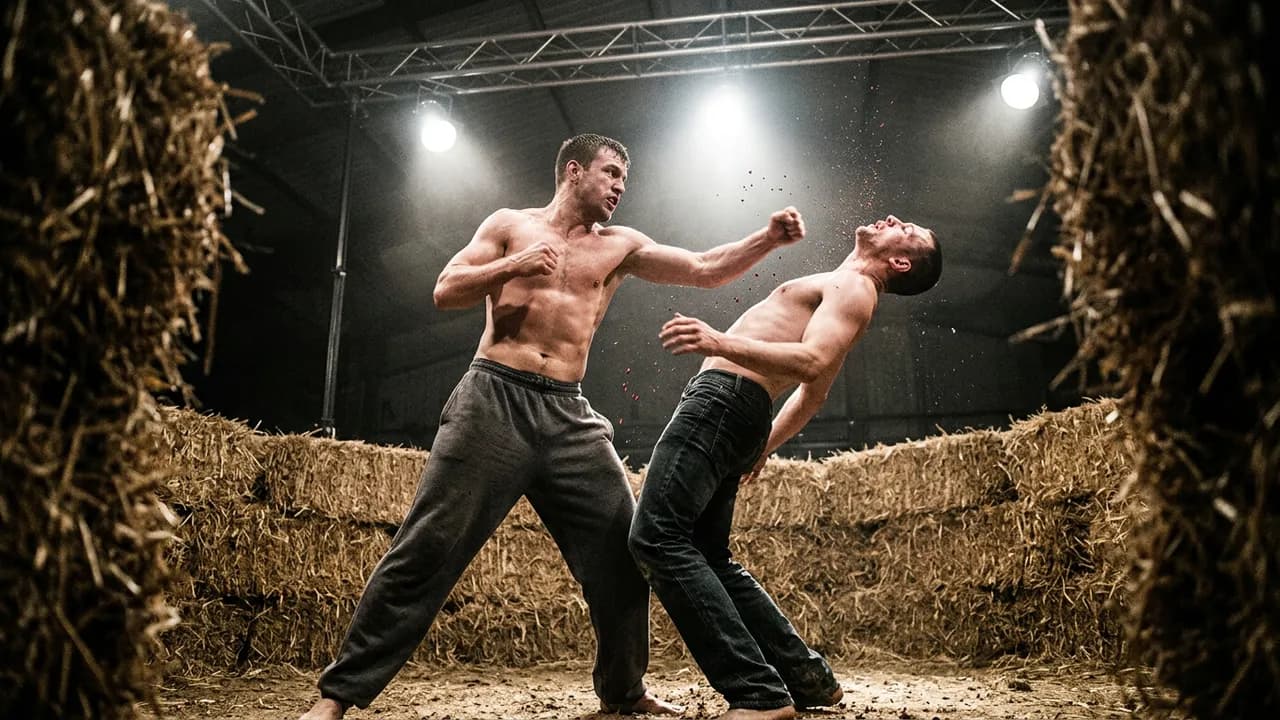
But BKFC is just one piece of a much larger bare knuckle ecosystem. From the hay-bale rings of Top Dog FC in Moscow to the sandbag circles of Mahatch FC in Kyiv, from the patented Trigon ring of BKB to the backyard origins of the entire scene, bare knuckle fighting is a global phenomenon with a rich history and an explosive present.
This guide covers all of it: the 300-year history, the modern organizations, the rules, the fighters, the business, and how you can watch or get involved.
What Is Bare Knuckle Fighting?
Bare knuckle fighting is exactly what it sounds like: two people fighting with their bare hands, without boxing gloves or MMA gloves. The fists may be wrapped with tape or cloth for wrist support, but the knuckles themselves are exposed and make direct contact with the opponent.
Within that basic definition, there is significant variation:
- Bare knuckle boxing follows boxing rules (punches only, no clinching, no takedowns) but without gloves. This is the format used by BKFC and BKB.
- Bare knuckle MMA uses standard mixed martial arts rules (strikes, takedowns, submissions, ground fighting) without gloves. Gamebred Bareknuckle MMA uses this format.
- Street-style bare knuckle has looser rules and may include headbutts, knees, elbows, and other techniques beyond boxing. Top Dog FC and Mahatch FC operate in this space.
The absence of gloves changes the dynamics of fighting in fundamental ways. Fighters punch differently because an unprotected fist hitting a skull can easily break. Fights often end faster because bare fists cause more facial cuts and immediate damage. And paradoxically, research suggests bare knuckle fighting may produce fewer concussions than gloved boxing, because fighters naturally moderate their power on head strikes to protect their own hands.
History of Bare Knuckle Boxing: From 1700s to Today
Bare knuckle boxing is not a new fad. It is the original form of Western boxing, with a documented competitive history stretching back over 300 years.
The Birth of Prizefighting (1700s)
The sport as it is known today originated in England. James Figg claimed the title of Champion of England in 1719, holding it until his retirement in 1730. Figg was not purely a boxer; his competitions included swordsmanship and cudgeling alongside fisticuffs. But he is recognized as the first champion of what would evolve into modern boxing.
The first formal rules were introduced by Jack Broughton in 1743, after one of his opponents died from injuries sustained in a match. The Broughton Rules established basic protections: a round continued until a man went down, and after 30 seconds he had to face his opponent or be declared the loser. Hitting a downed opponent was forbidden, as were grabs and throws below the waist.
The London Prize Ring Era (1838-1889)
The London Prize Ring Rules, published in 1838 and revised in 1853, became the governing framework for bare knuckle boxing for over a century. These rules refined Broughton's foundations:
- A 24-foot square ring bounded by ropes
- A round ended when a fighter went down
- 30 seconds of rest between rounds, after which a fighter had 8 seconds to "come to scratch" (a line in the center of the ring)
- No headbutting, biting, or hitting below the belt
- Grappling, throws, and holding were permitted
Fights under the London Prize Ring Rules were marathons by modern standards. Bouts could last dozens of rounds over several hours. The sport attracted massive crowds and enormous gambling interest, but it operated in legal gray areas throughout its existence.
The Era of Champions
The London Prize Ring era produced legendary fighters whose names still resonate:
- Tom Cribb (Champion 1809-1822) defended his title in epic bouts that drew tens of thousands of spectators
- Tom Sayers vs. John C. Heenan (1860) was the first international championship, with the Englishman Sayers fighting the American Heenan in a bout that lasted 42 rounds over two hours and twenty minutes
- John L. Sullivan became the last major heavyweight champion to fight under bare knuckle rules, defeating Paddy Ryan in 1882 and defending against Jake Kilrain in 1889 in a 75-round fight lasting over two hours in 100-degree Mississippi heat
The Queensberry Rules and the Decline (1867-2018)
The Marquess of Queensberry Rules, published in 1867, introduced padded gloves, three-minute rounds, the ten-count knockout, and weight classes. These rules gradually replaced the London Prize Ring Rules and became the foundation of modern boxing.
John L. Sullivan bridged both eras, fighting with and without gloves. His 1889 defense against Kilrain was the last major championship fought under bare knuckle rules. From that point forward, gloved boxing dominated, and bare knuckle fighting retreated to the margins: illegal prizefights in barns and back rooms, Traveller community fights in the UK and Ireland, and the occasional underground event.
For over a century, bare knuckle boxing existed only in the shadows.
The Modern Revival (2011-Present)
The revival of bare knuckle fighting came from multiple directions simultaneously:
- 2011: Strelka began organizing bare knuckle street fighting events in Russia, broadcasting on YouTube
- 2015: BYB Extreme (now BKB) was founded in South Florida by Dada 5000, growing directly from the backyard fighting scene
- 2018: BKFC held its first event on June 2, 2018, in Cheyenne, Wyoming, the first legally sanctioned bare knuckle event in modern American history. The card included the first sanctioned women's bare knuckle fight in the United States
- 2019-2020: Top Dog FC emerged in Moscow, growing from parking lot events to arena shows with millions of YouTube views
- 2020: Mahatch FC launched in Kyiv, Ukraine, with a distinctive format featuring sandbag rings and a jeans-and-sneakers dress code
- 2023: Gamebred Bareknuckle MMA launched, bringing bare knuckle rules to mixed martial arts
- 2024: Conor McGregor acquired a minority ownership stake in BKFC, and the Association of Boxing Commissions began developing unified bare knuckle fighting rules
- 2025: BKFC set an attendance record of 17,762 at KnuckleMania V in Philadelphia. BKB signed a multi-year broadcast deal with VICE TV. BKFC announced a $25 million World's Baddest Man Tournament
The revival is not just a return of an old sport. Modern bare knuckle fighting is a new combat sports category being built in real time, with its own organizations, champions, rules, and culture.
Modern Bare Knuckle Organizations
The bare knuckle landscape is populated by organizations spanning multiple continents, from fully sanctioned promotions to underground events.
BKFC (Bare Knuckle Fighting Championship)
| Detail | Info |
|---|---|
| Founded | 2018 |
| Headquarters | Philadelphia, Pennsylvania |
| President | David Feldman |
| Ownership | Triller Group; Conor McGregor (minority owner) |
| Events Held | 142+ (through December 2025) |
| Broadcast | BKFC.com, DAZN |
| Status | Fully sanctioned in multiple US states |
BKFC is the world's premier bare knuckle boxing promotion. Founded by former professional boxer David Feldman, the organization is dedicated to reviving bare knuckle boxing within a modern regulatory framework. BKFC events are sanctioned by state athletic commissions, with licensed referees, ringside physicians, and full medical protocols.
The organization has grown explosively since its 2018 debut. Key milestones:
- 142+ events held through December 2025, expanding to Thailand, the UK, and across the United States
- KnuckleMania has become the organization's flagship annual event, with KnuckleMania V at the Wells Fargo Center in Philadelphia drawing 17,762 fans in January 2025
- Revenue doubled year over year since 2018, with a reported 150% increase in 2024 and projections of 200% growth in 2025
- Attendance increased 100% in 2024, with five consecutive sellouts to start 2025
- Social media reach of 250 million+ across platforms
- Global expansion into 60+ countries
BKFC has attracted former UFC and boxing champions to its roster, including former UFC lightweight champion Eddie Alvarez, former WBC super welterweight champion Austin Trout, and former UFC heavyweight champion Andrei Arlovski. Read our complete BKFC Profile for more.
BKB Bare Knuckle Boxing (formerly BYB Extreme)
| Detail | Info |
|---|---|
| Founded | 2015 |
| Headquarters | South Florida |
| Founders | Dhafir "Dada 5000" Harris, Mike Vazquez |
| Broadcast | VICE TV (13 live prime time events per year) |
| Signature | Patented Trigon (three-sided) ring |
| Status | Sanctioned in multiple jurisdictions |
BKB originated from Dada 5000's backyard fighting scene in Miami (BYB stands for "Back Yard Brawl"). The promotion's defining feature is the Trigon, a patented three-sided equilateral triangle ring measuring approximately 16 feet per side. The triangular design is the smallest fighting surface in combat sports, which eliminates dead space, forces constant action, and produces what the organization claims is a 90 percent knockout rate.
In May 2024, BYB acquired UK-based BKB, and in February 2025, the combined entity rebranded as BKB Bare Knuckle Boxing. They then signed a multi-year broadcast deal with VICE TV for 13 live prime-time events per year, starting with BYB 37 Denver Brawl IV in February 2025. Read our complete BKB Profile.
Top Dog Fighting Championship
| Detail | Info |
|---|---|
| Founded | ~2019 |
| Headquarters | Moscow, Russia |
| YouTube | 1.5M+ subscribers |
| Format | Bare knuckle boxing in a hay-bale ring |
| Status | Operates in a regulatory gray area |
Top Dog FC is the first and largest bare knuckle boxing promotion in Eastern Europe. The organization began broadcasting fights from parking lots in early 2020 and has since grown to rent out Moscow sports arenas for events viewed online by millions.
Top Dog's visual identity is instantly recognizable: fights take place in a circular ring made of hay bales, and fighters wear jeans or sweatpants instead of boxing trunks. This intimate, underground aesthetic has been central to the brand's appeal. Despite the informal appearance, Top Dog fighters are highly trained, typically with professional boxing or kickboxing backgrounds.
The promotion has begun crossing over to Western audiences and has had fighters signed by BKFC, including Russian bare knuckle star Ekaterina Makarova. Read our complete Top Dog FC Profile.
Mahatch Fighting Championship
| Detail | Info |
|---|---|
| Founded | ~2020 |
| Headquarters | Kyiv, Ukraine |
| Format | Bare knuckle boxing in a sandbag ring |
| Dress Code | Jeans and sneakers mandatory |
| Status | Operates in a regulatory gray area |
Mahatch FC is a Ukrainian bare knuckle boxing promotion based in Kyiv. The organization features a unique format: fights take place in a ring constructed of sandbags, and competitors are required to wear jeans and sneakers. This distinctive setup creates an atmosphere that is half-sporting event, half-street fight.
Mahatch has attracted notable fighters, including former UFC veteran Artem Lobov and Olympic silver medalist in boxing Denys Berinchyk, who fought each other at the 6th season event at the Palace of Sports in Kyiv. Read our complete Mahatch FC Profile.
Gamebred Bareknuckle MMA
| Detail | Info |
|---|---|
| Founded | 2023 |
| Founder | Jorge Masvidal |
| Format | Bareknuckle MMA (Unified MMA rules, no gloves) |
| Prize Money | $500K per tournament division |
| Status | Sanctioned |
Gamebred Bareknuckle MMA is the world's first bareknuckle MMA promotion, founded by former UFC welterweight title challenger Jorge Masvidal. Unlike bare knuckle boxing promotions, Gamebred uses the full Unified Rules of MMA, including takedowns, submissions, and ground strikes, with the only modification being the removal of gloves.
The promotion has attracted UFC veterans including Anthony Smith, Junior dos Santos, Kevin Lee, and Alan Belcher. In 2025, Masvidal announced dual 16-fighter tournaments at heavyweight and lightweight, each carrying a $500,000 grand prize. Read our complete Gamebred Bareknuckle MMA Profile.
Other Notable Organizations
| Organization | Country | Notable Feature |
|---|---|---|
| Strelka | Russia | Mass street fight tournaments, 2.5M+ YouTube subscribers |
| Valor Bare Knuckle | USA | Growing US-based promotion |
| UBKB | UK | UK bare knuckle events |
| Spartan BK | UK | Licensed hay bale fights |
| Bad to the Bone | UK | Stoke-on-Trent bare knuckle scene (acquired by BKB in 2025) |
Rules of Bare Knuckle Fighting
Bare knuckle fighting is not a free-for-all. Modern organizations operate under detailed rulesets, and the sport is moving toward standardization through the Association of Boxing Commissions (ABC).
BKFC Rules
BKFC has the most codified ruleset in bare knuckle boxing:
- Rounds: 2-minute rounds, with every bout, title or non-title, scheduled for 5 rounds. A drawn title fight can go to an extra round.
- Hand wrapping: Fighters may wrap and tape the wrist, thumb, and mid-hand, but no gauze or tape is allowed within one inch of the knuckles. This is the defining rule: the knuckles must be bare.
- Legal strikes: Punches to the head and body above the belt, similar to boxing.
- Illegal strikes: No headbutts, elbows, knees, kicks, or grappling.
- Scoring: 10-point must system, identical to boxing.
- Stoppages: TKO (referee stoppage), KO, submission (verbal), corner stoppage, or doctor stoppage.
- The "Toe the Line" rule: At the start of each round, fighters begin at a marked line in the center of the ring, close together, rather than in separate corners. This is a deliberate callback to the old London Prize Ring Rules where fighters had to "come to scratch" at a center line.
- Ring: A standard boxing ring, not a cage.
- Medical requirements: Pre-fight physicals, blood work, and ringside physicians are required at all BKFC events.
ABC Unified Bare Knuckle Rules
In 2024, the Association of Boxing Commissions began developing unified bare knuckle fighting rules, with updated rules adopted in August 2025. Key provisions include:
- Bouts shall not exceed six rounds and 18 total minutes of competition
- Promoters may schedule bouts with either two-minute or three-minute rounds
- One minute of rest between non-final rounds
- Hand wraps restricted to a maximum of 15 yards of soft gauze bandage per hand (no more than 2 inches wide) and no more than 10 yards of surgical tape (no more than 1 inch wide)
- Wrapping is limited to the wrist area, keeping knuckles exposed
These unified rules represent a significant step toward standardization and will likely be adopted by state athletic commissions across the country.
Top Dog FC and Mahatch FC Rules
Eastern European organizations tend to use less formal rulesets:
- Top Dog FC: Bare fists (no wrapping), fights in a hay-bale circle, standing strikes only with fights stopped when a fighter goes down or cannot continue. The format emphasizes stand-up striking with minimal grappling.
- Mahatch FC: Bare fists in a sandbag ring, jeans and sneakers mandatory. Rules are simpler than BKFC, with a focus on raw striking exchanges.
Top Bare Knuckle Fighters
The bare knuckle scene has produced its own stars while also attracting established fighters from boxing and MMA.
Current BKFC Champions (as of early 2026)
| Weight Class | Champion |
|---|---|
| Heavyweight | Andrei Arlovski |
| Cruiserweight | Alessio Sakara |
| Light Heavyweight | Lorenzo "The Juggernaut" Hunt |
| Middleweight | David Mundell |
| Welterweight | Austin Trout |
| Featherweight | Kai Stewart |
| Women's Strawweight | Britain Hart |
Notable Bare Knuckle Fighters
Eddie Alvarez -- Former UFC and Bellator lightweight champion. Ranked as the #1 lightweight contender in BKFC. His signing represented one of the biggest crossover moments in bare knuckle history, bringing a true elite-level MMA champion to the sport.
Austin Trout -- Former WBC super welterweight boxing champion. Trout brought legitimate world-class boxing credentials to BKFC, winning the welterweight title and demonstrating that elite boxing skill translates to bare knuckle.
Britain Hart -- One of the pioneers of women's bare knuckle fighting. Hart competed in BKFC's first-ever sanctioned women's bare knuckle bout in 2018 and has become the face of women's bare knuckle boxing as the BKFC Women's Strawweight Champion.
Mike Perry -- Former UFC welterweight known for his brawling style. Perry's transition to BKFC was a natural fit for his aggressive fighting approach, and he became one of the promotion's biggest draws.
Paige VanZant -- Former UFC fighter who crossed over to BKFC, bringing mainstream attention to the promotion. While her bare knuckle results were mixed, her involvement significantly raised BKFC's media profile.
Christine Ferea -- One of the most accomplished women's bare knuckle fighters, known for her aggressive style and highlight-reel knockouts.
Artem Lobov -- Former UFC fighter who became one of bare knuckle fighting's early crossover stars, competing in both BKFC and Mahatch FC. His 2019 BKFC fight against Paulie Malignaggi was a landmark event for the sport.
Bobby Gunn -- A legendary figure in bare knuckle boxing history, Gunn competed in unsanctioned bare knuckle fights for decades before the modern revival. He is often called the last of the old-school bare knuckle champions and serves as a bridge between the sport's underground past and its sanctioned present.
Bare Knuckle vs. Gloved Boxing
The differences between bare knuckle and gloved boxing go far deeper than whether fighters wear gloves. The two sports produce fundamentally different fighting styles, injury patterns, and spectator experiences.
Fighting Style Differences
| Aspect | Bare Knuckle Boxing | Gloved Boxing |
|---|---|---|
| Punching technique | Straighter punches, targeting softer areas | Hooks and uppercuts more common, head targeting frequent |
| Power management | Fighters moderate power on head shots to protect hands | Full-power head shots enabled by glove protection |
| Pace | Often faster finishes, fewer rounds | Longer fights, more rounds |
| Defense | More emphasis on footwork and evasion | More emphasis on guard and blocking |
| Clinching | Discouraged; "toe the line" rule promotes engagement | More frequent, used as a defensive tactic |
| Range | Fighters tend to stay at slightly longer range | More inside fighting due to glove protection |
| Body targeting | More body punches (safer for the fist) | Head hunting more prevalent |
Injury Comparison
Scientific research has produced surprising findings about the relative safety of bare knuckle versus gloved fighting:
Cuts and facial injuries: Bare knuckle fighting produces significantly more facial lacerations. Research found that 34.8% of bare knuckle combatants sustained lacerations, requiring an average of 6.2 sutures per laceration. Gloved boxing produces fewer facial cuts because the padded surface distributes impact force.
Hand injuries: Counterintuitively, hand fracture rates in bare knuckle boxing (3.2%) are lower than in gloved boxing (4.7%) and MMA (3.8%). This may be because bare knuckle fighters moderate their punching power and technique to protect their unpadded hands.
Concussions: This is the most significant finding. The concussion rate in bare knuckle boxing was found to be approximately 1.5%, compared to an estimated 6-12% in gloved boxing and 14.7% in MMA. The reason is straightforward: gloves protect the puncher's hands, which enables harder and more frequent punches to the head. Without gloves, fighters naturally throw fewer full-power head shots, resulting in less cumulative brain trauma.
The paradox: Bare knuckle fighting looks more violent (more blood, more facial damage) but may actually be safer for long-term brain health. Gloved boxing looks cleaner but may produce more dangerous invisible injuries.
The Spectator Experience
From a viewer's perspective, bare knuckle fights tend to be shorter, more intense, and more visually dramatic than gloved bouts. The blood and visible damage create a visceral spectacle. The shorter rounds and faster finishes mean less downtime. The "toe the line" rule at the start of each round creates immediate action.
How to Watch Bare Knuckle Fights
BKFC
YouTube Channel: BKFC
BKFC events are available through multiple platforms:
- BKFC.com: The promotion's own streaming platform carries all events
- DAZN: Some events are available through the DAZN sports streaming service
- YouTube: BKFC posts highlights, free prelims, and promotional content on their official channel
- In-person: BKFC events are held in arenas across the United States and internationally. Tickets are available through standard ticketing platforms. KnuckleMania, the annual flagship event, is the biggest live event on the bare knuckle calendar
BKB Bare Knuckle Boxing
- VICE TV: BKB's multi-year broadcast deal makes them the most accessible bare knuckle promotion on traditional television, with 13 live prime-time events per year
- YouTube: Search "BKB Bare Knuckle Boxing" for their official channel
- Must-Watch: BKB at the O2 Arena -- A historic bare knuckle event at one of London's most iconic venues
- FITE TV: Some events have been available through the FITE streaming platform
Top Dog FC
- YouTube: Top Dog Fighting (6M+ subscribers) features regular content. Some events are streamed live, while others are uploaded as edited highlights
- Must-Watch: Top Dog Best Knockouts -- The most devastating bare knuckle finishes from Russia's biggest promotion
- Top Dog FC website: The promotion's own website (topdogfc.tv) offers additional content
Mahatch FC
- YouTube: Mahatch Fight Club distributes content primarily through YouTube
Gamebred Bareknuckle MMA
- YouTube: Gamebred Bareknuckle MMA -- Highlights and promotional content
- PPV: Events are available through various pay-per-view platforms
For a complete streaming and viewing guide for every organization, see our How to Watch Bare Knuckle Fighting Online hub.
The Business of Bare Knuckle
Bare knuckle fighting has evolved from a fringe curiosity into a genuine combat sports business. Several factors are driving this transformation.
Conor McGregor's BKFC Investment
In April 2024, at KnuckleMania IV, Conor McGregor announced that he and his company McGregor Sports and Entertainment had acquired a minority ownership stake in BKFC. The exact percentage of ownership was not disclosed, but the impact was immediate: McGregor brought mainstream media attention, a massive social media following, and combat sports credibility to bare knuckle boxing.
McGregor's involvement deepened in 2025. At the inaugural BKFC Champions Summit in Hollywood, Florida, McGregor and BKFC President David Feldman announced:
- The $25 million World's Baddest Man Tournament, the largest prize in bare knuckle history
- The acquisition of majority shares in a Lethwei promotion in Asia, expanding BKFC's global footprint
- Plans for fighter equity, giving fighters ownership stakes in the promotion
Additional investors followed McGregor's lead. In January 2025, Derik Fay of 3F Management announced his investment in BKFC, joining McGregor as an owner.
Revenue and Growth
BKFC's financial trajectory has been steep:
- Revenue has doubled year over year since the promotion's founding in 2018
- 2024 saw a reported 150% revenue increase, with projections of 200% growth in 2025
- Overall attendance increased 100% in 2024
- The promotion started 2025 with five consecutive sellouts
- BKFC's social media reach exceeds 250 million across platforms
- The promotion has expanded into 60+ countries
Media Deals
The bare knuckle space has attracted increasing media interest:
- BKFC distributes through its own platform, DAZN, and is reportedly pursuing a larger broadcast deal
- BKB signed a multi-year deal with VICE TV for 13 live prime-time events per year
- Top Dog FC has built a YouTube audience rivaling many sanctioned combat sports promotions
The Fighter Pay Question
Fighter compensation in bare knuckle boxing varies widely:
- BKFC pays disclosed purses, with top fighters earning six-figure paydays. The $25 million World's Baddest Man Tournament promises to bring bare knuckle purses to levels competitive with mid-tier boxing and MMA events
- BKB pays fighters, though exact figures are less publicly available
- Top Dog FC and Mahatch FC compensate fighters, but the specifics are not well-documented
- McGregor's pledge to introduce fighter equity at BKFC could be transformative, potentially giving bare knuckle fighters ownership stakes that boxers and MMA fighters in other promotions do not have
The Sanctioning Landscape
The business legitimacy of bare knuckle fighting depends on regulation. Currently:
- BKFC is sanctioned by athletic commissions in multiple US states, as well as in the UK and Thailand
- The Association of Boxing Commissions adopted unified bare knuckle fighting rules in 2025, providing a regulatory framework for states that want to sanction the sport
- BKB operates in sanctioned jurisdictions in the US, UK, and internationally
- Eastern European organizations like Top Dog FC and Mahatch FC operate in less clearly regulated environments
The trend is toward greater regulation and sanctioning, which paradoxically helps the business by opening doors to more venues, broadcast partners, and mainstream sponsors.
How to Become a Bare Knuckle Fighter
If you want to compete in bare knuckle fighting, here is a practical guide to getting started.
Step 1: Build a Combat Sports Foundation
Bare knuckle fighting is not an entry-level combat sport. Before you consider competing bare knuckle, you should have significant experience in at least one of the following:
- Boxing: The most directly applicable skill. Good boxing technique, footwork, and head movement are essential in bare knuckle.
- Kickboxing / Muay Thai: These striking arts transfer well, particularly for body work and defensive skills.
- MMA: If you plan to compete in bareknuckle MMA (Gamebred format), you need a full MMA skillset including grappling and ground work.
Most BKFC fighters have professional boxing or MMA records before transitioning to bare knuckle. While some organizations will accept less experienced fighters, competing bare knuckle without a solid foundation in striking is extremely dangerous.
Step 2: Adapt Your Training
Bare knuckle fighting requires specific adaptations to your training:
- Hand conditioning: Your hands need to be conditioned to absorb the impact of hitting without padded gloves. Bag work with lighter or no gloves (gradually introduced) helps build hand toughness.
- Modified punching technique: Bare knuckle fighters tend to favor straight punches over wide hooks, as a hook that lands on the skull can easily fracture the hand. Body shots become a higher percentage of your attack.
- Defensive adaptation: Without the large blocking surface of boxing gloves, defense relies more on footwork, head movement, and parrying.
- Wrapping technique: Learn how to wrap your hands and wrists properly within the rules of the organization you plan to compete in.
Step 3: Apply to an Organization
- BKFC: Holds open tryouts and scouts fighters from boxing and MMA. Having a professional record significantly helps your chances. Contact BKFC through their website.
- BKB: Accepts fighter applications. Their growing event schedule means increasing demand for fighters.
- Gamebred Bareknuckle MMA: Recruits from the MMA world. Having a professional MMA record is essentially required.
- Regional promotions: Smaller bare knuckle promotions may accept less experienced fighters and can serve as a stepping stone to larger organizations.
Step 4: Prepare for the Reality
Bare knuckle fighting will cut you. Your face will bleed. Your hands will hurt. The experience is radically different from sparring with gloves. If possible, spar bare knuckle (with a trusted, controlled partner and appropriate safety measures) before your first competitive bout to understand what you are getting into.
For a detailed training guide, read Essential Gear for Bare Knuckle Fighting and How to Wrap Your Hands for Bare Knuckle Fighting.
Frequently Asked Questions
Is bare knuckle fighting legal?
In the United States, bare knuckle boxing is legal and sanctioned by athletic commissions in multiple states. BKFC has been the driving force behind this legalization, working with state commissions to establish safety standards and regulatory frameworks. The Association of Boxing Commissions adopted unified bare knuckle fighting rules in 2025. However, unsanctioned bare knuckle events remain illegal in most jurisdictions.
Is bare knuckle fighting more dangerous than boxing?
It is complicated. Bare knuckle fighting produces more visible injuries (cuts, facial lacerations, bruising) but research suggests it may actually produce fewer concussions. The concussion rate in bare knuckle boxing has been measured at approximately 1.5%, compared to 6-12% in gloved boxing. Gloves protect the puncher's hands, enabling harder and more frequent head shots, which may cause more cumulative brain damage over time. Bare knuckle is bloodier but potentially safer for the brain.
How much do BKFC fighters make?
Fighter pay at BKFC varies widely based on experience and drawing power. Entry-level fighters may earn low four-figure purses, while top fighters and former champions from other sports can earn six figures per fight. The announced $25 million World's Baddest Man Tournament would be the largest prize pool in bare knuckle history, but it has never been contested and has paid nobody: see the tournament status page.
Who owns BKFC?
A group rather than one person, and the split has moved. David Feldman founded the promotion and remains president; Conor McGregor holds a minority stake acquired in April 2024. Triller's position has since changed, and the company has told the SEC it no longer consolidates BKFC at all. Full answer: who owns BKFC, and the filings themselves in how Triller lost control of BKFC.
What is the difference between BKFC and BKB?
BKFC and BKB are separate bare knuckle boxing promotions. BKFC is larger, based in Philadelphia, and sanctioned by multiple US state athletic commissions. BKB (formerly BYB Extreme) was founded by Dada 5000 in South Florida, is known for its patented Trigon (triangular) ring, and has a multi-year VICE TV broadcast deal. The two promotions compete for fighters and audience but have distinct identities and formats. Read our full BKFC vs. BKB Comparison.
What is KnuckleMania?
KnuckleMania is BKFC's annual flagship event, equivalent to the UFC's marquee pay-per-view cards. KnuckleMania events feature the promotion's biggest fights and stars. KnuckleMania V in January 2025 set a local combat sports attendance record at the Wells Fargo Center in Philadelphia with 17,762 fans.
Can boxers transition to bare knuckle?
Yes, and many have. Former boxing world champion Austin Trout won the BKFC welterweight title. Former professional boxer David Feldman (BKFC's president) competed in bare knuckle himself. Boxing skills translate well to bare knuckle, though fighters must adapt their technique (more straight punches, less reliance on blocking with the gloves, modified hand conditioning).
What is the "toe the line" rule?
In BKFC, fighters begin each round at a marked line in the center of the ring, standing close together and face to face. This is a deliberate callback to the historical London Prize Ring Rules, where fighters had to "come to scratch" (a center line) at the start of each round. The rule creates immediate action and eliminates the slow feeling-out process that often characterizes the opening seconds of gloved boxing rounds.
How is bare knuckle fighting different from MMA?
Bare knuckle boxing is a striking-only sport: punches only, no kicks, knees, elbows, takedowns, or ground fighting. It is closer to boxing than to MMA, with the key difference being the absence of gloves. Bareknuckle MMA (as promoted by Gamebred) is a separate format that uses full MMA rules without gloves.
Where did bare knuckle fighting originate?
Organized bare knuckle boxing originated in England in the early 1700s. James Figg is recognized as the first Champion of England in 1719. The sport was formalized through the Broughton Rules (1743) and the London Prize Ring Rules (1838, revised 1853), which governed bare knuckle boxing for over a century before the Marquess of Queensberry Rules introduced gloves in 1867.
This guide is updated regularly as the bare knuckle fighting landscape evolves. Last updated: March 2026.
For more on related topics, explore our companion guides: