Oakland is not a city that apologizes for being rough. Situated across the bay from San Francisco's tech wealth and progressive polish, Oakland has always existed as the harder, more honest sibling -- a working-class city with a deep tradition of racial diversity, political radicalism, and the kind of street-level toughness that comes from generations of economic struggle. It is also home to one of the oldest continuously operating underground fight events in the United States.
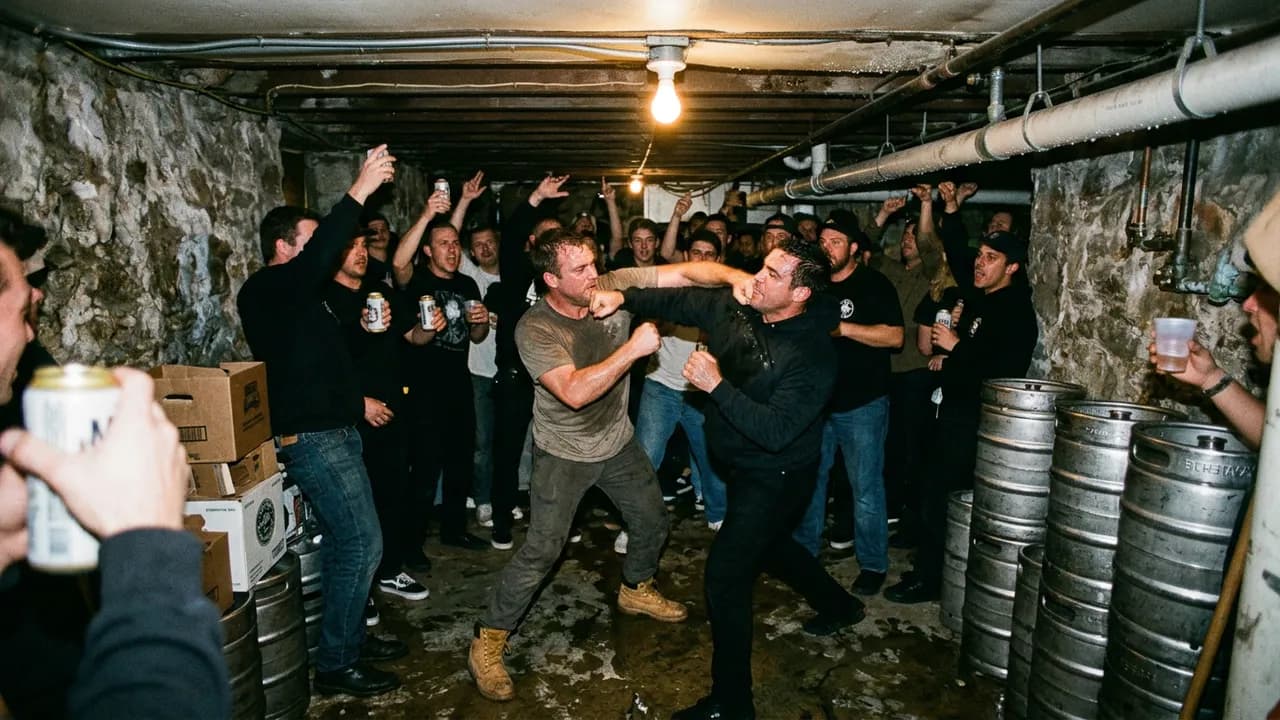
The East Bay Rats Fight Night has been running since 1996. That makes it older than the UFC's mainstream breakthrough, older than Kimbo Slice's first viral video, older than YouTube itself. While the rest of the world was discovering underground fighting through internet clips in the 2000s, the East Bay Rats Motorcycle Club had already been staging fights at their clubhouse for years. The longevity alone makes it exceptional. The culture surrounding it makes it unique.
History
The East Bay Rats Motorcycle Club was founded in 1994 by Trevor Latham in Oakland, California. Unlike many motorcycle clubs, the East Bay Rats were built on principles of racial inclusivity and community engagement that set them apart from the overwhelmingly white, often racially exclusionary world of American biker culture. The club accepted members of all races and backgrounds from the beginning -- a deliberate choice that reflected Oakland's identity as one of the most racially diverse cities in the country.
Fight Night began in 1996, two years after the club's founding. The initial concept was straightforward: set up a ring at the clubhouse and let people fight. The early events featured jiu-jitsu and submission wrestling alongside boxing, reflecting the broader combat sports landscape of the mid-1990s when Brazilian jiu-jitsu was just beginning to penetrate American martial arts culture through the early UFC events.
Over time, Fight Night evolved. The format settled into boxing with gloves as the primary discipline, though the events retained the raw, unpolished energy of their origins. The ring at the clubhouse became a fixture -- not a temporary setup for special occasions, but a permanent installation that signaled the centrality of fighting to the club's identity and community role.
What makes the East Bay Rats Fight Night historically significant is its persistence. Underground fight events come and go. Promotions launch with ambition and fold within months. The East Bay Rats have been doing this for nearly three decades, operating outside the glare of social media, without YouTube channels or Instagram campaigns, sustaining their events through local community support and the magnetic pull of authentic competition.
Organizations
East Bay Rats Motorcycle Club
The East Bay Rats are not a fight promotion in the conventional sense. They are a motorcycle club that happens to host fights. This distinction matters because it shapes everything about how Fight Night operates -- the atmosphere, the audience, the fighters, and the relationship between the events and the surrounding community.
The club's slogan, "Support Consensual Bloodshed," captures the philosophy succinctly. Fighting at the East Bay Rats is voluntary, participatory, and community-oriented. There is no prize money. There are no rankings. There is no path to a professional contract. What there is -- and what has kept people coming back for decades -- is the opportunity to test yourself in a real fight, surrounded by a community that respects the act of stepping into the ring regardless of outcome.
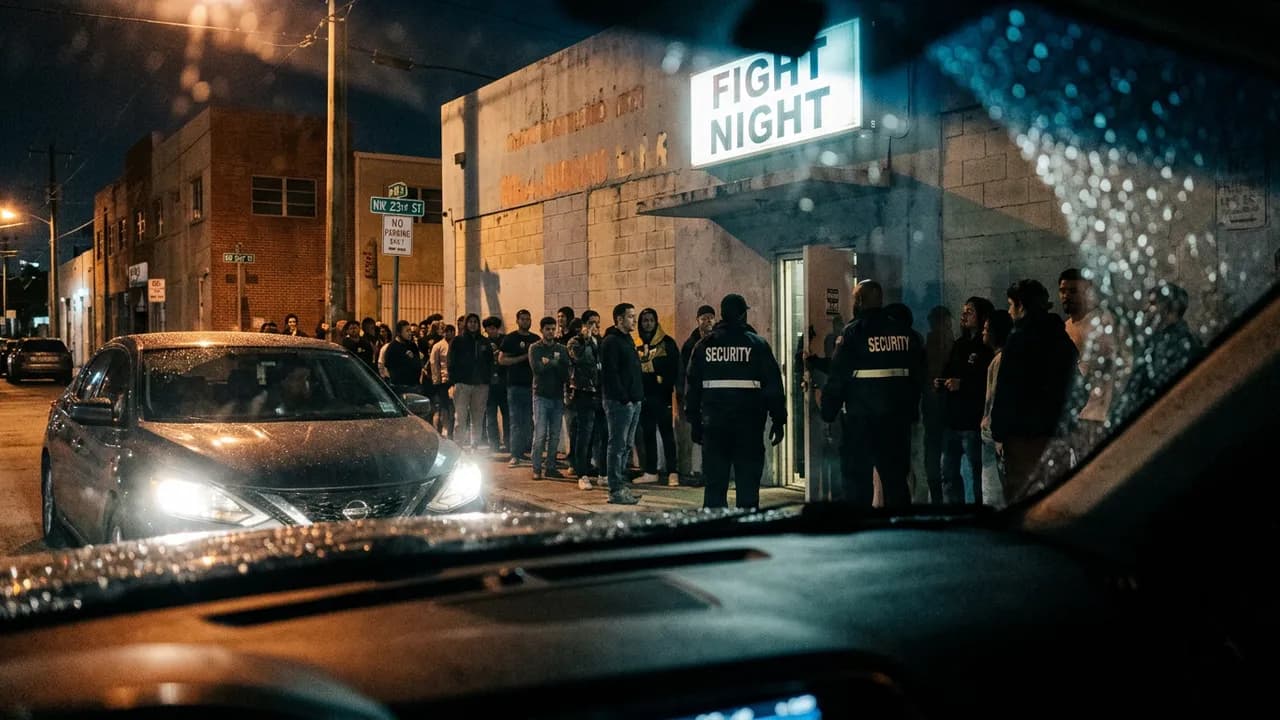
Fight Night operates exclusively as an in-person event. There is no livestream, no pay-per-view, no YouTube archive. This deliberate absence from digital platforms is part of what makes the East Bay Rats an anomaly in the modern underground fighting landscape. While virtually every other organization on this site has built its audience through online content, the East Bay Rats have remained stubbornly analog. You have to be there to see it.
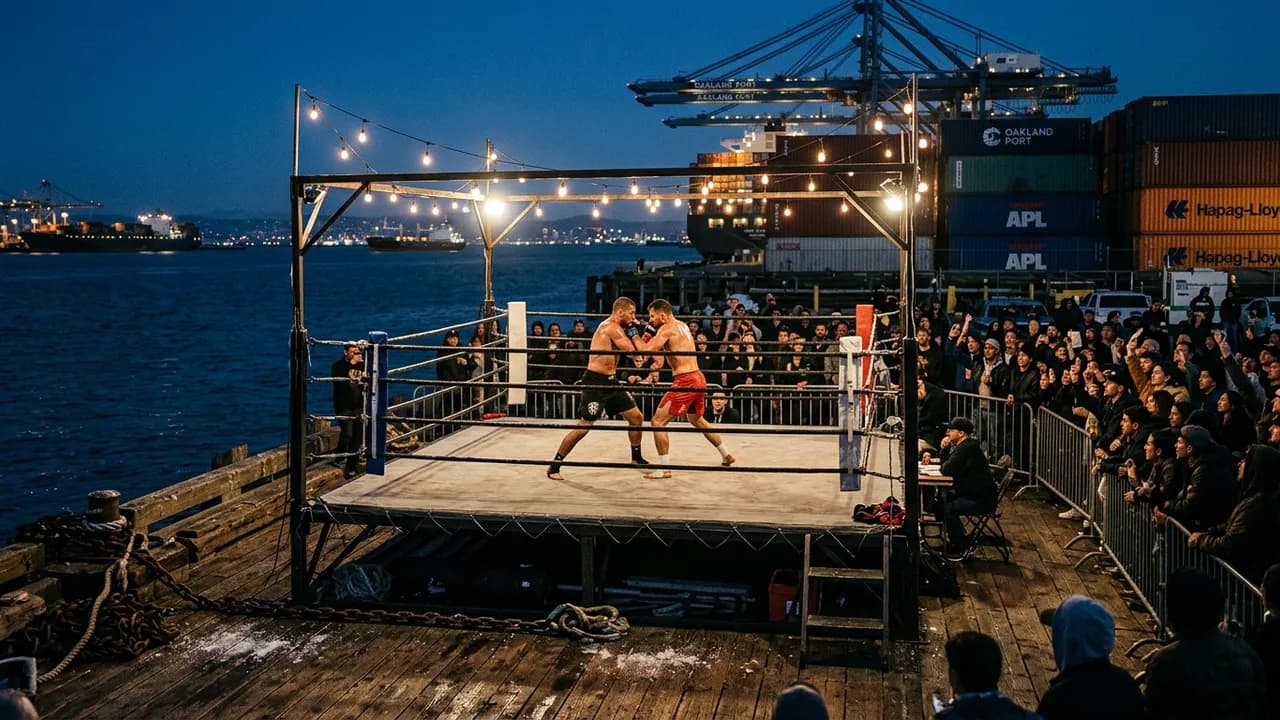
The fights themselves are boxing matches held in the clubhouse ring. Fighters wear gloves. There is a referee or at least a designated person managing the action. The level of competition varies enormously -- some fighters are trained boxers looking for an informal bout, others are enthusiastic amateurs stepping in for the first time. The common denominator is willingness.
Oakland's Boxing Tradition
The East Bay Rats do not operate in a fighting vacuum. Oakland has a boxing tradition that stretches back generations. The city has produced professional fighters, sustained neighborhood boxing gyms, and maintained a culture in which the ability to fight is respected as a practical skill rather than merely a sporting pursuit.
02 / Up next / The Culture
The Kings Boxing Gym, various Police Athletic League programs, and community boxing initiatives have provided structured training for Oakland youth for decades. These programs serve a dual purpose -- developing fighters and providing an alternative to street violence. The fighters who step into the East Bay Rats ring often emerge from this ecosystem, carrying skills honed in Oakland's gyms into the motorcycle club's rougher environment.
The Culture
What distinguishes the East Bay Rats Fight Night from other underground fighting events is the culture that surrounds it. The motorcycle club provides a social infrastructure that gives the fights meaning beyond the competition itself. Fight Night is not just an event -- it is a community gathering, a ritual, and a statement of identity.
The inclusive nature of the club creates a fighting environment that is unusually diverse by the standards of American underground fighting. Fighters of different races, backgrounds, and skill levels compete side by side. The crowd reflects Oakland's demographics -- mixed, working-class, unpretentious. The atmosphere is more block party than fight card, with the boxing ring as the centerpiece of a broader social event.
This culture has attracted attention beyond the fighting world. NPR featured the East Bay Rats in coverage connected to the book "Bullies," which explored the club and its fight nights. The media interest reflects the novelty of a motorcycle club that breaks the mold -- racially inclusive, community-oriented, and sustained over decades by genuine grassroots support rather than outside investment or internet fame.
The club's relationship with Oakland is symbiotic. The city provides the cultural raw material -- the toughness, the diversity, the working-class identity -- and the club channels it into something constructive. Fight Night is not an escape from Oakland's reality. It is an expression of it, organized and contained in a way that affirms rather than exploits the city's character.
Notable Fighters
The East Bay Rats do not maintain public fighter records or rankings. The anonymity is part of the appeal. Fighters step into the ring, compete, and return to their lives without the infrastructure of profiles, social media followings, or career statistics that characterize other underground organizations.
Trevor Latham, the club's founder, established the fight culture that has persisted for decades. His vision of a racially inclusive motorcycle club with fighting at its center was unconventional in the 1990s and remains distinctive today.
The fighters themselves are drawn from Oakland's neighborhoods -- construction workers, bartenders, mechanics, students, and anyone else willing to lace up gloves and step through the ropes. Some are trained. Some are not. The East Bay Rats do not discriminate on the basis of skill, only on the basis of willingness to participate.
How to Get Involved
The East Bay Rats Fight Night is accessible primarily through the club's local network. There is no website with a fighter application form, no online sign-up process, and no social media campaign advertising upcoming events. Information about Fight Night circulates through word of mouth, through the club's social connections, and through Oakland's combat sports community.
For those interested in attending or fighting, the most direct path is to connect with the East Bay Rats Motorcycle Club through their Oakland presence. The club is not secretive about its existence -- it has a physical clubhouse and a public identity -- but it does not actively recruit fighters or spectators through digital channels.
For fighters looking for structured training in Oakland, the city offers a range of boxing gyms and MMA facilities. These gyms serve as the informal feeder system for Fight Night, producing the trained fighters who elevate the level of competition at the club's events.
Those who want to experience West Coast underground fighting through more accessible channels may also look to Backyard Squabbles in Los Angeles or Streetbeefs West Coast, which maintain active social media presences and more open recruitment processes.
Related Cities
- Los Angeles -- Backyard Squabbles and the broader Southern California underground fighting culture
- Miami -- Where viral backyard fighting began with Kimbo Slice
- Harrisonburg -- Streetbeefs' birthplace, operating with a similar community-oriented philosophy
- San Francisco / Bay Area -- The broader Bay Area context in which Oakland's fight scene exists