The legality of bare knuckle fighting depends entirely on where you are, how the event is organized, and whether it operates under the oversight of an athletic commission. The short answer is: sanctioned bare knuckle fighting is legal in a growing number of jurisdictions, while unsanctioned bare knuckle fighting remains illegal in most places.
This FAQ breaks down the legal status of bare knuckle fighting across the United States and internationally.
Is bare knuckle fighting legal in the United States?
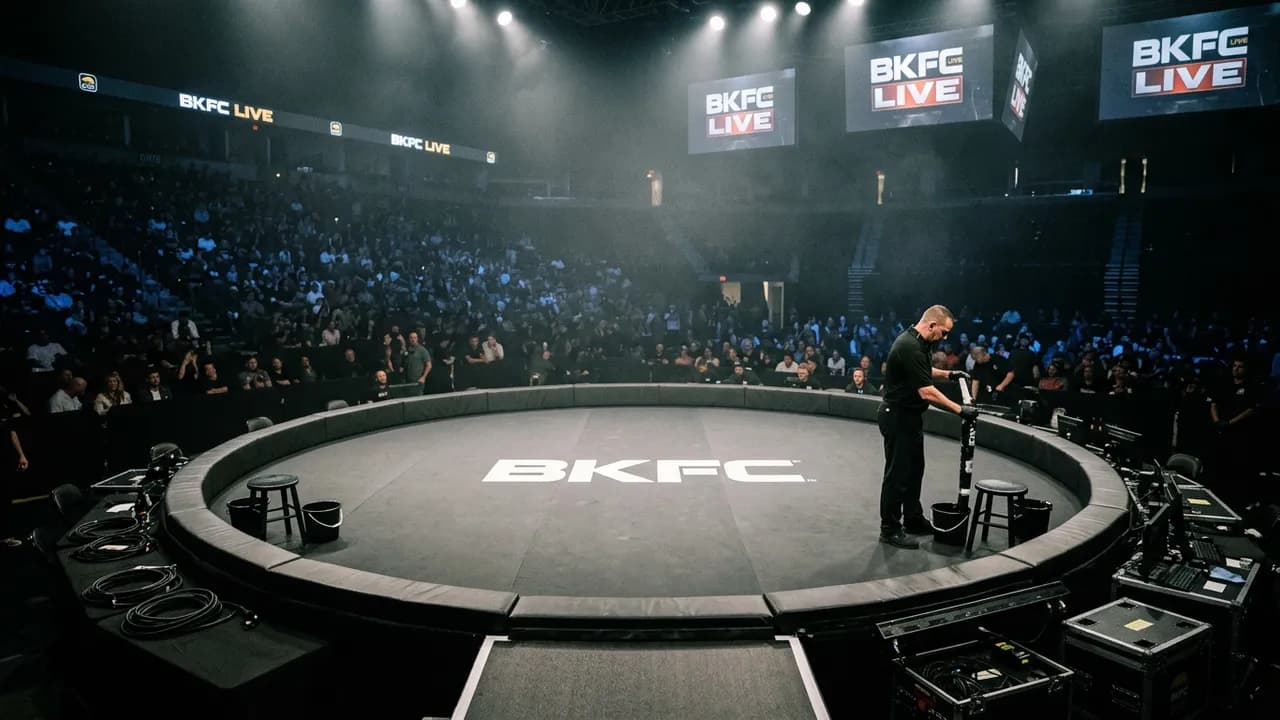
Yes -- in states where it has been sanctioned by the state athletic commission. BKFC held the first legally sanctioned bare knuckle boxing event in the United States since 1889 on June 2, 2018, in Cheyenne, Wyoming. Since then, multiple state athletic commissions have sanctioned bare knuckle events.
States where bare knuckle fighting has been sanctioned include Wyoming, Mississippi, Florida, and others that have approved BKFC or other promotions to hold events under commission oversight. The number of states sanctioning bare knuckle fighting continues to grow.
In states without specific bare knuckle sanctioning, the activity falls into a legal gray area or is explicitly prohibited under existing combat sports regulations.
Was bare knuckle fighting always illegal?
No. Bare knuckle fighting was the dominant form of professional boxing for centuries. The history of bare knuckle boxing stretches back to the first documented English prizefight in 1681. It became illegal in England following the landmark 1882 court ruling R v. Coney, which held that a bare knuckle fight constituted assault regardless of the participants' consent. In the United States, the last bare knuckle heavyweight championship -- Sullivan vs. Kilrain -- was fought in 1889, and bare knuckle boxing largely disappeared from the mainstream after the adoption of the Marquess of Queensberry Rules.
The 129-year gap between Sullivan vs. Kilrain and BKFC's first event in 2018 represents the period during which bare knuckle fighting was either illegal or unsanctioned throughout the English-speaking world.
How did BKFC get bare knuckle fighting legalized?
BKFC founder David Feldman worked with the Wyoming Combative Sports Commission to secure approval for the first sanctioned bare knuckle event. Wyoming was chosen because its commission was relatively small, open to innovation, and willing to work with BKFC to develop safety protocols specific to bare knuckle fighting.
The Wyoming approval established a precedent. Once one state demonstrated that bare knuckle events could be conducted safely under commission oversight, other states followed. Each new state sanctioning required BKFC to work with the local athletic commission to meet specific safety requirements, including pre-fight medical exams, ringside physicians, ambulance services, and commission-approved rules.
What safety requirements exist for sanctioned bare knuckle fighting?
Sanctioned bare knuckle events must meet the same general safety standards as other commission-regulated combat sports:
- Pre-fight medical examinations for all fighters
- Ringside physician present during all bouts
- Ambulance and emergency medical services on standby
- Drug testing as required by the commission
- Licensed referees and judges
- Commission-approved rules governing the format, round structure, and prohibited techniques
- Hand wrapping below the knuckles (BKFC permits wrapping of the wrist and thumb but not the knuckles)
These requirements distinguish sanctioned bare knuckle fighting from underground or unsanctioned fighting, which operates without any of these safeguards.
Is unsanctioned bare knuckle fighting legal?
In most jurisdictions, no. Unsanctioned bare knuckle fighting -- fighting without athletic commission oversight -- is generally treated the same as any other unsanctioned fighting: it may result in criminal charges for assault, battery, disorderly conduct, or operating an unlicensed sporting event.
People often point to mutual combat laws in Washington State and Texas as the exception, but no state actually has one. Texas has a consent defense that fails once a fight threatens or causes serious bodily injury, and Washington's reputation comes from a Seattle city ordinance rather than state law. Neither covers an organized event with spectators or purses.
Organizations like Streetbeefs and The Scrapyard operate in legal gray areas by not charging admission, not paying fighters, and conducting events on private property. These factors reduce the likelihood of enforcement but do not guarantee legal protection.
Is bare knuckle fighting legal in the United Kingdom?
Sanctioned bare knuckle boxing is legal in the United Kingdom when conducted under the oversight of a recognized governing body. BKB (Bare Knuckle Boxing), Miami-based since BYB Extreme bought it in 2024, still runs sanctioned cards in the UK.
Coney (1882), which remains the controlling authority on consent and assault in English law.
Unsanctioned bare knuckle fighting is illegal under the precedent set by R v. Coney (1882), which remains the controlling authority on consent and assault in English law. Organizations like KOTR (King of the Ring) in Manchester operate outside the law, though enforcement has been limited.
BKFC expanded into the UK market through its acquisition of the British Bare Fist Boxing Association (BFBA) in 2022, which provided the regulatory framework for sanctioned events.
Is bare knuckle fighting legal in Russia?
Russia has a relatively permissive environment for bare knuckle fighting. Organizations like Top Dog FC and Strelka operate openly, with Top Dog FC renting major Moscow sports arenas for events. While Russian law regulates professional combat sports through governing bodies like the Russian Boxing Federation, enforcement against bare knuckle and underground fighting organizations has been minimal.
Is bare knuckle fighting legal in other countries?
The legal status varies widely:
- Thailand: BKFC Asia operates with apparent regulatory approval. Thailand's deep combat sports culture creates a permissive environment.
- UAE: BKFC has held events in Dubai with sanctioning from local sporting authorities.
- Mexico: BKFC has held sanctioned events in Mexico.
- Italy: Calcio Storico, which involves extensive bare knuckle fighting, is legal as a sanctioned cultural event in Florence.
- Sweden: KOTS operates illegally, with organizers maintaining anonymity to avoid prosecution.
- Germany, France, Denmark: Unsanctioned bare knuckle fighting is illegal, but enforcement varies.
Is bare knuckle fighting more dangerous than gloved boxing?
This is debated. The conventional assumption is that bare knuckle fighting is more dangerous because there is no padding to absorb impact. However, some research and medical opinion suggests the opposite in certain respects:
- Fewer head injuries: Bare knuckle fighters tend to punch less to the head because unpadded fists are more likely to break when hitting the skull. This may result in fewer concussions and less long-term brain damage compared to gloved boxing.
- More hand injuries: Broken hands, fractured metacarpals, and wrist injuries are significantly more common in bare knuckle fighting.
- More facial cuts: Bare knuckles cause more lacerations than gloves, resulting in more visible but generally less medically serious injuries.
- Shorter fights: The increased pain of bare knuckle striking often leads to shorter bouts, which may reduce cumulative damage.
The medical community has not reached consensus on the relative safety of bare knuckle versus gloved fighting, and comprehensive long-term studies are limited.
How is BKFC different from underground bare knuckle fighting?
BKFC is a fully sanctioned, professionally operated promotion with:
- Athletic commission oversight
- Licensed medical staff
- Drug testing
- Professional judges and referees
- Fighter contracts and guaranteed purses
- Insurance coverage
- Nine male and three female weight classes
Underground bare knuckle fighting -- KOTS, informal fight clubs, backyard operations -- typically operates without any of these features. The distinction between sanctioned and unsanctioned bare knuckle fighting is the defining legal and safety divide in the sport.
For a comprehensive analysis of the legal landscape, see our full guide to the legal status of underground fighting.
Is the trend toward legalizing bare knuckle fighting?
Yes. The trend in the United States and internationally is toward greater acceptance and sanctioning of bare knuckle fighting. More state athletic commissions have approved bare knuckle events. BKFC has expanded to over 60 countries. Conor McGregor's investment in BKFC has accelerated mainstream legitimacy. The sport is moving from the margins toward the mainstream, and the legal framework is evolving to accommodate it.
The key question is not whether bare knuckle fighting will be legalized more broadly -- the trajectory suggests it will -- but whether the underground scene will be absorbed into the regulated framework or continue to operate alongside it in the legal gray area it has always occupied.
For more on the legal landscape, see our complete guide to underground fighting legality or our underground fighting FAQ.