Denmark is not the first country that comes to mind when people think about underground fighting. A Scandinavian welfare state with a population of six million, known internationally for hygge, design, and progressive social policy, Denmark seems an unlikely home for a no-rules combat scene. But beneath the surface of one of the world's most orderly societies, a thriving underground fighting culture has taken root -- and the story of how it was exposed to the Danish public is as compelling as the fights themselves.
The centerpiece of Denmark's underground scene is Ultimate Underground Fights (UUF), an organization that stages no-gloves, no-rules fighting events in abandoned warehouses, industrial halls, and vacant lots across the country. UUF flies in fighters from across Europe, draws crowds of up to 100 spectators per event, and communicates exclusively through encrypted channels. The organization was brought to national attention by the Danish podcast Undergrunden: Den danske fightclub ("The Underground: The Danish Fight Club"), which infiltrated the scene and produced a documentary series that shocked Danish audiences.
Denmark's underground fighting culture does not exist in isolation. It is deeply connected to the broader European no-rules movement pioneered by King of the Streets (KOTS) in neighboring Sweden, and UUF itself is listed on the KOTS website as an affiliated or allied organization. The proximity of Sweden -- just a bridge away across the Oresund -- means that fighters, organizers, and ideas flow freely between the two countries.
This guide covers everything known about Denmark's underground fighting landscape: the organizations, the cultural context, the legal reality, and the media exposure that brought it all into the open.
History
From Viking Combat to Modern Scandinavia
Denmark's martial heritage runs deep. The Viking Age, which saw Danish warriors raid, trade, and settle across Europe from the 8th to the 11th centuries, established a cultural legacy of combat that persists in the Scandinavian imagination. The holmgang -- a formalized duel fought on a cloak or animal hide, with strict rules governing weapons and conduct -- was a legal institution in Viking-age Denmark until it was outlawed around 1006 under the influence of Christianity.
The transition from Viking martial culture to the modern Danish state was gradual but thorough. Denmark's military traditions continued through the medieval and early modern periods, but the country's evolution into a peaceful, consensus-driven society meant that formalized personal combat largely disappeared from public life.
The Hooligan Connection
Like much of Europe, Denmark has a football hooligan subculture, though it is smaller and less violent than its counterparts in England, Germany, or Russia. Firms associated with clubs like FC Copenhagen, Brondby IF, and AGF Aarhus have engaged in organized confrontations, and the Copenhagen-Brondby derby rivalry has occasionally produced significant violence.
Danish hooliganism provided part of the infrastructure for the underground fighting scene. The networks of young men accustomed to organized confrontation, the culture of secrecy, and the communication channels used to coordinate hooligan activity were all adaptable to the organization of fight events. However, UUF draws from a broader demographic than the hooligan community alone.
The KOTS Influence
The decisive catalyst for Denmark's underground fighting scene was the emergence of King of the Streets in Gothenburg, Sweden in 2013. KOTS, founded by an anonymous collective called the "Hype Crew" with roots in hooliganism and organized crime, created the template that UUF would adopt: no rules, no gloves, fights on hard surfaces, all organized through encrypted communications and filmed for online distribution.
Sweden and Denmark share a language family, a cultural framework, and -- since the opening of the Oresund Bridge in 2000 -- a physical connection that makes cross-border travel trivial. The KOTS model crossed the Oresund quickly, and by the early 2020s, UUF had established itself as Denmark's primary underground fighting organization.
The connection between UUF and KOTS is more than philosophical. UUF is listed on the KOTS website, suggesting a degree of organizational affiliation or at least mutual recognition. Danish fighters have appeared on KOTS cards in Sweden, and Swedish fighters have competed at UUF events in Denmark. The two organizations share a common culture and a common audience.
Active Organizations
Ultimate Underground Fights (UUF)
Ultimate Underground Fights (UUF) is Denmark's primary underground fighting organization and the only one known to operate at a consistent scale.
02 / Up next / Other Activity
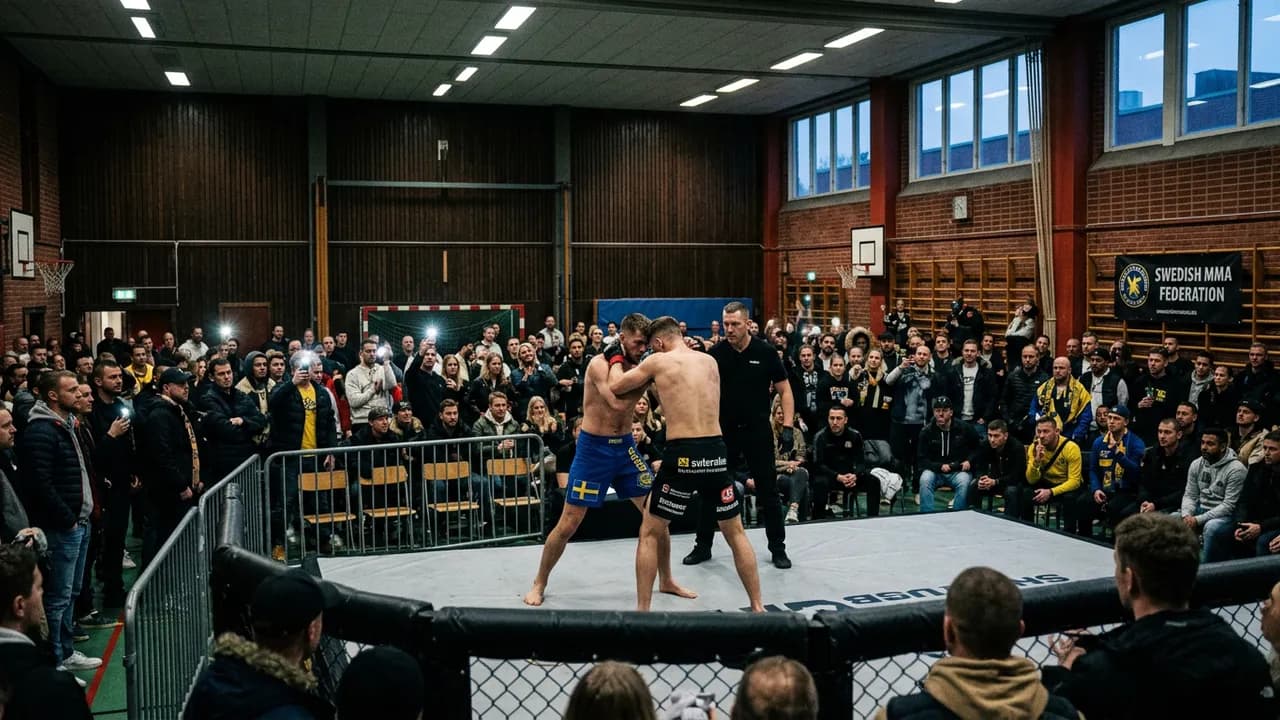
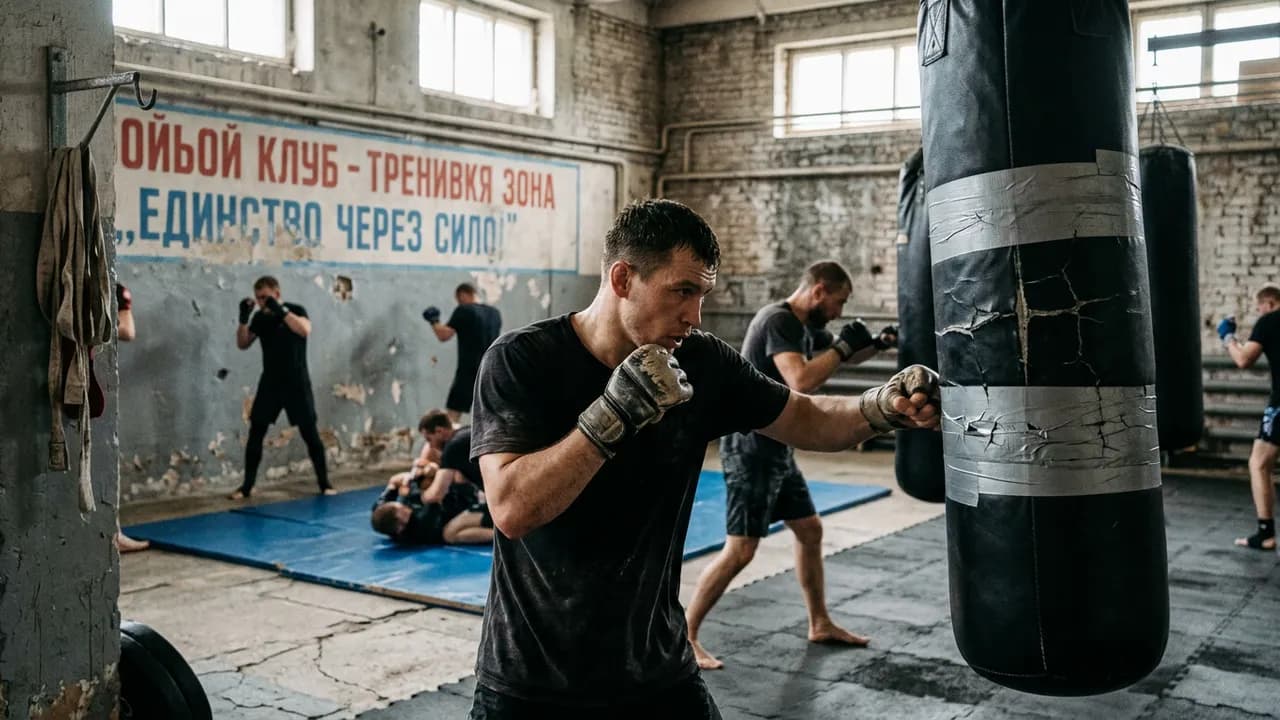
Format: No gloves, no weapons. Basic protection is limited to shoes and mouthguards. Fights take place in makeshift cages or marked-off areas within the event venue. There are no rounds, no time limits, and no judges. Fights continue until one fighter cannot or will not continue.
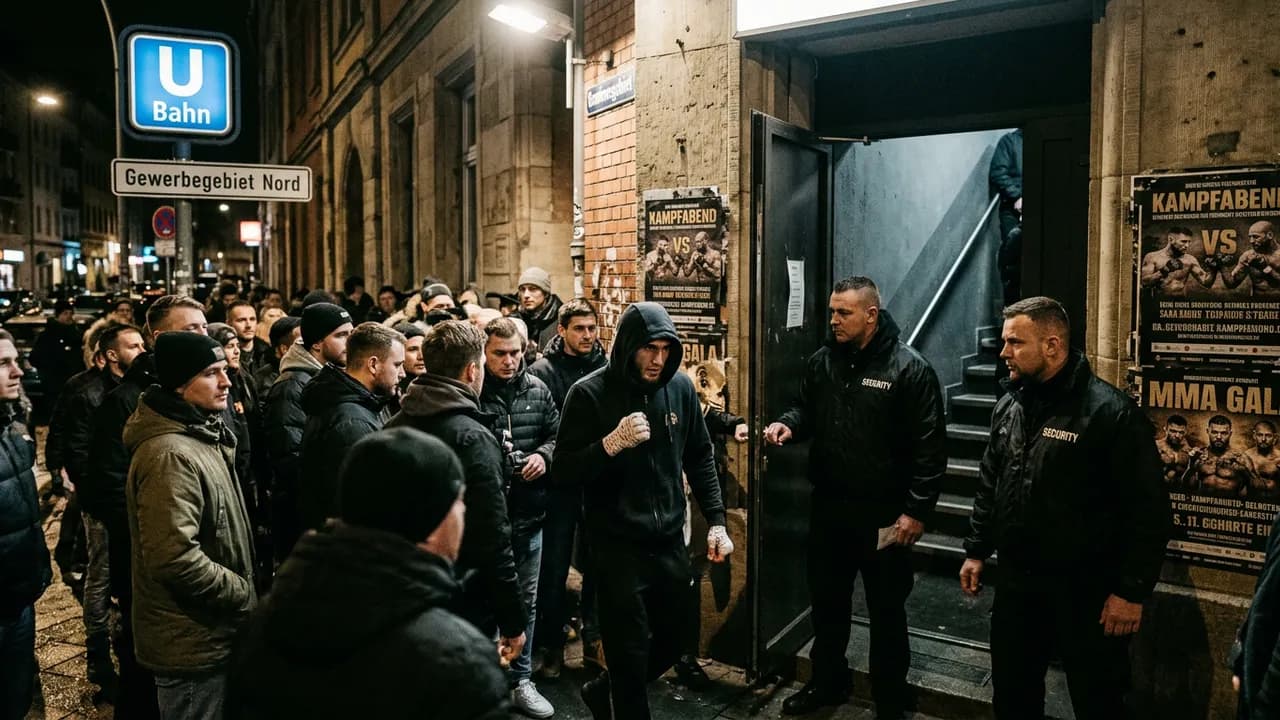
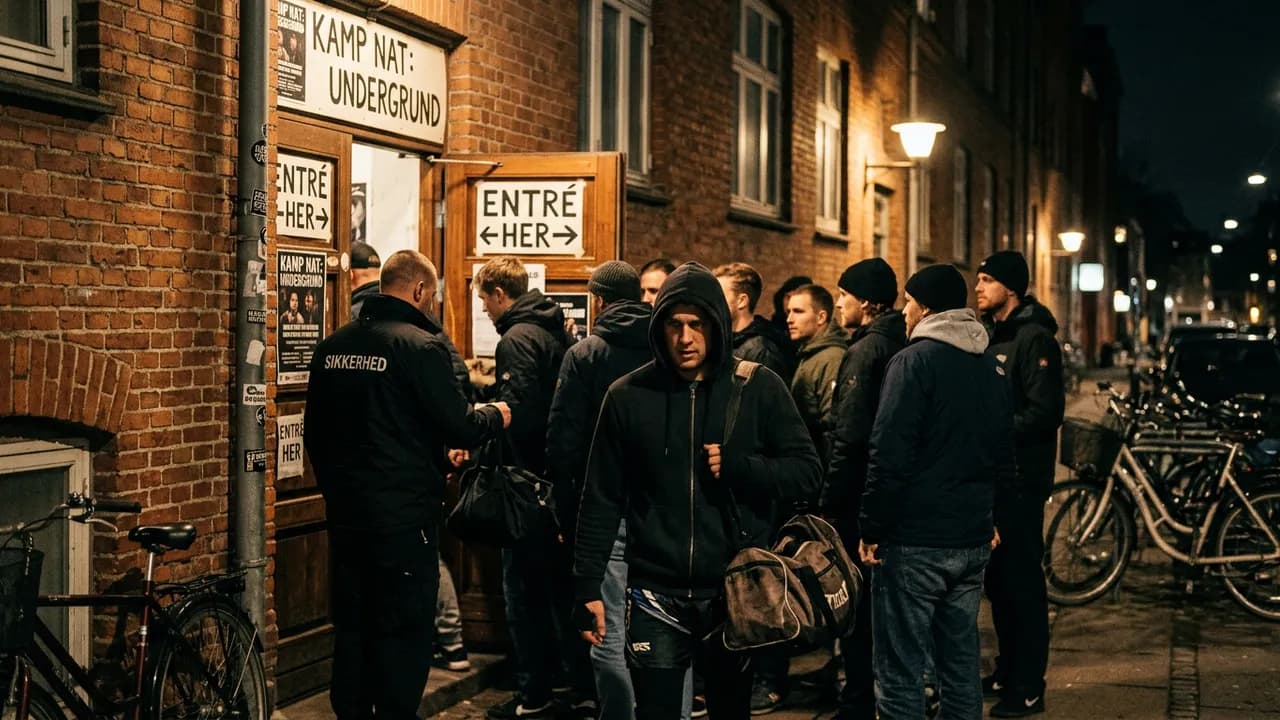
Venues: UUF events are staged in abandoned warehouses, industrial halls, and vacant lots across Denmark. The choice of venue is driven by two factors: the need for space to accommodate fighters, spectators, and a fighting area, and the need for locations that are unlikely to attract police attention. Venues are disclosed to participants and spectators only through encrypted messages sent shortly before events.
Scale: Events draw up to 100 spectators and feature multiple fights per card. UUF flies in fighters from other European countries, particularly Sweden and Germany, to supplement the domestic fighter pool and create cross-border matchups that increase audience interest.
Participants: One of the most striking aspects of UUF, as revealed by the Undergrunden podcast, is the diversity of its participant pool. Fighters are not exclusively drawn from criminal or hooligan backgrounds. Mechanics, office workers, students, and fathers have all competed in UUF events. The common thread is not a particular social profile but a desire to test oneself in genuine, uncontrolled combat.
Communication: All organizational communication occurs through encrypted messaging platforms, primarily Telegram and Signal. Event locations, dates, fighter matchups, and spectator information are distributed through these channels, with access restricted to vetted members of the network.
Social media: UUF maintains a TikTok presence (@uufights) and an Instagram account (@uufights2022) with approximately 19,000 followers. These accounts serve as public-facing marketing tools, sharing highlights and promotional content to attract new fighters and spectators into the encrypted communication channels where actual event information is shared.
KOTS affiliation: UUF is listed on the King of the Streets website, indicating a relationship with the broader KOTS network. The nature of this relationship -- whether formal partnership, loose affiliation, or simple mutual recognition -- is not publicly documented.
Other Activity
Beyond UUF, Denmark's underground fighting scene includes informal events organized through gym networks, hooligan channels, and personal connections. These range from organized sparring sessions that cross the line into genuine fights to impromptu bouts arranged through social media. None of these activities are organized at the scale or with the consistency of UUF, but they represent an additional layer of unsanctioned combat activity in the country.
The bare knuckle boxing scene in Denmark is minimal compared to the UK or even other Scandinavian countries. Danish fighters interested in bare knuckle competition typically travel to events in Sweden, the UK, or elsewhere in Europe.
The Undergrunden Podcast
The most significant development in Denmark's underground fighting scene was not a fight but an act of journalism. The Danish podcast Undergrunden: Den danske fightclub ("The Underground: The Danish Fight Club") infiltrated the UUF scene and produced a multi-episode documentary series that exposed the organization's operations to the Danish public.
The podcast documented the experience of attending UUF events, interviewing participants and organizers, and exploring the motivations that drive ordinary Danes to participate in unsanctioned combat. The series revealed the scale of the operation, the diversity of the participant pool, the KOTS connections, and the elaborate security measures used to avoid detection.
The impact of Undergrunden on the Danish underground scene was significant. Public awareness of UUF increased dramatically, forcing the organization to tighten its security protocols and become even more selective about who was admitted to events and communication channels. At the same time, the podcast attracted new interest from potential fighters and spectators who had not previously known the scene existed, creating a paradoxical effect where exposure simultaneously threatened and energized the underground.
The podcast also sparked a broader cultural conversation in Denmark about the appeal of underground fighting in a society that offers extensive social services, recreational opportunities, and sanctioned combat sports. The question of why men in one of the world's wealthiest and most egalitarian societies choose to fight without rules in abandoned warehouses became a topic of mainstream media discussion.
Notable Fighters
The encrypted, anonymous nature of UUF means that individual fighter identities are closely guarded. Fighters typically compete under aliases or first names only, and tracking individual records across events is not feasible from outside the organization.
The most successful fighters tend to have backgrounds in boxing, MMA, or wrestling, as the no-rules format rewards technical skill alongside raw physicality.
What is known, primarily through the Undergrunden podcast and limited social media footage, is that UUF fighters range from trained martial artists with gym backgrounds to untrained individuals who rely on natural toughness and aggression. The most successful fighters tend to have backgrounds in boxing, MMA, or wrestling, as the no-rules format rewards technical skill alongside raw physicality.
Danish fighters who have competed on KOTS cards in Sweden represent the closest thing to publicly known figures in the Danish underground scene, though even in that context, identities are typically obscured.
Legal Status
Underground fighting is unambiguously illegal in Denmark. Danish criminal law prohibits assault (vold), and participation in consensual but unsanctioned fighting events does not provide a legal defense. Both fighters and organizers face potential criminal charges, with organizers facing additional liability for facilitating violence.
Denmark's legal system is generally efficient, and law enforcement has the capacity to investigate and prosecute underground fighting operations. However, the encrypted communication and last-minute venue disclosure used by UUF create practical obstacles to enforcement. Police must either infiltrate the encrypted channels -- a resource-intensive process that requires judicial authorization -- or respond to events in progress based on tips or surveillance.
The Undergrunden podcast brought increased law enforcement attention to the underground scene, though the extent of any subsequent investigation or prosecution has not been publicly reported. The general pattern in Denmark, as elsewhere in Scandinavia, is that law enforcement treats underground fighting as a lower priority than organized crime, drug trafficking, and gang violence, unless a specific event results in serious injury or death that generates public pressure for action.
Sanctioned combat sports -- boxing, MMA, kickboxing -- operate legally in Denmark under the oversight of the Danish Boxing Union and various martial arts federations. Danish fighters seeking legal competitive outlets have access to a well-developed amateur and professional combat sports infrastructure.
How to Get Involved
As a Spectator
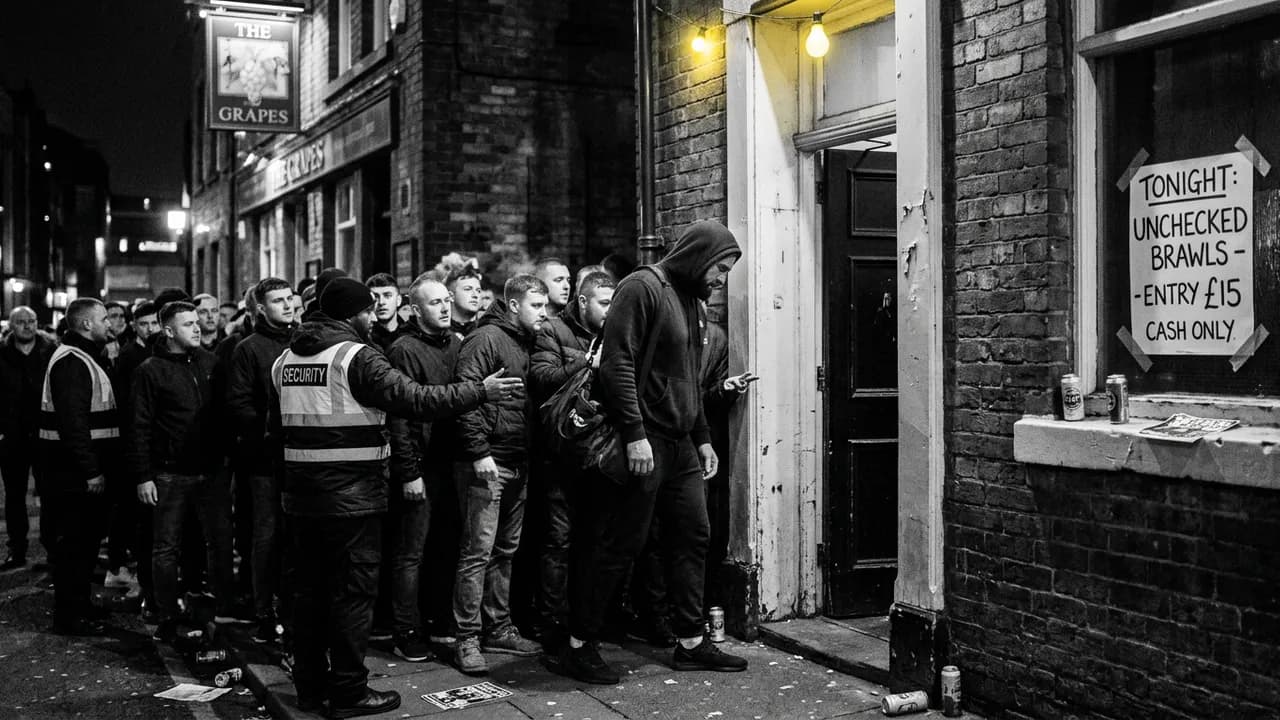
Attending a UUF event requires access to the organization's encrypted communication channels, which in turn requires a personal connection to someone already within the network. There is no public ticket sales process or event calendar. The TikTok and Instagram accounts provide a window into the scene but do not disclose operational information.
For those interested in the broader no-rules fighting movement, attending KOTS events in Sweden is a more accessible option, as KOTS maintains a more public-facing infrastructure for spectator access.
As a Fighter
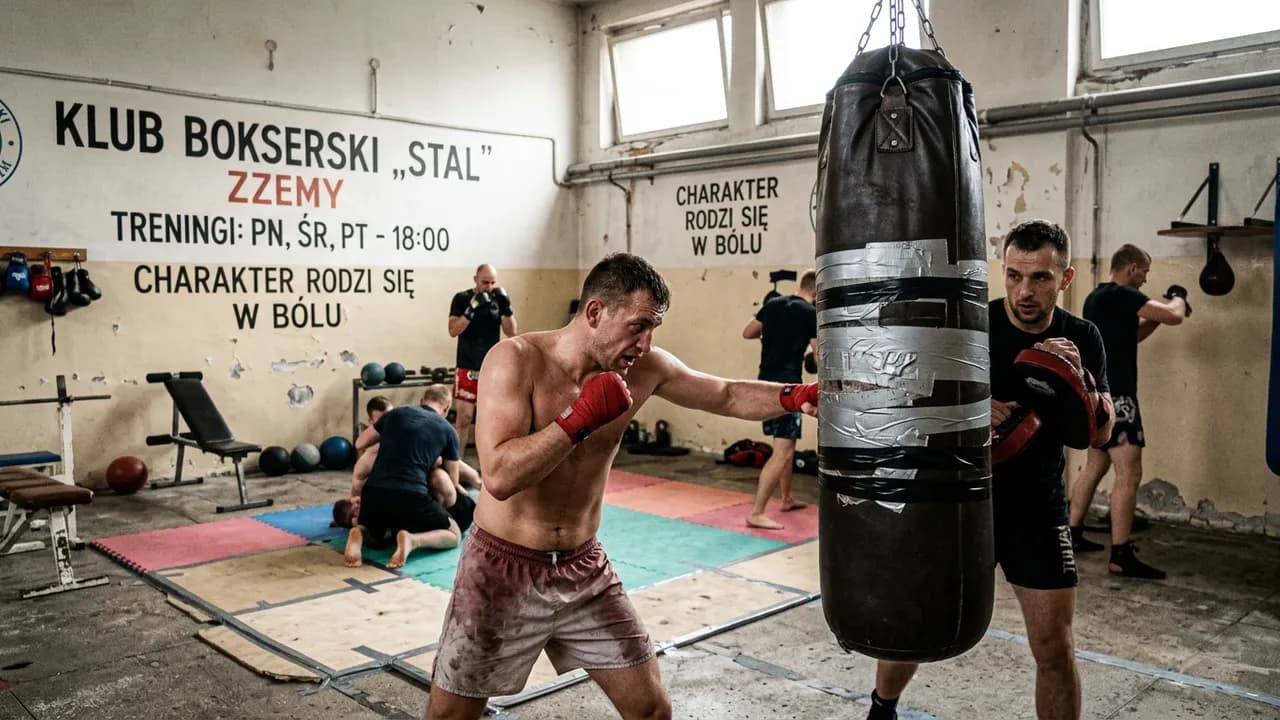
Aspiring fighters should develop a foundation in combat sports through Denmark's legitimate gym infrastructure. Copenhagen, Aarhus, Odense, and Aalborg all have established boxing, MMA, and kickboxing gyms that can provide training and connect fighters to the broader combat sports community.
Entry into the UUF fighter pool typically occurs through personal connections within the fighting community. Fighters with established reputations in gym sparring or amateur competition are more likely to be approached or to gain access to the channels through which UUF events are organized.
Danish fighters can also apply to compete on KOTS cards through the organization's website (kingofthestreets.com), which accepts fighter applications from across Europe.
Related Countries
- Sweden -- Home of KOTS, the parent organization of the no-rules movement that spawned UUF. Just across the Oresund Bridge from Copenhagen.
- Germany -- Southern neighbor with its own KOTS-inspired no-rules clubs and the extreme Holmgang weapons fighting organization.
- Poland -- Fellow European country with deep hooligan-driven fight culture and connections to the KOTS movement.
- United Kingdom -- Home to the most developed bare knuckle boxing scene in Europe, with KOTR in Manchester offering a more accessible alternative to the no-rules format.
- Russia -- Global leader in underground fighting content, whose organizations like Strelka and Top Dog FC have influenced the aesthetic and organizational model of European underground fighting.
FAQ
What is UUF?
Ultimate Underground Fights (UUF) is Denmark's primary underground fighting organization. It stages no-gloves, no-rules fights in abandoned warehouses and industrial spaces across Denmark, communicating exclusively through encrypted channels and drawing fighters from across Europe.
How was UUF exposed?
The Danish podcast Undergrunden: Den danske fightclub infiltrated the UUF scene and produced a multi-episode documentary series that brought the organization's operations to public attention. The podcast documented event logistics, fighter profiles, and KOTS connections.
Is UUF connected to KOTS?
Yes. UUF is listed on the King of the Streets website, indicating a relationship with the broader KOTS network. Danish and Swedish fighters compete in both organizations, and the UUF format closely mirrors the KOTS model.
Is underground fighting legal in Denmark?
No. Unsanctioned fighting events violate Danish assault laws, and both participants and organizers face potential criminal prosecution. The encrypted communication and secret venues used by UUF are specifically designed to avoid law enforcement detection.
Who fights in UUF?
UUF draws from a surprisingly diverse participant pool. Fighters include trained martial artists, gym enthusiasts, and ordinary working people -- mechanics, office workers, students -- who are drawn to the intensity of no-rules combat. Participation is not limited to criminal or hooligan backgrounds.
Where can I watch UUF content?
UUF maintains social media accounts on TikTok (@uufights) and Instagram (@uufights2022) where highlights and promotional content are shared. Full fight footage circulates through the organization's encrypted channels. KOTS content, which features some Danish fighters, is available on YouTube through the KOTS channel.