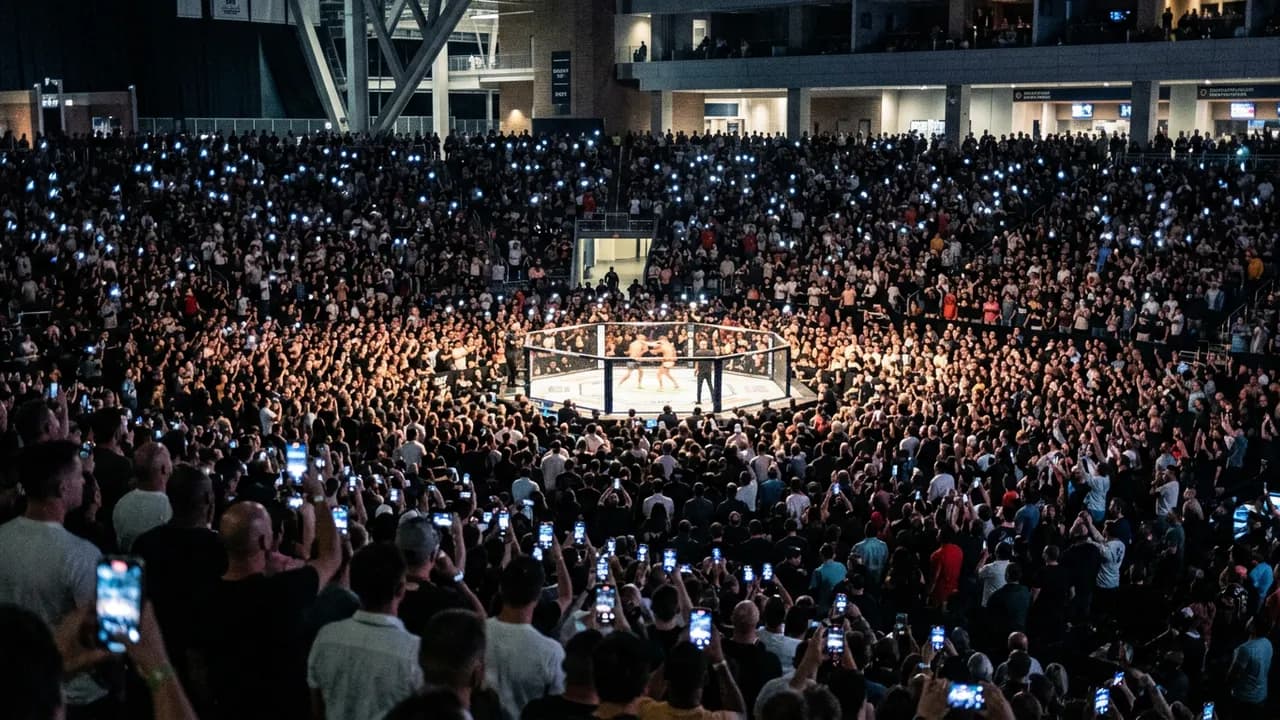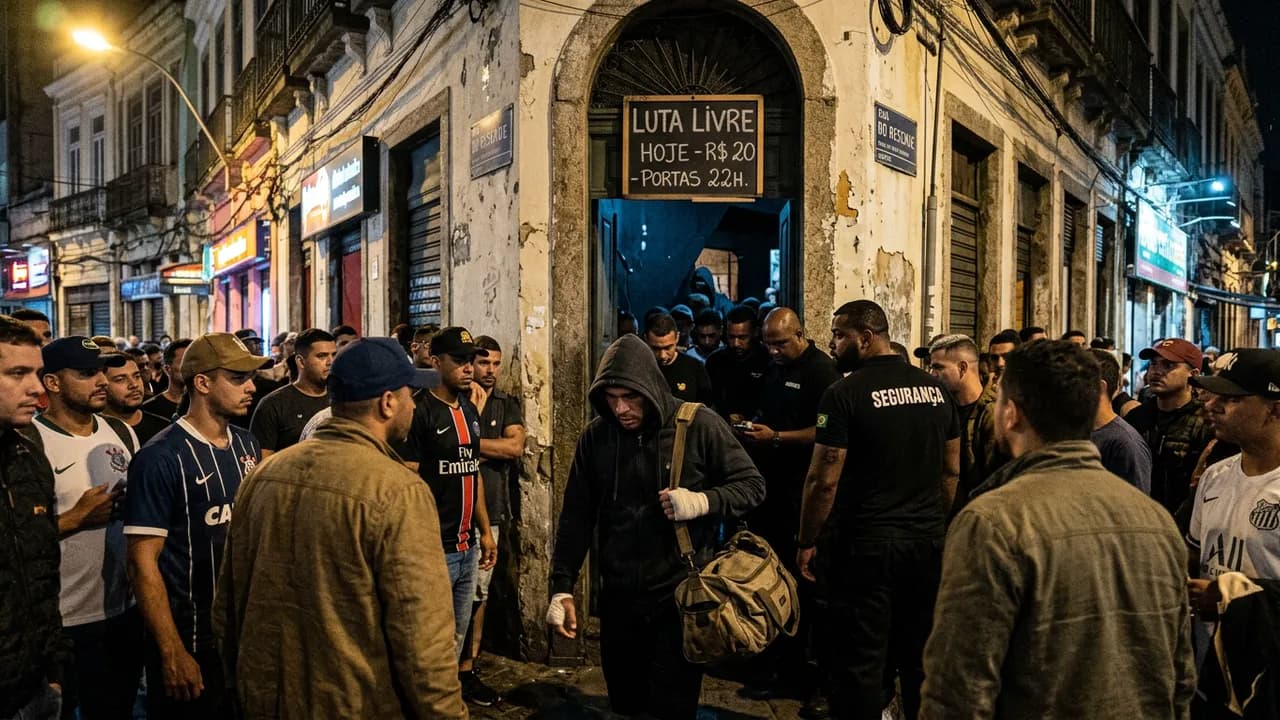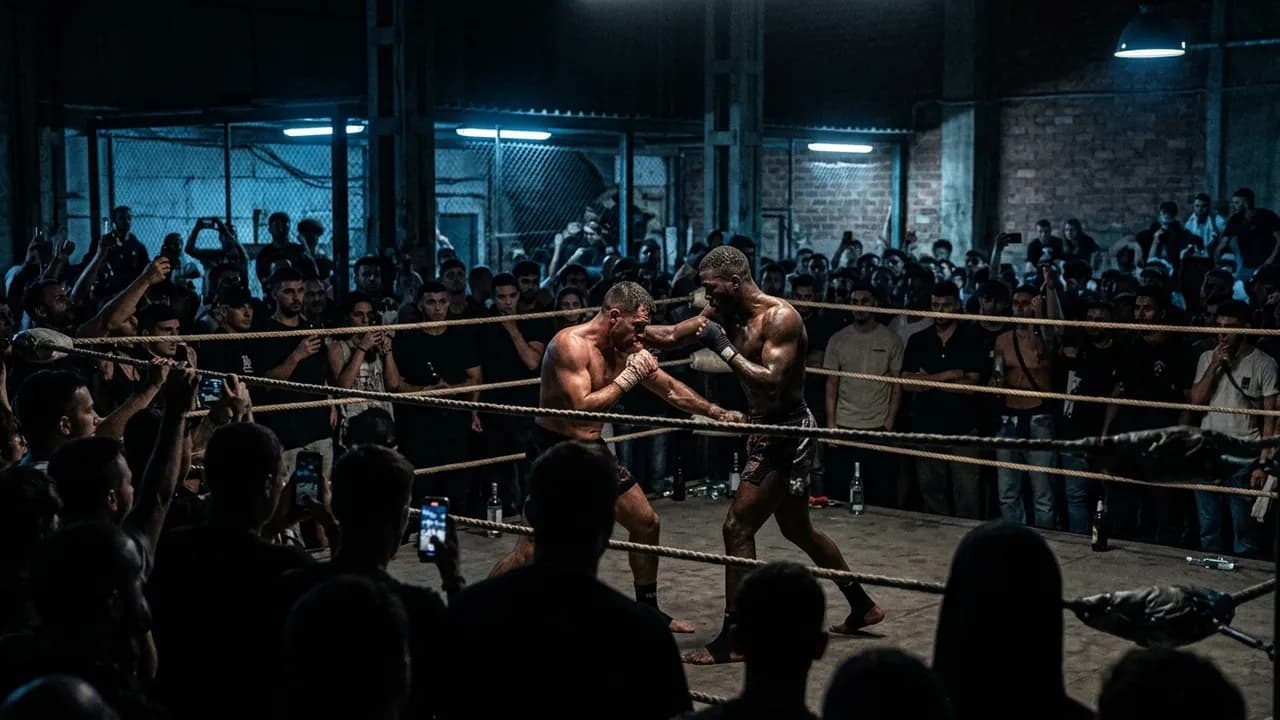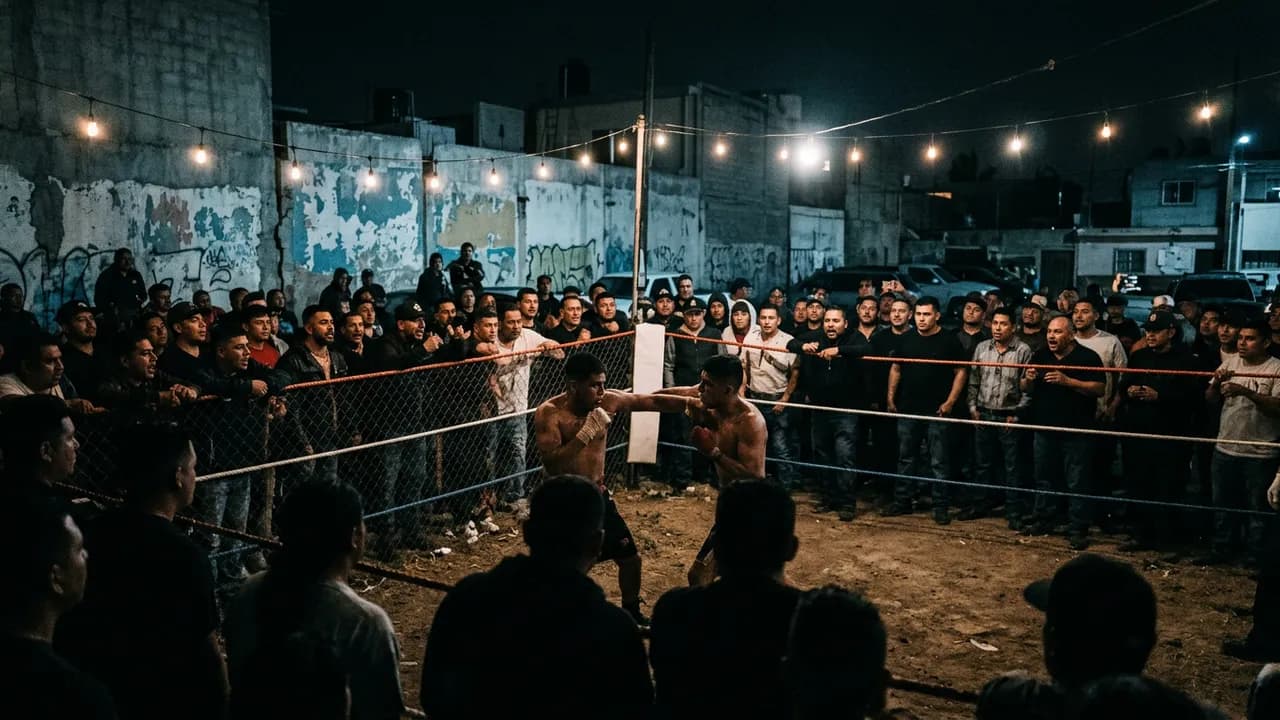
Mexico is one of the greatest boxing nations in history, with a fighting culture woven into the national identity. From the legendary world champions who have emerged from humble Mexican gymnasios to the theatrical spectacle of lucha libre, combat is deeply embedded in the country's DNA. The underground fighting scene draws from all of these traditions, creating a raw, passionate, and sometimes dangerous world that stretches from the border towns of Tijuana and Ciudad Juarez to the sprawling neighborhoods of Mexico City and Guadalajara. With BKFC expanding into Mexican markets, the line between sanctioned and unsanctioned fighting continues to blur.
History
Mexico's boxing heritage is among the richest in the world. The country has produced over 200 world champions across all weight classes, from Salvador Sanchez and Julio Cesar Chavez to Canelo Alvarez. This tradition grew from neighborhood gymnasios where young men from poor families learned to fight, often competing in informal bouts long before entering sanctioned competition. The pathway from street fights to gymnasio sparring to professional boxing is a deeply established cultural route.
Lucha libre, Mexico's iconic form of professional wrestling, arrived from the United States in the 1930s but evolved into something uniquely Mexican. While scripted, lucha libre training produces genuinely tough athletes, and the crossover between lucha libre culture and real fighting has always existed. Retired or aspiring luchadores sometimes compete in underground fights, and the theatrical culture of lucha libre influences how underground events are promoted and staged.
The modern underground scene has been shaped by the border region's unique dynamics. Tijuana, in particular, has become a hub for unsanctioned fighting, with events drawing participants and spectators from both sides of the US-Mexico border. The city's nightlife economy, combined with its proximity to San Diego's fight scene, creates a constant flow of fighters and promoters. BKFC's expansion into Mexico beginning in the early 2020s brought bare-knuckle fighting into the mainstream, but underground bare-knuckle events had been happening in border towns and rural areas for years before that.
Active Organizations
- BKFC Mexico - Bare Knuckle Fighting Championship's Mexican division, hosting sanctioned events in major cities and bringing international attention to Mexican bare-knuckle talent.
- Pelea Clandestina - Mexico City's most active underground promotion, organizing unsanctioned bouts in the city's industrial zones and working-class neighborhoods.
- Tijuana Fight Club - A loose network of promoters and fighters in the border city, hosting events in warehouses, bars, and private venues.
- Guerreros del Ring - An underground circuit in Guadalajara blending boxing, MMA, and lucha libre-influenced fighting styles.
- Peleas de Barrio - Neighborhood fighting events organized across Mexican cities, often informal challenge matches filmed for social media.
Notable Fighters
- "El Pitbull" Ramirez - A Tijuana bare-knuckle fighter who gained fame through viral fight videos before competing in BKFC Mexico events.
- Marco "La Sombra" Torres - A Mexico City underground MMA fighter known for combining lucha libre grappling techniques with street fighting savvy.
- Carlos "Manos de Piedra" Vega - A Guadalajara boxer who competes in both sanctioned amateur bouts and underground bare-knuckle events throughout Jalisco state.
- Diana "La Guerrera" Hernandez - One of Mexico's rising female fighters, competing in underground MMA events before pursuing a professional career.
Legal Status
Boxing is deeply embedded in Mexican law and culture, regulated by the Mexican Boxing Commission (Comision de Box de la Ciudad de Mexico) at the municipal and state level. Professional MMA has gained legal recognition in most Mexican states, though regulation remains inconsistent.
Underground fighting is illegal, falling under assault and public disorder statutes. However, enforcement is highly variable. In major cities like Mexico City and Guadalajara, police occasionally raid larger events, but the vast majority of underground bouts proceed without interference. In border towns and rural areas, enforcement is virtually nonexistent.
The expansion of BKFC into Mexico has created a semi-legitimate pathway for bare-knuckle fighters, but many events in the bare-knuckle space still operate outside regulatory frameworks. Corruption and the influence of organized crime in some regions further complicate the legal landscape, with some underground events operating under the protection of local power structures.
How to Get Involved
- Gymnasios - Mexico's network of boxing gyms is the heart of the fighting culture. Training at established gymnasios in any major city provides both skills and connections. Many legendary gyms charge minimal fees, making access relatively easy.
- BKFC Mexico - For bare-knuckle fighters, BKFC Mexico holds tryouts and accepts fighter applications through their official channels.
- Border scene - The Tijuana/San Diego corridor has an active cross-border fighting community. Gyms on both sides of the border serve as networking hubs.
- Social media - Mexican underground fight content thrives on YouTube, TikTok, and Facebook. Following channels like "Peleas Callejeras Mexico" and related pages leads to connections with local promoters.
- Lucha libre schools - For fighters interested in the grappling and showmanship side, lucha libre training schools accept students and some have connections to underground fighting circuits.
FAQ
Is underground fighting legal in Mexico?
No. Unsanctioned fighting is illegal in Mexico under assault and public disorder laws. Professional boxing and MMA are regulated by state and municipal athletic commissions. BKFC Mexico operates under sanctioned frameworks. However, enforcement against underground events is inconsistent and varies dramatically by region, with border towns and rural areas seeing minimal police intervention.
Where can I watch Mexican underground fights?
BKFC Mexico events are streamed on the BKFC app and social media platforms. Underground Mexican fight content is widely available on YouTube, Facebook, and TikTok, often under terms like "peleas callejeras Mexico" or "peleas clandestinas." Tijuana fight content frequently crosses over to English-language platforms due to the border region's bilingual audience. Some underground promotions also share content through WhatsApp and Telegram groups.