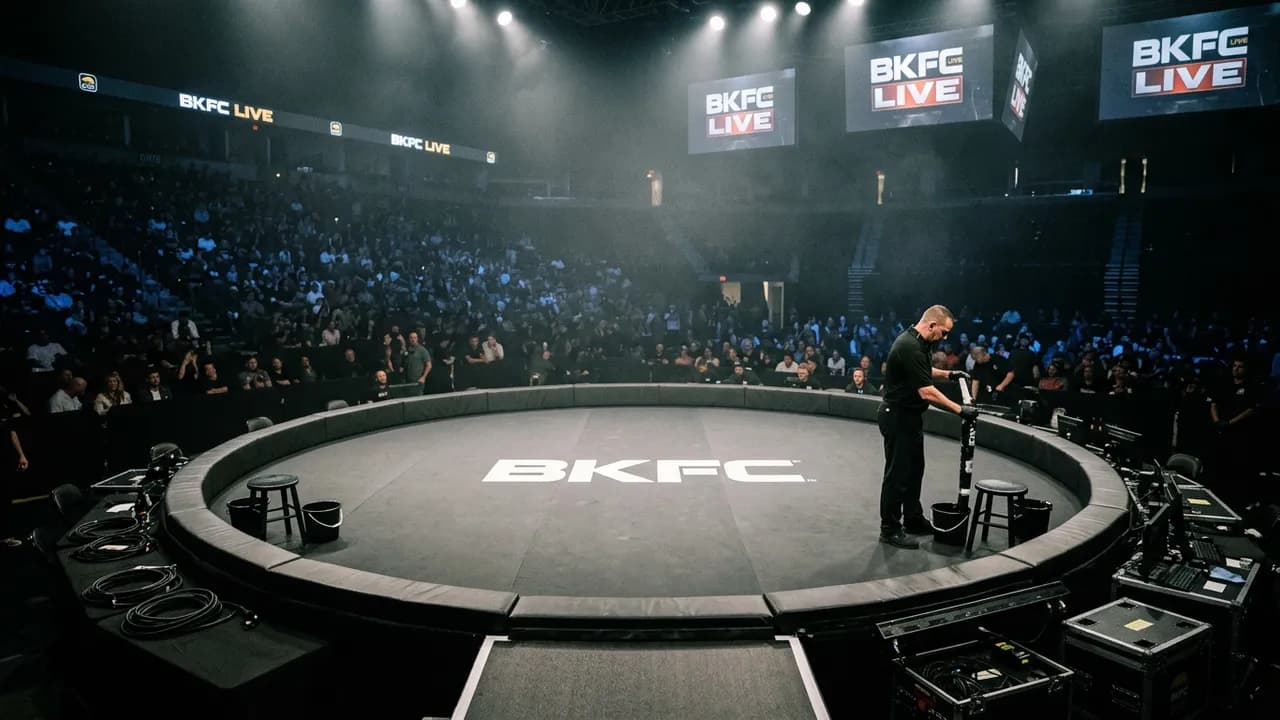
Hand wrapping in bare knuckle fighting is fundamentally different from hand wrapping in boxing or MMA. In those sports, the wrap goes all the way to the knuckles -- and sometimes over them -- before a padded glove slides on top. The wrap's job is to compress and stabilize the hand under the glove. In bare knuckle fighting, the knuckles must remain completely exposed. The wrap's job is narrower but no less critical: stabilize the wrist, support the small bones of the mid-hand, and protect the thumb -- without going anywhere near the striking surface.
Get this wrong, and you risk a wrist injury that sidelines you for months, a broken metacarpal from insufficient support, or a disqualification for violating the wrapping rules. Get it right, and your hands stay intact, your wrists stay stable, and you can throw with confidence from the opening bell to the final round.
This guide covers the official wrapping regulations for BKFC and BKB, the step-by-step technique for wrapping your hands for bare knuckle competition, the materials you need, and the mistakes that get fighters hurt or disqualified.
Understanding the Rules
Before you pick up a roll of tape, you need to know the regulations for the organization you are competing in. The wrapping rules for bare knuckle fighting are precise, and officials will inspect your wraps before you are allowed to fight.
BKFC Wrapping Rules
The Bare Knuckle Fighting Championship enforces the following:
- Fighters are permitted to wrap and tape the wrist, thumb, and mid-hand.
- No gauze or tape is allowed within one inch of the knuckles. This is the defining rule. When you make a fist, no wrapping material of any kind should be visible past the knuckle line.
- No tape or gauze is allowed between the fingers, with the exception of the thumb.
- Wrapping must not extend past the knuckles when a clenched fist is made.
This means the wrap effectively covers the area from the wrist to approximately one inch below the knuckle heads -- and nothing more. The knuckles, the fingers, and the back of the hand near the knuckles are completely bare.
BKB Wrapping Rules
Bare Knuckle Boxing (UK) follows a similar framework with more specific material limitations:
- Hand wraps are restricted to twelve (12) yards of soft gauze bandage per hand, not more than two inches in width.
- Gauze is secured with no more than ten (10) yards of surgical tape, one inch in width.
- Surgical tape cannot be applied within one inch of the knuckles.
- No tape or gauze will extend past the fighter's knuckle when a clenched fist is made.
- Wrapping of the wrist cannot extend more than three inches past the wrist juncture.
Backyard and Unsanctioned Organizations
Organizations like Top Dog Fighting Championship and various backyard promotions typically follow the same general principle -- wrist wraps that do not cover the knuckles -- but may be less specific about material quantities. If you are fighting at an unsanctioned event, confirm the wrapping rules with the organizer before fight night.
Materials You Need
You do not need much. Bare knuckle wrapping is minimalist by design.
For Competition
- Soft gauze bandage: Medical-grade, two inches wide. Available at any pharmacy or online in bulk rolls. You will need approximately 12 yards (36 feet) per hand, though the actual amount used is typically less.
- Zinc oxide athletic tape: One-inch width. Medical-grade zinc oxide tape is the standard because it is rigid enough to provide support without stretching under force. Do not substitute with elastic tape or standard first aid tape -- they stretch, which defeats the purpose of wrist stabilization.
- Scissors: For cutting tape cleanly.
For Training
- 180-inch Mexican-style cotton hand wraps: These are your daily-use wraps for training under gloves. They are reusable, washable, and available from virtually every combat sports brand. Keep at least three pairs in rotation.
- Short wraps or wrist wraps: For bare knuckle-specific bag work at low intensity, some fighters use short wrist wraps (similar to weightlifting wrist wraps) that support the wrist without covering the hand. These are not suitable for competition but work well for conditioning sessions.
Step-by-Step Wrapping Technique for Bare Knuckle Fighting
This technique is designed for competition under BKFC-style rules. The goal is maximum wrist stabilization and mid-hand support while keeping the knuckles completely exposed.
Preparation
- Lay out your materials: Gauze, tape, and scissors on a clean surface.
- Position your hand: Extend your wrapping hand with fingers spread and wrist in a neutral position (not flexed or extended). Your hand should be relaxed but not limp.
- Have someone help you: While experienced fighters can wrap their own hands, having a corner person or trainer wrap your hands ensures a more consistent and secure result.
The Wrist Foundation (Steps 1-3)
Step 1: Anchor at the wrist. Place the end of the gauze on the inside of the wrist (the side with the veins) and begin wrapping around the wrist. This anchor wrap sets the foundation.
03 / Up next / Mid-Hand Support (Steps 4-6)
Step 2: Wrap the wrist three to four times. Continue wrapping around the wrist, overlapping each layer by about half the width of the gauze. Each pass should be snug but not tight enough to cut off circulation. You should be able to slide a finger under the wrap with light effort. These wrist wraps are the primary stabilization layer -- they prevent the wrist from bending laterally or hyperextending on impact.
Step 3: Secure the wrist wraps with tape. Tear off a strip of one-inch zinc oxide tape and wrap it around the wrist layers to lock them in place. One to two wraps of tape over the gauze is sufficient. This prevents the gauze from shifting or unraveling during the fight.
Mid-Hand Support (Steps 4-6)
Step 4: Move up to the mid-hand. From the wrist, angle the gauze diagonally across the back of the hand toward the area just below the knuckles -- the metacarpal heads. This is the mid-hand zone.
Step 5: Wrap the mid-hand two to three times. Wrap the gauze around the mid-hand, covering the metacarpal shafts. Stay below the knuckles. The critical rule: no material within one inch of the knuckle heads. If you make a fist and see gauze or tape beyond the knuckle line, you have gone too far and need to unwrap and start this section again.
The mid-hand wraps support the metacarpal bones (the long bones between the wrist and the knuckles). These are the bones most likely to fracture on impact in bare knuckle fighting, and this layer of support helps distribute force across the full hand structure.
Step 6: Secure with tape. Tape over the mid-hand gauze with one-inch zinc oxide tape. One to two wraps is sufficient.
Thumb Protection (Steps 7-8)
Step 7: Wrap the thumb. From the mid-hand, bring the gauze down and around the base of the thumb. Wrap around the thumb once, then back across the back of the hand to the wrist. This creates an anchor that prevents the thumb from being pulled back or dislocated on impact.
Step 8: Secure with tape. Apply a strip of tape around the base of the thumb to lock the gauze in position. Do not tape between the fingers other than the thumb -- this is prohibited under both BKFC and BKB rules.
Final Reinforcement (Steps 9-10)
Step 9: Add a final wrist reinforcement. Return to the wrist and add one to two more wraps of tape over the entire wrist assembly. This final layer locks everything together and adds the last degree of wrist stabilization.
Step 10: Test the wrap. Make a fist. Open your hand. Make a fist again. The wrap should feel snug and supportive without restricting blood flow or finger movement. Check the following:
- No material within one inch of the knuckles. Look at the back of your hand with a closed fist. If you can see any gauze or tape past the knuckle line, you are out of compliance.
- Wrist stability: Flex your wrist forward and backward. The tape should resist excessive movement without completely immobilizing the joint.
- Circulation: Your fingers should maintain normal color and sensation. If they are turning white, blue, or feel numb, the wrap is too tight. Unwrap and start over with less tension.
- Thumb security: Wiggle your thumb. It should have range of motion but feel supported at the base.
How Bare Knuckle Wrapping Differs from Boxing Wrapping
If you have experience wrapping hands for boxing or MMA, you need to unlearn several habits for bare knuckle competition.
Boxing / MMA Wrapping
- Wraps cover the entire hand, including the knuckles.
- Multiple passes across the knuckles to create a knuckle pad.
- Wraps go between each finger to separate and protect them.
- The wrap is designed to work under a glove, which adds compression and padding.
- Total material used: 180 inches of cotton wrap (or more, plus gauze and tape for professional boxing).
Bare Knuckle Wrapping
- Wraps cover the wrist, mid-hand, and thumb only.
- No material within one inch of the knuckles.
- No material between the fingers (except the thumb).
- The wrap is the only protection -- there is no glove going over it.
- Total material used: Significantly less. The wrap is minimal by design.
The practical implication of this difference is enormous. In boxing, poor punching technique is partially compensated by the glove and the knuckle pad. In bare knuckle fighting, there is no margin for error. If you punch with the wrong part of your fist, if your wrist is misaligned, or if your technique breaks down under fatigue, you will feel it immediately -- and possibly break something. The wrap keeps your wrist stable, but your technique is what keeps your hands intact.
Common Mistakes to Avoid
1. Wrapping Too Close to the Knuckles
The most common violation. Fighters -- especially those with boxing backgrounds -- instinctively want to protect their knuckles. But in bare knuckle fighting, going within one inch of the knuckles will get you sent back to your corner to rewrap or, if caught after the fight has started, could result in a disqualification.
05 / Up next / 2. Wrapping Too Tight
Fix: When in doubt, stay lower. It is better to have the wrap end well below the knuckles than to push the boundary and risk a violation.
2. Wrapping Too Tight
A wrap that is too tight restricts blood flow, causes numbness in the fingers, and reduces your ability to make a proper fist. Paradoxically, it also reduces the wrap's effectiveness -- a numb hand cannot punch with proper technique.
Fix: Apply consistent, moderate tension throughout the wrapping process. After each section, pause and check your finger color and sensation.
3. Wrapping Too Loose
A loose wrap shifts during a fight, which means the wrist support you were counting on disappears exactly when you need it. A shifting wrap can also bunch up and create pressure points that cause blisters or bruising.
Fix: Each layer of gauze should lie flat and snug against the previous layer. If you can easily rotate the wrap around your wrist after you finish, it is too loose.
4. Neglecting the Thumb
The thumb is the most commonly dislocated digit in bare knuckle fighting. Fighters who do not wrap the thumb are relying entirely on luck and technique to keep it intact.
Fix: Always include a thumb wrap in your taping. One pass around the base of the thumb, secured with tape, adds significant stability.
5. Using the Wrong Tape
Elastic tape, masking tape, duct tape, and standard first aid tape are all poor substitutes for zinc oxide athletic tape. Elastic tape stretches under force and loses its stabilizing function. Non-medical tapes can irritate the skin or fail to adhere when wet with sweat.
Fix: Use one-inch zinc oxide athletic tape. It is inexpensive, widely available, and purpose-built for this application.
6. Not Practicing Before Fight Night
Fight night is not the time to figure out your wrapping technique. A bad wrap discovered during the pre-fight inspection means rewrapping under pressure, which leads to a rushed, inferior job.
Fix: Practice your wrapping technique multiple times in the weeks leading up to your fight. Time yourself. Get familiar with the material quantities and the feel of a properly finished wrap.
Conditioning Your Hands
Wrapping protects the wrist and mid-hand, but the knuckles themselves are bare. Conditioning your hands before you compete reduces the risk of cuts, bruises, and fractures.
- Light bare-knuckle bag work: Hit a heavy bag without wraps or gloves at 30-50% power. Focus on technique and fist alignment. This thickens the skin over the knuckles and strengthens the connective tissue. Do this two to three times per week for several weeks before your fight.
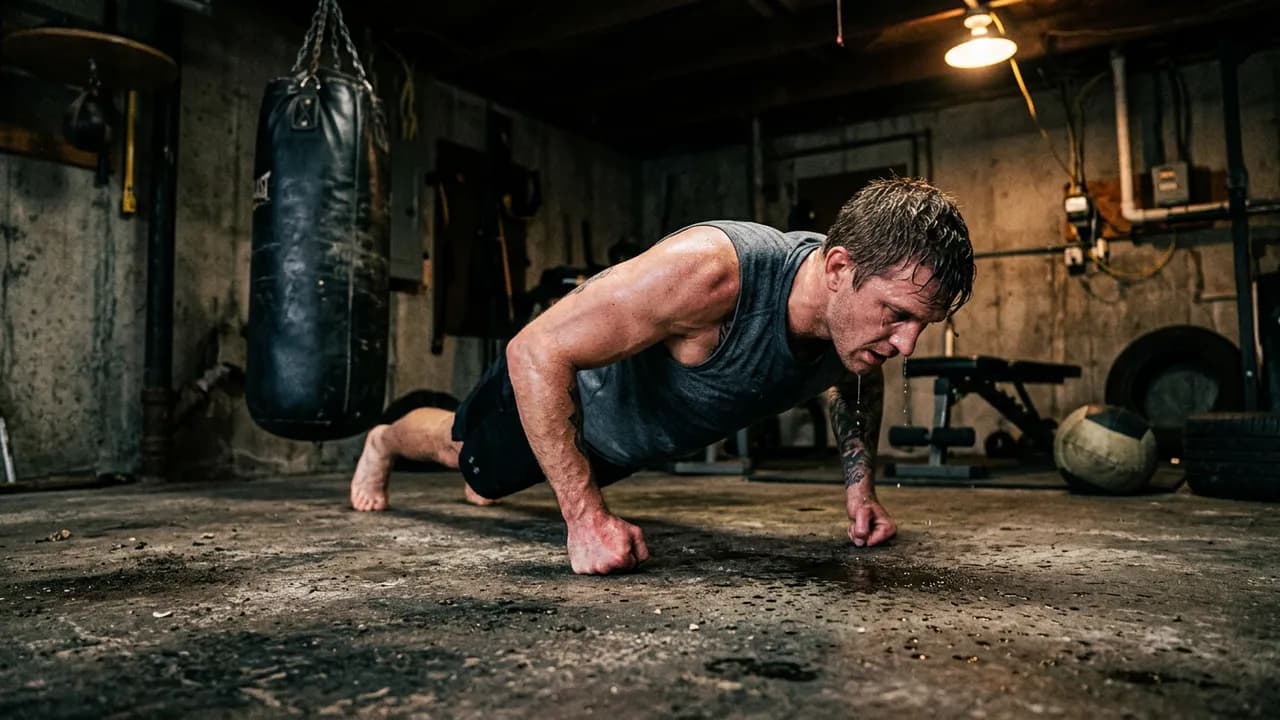
- Knuckle push-ups: Push-ups performed on your fists rather than your palms. Start on a soft surface (carpet or a mat) and gradually progress to harder surfaces. This conditions the skin and strengthens the wrist in the punching position.
- Rice bucket exercises: Plunge your hands into a bucket of uncooked rice and open and close your fists, grab handfuls of rice, and rotate your wrists. This strengthens the muscles of the forearm and hand while improving grip strength.
A Note on the Wrap Inspection Process
At sanctioned bare knuckle events, an official will inspect your hand wraps before you are cleared to fight. The inspector will check:
- That no material extends within one inch of the knuckles.
- That the material quantities are within the allowed limits.
- That no foreign objects are concealed within the wraps.
- That the wrap is secure and properly applied.
Once your wraps pass inspection, the official will typically initial or stamp the tape to indicate approval. If your wraps fail inspection, you will be sent back to your corner to rewrap and resubmit for a second inspection. This is why practicing your wrapping technique before fight night is so important -- failed inspections waste time, create stress, and can rattle your focus before a fight.
The Bottom Line
Hand wrapping for bare knuckle fighting is a precise, rule-governed process that serves a specific purpose: wrist stability and mid-hand support without covering the knuckles. Master the technique, use the right materials, practice before fight night, and condition your hands for the reality of bare knuckle impact.
Your knuckles are exposed. That is the nature of the sport. But the bones behind them -- the wrist, the metacarpals, the thumb -- deserve every bit of support that a proper wrap provides.
For a complete gear list including mouthguards, cups, training equipment, and more, see Essential Gear for Bare Knuckle Fighting. For fight preparation advice, read How to Prepare for Your First Underground Fight.