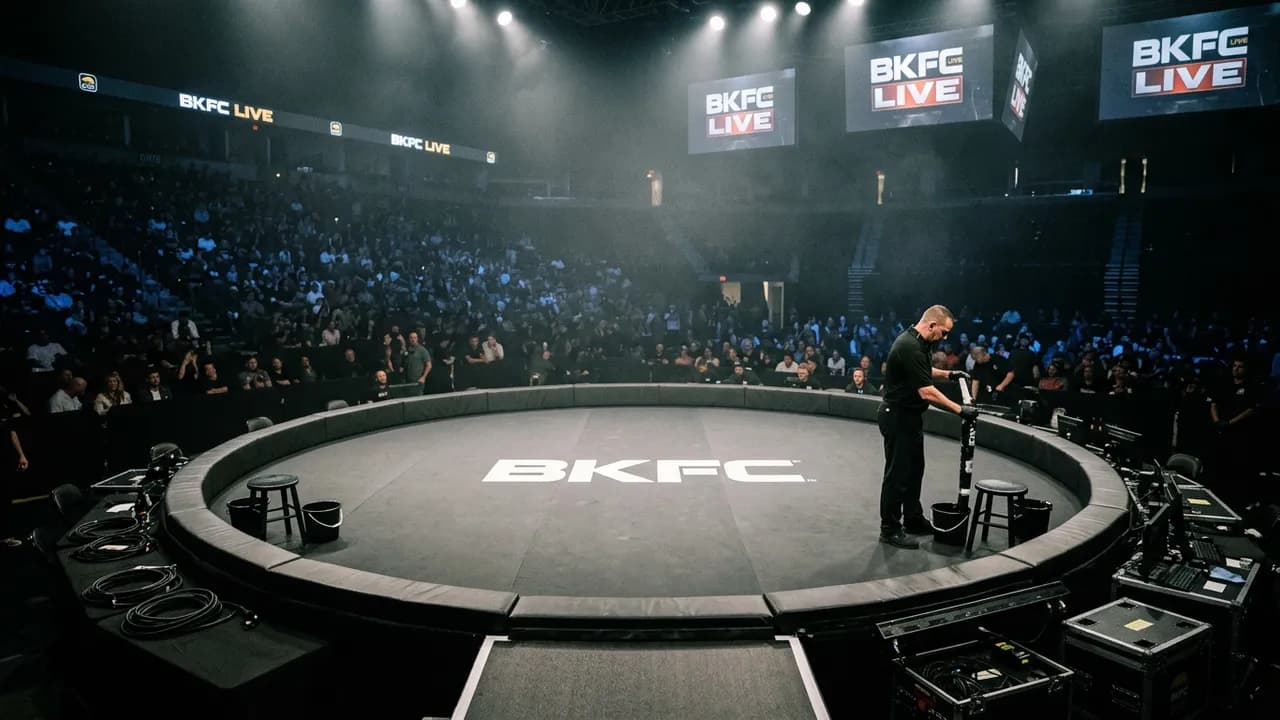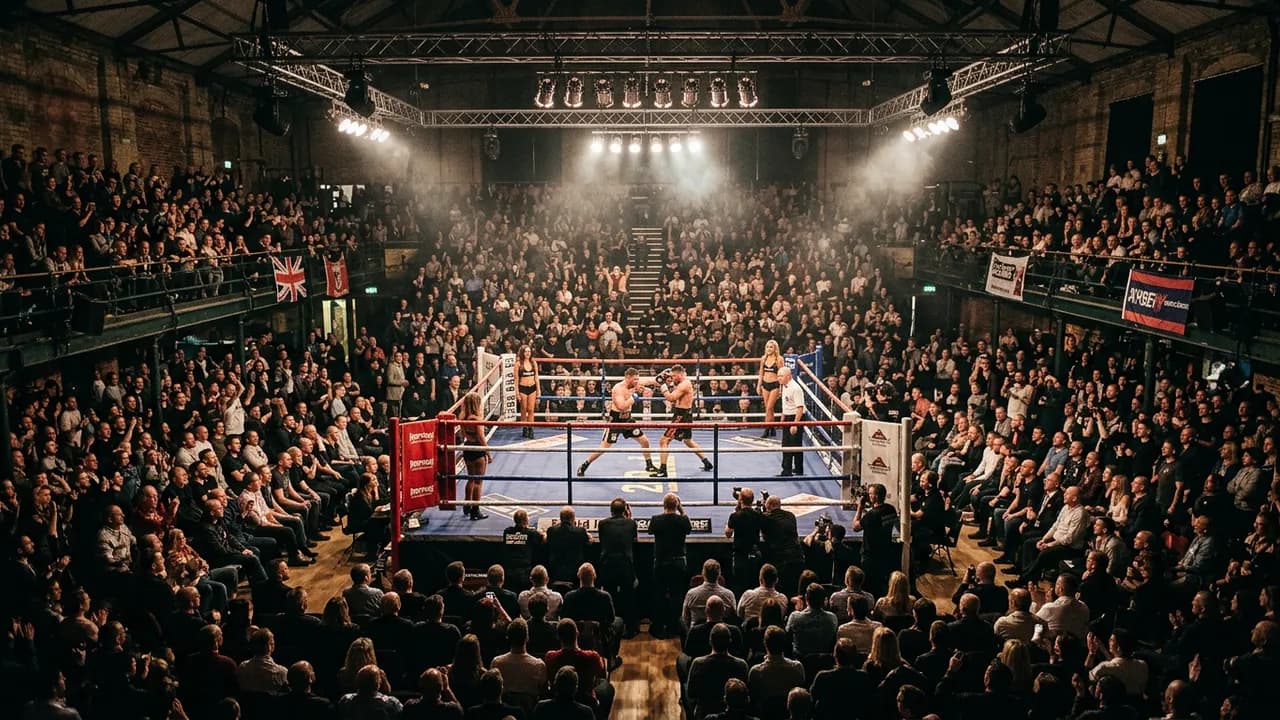
Bare knuckle fighting strips away most of the protective equipment that defines modern boxing and MMA. There are no padded gloves to cushion the impact. No headgear to absorb punishment. No shin guards to soften a kick check. What remains is a short list of essential items that serve a single purpose: keeping you as safe as possible while your knuckles and your opponent's knuckles are fully exposed.
Whether you are preparing for a sanctioned BKFC event, a BKB bout in the UK, a backyard bare knuckle card at Streetbeefs, or a Top Dog Fighting Championship event, this guide covers every piece of gear you need -- both for competition and for the training that gets you there.
Competition Gear: What You Need on Fight Night
1. Hand Wraps and Athletic Tape
In bare knuckle fighting, your hands are your primary weapons and your most vulnerable assets. Without gloves to absorb and distribute impact, the small bones of the hand and wrist are at significant risk of fracture. Proper wrapping is essential.
What the Rules Allow
The wrapping rules for bare knuckle fighting are fundamentally different from boxing or MMA, where fighters wrap with gauze and tape all the way to the knuckles and then slide gloves over the top.
In BKFC, fighters are permitted to wrap and tape the wrist, thumb, and mid-hand, but no gauze or tape is allowed within one inch of the knuckles. When a fighter makes a fist, no wrapping material should be visible beyond the knuckle line. This is the defining characteristic of true bare knuckle fighting -- the knuckles are completely exposed.
BKB follows a similar framework: hand wraps include the wrist and are restricted to twelve yards of soft gauze bandage per hand (not more than two inches wide), secured with no more than ten yards of surgical tape (one inch width). The tape cannot be applied within one inch of the knuckles, and wrapping of the wrist cannot extend more than three inches past the wrist juncture.
What You Need
- Athletic tape: One-inch-width surgical or athletic tape for securing wraps around the wrist and mid-hand. Medical-grade zinc oxide tape is the standard.
- Gauze bandage: Soft gauze (two-inch width) for padding the wrist and mid-hand area. Choose medical-grade gauze that conforms well when wrapped.
- Short hand wraps: Some fighters prefer to use short (108-inch) traditional cotton hand wraps cut to size, focusing coverage on the wrist and lower hand. These are simpler to apply than the gauze-and-tape method but must still comply with the one-inch-from-the-knuckle restriction.
For a detailed, step-by-step wrapping technique, see our Hand Wrapping Guide.
2. Mouthguard
A mouthguard is the single most important piece of protective equipment in bare knuckle fighting. Without gloves to distribute impact, punches land with concentrated force on a smaller surface area. A clean shot to the jaw without a mouthguard can crack teeth, split lips against tooth edges, and cause jaw fractures.
Types of Mouthguards
- Boil-and-bite mouthguards ($3-15): The most common option. You heat the mouthguard in boiling water, let it cool slightly, then bite down to mold it to your teeth. Brands like Shock Doctor and Venum make reliable boil-and-bite guards that offer good protection for the price.
- Custom-fitted mouthguards ($50-300+): Made by a dentist from a mold of your teeth. These provide the best fit, the best protection, and the best ability to breathe and communicate during a fight. If you are fighting regularly, the investment is worth it.
- Stock mouthguards ($1-5): Pre-formed, one-size-fits-all guards. These are better than nothing but do not fit properly, restrict breathing, and offer minimal protection. Avoid them if possible.
Key Features to Look For
- Dual-layer construction: A hard outer shell to absorb impact and a soft inner layer for comfort and fit.
- Adequate thickness: The mouthguard should have enough material over the molars and front teeth to absorb a significant blow.
- Breathing channels: Some designs include channels or perforations that allow easier breathing with the mouth closed.
- Full coverage: The guard should cover all of your upper teeth, extending to the rear molars.
Non-negotiable rule: Never fight without a mouthguard. Not in competition, not in sparring, not in hard pad work. Teeth do not grow back.
3. Athletic Cup / Groin Protector
Virtually every bare knuckle organization requires male fighters to wear a groin protector, and it is strongly recommended for female fighters as well (specialized female groin protectors are available from most combat sports equipment manufacturers).
Types
- Traditional cup with jockstrap ($10-20): A hard plastic or steel cup held in place by an elastic jockstrap. Functional but can shift during movement.
- Compression short with built-in cup ($20-50): A compression short with an integrated cup pocket. Offers a more secure fit and stays in place better during a fight. Brands like Diamond MMA, Shock Doctor, and Venum make reliable options.
- Steel cups ($30-80): The most protective option. Thai-style steel cups (like those made by Muay Thai brands) offer superior impact protection and are the gold standard for combat sports.
Fit Matters: A cup that shifts out of position during a fight is worse than useless -- it creates a false sense of security. Make sure your cup fits snugly and does not move when you throw kicks, pivot, or get hit with body shots. Test it extensively during training before fight night.
4. Appropriate Footwear
Footwear rules vary by organization and venue:
- BKFC: Fighters compete barefoot. The ring surface is a standard boxing ring canvas.
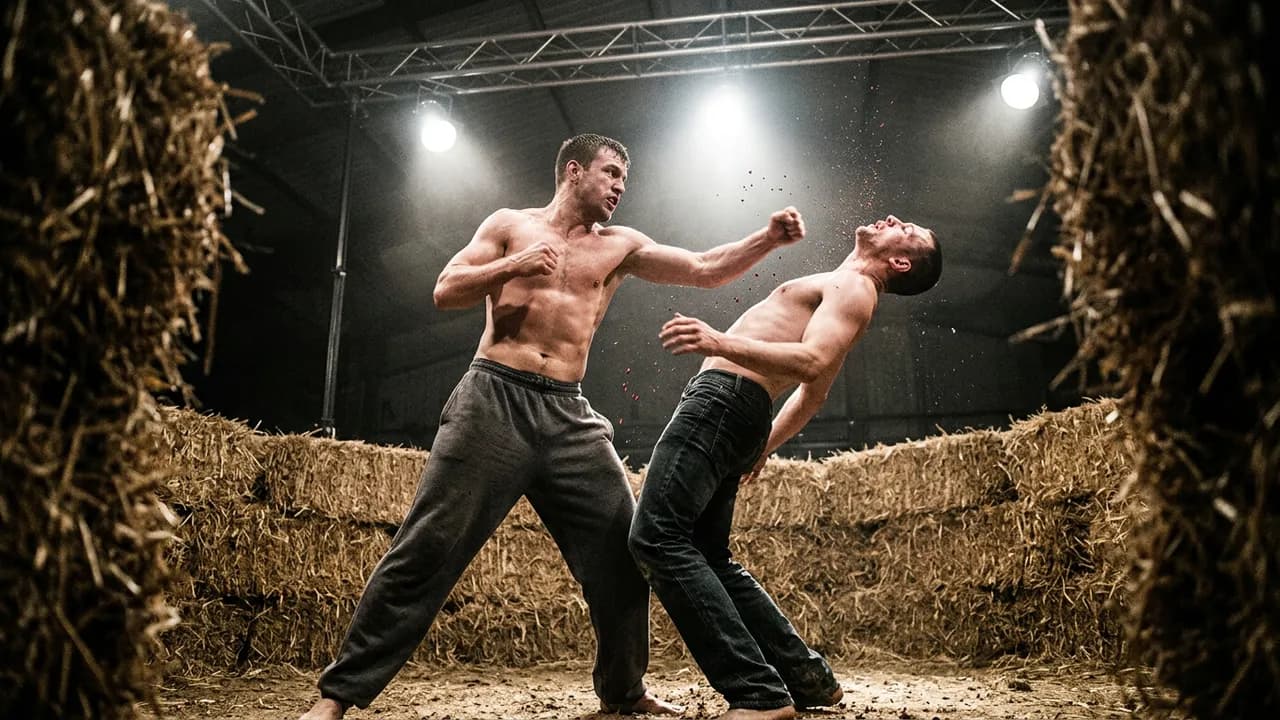
- Top Dog Fighting Championship: Fighters typically compete in sneakers or wrestling shoes, as the fighting surface is often concrete or compacted dirt surrounded by hay bales.
- Streetbeefs and backyard organizations: Depends on the surface. Grass events are often fought barefoot or in wrestling shoes. Hard surfaces may require athletic shoes.
If footwear is permitted or required:
- Wrestling shoes ($40-100): The best option for fighting. They provide ankle support, grip, and a thin sole that maintains ground feel. Brands like Asics, Adidas, and Nike make purpose-built wrestling shoes.
- Boxing shoes ($60-150): Similar to wrestling shoes but designed specifically for the pivoting and lateral movement of boxing. Higher-cut versions offer more ankle support.
- Cross-training shoes: Flat-soled cross-trainers with good lateral support are a workable budget alternative.
Avoid: Running shoes (too much heel cushion, poor lateral support), basketball shoes (too heavy, too thick a sole), and anything with an elevated heel.
5. Vaseline
Applied to the face -- particularly the eyebrows, cheekbones, and nose -- before a fight. Vaseline creates a slick surface that helps punches slide rather than catch on the skin, reducing the risk of cuts from friction. Your corner person should apply it between rounds as well, particularly to any areas showing redness or swelling.
A standard jar of petroleum jelly costs under $5 and lasts through dozens of fights.
6. Fight Shorts and Athletic Wear
Most organizations require:
- Shorts: Board shorts, MMA shorts, or boxing trunks. No zippers, buttons, or pockets that could injure either fighter. No belt buckles.
- No shirt (for male fighters in most organizations): The standard for bare knuckle fighting is shirtless.
- Sports bra and rash guard or fight top (for female fighters): Depending on the organization's dress code.
- No jewelry: Rings, necklaces, piercings, and watches must be removed. A ring on a finger can cause a devastating cut, and a necklace can become a choking hazard.
Training Gear: What You Need in the Gym
Training for bare knuckle fighting requires a different gear setup than training for gloved combat sports. Here is what you need.
7. Training Gloves
Yes, you still train in gloves. Fighting bare knuckle does not mean you should spar bare knuckle every day -- that is a fast track to chronic hand injuries, cuts, and damaged sparring partners.
- 16-ounce boxing gloves ($40-100): Use these for all regular sparring. The extra padding protects both you and your partner.
- 12-14-ounce gloves ($40-80): Suitable for bag work and mitt work, where the smaller size allows faster hand speed and better feedback.
- Bag gloves or MMA gloves ($20-60): For heavy bag work when you want to simulate the feel of bare knuckle striking with minimal padding.
8. Hand Wraps for Training
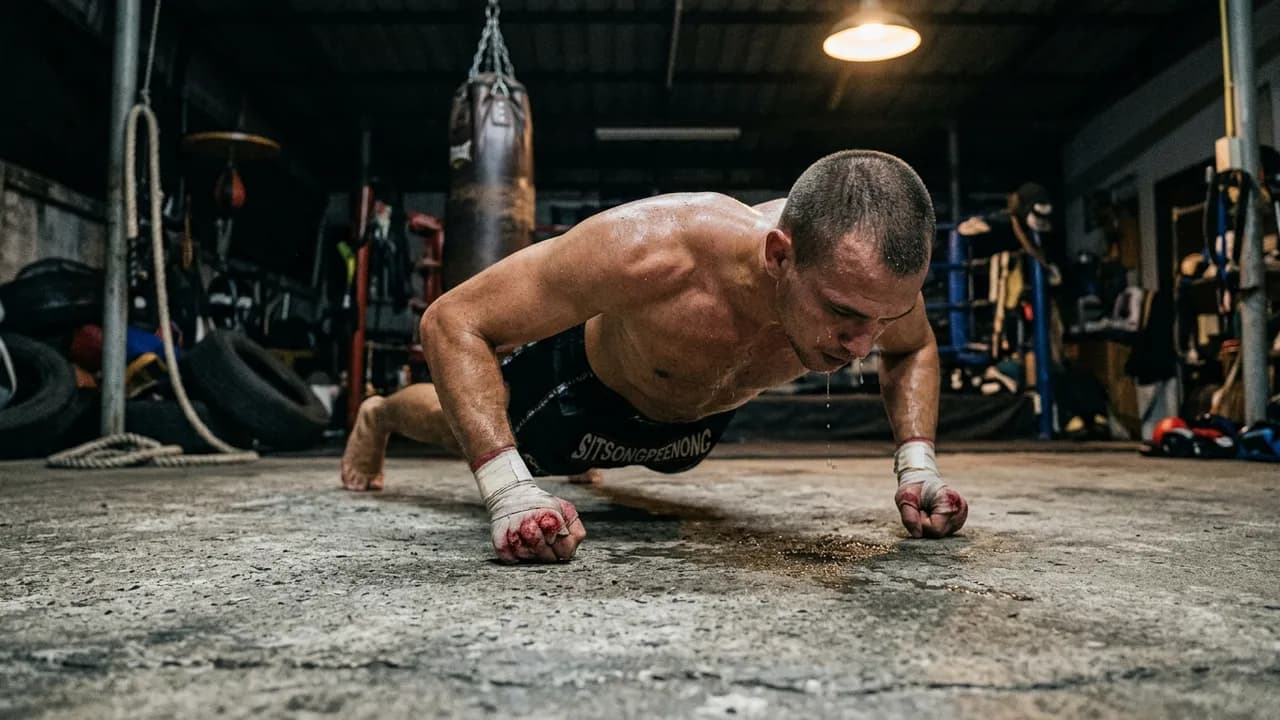
Standard 180-inch Mexican-style hand wraps are used under training gloves to protect the wrist and hand during bag work, mitt work, and sparring. Unlike competition wraps, training wraps cover the knuckles fully because you are wearing gloves over them.
Cotton wraps are the most common and cost $8-15 per pair.
Cotton wraps are the most common and cost $8-15 per pair. Buy at least three pairs so you always have a clean set available.
9. Heavy Bag
A heavy bag is essential for developing the power, accuracy, and conditioning needed for bare knuckle fighting. A standard 70-100 pound heavy bag is sufficient for most fighters.
Bare knuckle-specific training tip: Periodically do light rounds on the heavy bag without wraps or gloves, using controlled technique at 30-50% power. This conditions the skin of your knuckles, strengthens the small bones of the hand, and teaches you to punch with proper fist alignment -- a lesson that becomes critically important when there are no gloves to compensate for poor technique. Do not go hard without hand protection; the goal is conditioning, not injury.
10. Focus Mitts and Thai Pads
If you have a training partner or coach, focus mitts and Thai pads are indispensable for developing accuracy, timing, and combination work. High-quality mitts from brands like Fairtex, Twins, or Hayabusa will last years with proper care.
11. Headgear (for Sparring Only)
Full-face headgear with a nose bar and cheek protectors is recommended for sparring, especially hard sparring sessions. Headgear does not prevent concussions, but it does prevent cuts, reduce bruising, and protect the nose and orbital bones -- injuries that would otherwise sideline you from training.
Do not use headgear in competition. No bare knuckle organization permits it.
12. Shin Guards (for Kickboxing Training)
If you are training kicks as part of your conditioning or cross-training, shin guards protect both you and your sparring partner. Standard Muay Thai-style shin guards from brands like Fairtex, Twins, or Hayabusa are the standard. Not needed if your format is pure boxing.
First Aid and Corner Supplies
Whether you are fighting or helping someone else fight, having a stocked corner kit is essential.
13. First Aid Kit
A purpose-built fight night first aid kit should include:
- Gauze pads and rolls: For controlling bleeding from cuts.
- Medical tape: For securing gauze.
- Antiseptic wipes or solution: For cleaning cuts between rounds and after the fight.
- Ice packs (instant cold packs): For reducing swelling on bruised or swollen tissue.
- Butterfly bandages / Steri-Strips: For closing small cuts without stitches.
- Cotton swabs: For applying vaseline or enswell pressure to specific areas.
- Nitrile gloves: For anyone handling blood or open wounds.
- Scissors: For cutting tape and gauze.
14. Enswell (End Iron)
An enswell is a small, flat piece of metal that is kept on ice and pressed against swelling to reduce puffiness, particularly around the eyes. Used between rounds by the corner. A quality enswell costs $10-20 and is a staple of any serious corner kit. If you do not have one, a frozen metal spoon works in a pinch.
15. Adrenaline Chloride / Coagulant
Professional corners use adrenaline chloride (epinephrine 1:1000) on cotton swabs applied directly to cuts to constrict blood vessels and control bleeding. Over-the-counter coagulant products designed for combat sports serve the same purpose. These are valuable for managing cuts between rounds so a fighter can continue safely.
Gear Checklist: Competition Night
Here is the complete checklist for fight night:
| Item | Priority |
|---|---|
| Mouthguard | Mandatory |
| Athletic cup / groin protector | Mandatory |
| Hand wraps / athletic tape / gauze | Mandatory |
| Government-issued photo ID | Mandatory |
| Vaseline | Strongly recommended |
| Fight shorts (no zippers/buttons) | Mandatory |
| Wrestling or boxing shoes (if required) | Check organization rules |
| Water bottle | Essential |
| Towel | Essential |
| Corner supplies (ice, first aid, enswell) | Strongly recommended |
| Spare clothing (post-fight) | Recommended |
Gear Checklist: Training
| Item | Priority |
|---|---|
| 16-ounce sparring gloves | Essential |
| 12-14-ounce bag gloves | Recommended |
| 180-inch cotton hand wraps (3+ pairs) | Essential |
| Mouthguard | Essential (for sparring) |
| Athletic cup | Essential (for sparring) |
| Headgear | Recommended (for sparring) |
| Shin guards (if training kicks) | Recommended |
| Jump rope | Recommended |
| Heavy bag (home training) | Recommended |
How to Choose Quality Gear
The combat sports equipment market ranges from bargain-bin products that fall apart after three sessions to premium gear that will outlast your career. Here are the brands that consistently deliver for fighters at every price point:
- Mouthguards: Shock Doctor, SISU, Venum, or a custom-fitted guard from your dentist.
- Gloves: Winning (premium), Cleto Reyes (premium), Hayabusa (mid-range), Venum (mid-range), Title Boxing (budget).
- Hand wraps: Sanabul, Meister, Ringside (all budget-friendly and reliable).
- Cups: Diamond MMA (premium), Shock Doctor (mid-range), standard Thai-style steel cups from any reputable Muay Thai brand.
- Shoes: Asics wrestling shoes (best value), Nike Machomai or HyperKO (boxing shoes), Adidas wrestling shoes.
The Bottom Line
Bare knuckle fighting may look like the most stripped-down form of combat, but the fighters who last in this sport take their gear seriously. A quality mouthguard, a properly fitted cup, correct hand wrapping, and a well-stocked corner kit are not luxuries -- they are the baseline requirements for competing safely.
Invest in the essentials, maintain your equipment, and never cut corners on the items that protect your teeth, your hands, and your ability to walk away from a fight in one piece.
For a step-by-step guide to wrapping your hands for bare knuckle competition, read How to Wrap Your Hands for Bare Knuckle Fighting. For preparation advice, see How to Prepare for Your First Underground Fight.