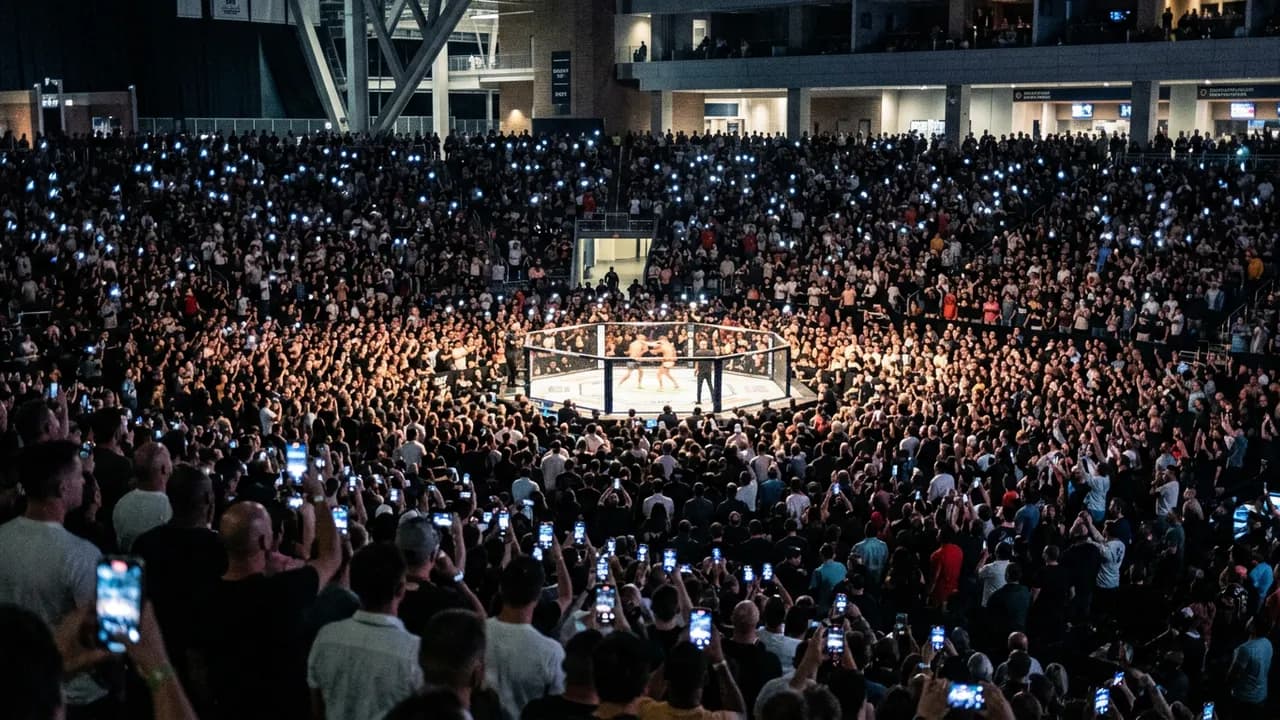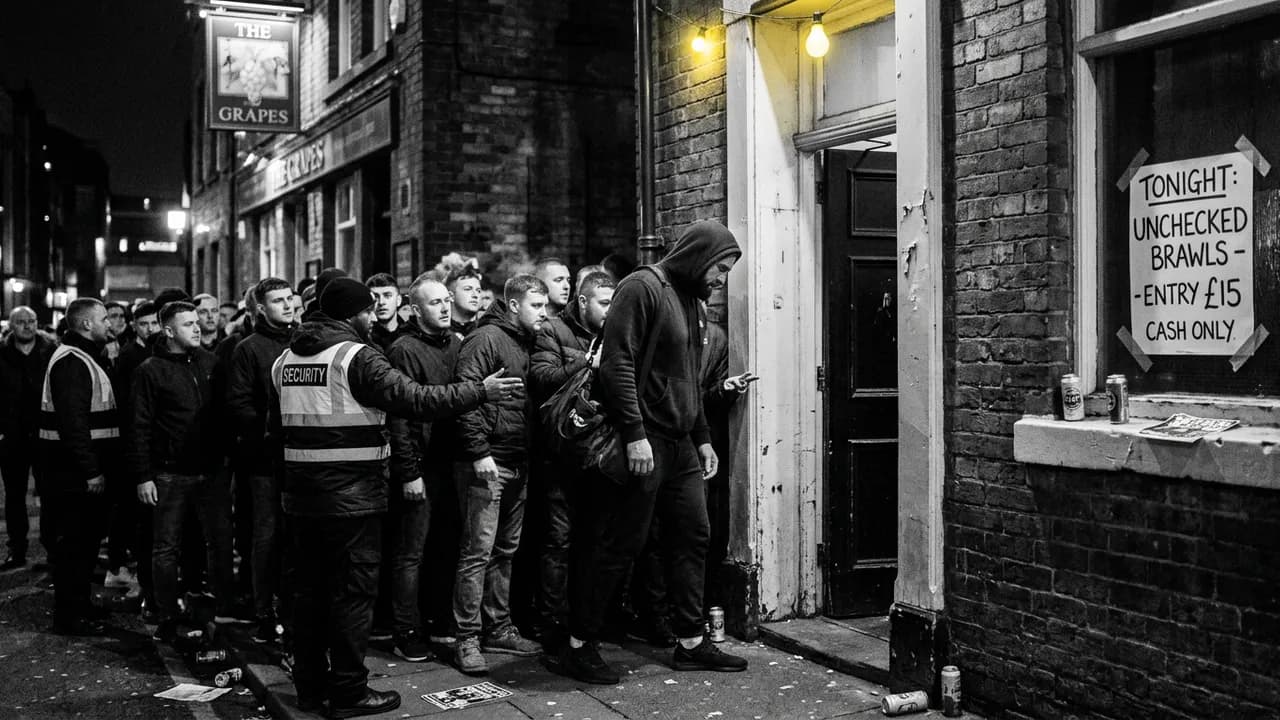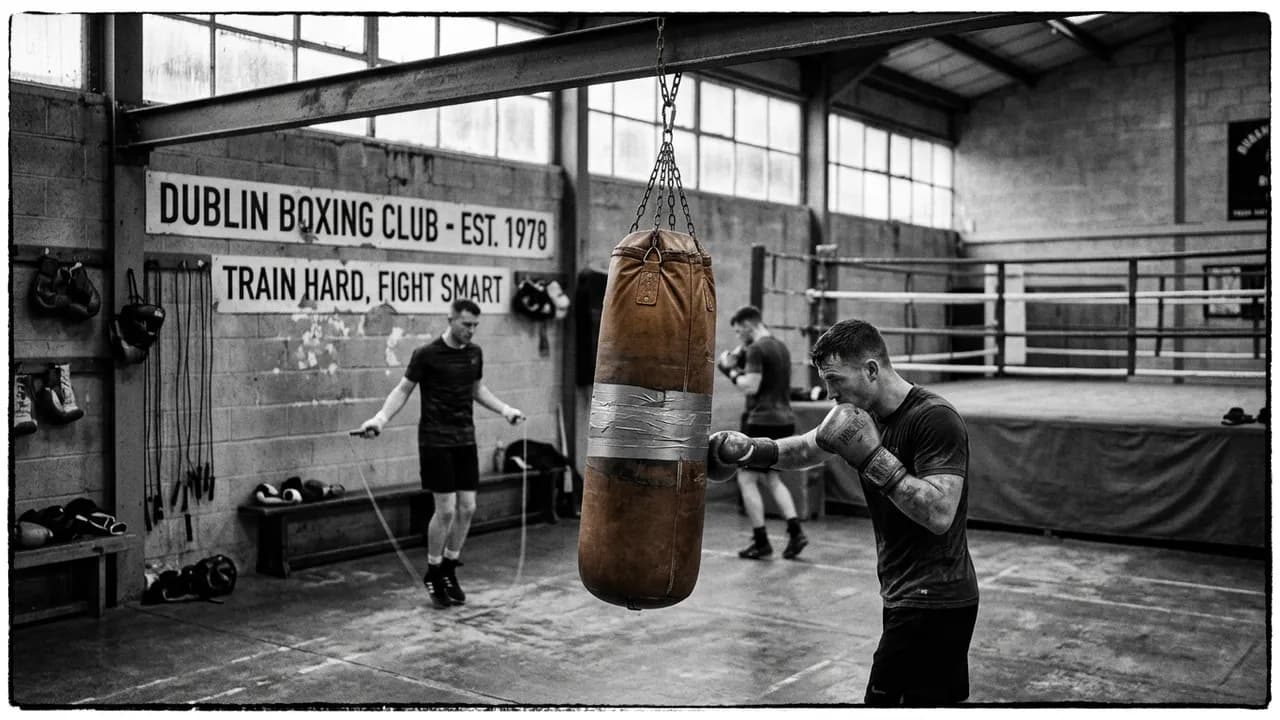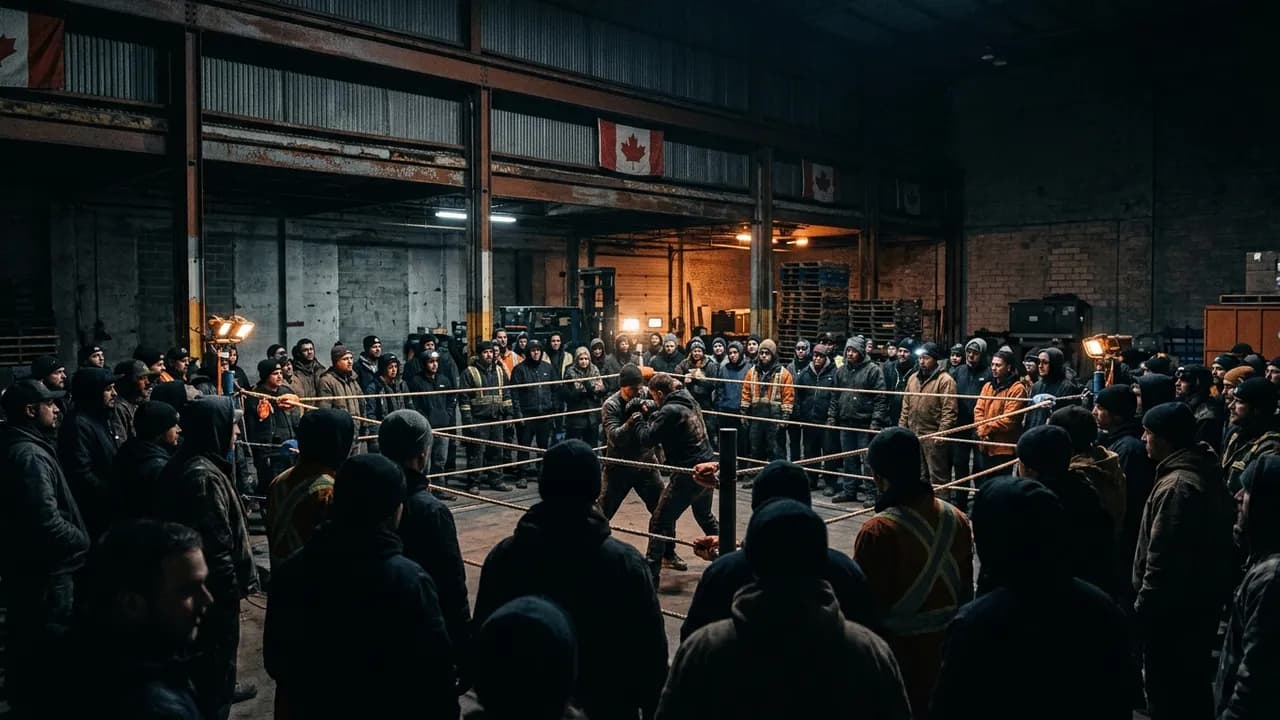
Canada has long lived in the shadow of its southern neighbor when it comes to combat sports, but the country has quietly built one of the most diverse fighting scenes in North America. Since MMA was fully legalized across all provinces in 2013, the sanctioned fight world has boomed, and alongside it, an underground circuit has flourished in cities like Montreal, Toronto, and Vancouver. From bare-knuckle brawls in warehouse districts to organized team fighting events, Canada's unsanctioned fight culture is thriving.
History
Combat sports in Canada have deep roots stretching back to the bare-knuckle boxing era of the 19th century, when prizefights were held in lumber camps and mining towns across the frontier. Boxing became a regulated sport early in the 20th century, but underground bouts never fully disappeared, particularly in working-class neighborhoods of Montreal and Toronto.
MMA had a rocky path to legalization. Ontario banned it outright until 2010, and it wasn't until 2013 that all provinces officially sanctioned professional MMA. During the years of prohibition, underground MMA events thrived in basements, bars, and rented halls. Some of these unsanctioned promotions developed loyal followings that persisted even after legalization.
The modern underground scene took shape in the mid-2010s with the rise of social media fight content. Canadian creators began filming backyard and warehouse fights, drawing millions of views. By 2020, organized bare-knuckle events and team fighting championships were attracting serious competitors from across the country.
Active Organizations
Canada's underground and semi-sanctioned fighting landscape includes several notable organizations:
- TFC (Team Fighting Championship) - The team-based MMA format found enthusiastic Canadian participants, with squads from Montreal and Toronto competing in 5-on-5 brawls that blend MMA with organized chaos.
- BKFC Canada - Bare Knuckle Fighting Championship has expanded into Canadian markets, hosting events in Ontario and Alberta under provincial athletic commission oversight.
- Fight Club YVR - A Vancouver-based underground promotion that organizes invite-only events in industrial spaces, featuring a mix of striking and grappling formats.
- 514 Fights - Montreal's most notorious underground promotion, named after the city's area code, hosting unsanctioned bouts in the city's east end.
- Prairie Brawls - Operating across Alberta and Saskatchewan, bringing bare-knuckle and rough-and-rowdy style events to smaller cities and rural communities.
Notable Fighters
Canada has produced fighters who have crossed between the sanctioned and unsanctioned worlds:
- "Iron" Mike Varshavski - A Toronto heavyweight who made his name in underground warehouse fights before transitioning to sanctioned BKFC bouts.
- Jean-Philippe "JP" Morin - A Montreal street fighter turned TFC team captain, known for his aggressive Muay Thai style in team brawls.
- Kyle "The Prairie Dog" Henderson - An Alberta bare-knuckle specialist who has competed in both sanctioned BKFC events and unsanctioned prairie circuit fights.
- Sarah "Savage" Chen - One of Canada's few prominent female underground fighters, competing out of Vancouver's underground MMA scene.
Legal Status
Canada's legal framework for combat sports is complex. Professional MMA and boxing are regulated by provincial athletic commissions, and bare-knuckle boxing has gained sanctioned status in several provinces. However, the patchwork of provincial regulations means that what's legal in Alberta may be prohibited in Quebec.
Unsanctioned fighting occupies a legal gray area. Under the Criminal Code of Canada, prizefighting is technically illegal unless sanctioned by a provincial authority. Section 83 of the Code specifically addresses this. In practice, enforcement varies wildly. Police in major cities generally turn a blind eye to smaller events, while larger unsanctioned promotions occasionally face shutdowns.
The growing popularity of content-based fighting has further blurred the lines. Events marketed as "entertainment" rather than "prizefighting" attempt to sidestep regulations, with mixed legal results.
How to Get Involved
Getting into Canada's underground fighting scene requires connections and persistence:
- Gyms - MMA and boxing gyms in Montreal (Tristar, BTT Canada), Toronto (Xtreme Couture), and Vancouver are the primary entry points. Training consistently and expressing interest will eventually lead to connections.
- Social media - Follow Canadian fight content creators on YouTube and Instagram. Many underground promotions recruit through DMs and comment sections.
- Amateur sanctioned events - Starting with sanctioned amateur MMA or boxing bouts builds credibility and connections that open doors to the underground circuit.
- TFC tryouts - Team Fighting Championship periodically holds open tryouts in Canadian cities for fighters interested in the 5-on-5 format.
FAQ
Is underground fighting legal in Canada?
Unsanctioned prizefighting is technically illegal under Section 83 of the Criminal Code of Canada. However, sanctioned MMA, boxing, and bare-knuckle fighting are legal when approved by provincial athletic commissions. Enforcement against underground events is inconsistent, and many operate in legal gray areas by avoiding formal "prizefighting" classifications.
Where can I watch Canadian underground fights?
Canadian underground fight content is primarily distributed through YouTube channels and social media platforms. TFC events are available on their official website and YouTube channel. BKFC Canada events are streamed on the BKFC app. Smaller underground promotions share footage through private social media groups and invite-only platforms.