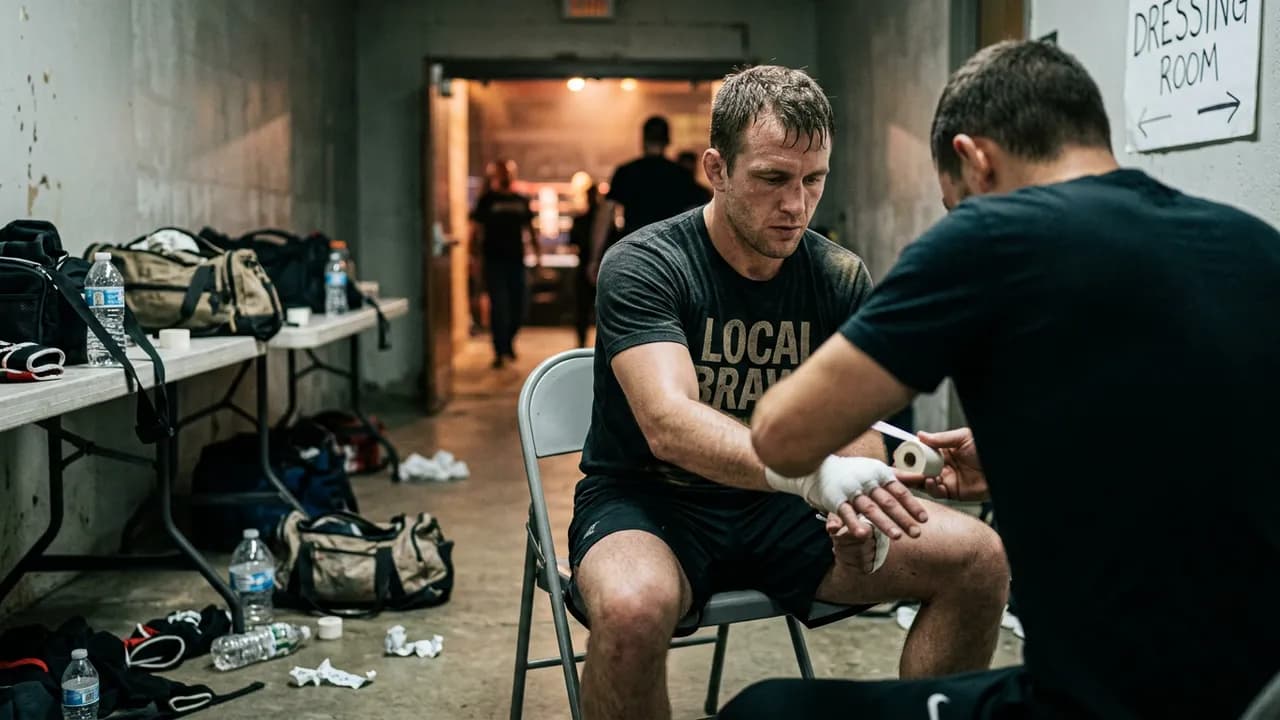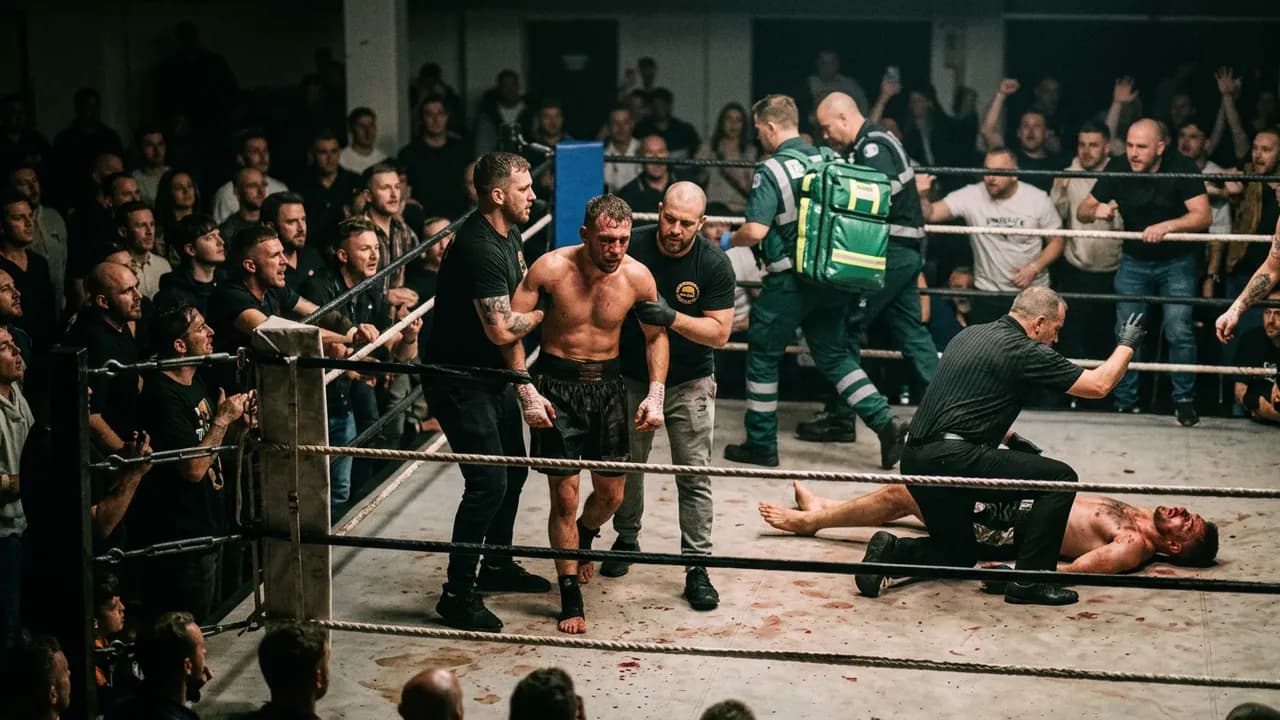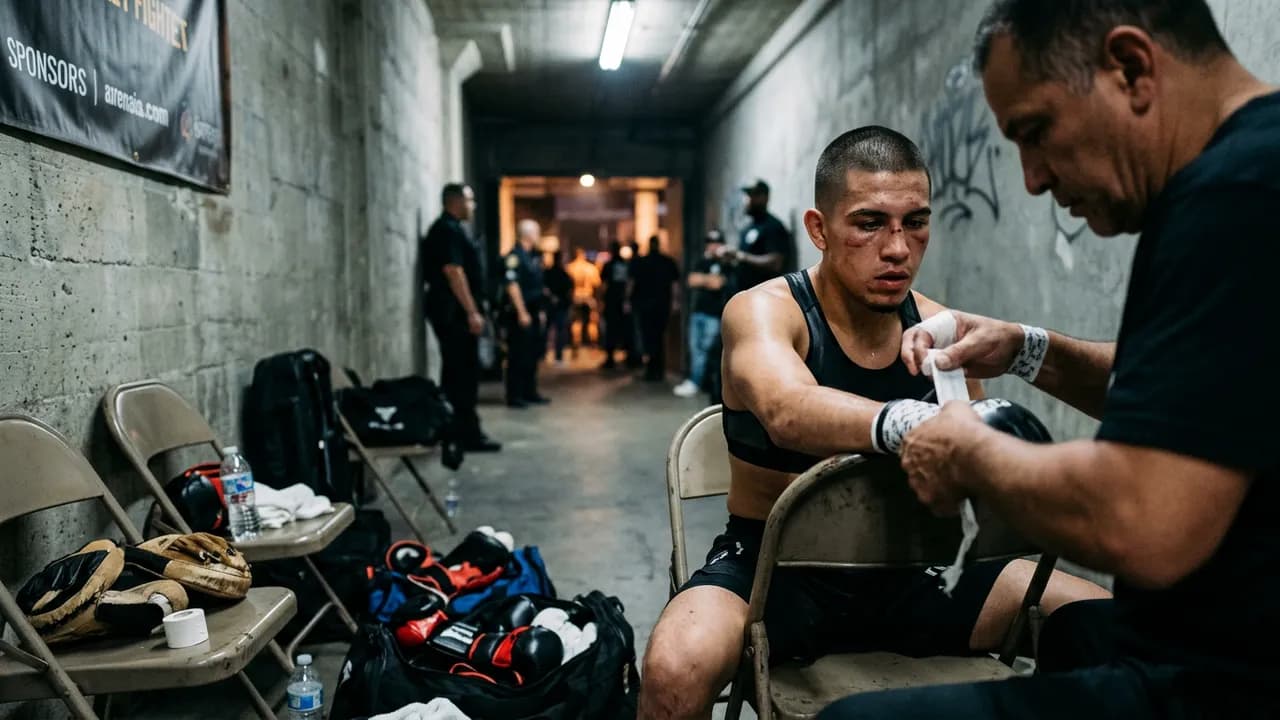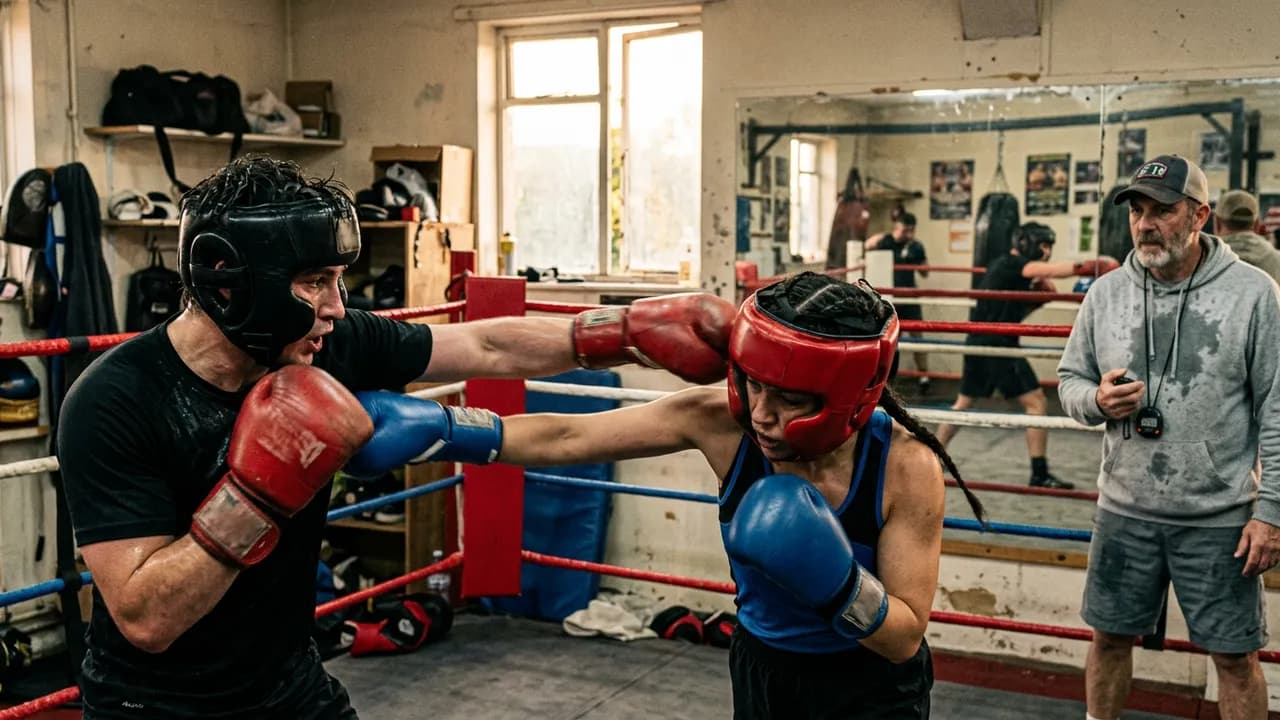
Every major backyard fighting organization started the same way: someone decided to give people a place to fight under real rules, in a controlled environment, with a camera rolling. Chris "Scarface" Wilmore did it in a Virginia backyard and built Streetbeefs into a channel with over 4 million YouTube subscribers and 1.4 billion views. Steve "Firechicken" Hagara did it in Gig Harbor, Washington, and turned The Scrapyard into a thriving affiliate. Backyard Squabbles grew out of pandemic-era Los Angeles with the motto "Guns Down, Squabble Up" and evolved into a legitimate promotion streaming on TrillerTV.
If you are thinking about starting your own backyard fight club, this guide covers everything you need to consider -- from the legal realities to the equipment, rules, safety systems, content strategy, and audience-building process that separate a sustainable organization from a one-off brawl that ends badly.
Step 1: Understand the Legal Landscape
This is the part most aspiring organizers skip, and it is the part that can shut you down or land you in serious trouble. The legality of hosting backyard fights depends heavily on your jurisdiction, and the laws vary significantly from state to state and country to country.
The Core Legal Issues
Mutual combat laws: Despite the popular idea, no US state has a law that lets consenting adults fight without criminal charges. A few allow consent as a defense to an assault charge when nobody is seriously hurt (see mutual combat laws by state), and none of them cover an organized event. Everywhere, all participants -- including organizers -- could face charges for affray (fighting in a public or private space), assault, or disorderly conduct, even if everyone involved consented.
Athletic commission jurisdiction: In many states, any organized combat sports event (including amateur boxing, kickboxing, or MMA) falls under the jurisdiction of the state athletic commission. If your event triggers commission oversight, you may be required to obtain permits, carry specific insurance, have licensed referees and medical personnel present, and comply with a detailed regulatory framework. The key factor that has allowed organizations like Streetbeefs to operate outside commission jurisdiction is that no fighters are paid and no admission is charged to spectators.
Zoning and noise ordinances: Even if the fighting itself is legal, your event could run afoul of local zoning laws or noise ordinances, especially in residential areas. Neighbors who hear shouting and see crowds gathering are likely to call the police.
Liability exposure: If someone is seriously injured at your event, you could face civil lawsuits regardless of whether criminal charges apply. Having fighters sign waivers is standard practice and offers some protection, but waivers do not make you bulletproof. If a court finds that you were negligent -- for example, by allowing mismatched fighters to compete, failing to stop a fight when a fighter was clearly incapacitated, or not having basic safety measures in place -- a waiver may not hold up.
How Existing Organizations Handle It
The organizations that have operated successfully for years share several common approaches:
- No fighter compensation: By not paying fighters, the events are positioned as private recreational activities rather than commercial combat sports promotions. This distinction has historically kept organizations like Streetbeefs outside the reach of state athletic commissions.
- No admission charges: Not charging spectators to attend reinforces the recreational, non-commercial framing.
- Signed waivers: Every fighter signs a liability waiver before competing.
- Age verification: Government-issued ID is required to confirm all participants are legal adults.
- Structured rules and safety measures: Operating with clear rules and visible safety protocols demonstrates a good-faith effort to manage risk, which matters both legally and in the court of public opinion.
Important: This guide is not legal advice. Before launching any organized fighting event, consult with an attorney in your jurisdiction who can assess your specific situation and advise on local laws.
Step 2: Secure a Location
The location you choose will define the character of your organization and determine many of your practical constraints.
Private Property Is Essential
Host events on private property that you own or have explicit permission to use. Public property (parks, parking lots, beaches) introduces a host of additional legal complications and virtually guarantees police intervention.
Location Requirements
- Sufficient space: You need enough room for a fighting area (at minimum a 16x16-foot space), a spectator area set back from the action, and a staging area for fighters to warm up and wait.
- Flat, even ground: Uneven surfaces create unnecessary injury risk. Grass, dirt, or sand are all workable, but the surface should be level and free of debris, rocks, and holes.
- Privacy: The more visible your event is to the general public, the more likely you are to attract unwanted attention. A fenced backyard, a rural property, or a warehouse space offers more privacy than an open lot.
- Parking: Fighters and any spectators need somewhere to park without blocking roads or drawing complaints.
- Access to water and bathrooms: Basic but essential. People need to stay hydrated, and fighters need to clean up after bouts.
Indoor vs. Outdoor
Outdoor events are the backyard fighting tradition, but they come with weather dependency and visibility concerns. Indoor spaces (garages, warehouses, barns) offer weather protection and more privacy but may have ventilation and space limitations. Many organizations start outdoors and move indoors as they grow.
Step 3: Get the Right Equipment
You do not need a massive budget to get started, but you do need the basics.
Fighting Area
- A defined ring or fighting area: At minimum, mark out a clear boundary using ropes, hay bales, tires, or a portable ring. Top Dog Fighting Championship uses hay bales to great effect. A raised platform or boxing ring adds legitimacy but is a significant investment (a used boxing ring runs $2,000-5,000).
- Floor protection (for indoor events): Wrestling mats or puzzle-piece foam mats (at least 1.5 inches thick) reduce the risk of injury from takedowns and knockdowns. Essential for MMA events.
Fighter Equipment
At minimum, require every fighter to bring:
- Mouthguard (mandatory -- no exceptions)
- Athletic cup (mandatory for male fighters)
- Boxing gloves (10-16 ounce for boxing events; 4-ounce MMA gloves for MMA events) or hand wraps for bare knuckle formats
- Appropriate clothing (shorts, no shirts with zippers or buttons, no jewelry)
Consider purchasing a stock of backup gloves and mouthguards for fighters who show up unprepared. Boil-and-bite mouthguards cost under $5 each in bulk.
Safety Equipment
- First aid kit: A well-stocked kit including bandages, gauze, antiseptic, ice packs, medical tape, scissors, and gloves. Not optional.
- Ice and cold water: For treating swelling, cooling fighters down, and hydration.
- Vaseline: Applied to fighters' faces before bouts to reduce friction-based cuts.
- Towels: Clean towels for each fight.
- A stool or chair: For fighters to sit between rounds.
- A bell, horn, or timer: Something audible to signal the start and end of rounds.
Step 4: Establish Your Rules and Format
Clear rules are what separate a fight club from a street brawl. They protect fighters, protect you as an organizer, and give your content a professional framework that audiences take seriously.
Deciding on Formats
Most organizations offer multiple combat sports disciplines. Common options include:
- Boxing: Gloves required (10-16 ounce), punches only, no clinching beyond brief exchanges.
- Kickboxing: Gloves required, punches and kicks permitted.
- MMA: 4-ounce gloves, full striking and grappling permitted.
- Grappling / BJJ: Submission-only, no strikes.
- Bare knuckle boxing: Hand wraps only (with specific wrapping rules), punches only.
Starting with boxing is the simplest option. The rules are straightforward, the equipment requirements are minimal, and the format is easy for both fighters and audiences to understand. You can add additional disciplines as your organization grows.
Essential Rules
Regardless of format, enforce the following baseline:
- All fighters must be 18+ with valid government-issued ID.
- Weight classes are enforced. Match fighters within 10-15 pounds of each other. Mismatches are dangerous and look bad on camera.
- A referee is present for every fight. This is non-negotiable. The referee's job is to stop fights when a fighter cannot intelligently defend themselves, enforce the rules, and ensure both fighters are competing safely.
- Fights can end by knockout, technical knockout (referee stoppage), submission, verbal surrender, or corner stoppage.
- No strikes to the back of the head, spine, or groin. No eye gouging, biting, or fish-hooking.
- Both fighters must agree on the format and rules before the bout begins.
- No fighting under the influence of alcohol or drugs.
- The referee's decision is final.
Round Structure
For amateur backyard events, shorter rounds work best:
- Boxing: Three rounds of two minutes, with one-minute rest periods.
- Kickboxing / MMA: Three rounds of two minutes, with one-minute rest periods.
- Grappling: One round of five minutes, or a time limit agreed upon by both competitors.
As fighters gain experience and your event production matures, you can adjust round lengths and add more rounds for main events.
Step 5: Build Your Safety Protocol
Safety is the backbone of a sustainable fight organization. A serious injury that could have been prevented will shut you down faster than any legal issue.
Pre-Fight Safety Checklist
- Verify each fighter's ID and age.
- Have each fighter sign a liability waiver.
- Confirm both fighters understand and agree to the rules.
- Check equipment: mouthguard fitted, cup in place, gloves secured, no jewelry or hard objects.
- Apply vaseline to the face.
- Confirm a designated person is responsible for calling emergency medical services if needed.
- Know the address of the nearest hospital and have it written down or saved on a phone.
During the Fight
- The referee must be empowered to stop the fight at any time for any safety reason.
- If a fighter is knocked down, give them a standing count. If they cannot continue, stop the fight.
- If a fighter signals surrender (tapping out, verbal surrender, or turning away), the fight is immediately over.
- Watch for signs of concussion: confusion, stumbling, inability to follow commands, unresponsiveness.
Post-Fight Protocol
- Check on both fighters immediately after the fight ends.
- Apply ice to any visible swelling.
- Monitor fighters who took significant head trauma for at least 30 minutes after the fight. Do not let them drive home alone.
- If a fighter shows any concussion symptoms -- dizziness, nausea, slurred speech, loss of consciousness, confusion -- they need medical evaluation. Call emergency services or drive them to the nearest emergency room.
What About Insurance?
Standard liability insurance policies typically exclude combat sports because they are classified as high-risk activities. Specialized combat sports insurance does exist and covers participant injuries, instructor liability, and event coverage. Companies like Fight Club Insurance offer policies specifically designed for combat sports organizations. If you plan to run events regularly, investing in proper insurance is strongly recommended.
Step 6: Film and Produce Content
The vast majority of successful backyard fight organizations are also content operations. The fights themselves generate the content that builds your audience, attracts new fighters, and (eventually) creates revenue through YouTube ad revenue, PPV sales, or sponsorships.
Camera Equipment
You do not need a Hollywood production setup to get started:
- Minimum viable setup: A single GoPro or smartphone on a tripod. The Scrapyard films all of its fights with a GoPro and has built a solid YouTube following.
- Upgraded setup: Two to three cameras (one wide angle capturing the full ring, one tighter angle on the fighters, and one handheld for walk-ins and crowd reactions) with external microphones for commentary.
- Audio: If you are adding commentary, use a separate lapel microphone or a directional mic. Built-in camera microphones pick up too much ambient noise.
Editing and Upload
- Keep videos tight. A full fight card can be uploaded as individual fights (best for YouTube discovery and algorithm performance) or as a single event (better for PPV and audience retention).
- Include fighter names, weight classes, and the format in the video title and description.
- Upload consistently. The YouTube algorithm rewards channels that post on a regular schedule.
Branding
Give your organization a name, a logo, and a visual identity. This is what separates a content brand from random fight footage. Think about what made organizations like Streetbeefs and Backyard Squabbles instantly recognizable: a consistent name, a recurring location ("Satan's Backyard"), and a clear mission statement.
Step 7: Build an Audience
Start With YouTube
YouTube is the primary platform for underground fighting content. Upload every fight, optimize your titles and descriptions with searchable terms, and use thumbnails that are visually compelling without being clickbait. Tag your videos appropriately and include links to related videos in each description.
Use Social Media for Discovery
- TikTok: Short knockout clips, dramatic finishes, and highlight reels go viral on TikTok and drive new viewers to your YouTube channel.
- Instagram: Post fight clips, behind-the-scenes content, and fighter spotlights. Use Instagram Stories and Reels for event day coverage.
- Facebook Groups: Create a dedicated Facebook group for your organization. This is where you will recruit fighters, announce events, and build a core community. Multiple successful organizations -- including Streetbeefs and The Scrapyard -- use Facebook groups as their primary fighter recruitment platform.
Recruit Fighters
A fight club without fighters is just a backyard. Actively recruit by:
- Posting in local combat sports communities and Facebook groups.
- Reaching out to local boxing and MMA gyms.
- Allowing fighters to sign up through your website or social media.
- Making the sign-up process simple and the rules clear.
- Treating fighters well so they come back and bring friends.
Cross-Promote
Reach out to other backyard organizations for cross-promotion. The underground fighting community is surprisingly collaborative. Many organizations share audiences, link to each other's content, and even send fighters to compete at each other's events.
Step 8: Scale Responsibly
If your organization gains traction, resist the temptation to scale too fast. The organizations that have lasted -- Streetbeefs has been running since 2008 -- grew steadily while maintaining their safety standards and community culture.
Revenue Paths
As you grow, several revenue opportunities emerge:
- YouTube ad revenue: Once you meet YouTube's monetization thresholds (1,000 subscribers and 4,000 watch hours), you can begin earning from ads.
- Merchandise: Branded shirts, hats, and gear.
- PPV events: As your audience grows, you can transition marquee events to a paid model.
- Sponsorships: Combat sports brands, supplement companies, and other businesses may sponsor your events or individual fighters.
- Live event tickets: Once you are large enough to hold events in venues, ticket sales become an option -- though charging admission may trigger state athletic commission oversight.
Affiliate Model
The Streetbeefs affiliate model is worth studying. Rather than trying to run every event yourself, you can license your brand and rules framework to affiliates in other cities or states, allowing the organization to grow geographically without you personally overseeing every event. The Scrapyard in Washington State is the most prominent example of this model in action.
The Bottom Line
Starting a backyard fight club is part combat sports promotion, part content creation, part community building, and part legal navigation. The organizations that succeed long-term are the ones that prioritize fighter safety, maintain consistent rules, produce quality content, and grow their audience with patience and authenticity.
Start small. Get the fundamentals right. Build a reputation for running fair, safe events. The audience and the fighters will follow.
For information on fighter preparation, see How to Prepare for Your First Underground Fight. For equipment details, read Essential Gear for Bare Knuckle Fighting.