Bare knuckle fighting is no longer an underground curiosity. It is a legitimate, sanctioned, and rapidly growing professional sport -- and for the first time in over a century, there is a clear career path for fighters who want to compete without gloves. Organizations like BKFC (Bare Knuckle Fighting Championship), BKB in the United Kingdom, and regional bare knuckle promotions around the world are actively scouting, signing, and paying fighters at every level. The question is no longer whether you can make a career in bare knuckle fighting. The question is whether you are willing to do what it takes to get there.
This guide covers every step of the journey -- from the foundational skills you need, to the physical and mental preparation required, to the specific pathways for getting scouted and signed by a major promotion. If you are serious about stepping into the ring with nothing but wrapped wrists and your own two fists, this is your roadmap.
What Makes Bare Knuckle Fighting Different
Before you commit to this path, you need to understand what separates bare knuckle fighting from gloved boxing, MMA, or any other combat sport. The differences are not cosmetic -- they are fundamental, and they will reshape how you train, how you fight, and how you manage your body over a career.
No Gloves, Different Mechanics
In traditional boxing, 10-ounce or 8-ounce gloves add padding that absorbs a significant portion of each punch's impact. They also enlarge the striking surface, making it easier to block, parry, and cover up defensively. Remove the gloves and everything changes. Punches land harder on the target but also transmit more force back into the fighter's hands. The smaller striking surface -- your bare knuckles -- means defensive coverage is reduced. You cannot hide behind a high guard the way a gloved boxer can. Shots slip through gaps that gloves would have sealed.
Cuts and Damage
Bare knuckle fights produce more lacerations than gloved bouts. Knuckle bones meeting facial skin creates cutting action that boxing gloves partially mitigate. Doctor stoppages due to cuts are common. Fighters who bleed easily or who have scar tissue from previous fights face a distinct disadvantage. This is a reality you must accept and prepare for.
Shorter Fights, Higher Intensity
Most bare knuckle bouts under BKFC rules are five two-minute rounds (championship fights are five rounds as well, sometimes longer). The pace is relentless. Fights often end early via knockout or TKO. There is little room for the kind of cautious, point-fighting approach that can work in 12-round gloved boxing. You need to be fit, fast, and willing to engage.
Hand Injuries
This is the defining occupational hazard. Without the structural support of gloves, hand fractures -- particularly of the metacarpal bones -- are significantly more common. Your hands are your primary weapons and your primary vulnerability. How you condition, protect, and use them will determine the length and quality of your career.
Skills You Need to Develop
Boxing Fundamentals
The core of bare knuckle fighting is boxing. You need a solid orthodox or southpaw stance, clean footwork, a reliable jab, straight right hand (or left, for southpaws), hooks, uppercuts, and body shots. But bare knuckle boxing rewards certain techniques more heavily than gloved boxing does.
Straight punches over hooks. Without gloves, the risk of hand injury increases when you throw wide, looping hooks. Straight punches -- the jab and cross -- land with the two largest knuckles (the index and middle finger knuckles), which are structurally the strongest part of the fist. Fighters who rely on straight, disciplined punching tend to have longer careers and fewer hand problems.
Body work. Because the defensive guard is less effective without gloves, body shots become a premium weapon. The midsection is a softer target than the skull, meaning less impact returned to your hands and more cumulative damage to your opponent. The best bare knuckle fighters in the world -- Mike Perry, Luis Palomino, Britain Hart -- all invest heavily in body attacks.
Head movement. You cannot rely on your gloves to catch punches. Instead, you need to slip, bob, weave, and pull back. Fighters who stand stationary and try to block with their forearms will get cut up. Movement is survival.
Clinch Work
Under BKFC rules, clinch fighting is limited -- the referee will break fighters apart if the clinch becomes unproductive. But the ability to tie up an opponent briefly, create angles, and land short shots in the clinch is still a valuable skill. Many successful bare knuckle fighters use the clinch to smother aggressive opponents, reset the distance, or land sneaky uppercuts and short hooks on the inside.
Ring Generalship
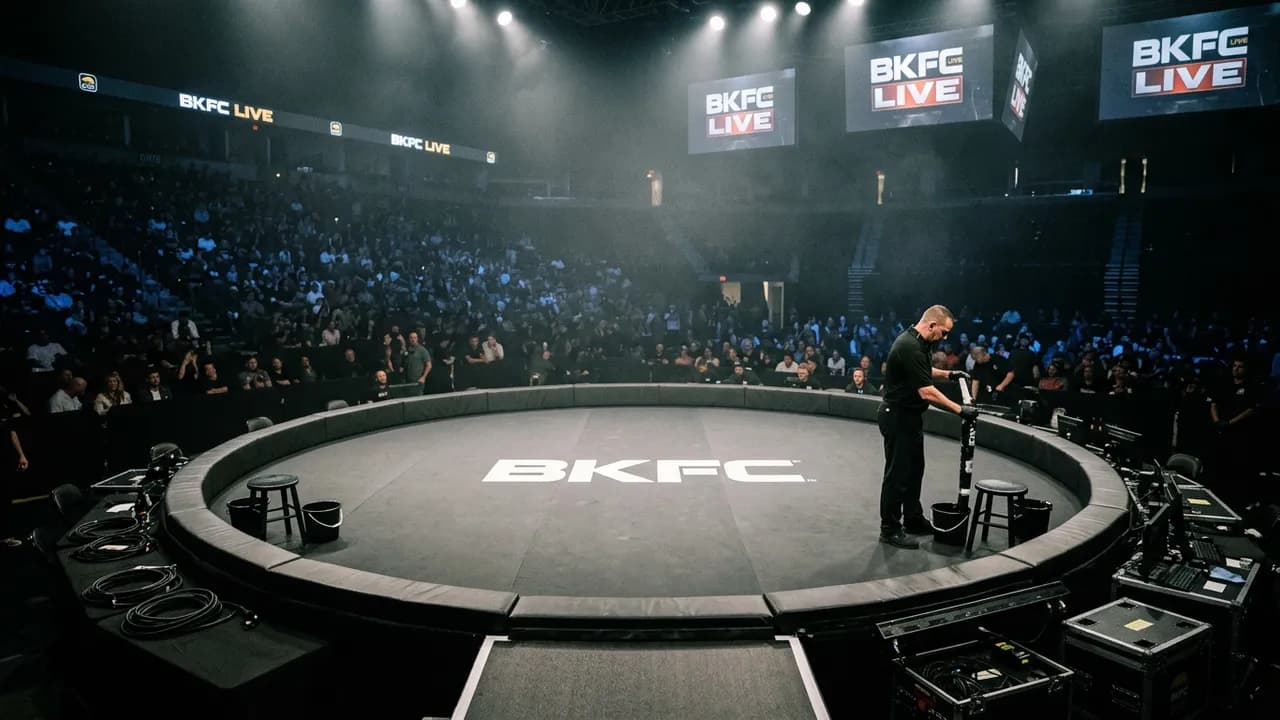
BKFC fights take place in a circular ring, not a square ring or octagon. The circular shape eliminates corners, which changes how you cut off the ring and control distance. Learning to fight in a circular space -- maintaining center ring position, using lateral movement, angling off after exchanges -- is a specific skill that separates experienced bare knuckle fighters from newcomers.
Hand Conditioning: The Most Important Investment
Your hands will make or break your career in bare knuckle fighting. Period. Hand conditioning is not optional -- it is the single most important training element that separates bare knuckle fighters from every other striker on earth.
Progressive Impact Training
Start slowly. Hit a heavy bag with bare hands using light, controlled single punches. Focus on landing with the index and middle finger knuckles -- not the ring or pinky finger knuckles, which are smaller and far more prone to fracture. Keep your wrist dead straight on every punch. Your hand, wrist, and forearm should form a single rigid line at the moment of impact.
03 / Up next / Rice Bucket Training
Over weeks and months, gradually increase the power and volume. Move from single shots to short combinations. Then to full-power combinations. This progressive overload toughens the skin, strengthens the connective tissue in the hand and wrist, and teaches your brain the precise alignment required to punch hard without breaking something.
Rice Bucket Training
A classic hand-conditioning method used by martial artists for centuries. Fill a deep bucket with uncooked rice and perform a series of gripping, twisting, and plunging movements with your hands submerged. This strengthens the intrinsic muscles of the hand and forearm, builds grip strength, and improves the resilience of the tendons and ligaments that stabilize the wrist.
Knuckle Push-ups
Performing push-ups on your fists -- specifically on the first two knuckles -- conditions the skin and bones to tolerate impact. Start on a soft surface and progress to harder surfaces as your tolerance builds. This is a daily habit for serious bare knuckle fighters.
Wrist Strengthening
Wrist curls, reverse wrist curls, and forearm roller exercises build the muscular support around the wrist joint. A strong wrist is less likely to buckle under the force of a hard punch. Many fighters also use wrist wraps during heavy bag work (even in training) to reinforce proper alignment while their conditioning develops.
What to Avoid
Do not punch walls, concrete, or hard surfaces without proper progression. The goal is to condition the hands, not to fracture them before you ever fight. Do not ignore pain. If a knuckle or metacarpal is swelling or throbbing after training, rest it. A stress fracture that you train through will become a full fracture that sidelines you for months.
Fitness Requirements
Bare knuckle fighting demands a specific type of fitness. You need explosive power, sustained anaerobic capacity, and enough aerobic conditioning to recover between rounds.
Cardiovascular Endurance
A baseline of strong aerobic fitness is non-negotiable. Running, cycling, swimming, or rowing -- pick your modality and build to a minimum of 30 to 40 minutes of sustained moderate-intensity work at least three times per week. This forms the foundation that allows you to recover between bursts of high-intensity output.
Anaerobic Conditioning
This is where fights are won and lost. Bare knuckle rounds are short and violent. You need the ability to sustain high-intensity output for two minutes at a time, recover in a 60-second break, and do it again. Interval training is the gold standard. Sprint intervals (30 seconds on, 30 seconds off, repeated 10 to 15 times), heavy bag rounds, Assault bike sprints, and rowing intervals all develop the metabolic pathways you will rely on during a fight.
Strength Training
You do not need to be a powerlifter. You need functional, fight-applicable strength. Focus on compound lifts -- squats, deadlifts, pull-ups, overhead presses, and rows. Power cleans and medicine ball throws develop the explosive hip rotation that generates knockout power. Keep the rep ranges moderate (3 to 8 reps) and prioritize moving weight quickly over moving maximum weight.
Neck Strengthening
An often-overlooked element. A strong neck absorbs the shock of punches that land on the jaw and chin, reducing the risk of knockout. Neck bridges, band-resisted neck flexion and extension, and manual resistance exercises should be part of your weekly routine.
The Path to Getting Signed
Step 1: Build a Combat Sports Background
No major bare knuckle promotion is going to sign a complete unknown with zero fight experience. You need a verifiable record in some form of sanctioned combat sport -- amateur boxing, professional boxing, kickboxing, Muay Thai, or MMA. BKFC's roster is stacked with former UFC fighters, professional boxers, and experienced kickboxers. Even their entry-level signees typically have at least a few amateur or professional fights on their record.
If you are starting from zero, begin with amateur boxing. It is the closest discipline to bare knuckle fighting and will build the foundational skills you need. Compete in local and regional amateur tournaments to build a record and gain experience.
Step 2: Compete in Regional or Semi-Sanctioned Events
Before you reach the big leagues, consider gaining experience in regional bare knuckle events or semi-sanctioned promotions. Organizations like Rough N Rowdy, Streetbeefs, or The Scrapyard offer opportunities to test yourself in less formal settings. Some of these platforms have YouTube channels with millions of subscribers, which means your performances will be visible to scouts and matchmakers.
Step 3: Attend BKFC Tryouts
BKFC holds open tryouts in cities across the United States throughout the year. These are your direct pathway into the biggest bare knuckle promotion in the world. To apply, visit the BKFC Tryouts page at bkfc.com/tryouts and fill out the fighter inquiry form. The tryouts management team will contact you when a session is scheduled near your area.
At a BKFC tryout, you can expect to:
- Demonstrate your striking skills on pads and bags.
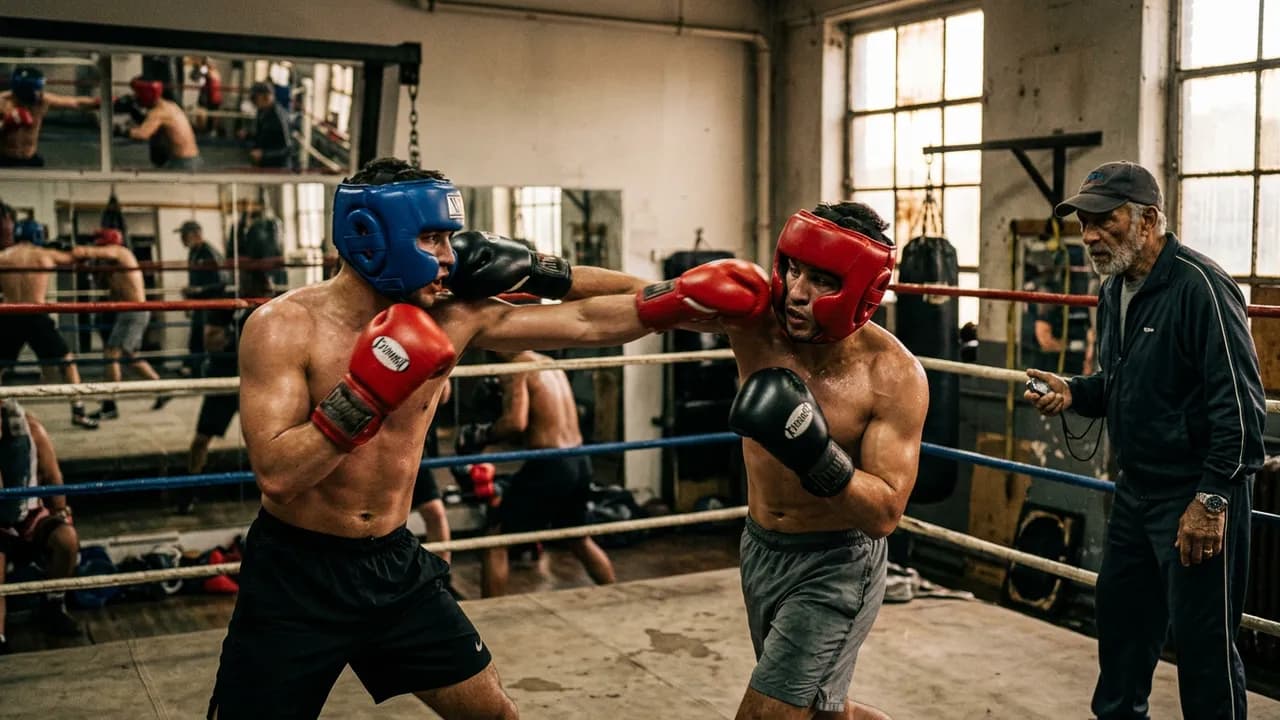
- Engage in controlled sparring with other tryout participants.
- Be evaluated on your fitness, technique, aggression, and entertainment value.
- Meet with matchmakers who assess your potential for the promotion's roster.
BKFC also launched the Prospects Series, where tryout standouts compete in front of BKFC President David Feldman and matchmakers for a chance at a full contract. Think of it as the bare knuckle equivalent of a professional sports combine.
Step 4: Build a Highlight Reel
In the age of social media, your digital presence matters. Film your training sessions, sparring rounds, and amateur fights. Post them on Instagram, YouTube, and TikTok. Tag BKFC, matchmakers, and established fighters. Promotions are actively scouting social media for talent. A single viral knockout clip or an impressive training highlight can put you on a matchmaker's radar faster than any application form.
Step 5: Network Within the Combat Sports Community
Attend BKFC events. Introduce yourself to fighters, trainers, and promotion staff. Train at gyms that have produced bare knuckle fighters. The combat sports world is smaller than you think, and personal connections open doors that cold applications cannot. If a respected trainer or established fighter vouches for you, your chances of getting a look increase dramatically.
What to Expect: Fighter Pay and Career Economics
Bare knuckle fighting is not going to make you rich overnight -- but the economics are improving rapidly. Here is a general breakdown of what fighters earn at BKFC, the industry's largest promotion:
| Level | Typical Pay Per Fight |
|---|---|
| Entry-level / Debut fighters | $2,000 - $5,000 |
| Developing fighters (2-5 BKFC fights) | $5,000 - $10,000 |
| Mid-tier established fighters | $10,000 - $30,000 |
| Top-card / title contenders | $30,000 - $100,000 |
| Headliners / former UFC veterans | $100,000+ |
Fighters may also earn performance bonuses for knockouts and Fight of the Night awards. BKFC's growing revenue -- fueled by Conor McGregor's part-ownership and the expansion of KnuckleMania events drawing over 18,000 fans -- suggests that fighter pay will continue to increase as the sport grows.
06 / Up next / Mental Preparation: The Part Nobody Talks About
Beyond BKFC, fighters can earn income through sponsorships, social media partnerships, training seminars, and appearances. Building a personal brand alongside your fighting career is no longer optional -- it is essential.
Mental Preparation: The Part Nobody Talks About
Fighting without gloves is psychologically different from fighting with them. There is a raw vulnerability to bare knuckle combat that gloved fighters do not experience. You can feel every bone in your opponent's face when you land. You can see the cuts open in real time. And you know that the same thing is happening to your own body.
Mental toughness in bare knuckle fighting comes from three sources:
Preparation. The more prepared you are -- physically, technically, and strategically -- the less anxiety you carry into the ring. Confidence is built in the gym.
Exposure. Hard sparring, controlled bare knuckle training, and competition experience all desensitize you to the intensity of the format. The first time you punch someone bare-fisted is jarring. The fiftieth time is routine.
Acceptance. You will get cut. You will hurt your hands. You will take shots that rattle you. Accepting these realities before they happen allows you to process them in real time without panicking. The fighters who thrive in bare knuckle are not the ones who avoid damage -- they are the ones who absorb it and keep executing their game plan.
Common Mistakes to Avoid
Skipping hand conditioning. You will regret it the moment you throw your first hard punch without gloves.
Fighting too wild. Bare knuckle rewards precision, not recklessness. Wild swinging leads to broken hands, gassed cardio, and clean counters from disciplined opponents.
Ignoring defensive skills. Many fighters get seduced by the aggressive, fan-friendly nature of bare knuckle and neglect their defensive fundamentals. Head movement, footwork, and ring awareness save careers.
Rushing the timeline. Do not walk into a BKFC tryout after three months of training. Build a genuine skill base over at least 18 to 24 months of consistent training and amateur competition before pursuing a professional bare knuckle career.
Neglecting recovery. Bare knuckle fighting is brutal on the body. Prioritize sleep, nutrition, physical therapy, and adequate time between fights. A career built on accumulated damage is a short career.
Your Next Steps
If you are serious about becoming a bare knuckle fighter, here is your action plan:
- Start training now. Find a boxing or MMA gym with experienced coaches. If you have no combat sports background, begin with amateur boxing fundamentals.
- Begin hand conditioning immediately. Light bare-knuckle heavy bag work, rice bucket training, and knuckle push-ups. Build gradually over months, not days.
- Compete in amateur sanctioned events. Build a verifiable fight record in boxing, kickboxing, or MMA.
- Apply for BKFC tryouts. Submit your information at bkfc.com/tryouts and train specifically for the tryout format.
- Build your digital presence. Film everything. Post your best work. Make it easy for scouts and matchmakers to find you.
- Study the sport. Watch BKFC events. Study how elite bare knuckle fighters like Mike Perry, Christine Ferea, and Eddie Alvarez approach the format. Read our complete guide to bare knuckle fighting and our training guide for underground fighters.
The path is there. The promotions are growing. The opportunities are multiplying. The only variable is whether you are willing to put in the work -- and whether you are prepared for what it feels like to fight with nothing between your fists and the world.
Essential Resources
- BKFC official website: bkfc.com -- tryouts, events, and fighter information
- BKFC streaming: watch.bkfc.com -- study how the pros fight
- BKFC YouTube: Subscribe for free fights
- BKFC Instagram: @bareknucklefc
- Perry vs Rockhold: Watch on YouTube -- study the UFC-to-BKFC transition
Related Reading
- Bare Knuckle Fighting Injuries -- understand the physical toll
- BKFC Champions List -- the fighters at the top of the sport
- BKFC vs UFC Comparison -- how the two promotions differ
- Underground Fighting Weight Classes -- choosing your division
- Is Underground Fighting Legal in the USA? -- know the law