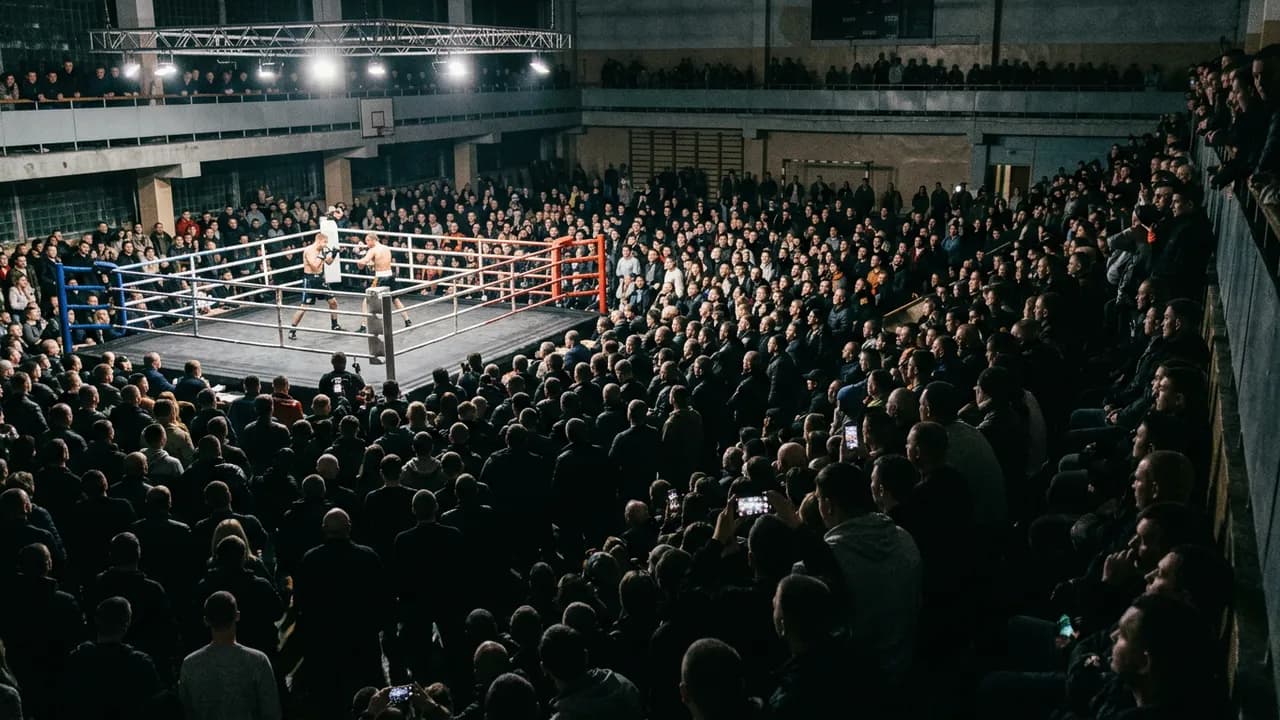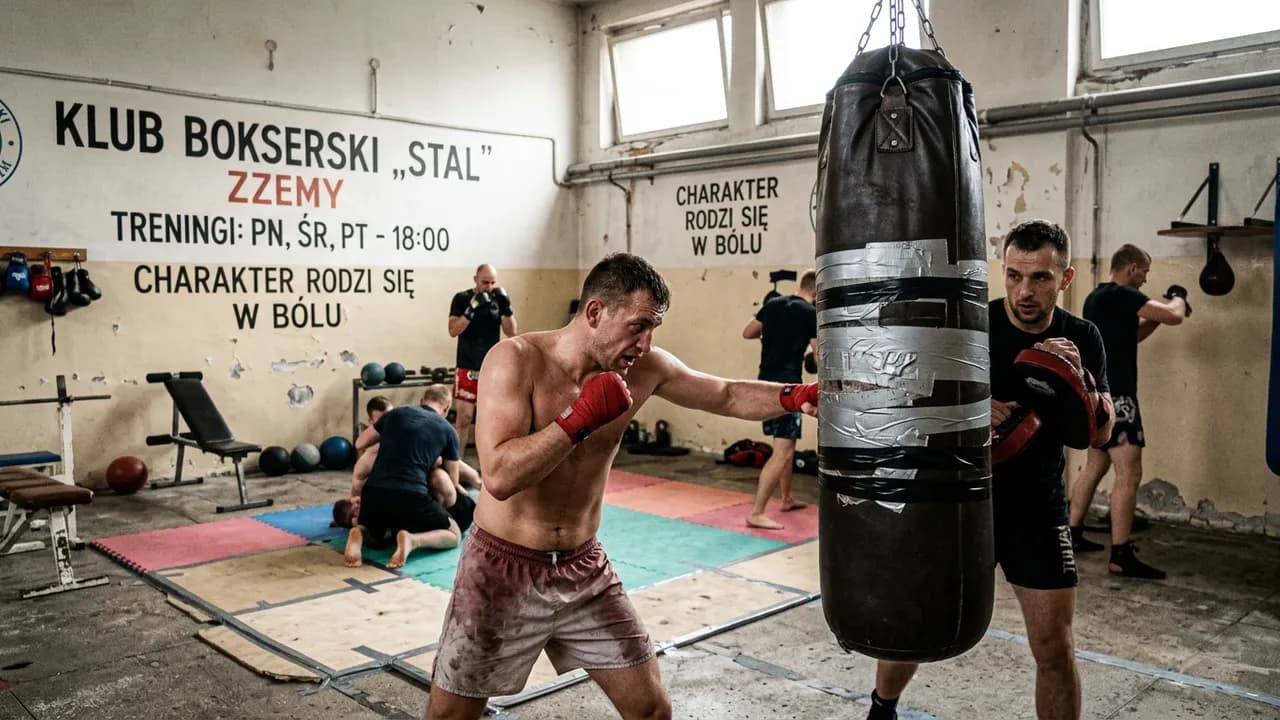
Poland has one of the most intense and deeply rooted underground fighting cultures in Europe. The country's hooligan scene -- widely regarded as the most violent and best-organized in the European Union -- has produced a fighting infrastructure that operates at a scale and level of sophistication unmatched in Western Europe. The Polish ustawka, a pre-arranged mass brawl between rival football firms, is the Eastern European equivalent of Russia's stenka na stenku, and it has been a fixture of Polish sporting culture for decades.
From these hooligan roots, a broader underground fighting scene has emerged. No-rules fight clubs inspired by Sweden's King of the Streets (KOTS) have spread across Polish cities, drawing fighters from both the hooligan community and the country's deep combat sports talent pool. A growing interest in bare knuckle boxing, driven by the international success of BKFC and the visibility of Eastern European promotions like Top Dog FC and Mahatch FC, is adding another layer to Poland's fighting landscape.
Poland's fighting culture is shaped by a national character that prizes physical toughness, martial honor, and a willingness to stand and fight. From the winged hussars of the 17th century to the resistance fighters of World War II, the cultural narrative of the Pole as warrior runs deep. That narrative finds its modern expression not in the military but in the gyms, the football terraces, and the clandestine fight events staged in forests, industrial estates, and parking structures across the country.
History
The Ustawka Tradition
The ustawka (literally "arrangement" or "setup") is the cornerstone of Poland's underground fighting culture. An ustawka is a pre-arranged, organized fight between rival football hooligan firms, conducted according to informal rules and at a pre-selected location, typically a forest clearing, open field, or other isolated spot away from populated areas and police surveillance.
Ustawki are not random brawls. They are carefully planned events involving matched numbers of fighters (often 10 vs. 10, 15 vs. 15, or even larger groups), agreed-upon rules (no weapons, no kicking downed opponents, predetermined fight duration), and designated referees or observers. The fights are frequently filmed, with footage circulating through hooligan networks and, increasingly, surfacing on YouTube and social media.
The tradition dates back to at least the 1980s, when Poland's football firms began to formalize the previously chaotic terrace violence into structured confrontations. The shift was driven in part by increased policing at football matches, which pushed inter-firm violence away from stadiums and into arranged meetings. By the 1990s and 2000s, the ustawka was an established institution, with major firms maintaining training regimens, fighter rosters, and inter-firm communication channels specifically for arranging and conducting these events.
Polish Hooligan Firms
Poland's hooligan firms are among the most feared in Europe. The major firms -- including those attached to Legia Warsaw, Lech Poznan, Wisla Krakow, Cracovia, Slask Wroclaw, and Gornik Zabrze -- maintain disciplined fighting units that train regularly in boxing, MMA, and other combat sports. The inter-firm rivalries, particularly the Krakow derby between Wisla and Cracovia (known as the "Holy War"), are legendary for their intensity.
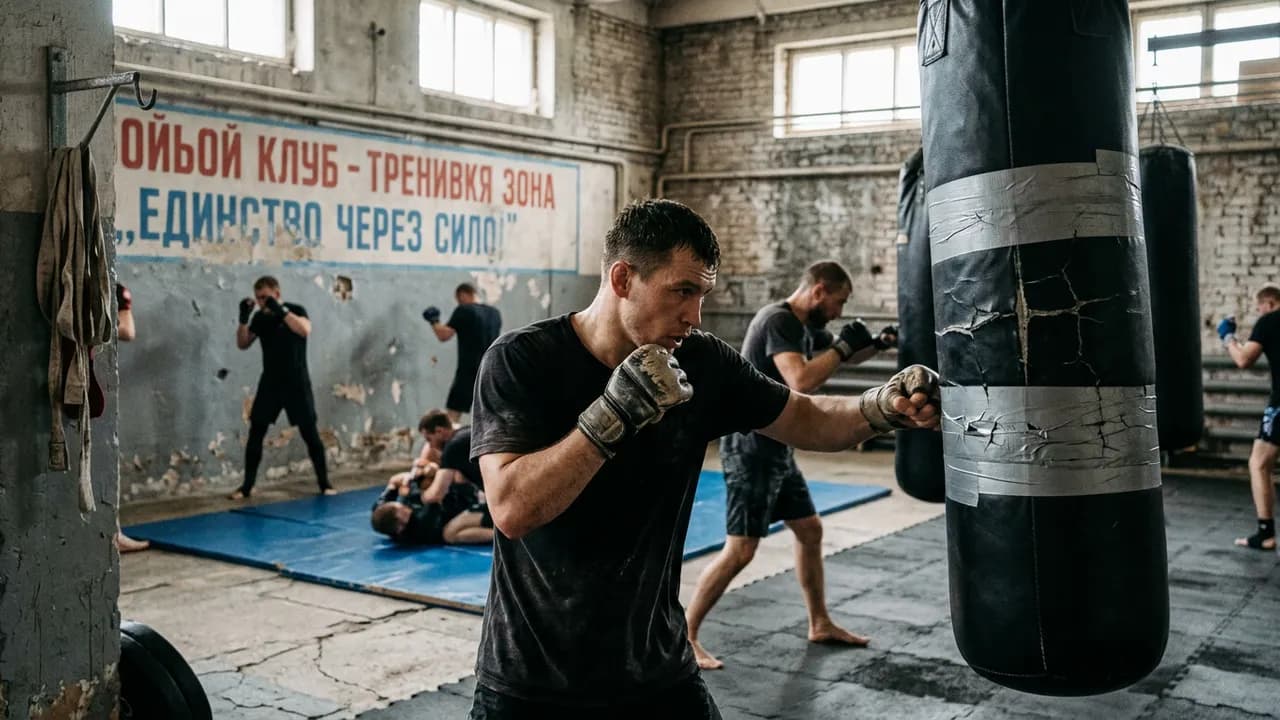
Polish firms adopted the Russian-pioneered model of dedicated combat training in the 2000s, transforming from loose collections of street fighters into quasi-military organizations with structured training programs, fitness requirements, and fighting hierarchies. Many Polish hooligan fighters hold legitimate combat sports qualifications, and the crossover between the hooligan world and the amateur and professional fighting scene is significant.
The organizational sophistication of Polish firms provided the infrastructure for the broader underground fighting scene. The communication networks, the culture of secrecy, the tradition of pre-arranged combat at isolated locations -- all of these elements were directly transferable from the ustawka tradition to the no-rules fight club format.
The KOTS Movement in Poland
When King of the Streets content began circulating on YouTube in the mid-2010s, it found a receptive audience in Poland. The KOTS format -- individual no-rules fights on concrete, filmed and distributed online -- offered something the ustawka tradition did not: a focus on individual rather than group combat, and a content distribution model that could reach audiences beyond the insular hooligan community.
Polish fight clubs inspired by the KOTS model began appearing in the late 2010s. These clubs adopted the core KOTS principles -- no gloves, no rules, hard surfaces -- while adapting them to the Polish context. Some clubs drew exclusively from hooligan networks, while others opened participation to the broader fighting community. The clubs operate through encrypted Telegram channels, with event information distributed on a need-to-know basis.
01 / Up next / Active Organizations
Poland's position between Western and Eastern Europe, and its cultural connections to both the KOTS network in Scandinavia and the Russian underground fighting scene, has made it a crossroads for European underground fighting. Polish fighters compete in events across the continent, and fighters from neighboring countries travel to Poland for events.
Active Organizations
KOTS-Inspired No-Rules Clubs
Poland hosts multiple independent no-rules fight clubs that draw their format from the King of the Streets model. These clubs are not formally affiliated with KOTS but operate within the same philosophical and aesthetic framework.
Format: Bare fists on concrete or hard surfaces. No rounds, no time limits, no judges. Strikes with any part of the body are generally permitted, including headbutts, elbows, knees, and ground-and-pound. The only consistent prohibitions are weapons and eye gouging.
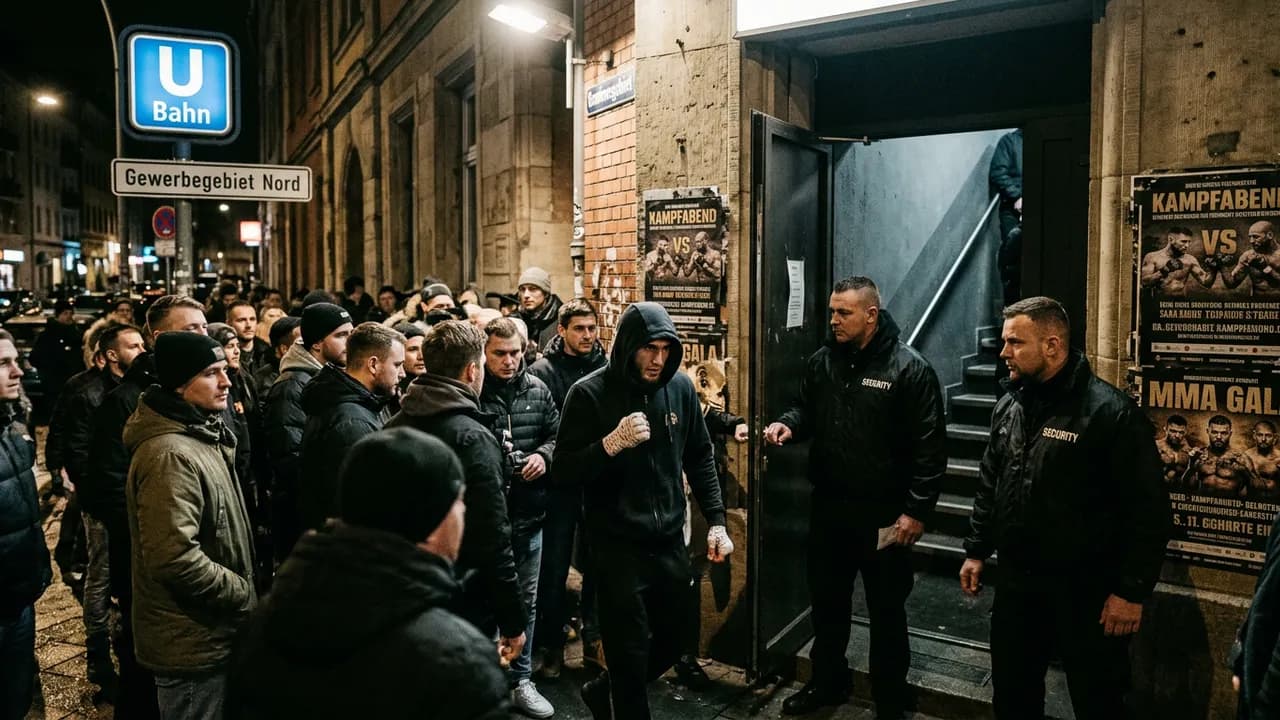
Organization: Events are organized through encrypted Telegram channels with restricted membership. Locations -- typically industrial spaces, parking structures, forest clearings, or rural properties -- are disclosed shortly before events. Event sizes range from small, intimate gatherings of 20-30 people to larger events drawing 50-100 spectators.
Participant profile: Polish no-rules clubs draw heavily from the hooligan community, which provides both the organizational infrastructure and a ready supply of trained fighters. However, the participant base has expanded to include gym fighters, amateur combat sports competitors, bouncers, and other individuals drawn to no-rules fighting from outside the hooligan world.
Organized Ustawki
While not fight clubs in the traditional sense, organized ustawki remain a significant component of Poland's underground fighting landscape. These mass brawls, arranged between rival football firms, continue to occur regularly across the country, though their frequency has decreased somewhat as police surveillance and intelligence capabilities have improved.
Modern ustawki are increasingly sophisticated in their organization, with firms using encrypted communications, counter-surveillance techniques, and carefully selected locations to avoid detection. Some ustawki are filmed and distributed through hooligan channels, while others are deliberately undocumented to avoid creating evidence.
Growing Bare Knuckle Interest
Poland's bare knuckle boxing scene is embryonic but growing. The success of BKFC internationally, the visibility of Russia's Top Dog FC, and the cultural affinity between Polish fighting traditions and bare knuckle combat have all contributed to increasing interest.
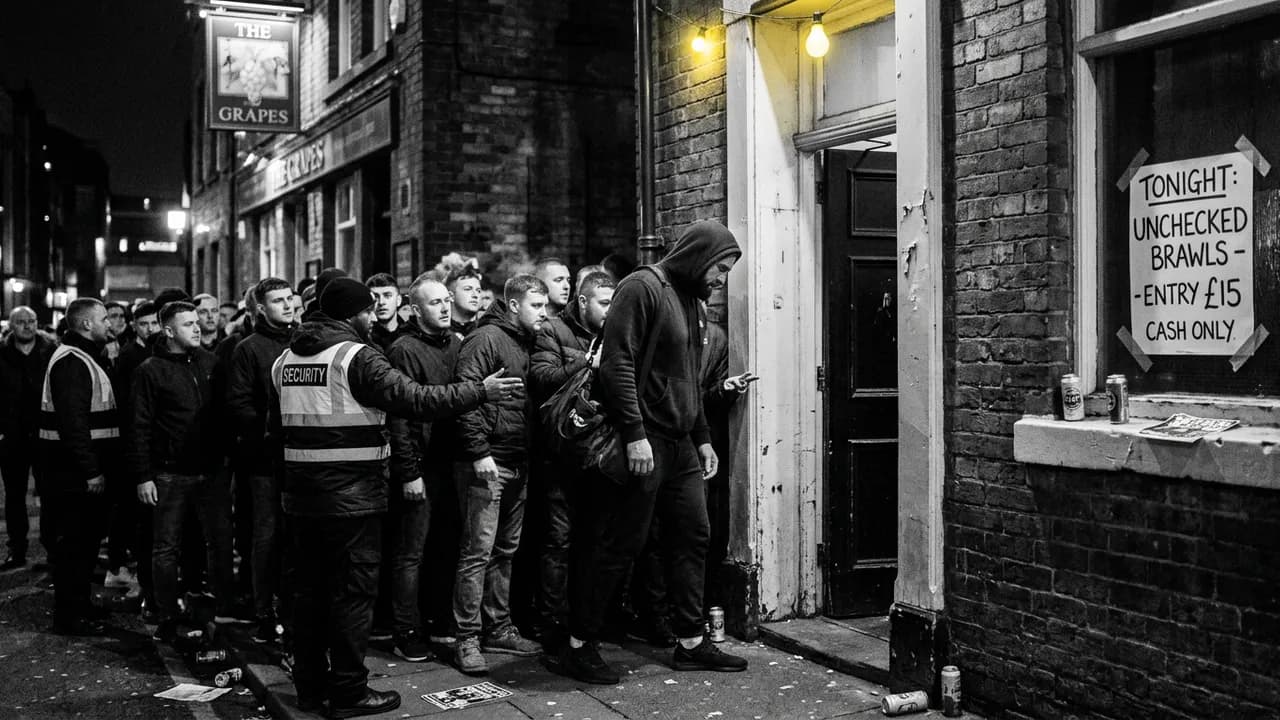
Polish fighters have competed in bare knuckle events in the UK, where promotions like BKB and UBKB accept international fighters. The Polish diaspora in the UK, one of the largest immigrant communities in Britain, has created a natural pipeline for Polish fighters entering the British bare knuckle scene.
Domestically, small-scale bare knuckle events have been staged in Warsaw, Krakow, and other major cities, though these remain informal and operate without sanctioning or regulatory oversight.
Notable Fighters
Poland's underground fighting scene, like most European no-rules circuits, operates with a high degree of anonymity. Fighters in ustawki and no-rules clubs typically fight under aliases or first names only, and individual records are not systematically tracked.
Poland's contribution to the broader underground fighting world is best measured through the country's extraordinary combat sports talent pool. Polish fighters have achieved success at the highest levels of professional boxing (most notably the Klitschko-era heavyweight competitors), MMA (with a strong presence in organizations like KSW, the largest MMA promotion in Europe), and kickboxing. This deep talent pool means that Polish underground fighters tend to be technically skilled and physically well-prepared, making Polish events some of the highest-quality in the European underground circuit.
Polish hooligan fighters have developed a reputation across Europe for toughness, conditioning, and willingness to absorb punishment. Firms from Legia Warsaw and Lech Poznan, in particular, are regarded as among the most formidable in European hooligan fighting.
Legal Status
Underground fighting is illegal in Poland. The Polish Penal Code prohibits assault (pobicie), and participation in organized fighting events outside of sanctioned sporting frameworks constitutes a criminal offense. Organizers face additional charges related to facilitating violence, and events involving large groups (such as ustawki) can result in charges of participation in an organized disturbance.
Polish law enforcement has invested significant resources in combating hooligan violence, including ustawki. Police intelligence units monitor hooligan networks, and arrests related to organized inter-firm fighting occur regularly. The penalties for participation in ustawki can be severe, particularly when events result in serious injuries, and Polish courts have handed down prison sentences for both organizers and participants.
04 / Up next / How to Get Involved
The no-rules fight club scene, being smaller in scale and less tied to the high-profile issue of football violence, receives less direct law enforcement attention than ustawki. However, participants remain vulnerable to prosecution if events are discovered, particularly if injuries result.
Sanctioned combat sports operate legally in Poland under the oversight of the Polish Boxing Association, the Polish MMA Federation, and various martial arts governing bodies. Poland's professional MMA scene, centered on KSW, is among the most developed in Europe and provides a legal outlet for competitive fighters.
How to Get Involved
As a Spectator
Accessing Poland's underground fighting scene as a spectator requires connections within the hooligan community or the no-rules fight club network. Events are not publicly advertised, and attendance is restricted to individuals who are known and trusted within the relevant social circles.
For those interested in Polish combat sports more broadly, KSW (Konfrontacja Sztuk Walki) is Poland's premier MMA promotion and stages events at major venues across the country, with tickets available through standard channels. KSW events offer world-class fighting in a legal, accessible format.
As a Fighter
Aspiring fighters should develop their skills through Poland's extensive network of combat sports gyms. Warsaw, Krakow, Wroclaw, Poznan, and Gdansk all have strong gym scenes covering boxing, MMA, kickboxing, Brazilian jiu-jitsu, and wrestling.
Entry into the underground fighting scene typically occurs through personal connections made within these gym communities or through football firm networks. Fighters with established reputations in amateur competition or gym sparring are more likely to be invited to participate in no-rules events.
Polish fighters interested in bare knuckle competition can seek opportunities through UK-based promotions, which accept international fighter applications, or through the emerging domestic bare knuckle scene.
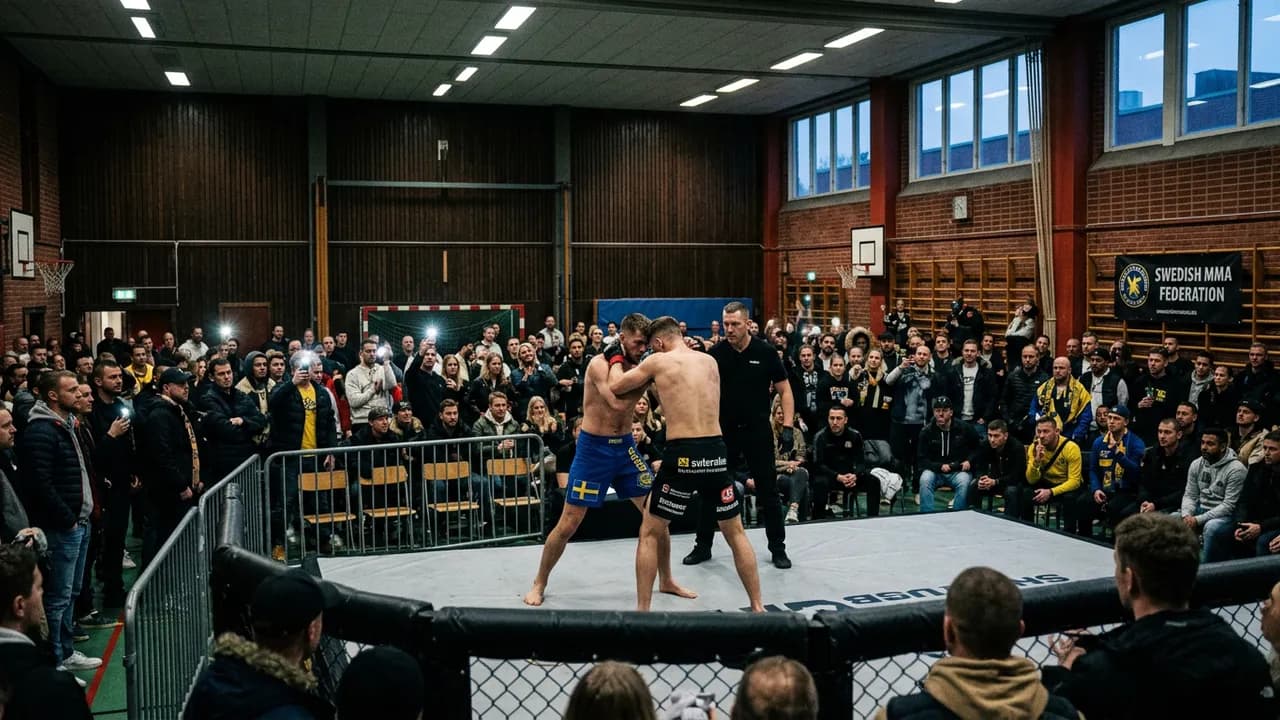
For those seeking no-rules competition in a more structured context, applying to KOTS through their website (kingofthestreets.com) offers a pathway to competing in organized no-rules events in Sweden and across Europe.
Related Countries
- Russia -- The global leader in underground fighting, whose organizational models and training culture have influenced Polish hooligan firms and fight clubs.
- Germany -- Western neighbor with its own KOTS-inspired no-rules clubs and cross-border fighter connections.
- Sweden -- Home of KOTS, the organization whose no-rules format has been adopted by Polish fight clubs.
- Ukraine -- Eastern neighbor with Mahatch FC and a shared hooligan fighting culture rooted in Eastern European football traditions.
- United Kingdom -- Destination for Polish bare knuckle fighters, with a large Polish diaspora creating connections between the two countries' fighting scenes.
FAQ
What is an ustawka?
An ustawka is a pre-arranged mass brawl between rival Polish football hooligan firms. These events are carefully organized with matched numbers, agreed-upon rules, and selected locations, typically forest clearings or open fields away from populated areas.
How does Polish underground fighting compare to Russian?
Poland's scene is smaller in scale but comparable in intensity to Russia's. Poland lacks the massive public-facing organizations like Strelka or Top Dog FC, but its hooligan-driven ustawka tradition and no-rules fight clubs produce high-quality fighters and intense events. Polish and Russian hooligan fighting cultures share common roots in Eastern European football firm traditions.
Is KOTS active in Poland?
KOTS itself does not operate events in Poland, but the KOTS format has been adopted by independent Polish fight clubs. Polish fighters have competed on KOTS cards in Sweden, and the organizational model of KOTS -- no rules, concrete surfaces, encrypted communications -- has been directly replicated by Polish clubs.
Are Polish hooligan firms really that organized?
Yes. Polish hooligan firms, particularly those attached to major clubs like Legia Warsaw, Lech Poznan, Wisla Krakow, and Cracovia, maintain structured training programs, fighter rosters, and communication networks. Members train regularly in combat sports, and ustawki are planned with military-level organization including counter-surveillance measures.
Is there bare knuckle boxing in Poland?
The bare knuckle scene in Poland is small but growing. Polish fighters compete in UK-based promotions through the large Polish diaspora in Britain, and informal bare knuckle events have been staged domestically. The international success of BKFC and regional promotions like Top Dog FC are driving increasing Polish interest in the format.