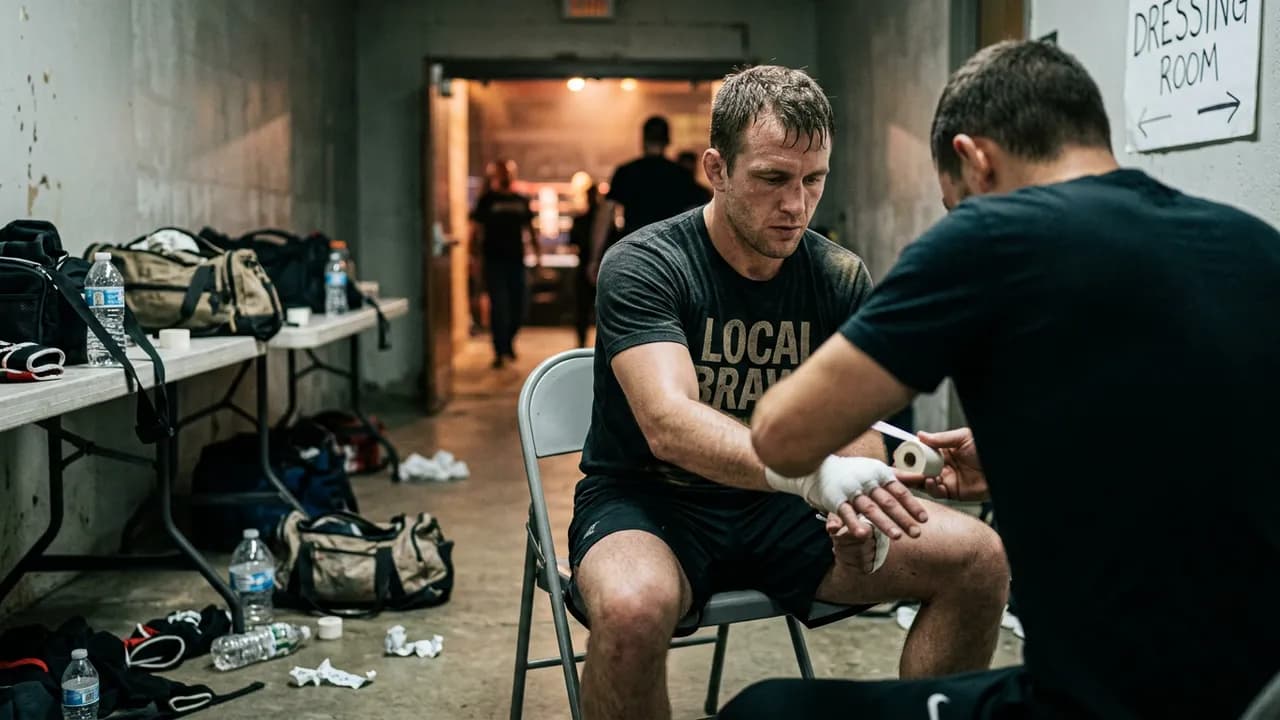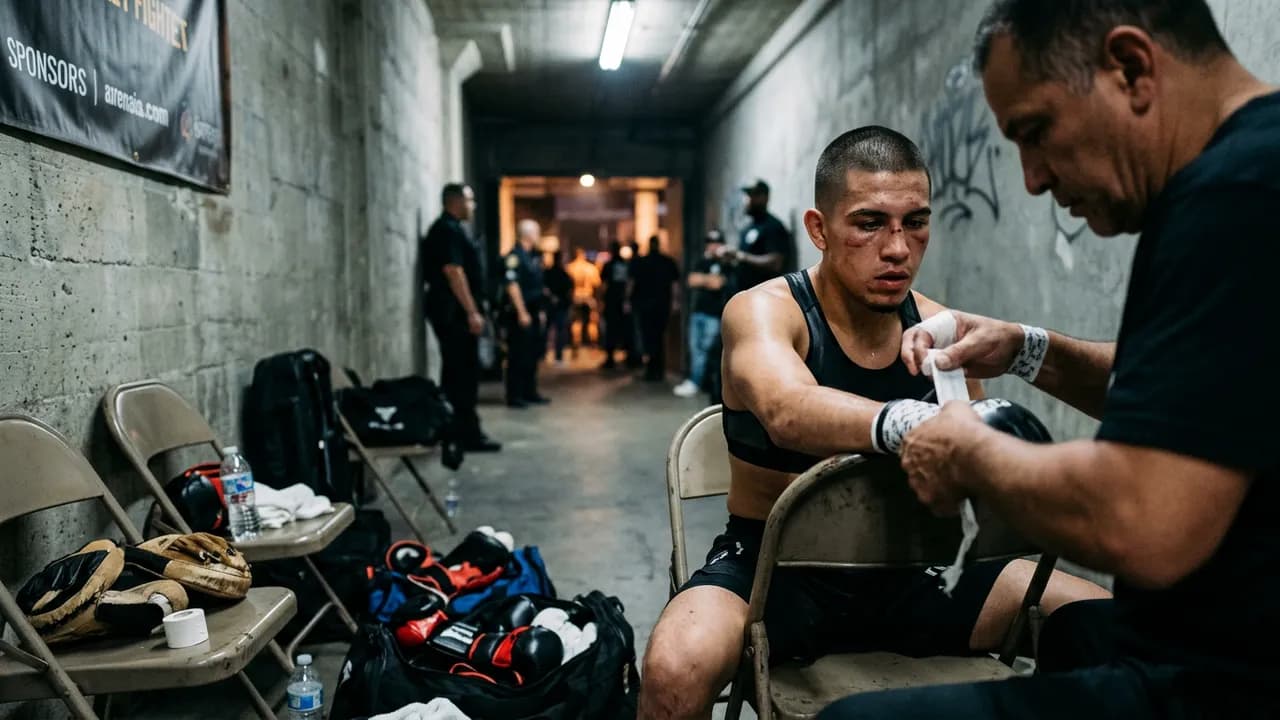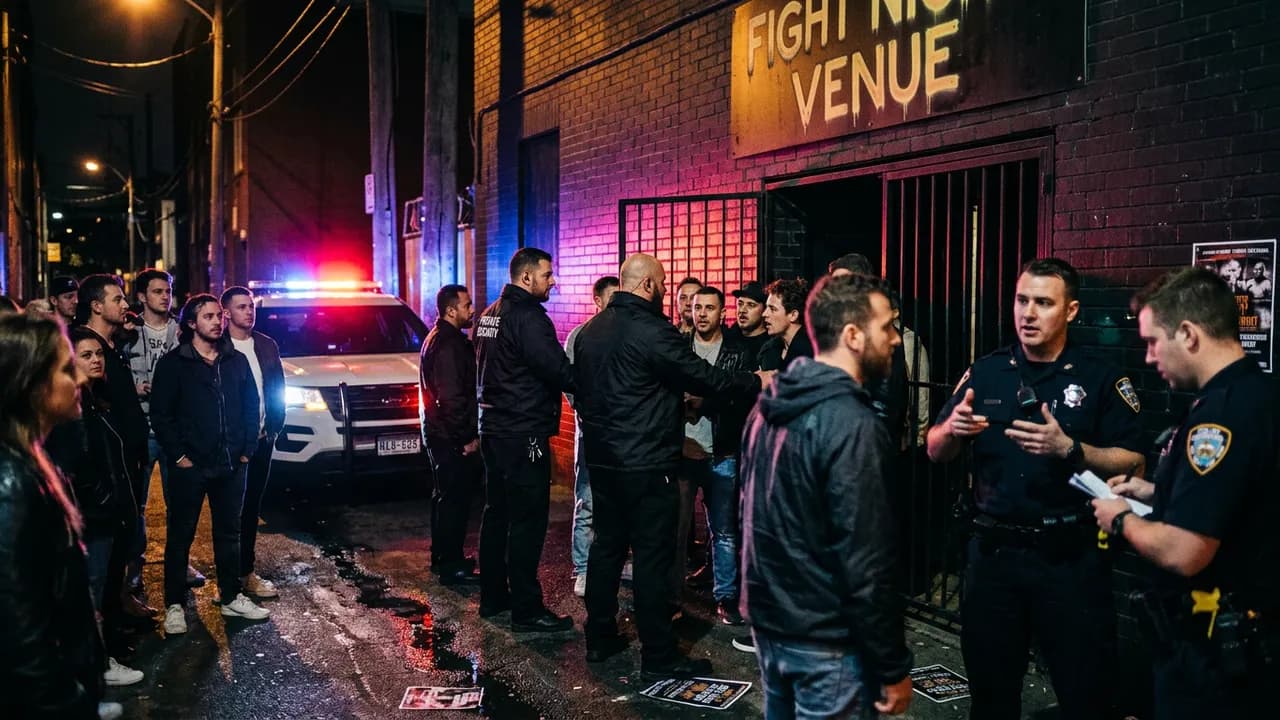
When the world shut down in March 2020, professional combat sports shut down with it. The UFC postponed three consecutive events before retreating to an empty arena on a private island. Boxing went dark entirely. State athletic commissions suspended sanctioning. Ringside physicians were redeployed to hospitals. The regulatory infrastructure that separated professional fighting from street fighting ceased to function overnight.
Underground fighting did not stop. It accelerated.
The COVID-19 pandemic created the conditions for the most significant expansion of unsanctioned, backyard, and underground fighting since Kimbo Slice's backyard brawls went viral in 2003. New organizations launched. Existing organizations saw their audiences explode. A generation of fighters who might never have stepped into any ring found their way into makeshift backyards, parking lots, and fields because there was nothing else to do, nowhere else to go, and no sanctioned alternative available.
This is the story of how a global pandemic became the accelerant for the underground fighting boom -- and why the effects are still being felt six years later.
The Perfect Storm: Why the Pandemic Changed Everything
The pandemic's impact on underground fighting was not the product of a single factor. It was the convergence of several forces that, together, created conditions uniquely favorable to unsanctioned combat.
The content vacuum. For the first several months of the pandemic, there was almost no live sports content of any kind. The NBA suspended its season. The NFL offseason ground to a halt. European soccer leagues shut down. Professional boxing and MMA events were canceled or postponed indefinitely. Fans accustomed to consuming hours of sports content daily were suddenly confronted with empty schedules and endless reruns.
Underground fighting filled the void. Organizations like Streetbeefs, which had been publishing fights on YouTube for over a decade, saw their viewership spike dramatically. Fans who had never watched a backyard fight in their lives discovered Streetbeefs, KOTS, Strelka, and Top Dog FC because the algorithm surfaced them to viewers who were desperately searching for anything involving live competition. The content was there. The audience arrived because everything else had disappeared.
The gym closure. Millions of people who trained martial arts, boxed, or practiced combat sports lost access to their gyms. Training facilities were among the first businesses to close and the last to reopen, with many never recovering at all. Combat sports athletes at every level -- from aspiring professionals to weekend hobbyists -- found themselves without a place to train, spar, or compete.
For some, the backyard became the gym. Informal training groups formed in parks, garages, and yards. Those training sessions led to sparring. The sparring led to organized bouts. The bouts led to cameras. The cameras led to YouTube channels. The pipeline from gym closure to backyard fight organization was shorter and more direct than anyone anticipated.
The restlessness. Lockdowns produced a particular kind of psychological pressure. Young men -- the demographic most likely to participate in underground fighting -- were disproportionately affected by the social isolation, economic disruption, and loss of physical outlets that characterized the pandemic. Gyms were closed. Jobs were lost or reduced to remote work. Social gatherings were restricted. The energy that would normally have been channeled into sports, training, socializing, or working was bottled up with no release.
Fighting provided a release. It was physical, immediate, social, and outside the control of the authorities who were telling people they could not leave their houses. The act of choosing to fight -- of stepping into a backyard ring during a lockdown -- carried an element of defiance that resonated with people who felt constrained by pandemic restrictions. Underground fighting was not just entertainment during COVID. For some participants, it was an act of rebellion.
The New Organizations: Born in Lockdown
The pandemic did not just grow existing underground organizations. It birthed new ones.
Backyard Squabbles (Los Angeles, 2020)
The most prominent organization to emerge directly from the pandemic was Backyard Squabbles, launched in South Los Angeles around 2020 with the motto "Guns down, squabble up" -- a philosophy that echoed Streetbeefs' founding mission of channeling street violence into controlled combat.
Backyard Squabbles set up amateur boxing and MMA bouts in backyard rings, attracting fighters from a community where violence was endemic and opportunities for structured competition were scarce. The organization provided ring experience for aspiring fighters, an alternative to gun violence for young men with few other outlets, and content for a social media audience that was hungry for raw, unfiltered fighting during a period when professional combat sports were largely unavailable.
Valinda Hernandez became the organization's only regular female fighter, adding another dimension to the roster.
Fighters like Albert "Black Blade" Marion, Hector "Aztec Warrior" Herrera, and the undefeated MMA fighter known as "Granndaddy" became stars within the Backyard Squabbles ecosystem. Valinda Hernandez became the organization's only regular female fighter, adding another dimension to the roster. The organization grew from backyard events to partnerships with TrillerTV, demonstrating the pandemic-era pipeline from informal fighting to semi-professional production.
Top Dog Fighting Championship (Russia, 2020)
While Top Dog FC had roots that predated the pandemic, its emergence as a major bare knuckle brand was a distinctly pandemic-era phenomenon. Beginning with fights staged in Moscow parking lots inside circles of hay bales, Top Dog launched its YouTube presence in early 2020 and exploded during the lockdown period.
The timing was not accidental. Russian combat sports fans, like their counterparts worldwide, were starved for content. Top Dog offered something that sanctioned promotions could not: immediate, raw, visually striking bare knuckle fights produced with enough quality to be compelling viewing but enough grit to feel genuinely underground. Fighters wore jeans and sweatpants instead of professional trunks. The hay bale rings looked improvised. The aesthetic was deliberately anti-establishment.
By the time the pandemic restrictions eased, Top Dog had built a YouTube following exceeding 1.5 million subscribers and had graduated from parking lots to renting Moscow sports arenas. The production values increased, but the brand retained its underground identity -- a balance that proved enormously popular with an audience that had discovered the organization during lockdown and stayed for the content.
Mahatch Fighting Championship (Ukraine, 2020)
Mahatch FC launched in Ukraine in January 2020, just weeks before the pandemic hit. The promotion's bare knuckle format -- fights in a sandbag ring, mandatory jeans and sneakers, no ground fighting -- was built for pandemic-era conditions. Events could be staged outdoors with minimal infrastructure. The production could scale up or down depending on local restrictions. And the content, once uploaded to YouTube, reached an audience that was confined to their homes and searching for fighting content.
Mahatch attracted international attention when former UFC fighter Artem Lobov competed on its platform in 2021, lending credibility to a promotion that might otherwise have been dismissed as a regional curiosity. The fact that a fighter with UFC experience was willing to compete in a Ukrainian backyard promotion demonstrated how the pandemic had disrupted traditional hierarchies in combat sports. When the sanctioned pipeline was broken, fighters went wherever fights were happening.
The Existing Organizations: Audience Explosion
Organizations that predated the pandemic saw their audiences grow at rates that would have been impossible under normal circumstances.
Streetbeefs: From Niche to Mainstream
Streetbeefs had been building its YouTube audience steadily since 2008, accumulating subscribers and views at a pace that reflected organic growth. The pandemic changed the curve. Between 2020 and 2022, Streetbeefs' subscriber count accelerated dramatically, driven by the confluence of content-hungry audiences, algorithm recommendations, and the organization's deep library of archived fights that gave new viewers hundreds of hours of content to consume.
By the end of the pandemic era, Streetbeefs had cemented its position as the largest backyard fighting channel on YouTube, with over 4.2 million subscribers and more than 1.3 billion total views. The growth was not just in raw numbers -- it was in the demographic breadth of the audience. Pre-pandemic, Streetbeefs' viewership skewed heavily toward existing combat sports fans. During the pandemic, the channel attracted viewers who had never watched underground fighting before and might never have discovered it if professional sports had remained available.
Chris "Scarface" Wilmore, Streetbeefs' founder, recognized the moment and increased production accordingly. More events were filmed. More fighters were recruited. The expansion of the Streetbeefs brand into new branches, including the West Coast extension, reflected the increased demand that the pandemic had generated.
Strelka: Russia's Democratic Fight Club
Strelka, which had operated across nearly 50 Russian cities since 2011, saw its YouTube channel surge during the pandemic. The promotion's format -- open participation, minimal barriers to entry, fights between regular people rather than professional athletes -- resonated particularly well during a period when the distinction between "professional" and "amateur" in combat sports had been rendered largely meaningless by the shutdown of professional operations.
Strelka's cumulative YouTube views climbed past 1.2 billion during the pandemic era, with individual fight videos regularly reaching millions of views. The promotion's claim to be second only to the UFC in YouTube views among combat sports organizations, while difficult to verify, reflected a level of audience engagement that few pandemic-era sports properties of any kind could match.
KOTS: The Algorithm's Favorite Fight Club
King of the Streets, the Swedish-founded no-rules fighting organization, benefited from the pandemic in a way that was less about content production -- KOTS had always produced relatively few events per year -- and more about algorithmic discovery. YouTube's recommendation engine, faced with a sports content drought, began surfacing KOTS videos to viewers who might never have encountered no-rules street fighting under normal circumstances.
The result was a significant subscriber spike and a broadening of KOTS' audience beyond its core base of European hooligan culture enthusiasts.
The result was a significant subscriber spike and a broadening of KOTS' audience beyond its core base of European hooligan culture enthusiasts. New viewers discovered the organization's distinctive format -- concrete surface, bare hands, no rules, no rounds -- and many stayed. KOTS' subscriber count grew past the half-million mark during the pandemic era, and the organization's brand spawned copycat clubs across Germany, Denmark, France, and beyond.
The YouTube Algorithm: Accelerant of the Boom
The pandemic's impact on underground fighting cannot be understood without understanding the role of YouTube's recommendation algorithm. The algorithm optimizes for engagement -- it surfaces content that keeps viewers watching. During the pandemic, with billions of people worldwide spending dramatically more time on YouTube, the algorithm had more data, more users, and more opportunities to connect viewers with content they had never previously consumed.
Fighting content, particularly raw and unfiltered backyard fights, is inherently engaging. The videos are short. The action is immediate. The stakes feel real. The viewer does not need to understand complex rules or follow season-long narratives. Each video is self-contained: two people fight, one wins, the viewer clicks the next video. This format is algorithmically ideal, and during the pandemic, YouTube's systems recognized that and began surfacing underground fighting content to viewers who had previously watched entirely different categories.
The result was a virtuous cycle. More views led to more recommendations. More recommendations led to more views. Channels that had been growing at 5-10% per year suddenly grew at 50-100% per year. The algorithm did not care whether the content was sanctioned or unsanctioned, professional or amateur, safe or dangerous. It cared about engagement, and underground fighting content was enormously engaging.
For a deeper analysis of how YouTube's algorithm shapes the underground fighting industry, see our detailed breakdown of YouTube's role in underground fighting.
The Fighter Pipeline: From Lockdown Boredom to the Ring
The pandemic created a new pipeline for fighters to enter the underground scene. The typical pre-pandemic path into underground fighting involved either a personal dispute that needed settling (the Streetbeefs model), a desire to test martial arts training in live competition (the Strelka model), or connections to hooligan or street culture (the KOTS model).
The pandemic added a new entry point: boredom. Young men who would have spent their energy in gyms, sports leagues, or social activities found themselves with nothing to do. Some turned to home workouts. Some turned to video games. And some turned to fighting.
Social media played a critical role in this pipeline. TikTok, which experienced explosive growth during the pandemic, became a platform where fight videos went viral with extraordinary speed. A Streetbeefs clip reposted to TikTok could reach millions of viewers in hours. Those viewers, many of them young men with combat sports interest but no previous exposure to backyard fighting, then sought out the source material on YouTube. Some became regular viewers. Some became fighters.
The demographic profile of underground fighting shifted during the pandemic. Pre-pandemic, the fighter base skewed toward working-class men with combat sports backgrounds or street fighting experience. During the pandemic, the base broadened to include college students, white-collar workers, and people from suburban backgrounds who would never have sought out underground fighting if their normal outlets had been available. The pandemic democratized underground fighting in a way that even the most accessible organizations like Strelka had not previously achieved.
The Professional Crossover: When Sanctioned Fighters Went Underground
One of the most unusual consequences of the pandemic was the temporary blurring of the line between professional and underground fighting. With sanctioned events canceled and commission oversight suspended, some fighters who had previously competed exclusively in regulated environments crossed into the underground scene.
The crossover was most visible at the semi-professional level. Regional MMA fighters, amateur boxers, and professional kickboxers who lost access to sanctioned competition sought out whatever opportunities remained. Some fought on Streetbeefs cards. Others participated in informal gym smokers that existed in the gray area between training and competition. A few traveled to organizations in countries with less restrictive pandemic policies.
At the higher levels, the crossover took different forms. Artem Lobov's appearance at Mahatch FC in 2021 was a direct product of the pandemic's disruption of traditional career paths. Lobov, a former UFC fighter, might never have competed on a Ukrainian bare knuckle card under normal circumstances. The pandemic created the conditions that made such crossovers possible and, in some cases, necessary for fighters who needed to compete to earn a living.
The Legacy: A Permanent Shift
The pandemic's impact on underground fighting was not temporary. The organizations that launched during COVID-19 remain active. The audiences that discovered backyard fighting during lockdown did not leave when professional sports returned. The fighters who entered the underground scene because their gyms were closed did not all return to sanctioned competition when the gyms reopened.
BKFC reported a 100% increase in attendance in 2024, four years after the pandemic began.
The numbers tell the story. BKFC reported a 100% increase in attendance in 2024, four years after the pandemic began. Streetbeefs' subscriber count has continued to climb post-pandemic. Top Dog FC graduated from parking lots to arenas. Gamebred Bareknuckle MMA, launched by Jorge Masvidal in 2023, is running $500,000 tournaments in 2026. The underground fighting business model that crystallized during the pandemic -- YouTube-driven revenue, social media marketing, minimal infrastructure costs -- has proven durable.
The pandemic did not create the underground fighting boom. The boom was already underway, driven by forces that predated COVID-19: YouTube's rise as a content platform, the public's appetite for raw combat, the growth of bare knuckle fighting as a sanctioned sport, and the cultural fascination with testing oneself through physical combat.
What the pandemic did was compress a decade of growth into two years. It removed the barriers -- gym access, sanctioned competition, social stigma, simple ignorance -- that had kept millions of potential viewers and thousands of potential fighters away from underground fighting. It proved that the audience for unsanctioned combat was not a niche but a mass market waiting to be reached.
The Unresolved Questions
The pandemic-era boom also amplified concerns that had always existed within underground fighting but had been easier to ignore when the scene was smaller.
Safety is the most pressing. More fighters entering the underground scene means more injuries, more concussions, and more risk of the kind of catastrophic outcome -- a death in an unregulated fight -- that could trigger a regulatory crackdown on the entire community. The organizations that launched during the pandemic vary widely in their approach to safety. Some, like Backyard Squabbles, follow the Streetbeefs model of enforced rules, referees, and basic medical support. Others operate with minimal safety infrastructure and accept the risks as inherent to the enterprise.
The legal landscape remains uncertain. The pandemic demonstrated that law enforcement has limited interest in shutting down backyard fighting operations, but the growth of the scene increases the probability that a high-profile incident will attract regulatory attention. The larger and more visible underground fighting becomes, the harder it is for authorities to ignore.
The exploitation question persists. The pandemic brought fighters into the underground scene who had no training, no understanding of the risks, and no negotiating power. Some of these fighters were hurt badly in their first and only bouts. The economic model of underground fighting -- where most fighters earn nothing and the organizations generate revenue from the content -- raises questions about who benefits from the boom and who bears the cost.
These questions did not originate with the pandemic. But the pandemic made them bigger, more urgent, and harder to dismiss. The underground fighting scene that emerged from COVID-19 is larger, more diverse, and more commercially significant than anything that existed before March 2020. Whether it is safer, fairer, or more sustainable remains to be seen.
What is certain is that the pandemic changed underground fighting permanently. The genie does not go back in the bottle. The audience does not shrink. The fighters do not stop fighting. The cameras do not stop rolling. COVID-19 did not invent the underground fighting boom, but it detonated it -- and the explosion is still reverberating.