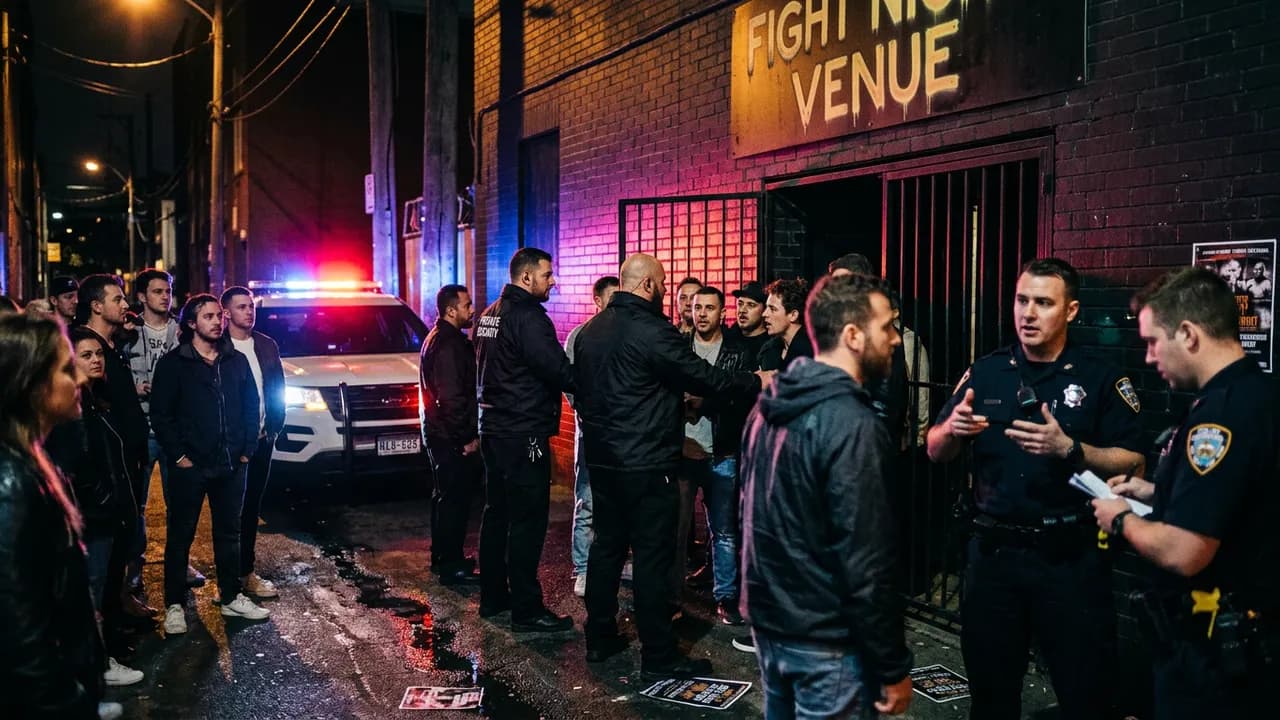
Underground fighting is a business. That statement surprises people who imagine the scene as purely spontaneous -- guys settling grudges in backyards with no one profiting from the violence. Some of it is that. But the organizations that have built the modern underground and bare knuckle fighting landscape are, beneath the raw aesthetics and the antiestablishment branding, commercial enterprises that generate revenue, manage costs, and pursue growth like any other media business.
The difference is in the model. Traditional combat sports promotions -- the UFC, Top Rank, Matchroom Boxing -- operate on a model built around gate receipts, pay-per-view sales, broadcast rights deals, and sponsorships. Underground fighting organizations operate on a fundamentally different model, one built primarily around free digital content, platform-driven revenue, and lean operating costs. Understanding how this model works explains not only why underground fighting has grown so rapidly but also why so many fighters within the system earn little or nothing while the organizations themselves thrive.
Revenue Stream 1: YouTube Ad Revenue
For the majority of underground fighting organizations, YouTube ad revenue is the primary income source. This is not a side business. It is the business.
The economics are straightforward. YouTube pays content creators a share of the advertising revenue generated by views of their content. The payment rate -- commonly measured as CPM (cost per thousand impressions) or RPM (revenue per thousand views after YouTube's cut) -- varies based on the content category, the viewer's geographic location, the time of year, and other factors. For fighting content, RPMs typically range from $2 to $7 per thousand views, though this can fluctuate significantly.
At scale, those numbers become meaningful.
Streetbeefs has accumulated over 1.3 billion total YouTube views across its channel. Even at a conservative RPM of $3, that translates to roughly $3.9 million in lifetime YouTube revenue. At a more optimistic RPM of $5, the figure approaches $6.5 million. These are estimates -- YouTube does not publish individual creator earnings -- but they illustrate why a backyard fighting operation in Harrisonburg, Virginia, can sustain itself financially without charging admission, selling tickets, or paying fighters.
Strelka, with over 1.2 billion cumulative views, has likely generated comparable YouTube revenue. Top Dog FC, with 1.5 million subscribers and a consistent upload schedule, generates significant monthly ad revenue from its channel. KOTS, with over 500,000 subscribers and individual videos regularly exceeding one million views, earns meaningful revenue from each upload.
The YouTube model creates a particular incentive structure. Organizations are incentivized to produce content that maximizes views, engagement, and watch time. This means fights need to be visually compelling, emotionally engaging, and formatted for algorithmic discovery. It also means that organizations benefit from controversy, from brutality, and from the kind of dramatic finishes that drive social media sharing. The algorithm rewards engagement, and fighting content is inherently engaging.
For a deeper analysis of how the YouTube algorithm specifically drives the underground fighting industry, see our analysis of YouTube's role in underground fighting.
The Demonetization Risk
YouTube's relationship with fighting content is complicated. The platform's advertising policies prohibit content that depicts "gratuitous violence" or "violence involving minors," and YouTube has periodically demonetized or removed individual fight videos that it deems to have crossed the line. However, the platform has not systematically suppressed fighting channels, and major organizations like Streetbeefs, Strelka, and Top Dog FC have maintained their monetization status for years.
The risk of demonetization is real but manageable. Organizations that have lost monetization on specific videos have generally continued to generate revenue from the rest of their catalogs. Some have diversified to other platforms -- Bitchute, Rumble, and proprietary websites -- as insurance against YouTube policy changes.
Revenue Stream 2: Pay-Per-View and Subscriptions
For organizations that have graduated beyond the purely amateur level, pay-per-view (PPV) sales represent a significant and growing revenue stream.
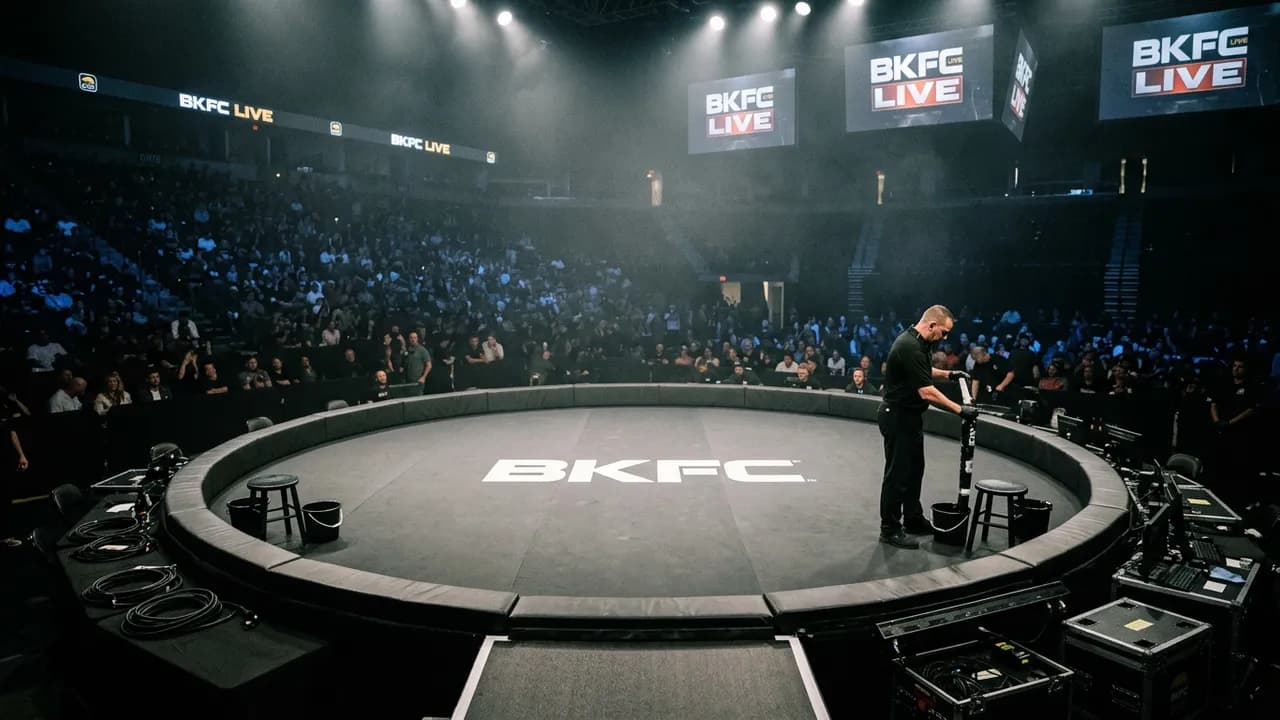
BKFC operates the most developed PPV model in the bare knuckle and underground fighting space. Major BKFC events are sold as pay-per-views through the promotion's own platform and through broadcast partners, with individual events priced between $30 and $50. While BKFC does not publicly disclose PPV buy rates, the promotion's expansion into arena events, its ability to pay headliner purses exceeding $250,000, and its $25 million global tournament all suggest PPV revenue in the millions annually. Conor McGregor's ownership stake has presumably accelerated PPV growth by attaching the most bankable name in combat sports to BKFC's product.
02 / Up next / Revenue Stream 3: Sponsorship and Advertising
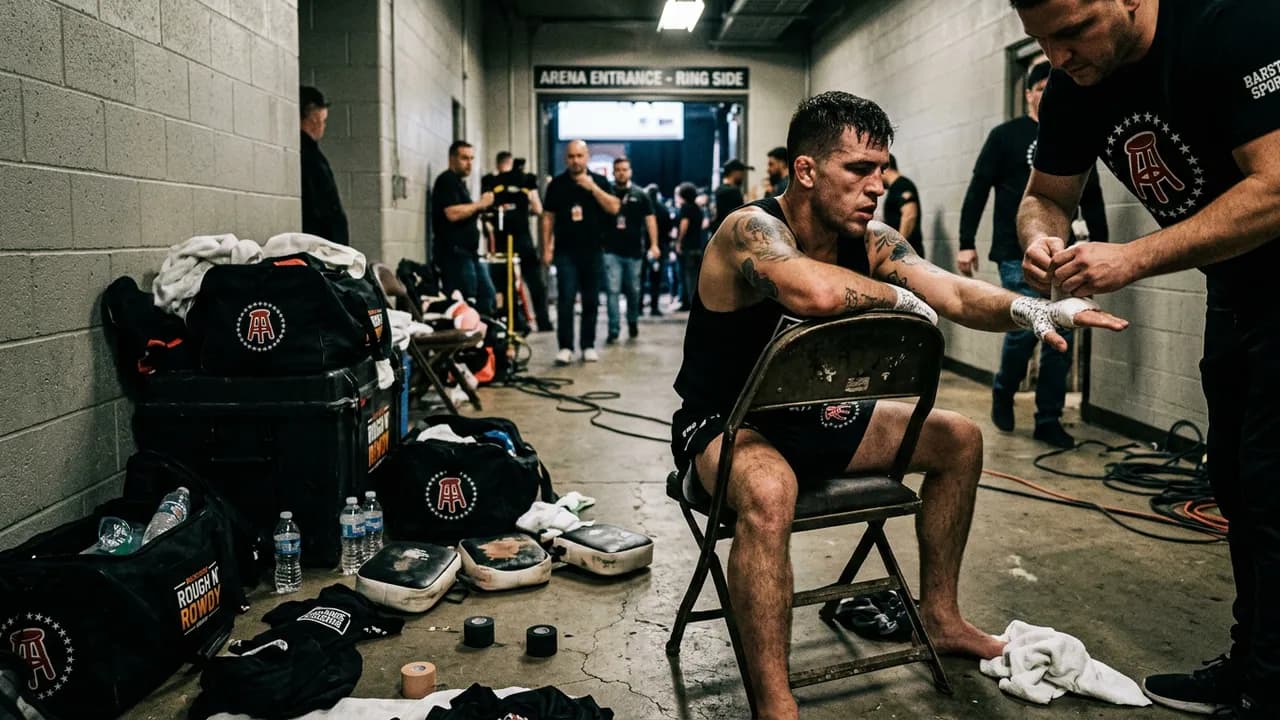
Rough N Rowdy sells PPV through Barstool Sports' platform at $19.99 per event, with reported buy rates reaching 41,000 or more per event. At that price and volume, a single Rough N Rowdy event can generate approximately $800,000 in gross PPV revenue before platform fees and production costs. With 12 or more events planned per year, the annual PPV revenue potential is substantial.
KOTS has experimented with membership models and PPV for premium content, directing fans to its own website (kingofthestreets.com) for content that goes beyond what is available on YouTube. The membership model provides more predictable recurring revenue than YouTube ad income, though the subscriber base is necessarily smaller than the free YouTube audience.
Top Dog FC operates its own streaming platform (topdogfc.tv), offering event access and archived content. This direct-to-consumer approach allows the organization to capture a larger share of revenue than it would by relying solely on YouTube, though it requires investment in streaming infrastructure and marketing.
The PPV model works best for organizations that have developed recognizable fighters, championship storylines, and production values that justify a purchase price. For purely amateur operations like Streetbeefs, where the appeal is rawness and authenticity rather than professional polish, the free YouTube model remains more appropriate.
Revenue Stream 3: Sponsorship and Advertising
Sponsorship revenue in underground fighting ranges from nonexistent at the grassroots level to substantial at the professional end.
BKFC attracts corporate sponsors willing to associate their brands with bare knuckle fighting. The promotion's sanctioned status, professional production, and mainstream media coverage make it a viable advertising platform. Sponsor logos appear on the ring canvas, fighter trunks, broadcast graphics, and social media content. As BKFC's audience has grown -- the promotion claims 250 million social media impressions in recent years -- the value of those sponsorship placements has increased proportionally.
Rough N Rowdy benefits from its relationship with Barstool Sports, whose advertising partnerships extend to Rough N Rowdy events. Barstool's Dave Portnoy and other personalities serve as commentators and promoters, integrating Rough N Rowdy content into Barstool's broader advertising ecosystem.
For underground organizations operating outside the law, traditional sponsorship is more difficult. Mainstream brands are reluctant to associate with unsanctioned fighting due to legal, reputational, and liability concerns. However, niche sponsors -- supplement companies, clothing brands, combat sports equipment manufacturers, online gambling platforms -- are less risk-averse and have sponsored various underground organizations.
Mahatch FC secured sponsorship from Parimatch, a major betting company, before the war in Ukraine disrupted operations. The Parimatch deal demonstrated that even organizations operating in the gray area between sanctioned and underground fighting could attract meaningful corporate sponsorship if the audience numbers justified the investment.
Underground organizations also generate de facto sponsorship revenue through product placement and affiliate marketing. A Streetbeefs video that prominently features a particular brand of gloves, mouthguards, or equipment may generate affiliate income when viewers purchase those products. These arrangements are typically informal and difficult to quantify, but they represent a meaningful supplement to YouTube ad revenue for organizations with large, engaged audiences.
Revenue Stream 4: Merchandise
Merchandise sales are the most culturally significant revenue stream in underground fighting, even if they are not always the largest in dollar terms. The merchandise -- T-shirts, hoodies, hats, stickers -- serves a dual purpose: generating revenue and building brand identity.
Streetbeefs sells branded merchandise through its website (streetbeefshq.com), featuring the organization's logo and taglines. For an organization built on the philosophy of "Guns Down, Gloves Up," merchandise serves as a cultural statement as much as a commercial product. Fans wear Streetbeefs gear to signal their affiliation with the organization's mission and community.
East Bay Rats, the Oakland motorcycle club that has hosted fight nights since the 1990s, sells merchandise including shirts bearing the slogan "Support Consensual Bloodshed." The merchandise is both a revenue source and a provocation -- a statement of values that deliberately challenges mainstream sensibilities.
BKFC operates a professional merchandise operation with licensed apparel, fighter-specific designs, and event-specific merchandise sold at live events and online. The merchandise business benefits from the same celebrity dynamics that drive PPV sales: fans want to wear the logos of the promotion and the fighters they support.
KOTS sells branded apparel through its website, with designs that reflect the organization's underground aesthetic. The merchandise is marketed primarily to the same audience that consumes KOTS content -- young men in Europe with an affinity for hooligan culture and underground fighting.
For niche organizations, merchandise may generate a few thousand dollars per year.
Merchandise margins are typically high -- a T-shirt that costs $5 to produce and sells for $30 generates $25 in gross profit -- but the total revenue depends on the size of the purchasing audience. For niche organizations, merchandise may generate a few thousand dollars per year. For established brands like BKFC or Rough N Rowdy, merchandise can be a six-figure annual revenue stream.
Revenue Stream 5: Gate Receipts and Ticket Sales
Gate receipts -- revenue from selling tickets to live events -- are the traditional backbone of the combat sports business model. In underground fighting, they play a smaller role than in sanctioned sports, but they are not negligible.
BKFC sells tickets to arena events, with prices ranging from general admission to premium ringside seating. The promotion's expansion into larger venues and more frequent events has made ticket sales an increasingly important revenue stream. BKFC's claim of a 100% increase in overall attendance suggests that gate receipt revenue has grown substantially.
Rough N Rowdy sells tickets to its touring events across U.S. cities. The events function as entertainment spectacles -- part fight card, part party, part Barstool Sports content production -- and ticket prices reflect the entertainment value rather than pure fight-watching interest.
The Scrapyard holds monthly events in Gig Harbor, Washington, with live attendance. The events are open to the public, though the organization's revenue model relies more on YouTube content than ticket sales.
For most underground organizations, gate receipts are minimal or nonexistent. Streetbeefs does not charge admission. KOTS does not sell tickets publicly; event locations are shared through private channels. Strelka events are open but not ticketed in any traditional sense. The underground fighting business model is fundamentally a digital media business, not a live entertainment business.
The Cost Structure: Why Underground Fighting Is Cheap to Run
The reason underground fighting organizations can generate meaningful profits despite relatively modest revenue is that the cost structure is extraordinarily lean.
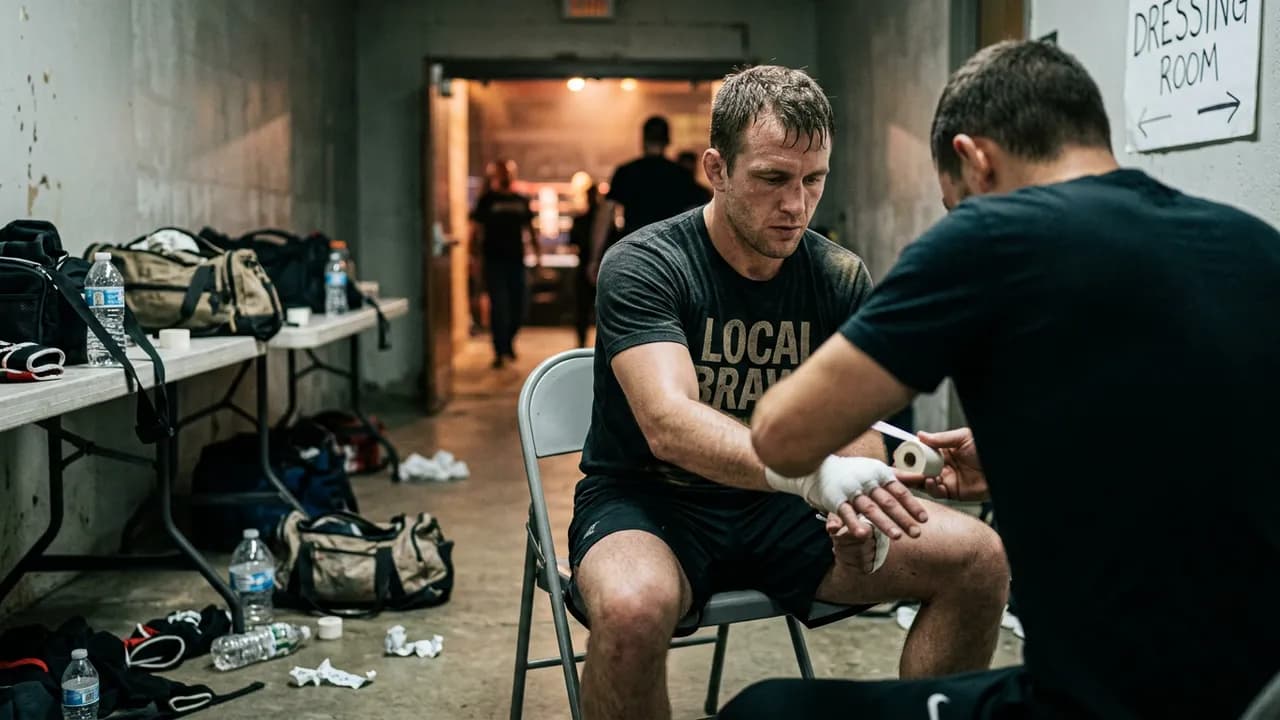
Fighter pay is minimal or zero. This is the single most important cost advantage that underground organizations have over sanctioned promotions. In the UFC, fighter compensation represents approximately 18-20% of revenue (a figure that fighters and advocates argue is far too low). In underground fighting, the percentage is often zero. Streetbeefs fighters receive no payment. KOTS fighters generally receive no purse. Strelka participants fight for free. Even organizations that do pay fighters -- like BKFC or Rough N Rowdy -- pay entry-level fighters far less than their sanctioned MMA or boxing counterparts.
The ethical implications of this cost structure are discussed in our analysis of underground fighter pay.
Venue costs are minimal. A backyard is free. A parking lot requires only permission from the property owner. A field, a beach, or a forest clearing costs nothing to rent. Even organizations that have graduated to indoor venues -- warehouses, gyms, small arenas -- face costs that are a fraction of what major boxing or MMA promotions pay for arena bookings.
Production costs are manageable. A basic underground fight operation requires one or two cameras, basic editing software, and someone willing to film and upload. The total investment to start producing YouTube-ready fight content is under $5,000 -- and for organizations willing to accept smartphone-quality footage, the cost approaches zero. Even professional-grade production -- multiple cameras, professional editing, graphics, commentary -- costs a fraction of what a sanctioned promotion spends on broadcast production.
Regulatory costs do not exist. Sanctioned combat sports promotions pay licensing fees, commission taxes, insurance premiums, drug testing costs, medical personnel salaries, and other regulatory expenses. Underground organizations pay none of these costs. The absence of regulatory overhead is a significant competitive advantage -- and a significant contributor to the safety gap between sanctioned and unsanctioned fighting.
Marketing costs are near zero. YouTube's algorithm functions as the marketing department for most underground fighting organizations. A compelling fight video will be recommended to viewers who watch similar content, generating organic audience growth without advertising expenditure. Social media platforms -- TikTok, Instagram, Twitter -- amplify this effect through shares, clips, and viral moments. The organizations that spend the most on marketing are the ones that have already crossed into the sanctioned space (BKFC, Rough N Rowdy), where traditional marketing channels are necessary to reach audiences beyond the YouTube ecosystem.
The Emerging Models: How the Business Is Evolving
The underground fighting business model is not static. Several emerging trends are reshaping how organizations generate revenue and structure their operations.
The Tournament Model
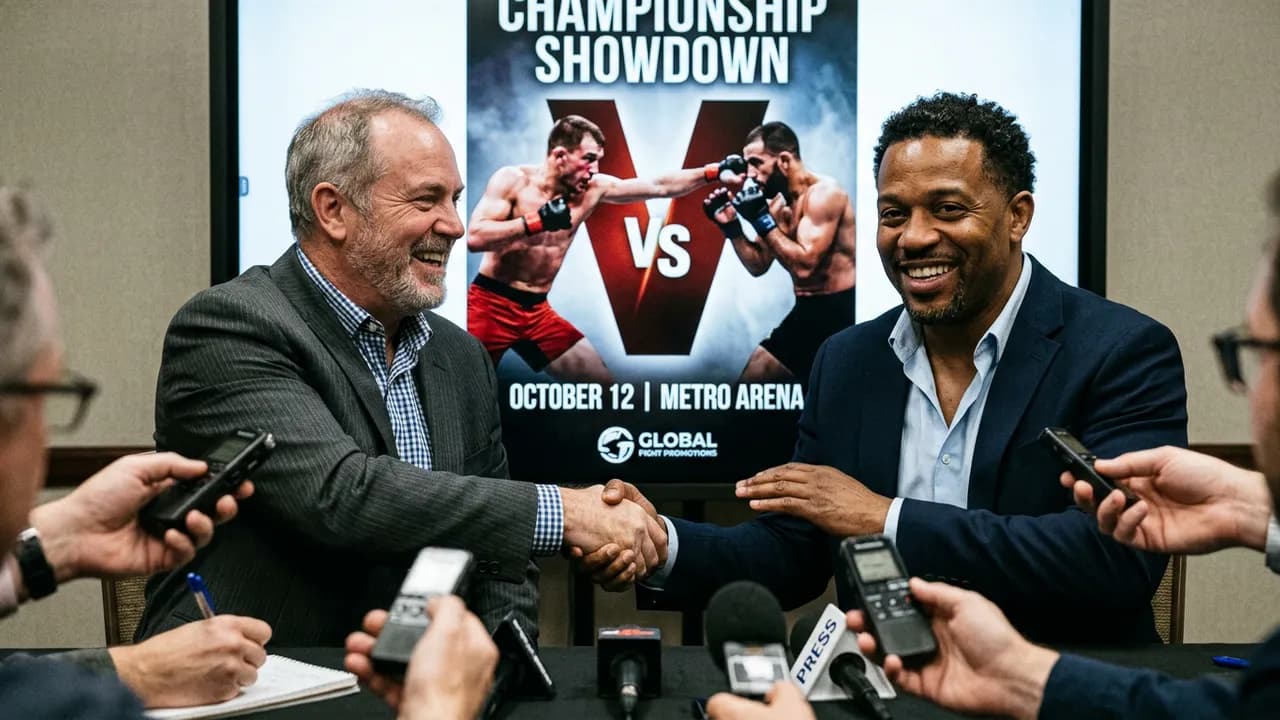
Gamebred Bareknuckle MMA, Jorge Masvidal's promotion, has introduced $500,000 tournaments that combine the appeal of tournament brackets with the drama of bare knuckle fighting. The tournament format creates a season-long narrative arc that drives engagement across multiple events, each of which generates its own PPV or broadcast revenue. BKFC's $25 million global tournament represents the largest implementation of this model to date.
The Team-Based League
BKFC's partnership with Bollywood star Tiger Shroff for an Indian launch introduces a team-based league format -- franchised teams competing in a league structure similar to cricket's IPL. This model would generate revenue through franchise fees (paid by team owners), broadcast rights (sold to Indian media companies), sponsorships (associated with both the league and individual teams), and gate receipts. If successful, the team-based model could be replicated in other markets and fundamentally change the economics of bare knuckle fighting.
The Cross-Platform Model
Top Dog FC's development of its own streaming platform (topdogfc.tv) represents a move toward direct-to-consumer content distribution. By controlling the platform, the organization captures revenue that would otherwise go to YouTube, sets its own pricing, owns viewer data, and reduces its dependence on a single platform's algorithm and monetization policies.
The Content Licensing Model
As underground fight content becomes more commercially valuable, licensing opportunities are emerging. Streaming services, documentary producers, and media companies are willing to pay for rights to underground fighting footage. The Channel 4 documentary on KOTR, the Vice coverage of Kimbo Slice, and various independent documentaries have all involved content licensing arrangements that generated revenue for the featured organizations.
The Bottom Line: Who Gets Rich?
The underground fighting business model generates money. But the distribution of that money raises fundamental questions about the fairness of the system.
A UFC fighter earning $12,000 to show and $12,000 to win is poorly compensated by any standard.
Organization operators capture the majority of revenue. YouTube ad payments go to the channel owner. PPV revenue goes to the promotion. Merchandise profits go to the brand. The fighters who generate the content -- who accept the physical risk, who suffer the injuries, who provide the spectacle that drives views and sales -- receive a share of the economics that ranges from modest (BKFC's top fighters) to literally zero (Streetbeefs' participants).
This dynamic is not unique to underground fighting. The UFC has faced decades of criticism for paying fighters approximately 18-20% of revenue, compared to the 50% revenue share that is standard in the NFL, NBA, and MLB. But the gap is more extreme in underground fighting because the floor is lower. A UFC fighter earning $12,000 to show and $12,000 to win is poorly compensated by any standard. A Streetbeefs fighter earning nothing at all is operating in a different economic reality entirely.
Whether this model is exploitative depends on how you define the term. Streetbeefs fighters are not forced to participate. They choose to fight, they understand the terms, and many of them derive value -- personal satisfaction, community belonging, dispute resolution -- that is not measured in dollars. But the fact that organizations generate significant revenue from content that fighters produce for free raises questions that the underground fighting community has not fully grappled with.
The business model works. It is lean, scalable, and well-suited to the digital media landscape. It has enabled underground fighting to grow from a handful of backyard operations into a global industry with millions of viewers and millions of dollars in annual revenue. The question is not whether the model works. The question is whether it is fair -- and whether the fighters whose bodies and courage make the whole enterprise possible will ever receive a meaningful share of the wealth they create.