Bare-knuckle boxing was born in England. James Figg claimed the first championship in 1719. Jack Broughton wrote the first rules in 1743. The London Prize Ring Rules governed the sport for a century. Tom Sayers and John C. Heenan fought the first international championship bout on English soil in 1860. For nearly 200 years, England was the undisputed home of bare-knuckle fighting.
Then England made it illegal, and bare-knuckle boxing spent 129 years in exile.
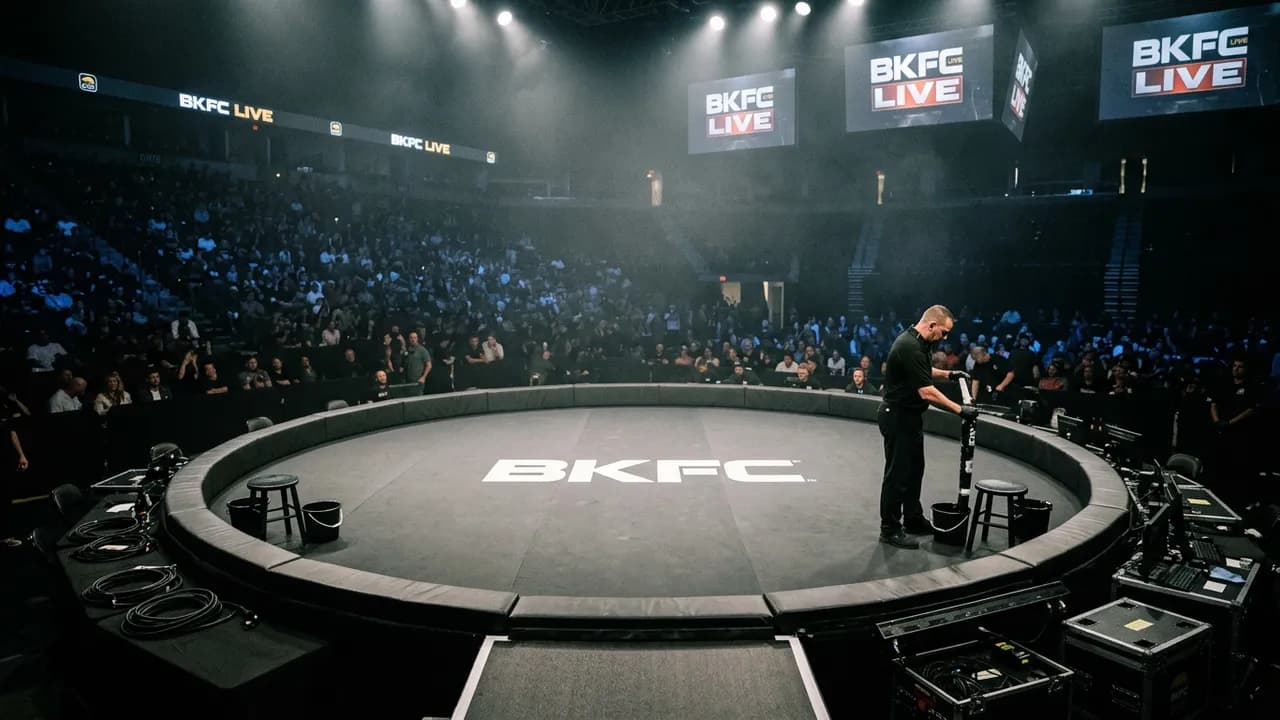
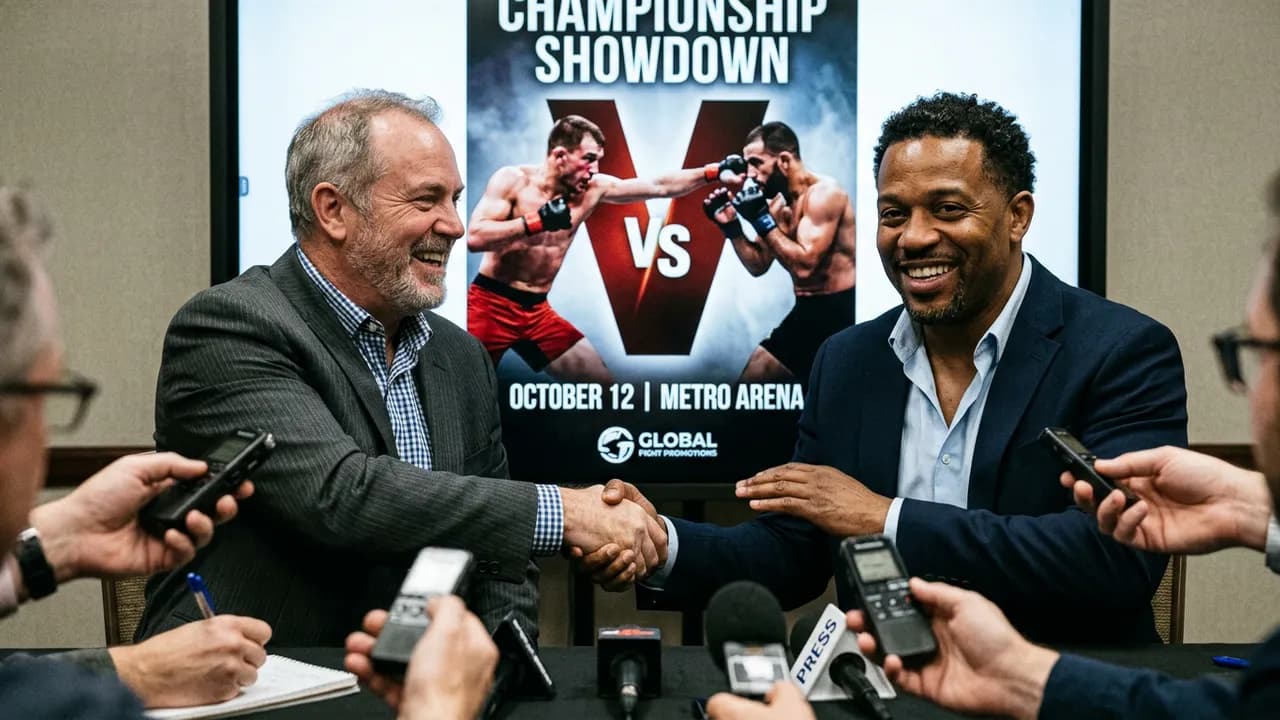
When BKFC (Bare Knuckle Fighting Championship) acquired the British Fighting Bare Association (BFBA) in 2022, it was not just a corporate transaction. It was a homecoming -- the world's largest bare-knuckle promotion planting its flag in the country where the sport began. That acquisition was the centerpiece of a global expansion strategy that has transformed BKFC from an American startup into an international operation active in over 60 countries. This is the story of how that expansion happened, what the BFBA deal means for British fighting, and where BKFC's global ambitions are headed.
The BFBA: Britain's Bare Knuckle Pioneer
What BFBA Built
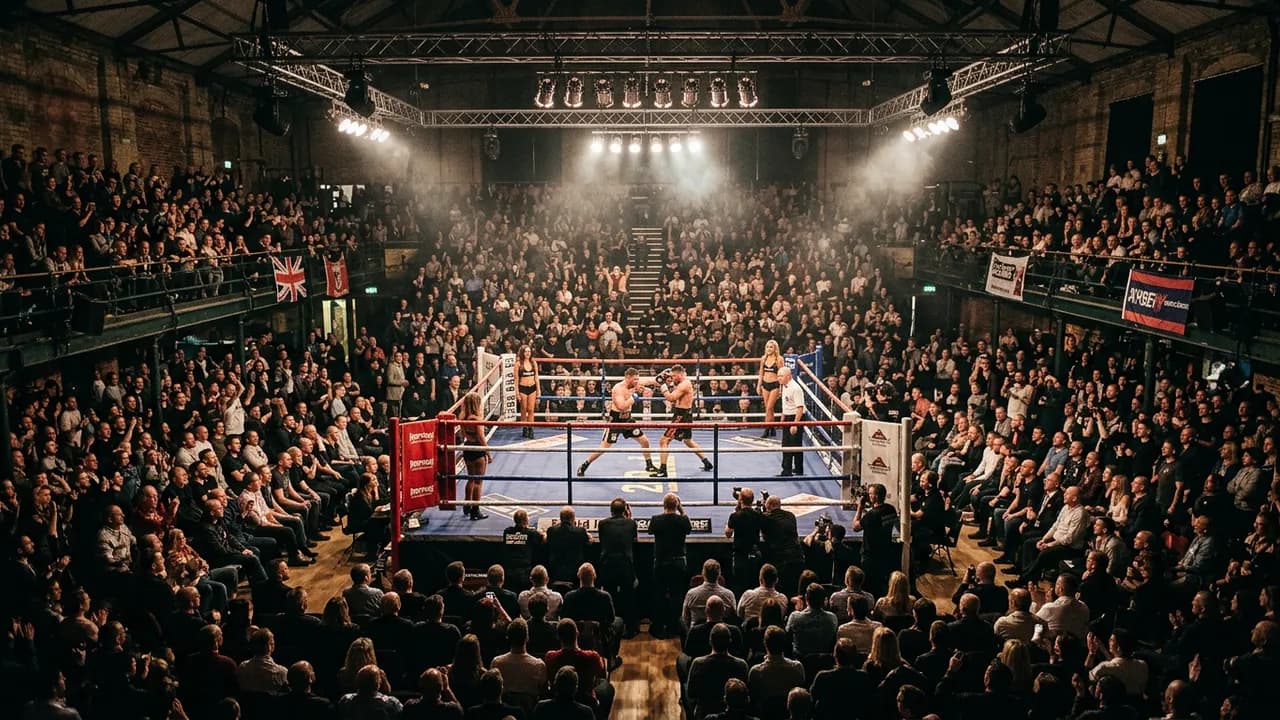
The British Fighting Bare Association was one of several organizations that emerged in the UK to serve a domestic bare-knuckle market that had existed underground for generations. Britain's bare-knuckle tradition never truly died after R v. Coney effectively criminalized the sport in 1882. It went underground, persisting in traveller communities, working-class boxing clubs, and private events organized beyond the reach of authorities. By the time organizations began attempting to bring bare-knuckle back to legitimacy in the 2010s, there was already a deep well of fighters, fans, and cultural infrastructure to draw from.
BFBA operated within the UK's legal framework, staging events that were positioned as sporting competitions between consenting adults. The organization built a roster of British bare-knuckle fighters, established event infrastructure, and developed a domestic audience for legal bare-knuckle competition. It was one of several UK-based promotions -- alongside others that had emerged in the post-2018 landscape -- working to establish bare-knuckle boxing as a recognized sport in Britain.
What BFBA lacked was scale. The UK bare-knuckle market, while passionate, was fragmented among multiple small promotions, none of which had the resources, broadcast infrastructure, or international reach to compete with the rapidly growing American bare-knuckle scene. BFBA had fighters and events. It needed capital, distribution, and a global brand.
The Market Opportunity
The UK represented one of the most strategically important markets in the bare-knuckle world for several reasons. First, the historical connection -- marketing bare-knuckle boxing in the country where it was invented is a storytelling advantage that no amount of money can replicate. Second, the cultural appetite -- British fight fans have a proven willingness to support combat sports, from boxing to MMA to the underground bare-knuckle events that had persisted for decades. Third, the timezone -- UK events can be broadcast at times convenient for both European and American audiences, maximizing global viewership.
BKFC recognized all of this. By 2022, the promotion was already the dominant bare-knuckle organization in the United States, with a growing international profile but limited European infrastructure. The BFBA acquisition offered a ready-made UK operation -- fighters, venue relationships, regulatory knowledge, and cultural credibility -- that could serve as the beachhead for European expansion.
The Acquisition: How the Deal Came Together
David Feldman's Vision
David Feldman, BKFC's founder and president, had been eyeing international expansion since the promotion's earliest days. Feldman understood that bare-knuckle boxing's appeal was not geographically limited -- the sport's raw authenticity resonated across cultures, languages, and national boundaries. But international expansion in combat sports is notoriously difficult. It requires local regulatory expertise, venue relationships, fighter pipelines, and cultural understanding that cannot be imported from Philadelphia.
The acquisition model -- buying an existing local operation rather than building from scratch -- addressed these challenges directly. BFBA brought institutional knowledge of UK sporting regulations, established relationships with venues and local authorities, an existing roster of British fighters, and credibility within the UK fighting community. BKFC brought capital, a global brand, a proven promotional model, and distribution infrastructure that could amplify BFBA's domestic events to a worldwide audience.
The deal was completed in 2022, making BFBA a wholly-owned subsidiary of BKFC and establishing the UK as the promotion's first international market with dedicated local operations.
Integration and Operations
The post-acquisition integration followed a model designed to preserve local authenticity while applying BKFC's promotional and production standards. UK events were branded as BKFC events, incorporating the promotion's visual identity, production values, and broadcasting infrastructure. But the fighter roster remained heavily British, the venues were UK locations, and the events maintained the cultural flavor that British fight fans expected.
02 / Up next / BKFC's Global Expansion Strategy
This approach -- global brand, local execution -- became the template for BKFC's subsequent international expansion. It recognized that fight fans in London want to see British fighters in British venues, not a transplanted American show. The BKFC brand provided credibility and distribution. The local operation provided authenticity and talent.
UK events were integrated into BKFC's broadcast infrastructure, initially through the promotion's own digital platforms and subsequently through broadcast partnerships. The ability to offer UK-based bare-knuckle events to a global audience through a single distribution system represented a significant upgrade from BFBA's standalone domestic reach.
BKFC's Global Expansion Strategy
The 60-Country Footprint
The BFBA acquisition was the most visible component of a broader international strategy that has extended BKFC's reach to over 60 countries by 2026. This expansion has operated through multiple mechanisms, each tailored to the specific conditions of the target market.
Direct events: BKFC has staged events outside the United States in multiple countries, including the UK, Thailand, and other international markets. These events feature local fighters alongside BKFC roster members, creating a product that appeals to both domestic and international audiences.
Broadcast distribution: BKFC's content is distributed internationally through a combination of direct streaming, broadcast partnerships, and digital platforms. The promotion's deal with DAZN provides access to a global audience, while regional broadcast agreements in specific markets extend reach further.
Licensing and partnerships: In some markets, BKFC has pursued licensing arrangements that allow local promoters to stage BKFC-branded events using the promotion's rules, production standards, and branding. This franchise-adjacent model allows rapid market entry without the capital investment required for direct operations.
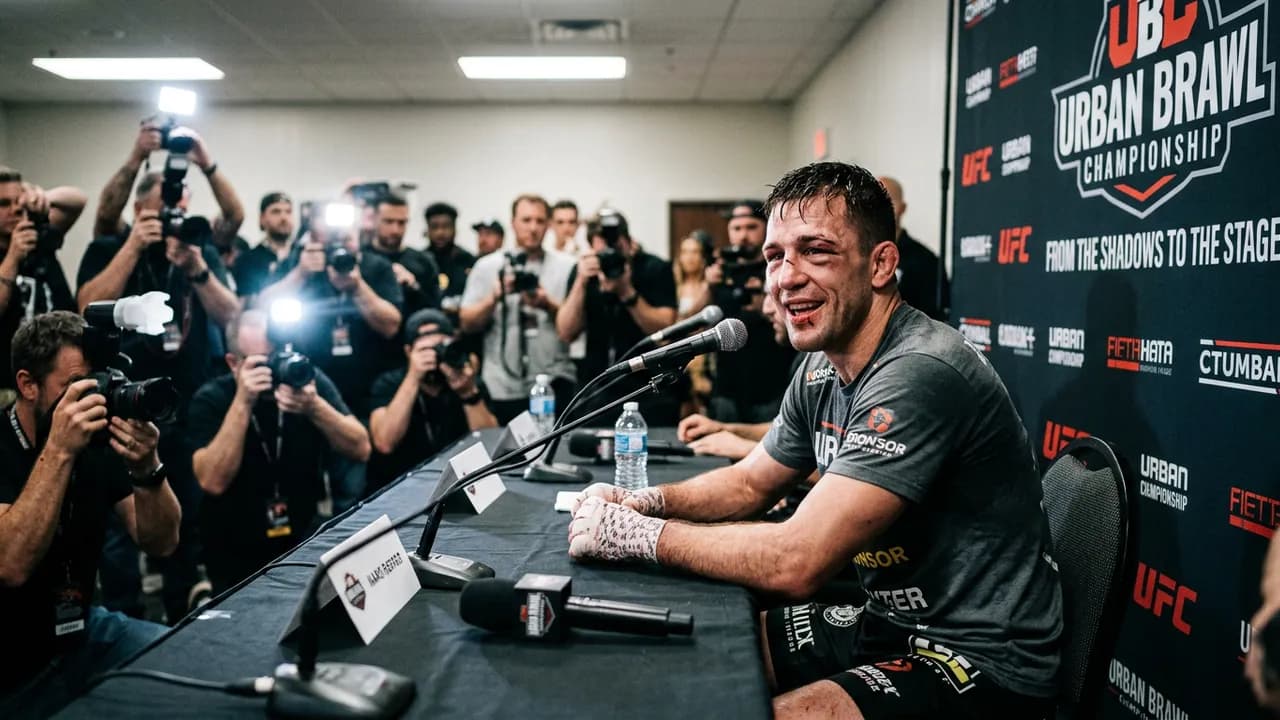
Fighter recruitment: BKFC actively recruits international fighters, bringing athletes from around the world to compete on American cards while also building local rosters for international events. This two-way talent flow creates a global fighter ecosystem that strengthens the promotion's competitive depth and broadens its audience appeal.
The Conor McGregor Accelerant
The single most significant accelerant for BKFC's international growth was Conor McGregor's acquisition of a partial ownership stake in 2024. McGregor, the most globally recognized combat sports figure of the 21st century, brought several assets that money alone cannot buy: global name recognition, a social media following measured in the tens of millions, and credibility as a fighter that translates across every market where combat sports has an audience.
McGregor's involvement transformed BKFC's international profile overnight. Media outlets that had never covered bare-knuckle fighting reported on his investment. Social media engagement spiked. International fighters who might have dismissed BKFC as an American niche suddenly saw it as a legitimate global destination. The McGregor effect on BKFC extended to every aspect of the promotion's operations, but its impact on international expansion was arguably the most transformative.
The combination of the BFBA acquisition, the McGregor partnership, and systematic international expansion has positioned BKFC as the only bare-knuckle promotion with a genuine global presence. Other organizations -- BKB, Top Dog FC, Strelka -- have international audiences, but none have the operational infrastructure in multiple countries that BKFC has built.
The UK Market: Challenges and Opportunities
Regulatory Landscape
The UK's regulatory environment for bare-knuckle boxing remains complex. Unlike the United States, where state athletic commissions provide a clear (if variable) regulatory framework for sanctioning bare-knuckle events, the UK's approach is less codified. Events are generally staged under the legal principle that consenting adults can engage in sporting competition, but the specific regulatory requirements -- insurance, medical provision, venue licensing -- vary by jurisdiction and are subject to interpretation by local authorities.
BKFC's UK operations must navigate this regulatory uncertainty while maintaining the safety standards and operational professionalism that the promotion's global brand requires. This includes ringside medical personnel, pre-fight medical examinations, and the production infrastructure to stage events at a level consistent with BKFC's American standards.
The regulatory challenge is also an opportunity. By establishing high operational standards in the UK market, BKFC can position itself as a partner to regulatory bodies rather than an adversary -- demonstrating that bare-knuckle boxing can be conducted safely and professionally, potentially paving the way for more explicit regulatory recognition that would benefit the entire UK bare-knuckle ecosystem.
Competition in the UK
BKFC's UK presence places it in competition with other bare-knuckle organizations operating in Britain. BKB Bare Knuckle Boxing, which has broadcast deals with talkSPORT and VICE TV, has its own UK operations and a distinctive product built around the patented Trigon ring. Other smaller promotions serve local and regional markets.
04 / Up next / The Talent Pool
The competitive dynamic in the UK mirrors the broader global bare-knuckle landscape: multiple promotions competing for fighters, fans, and broadcast attention in a rapidly growing but still developing market. BKFC's advantages -- brand recognition, capital, McGregor's star power, and a roster that includes former world champions and UFC veterans -- give it significant competitive leverage. But the UK market's cultural attachment to homegrown promotions means that BKFC cannot simply overwhelm local competitors with American scale. It must earn its place in a market that has its own fighting traditions, its own heroes, and its own expectations.
The Talent Pool
The UK's talent pool for bare-knuckle fighting is among the deepest in the world. Britain has a long tradition of bare-knuckle fighting in traveller communities, producing fighters with multi-generational expertise in ungloved combat. The broader British boxing infrastructure -- one of the strongest in the world -- generates a continuous stream of fighters with the technical skills to transition to bare-knuckle competition. And the UK's MMA scene provides additional crossover talent.
BKFC's UK operations tap into this talent pool, recruiting British fighters for both UK events and international cards. The ability to offer British fighters a pathway from local bare-knuckle competition to a global stage is a powerful recruitment tool and a key advantage of the BFBA acquisition.
The Global Picture
What BKFC Has Built
By 2026, BKFC has assembled a global bare-knuckle operation unlike anything the sport has seen in its 300-year history. The promotion operates in over 60 countries, has staged events on multiple continents, distributes its content through a combination of streaming platforms and broadcast partnerships, and has a fighter roster that includes athletes from dozens of nationalities.
The UK operations, anchored by the BFBA acquisition, represent the most developed international market. But BKFC's global ambitions extend far beyond Britain. The promotion's expansion into Thailand -- a country with a deep cultural connection to combat sports through Muay Thai -- opened the Southeast Asian market. Events in other international markets have tested demand and built local infrastructure. Each new market adds fighters, fans, and revenue to an operation that has been valued at approximately $400 million.
The Revenue Model Scales
BKFC's international revenue model is built on the same core economics as its domestic operation: event revenue (tickets and concessions), broadcast revenue (streaming and traditional broadcast), sponsorship, merchandise, and the fighter-fee model that defines professional combat sports. International operations add complexity -- currency conversion, international logistics, local regulatory compliance -- but they also add revenue streams and audience reach that are unavailable to a purely domestic operation.
The promotion's annual revenue has approximately doubled year-over-year throughout its history, a growth rate that international expansion both reflects and accelerates. Each new market opens a new revenue pool, and the global distribution of content means that a fight in London can generate revenue from viewers in Los Angeles, Sydney, and Sao Paulo simultaneously.
What Comes Next
BKFC's trajectory points toward continued international expansion, deeper penetration of existing markets, and increasing integration of international fighters into a global competitive structure. The promotion has demonstrated the viability of bare-knuckle boxing as a global product. The question is no longer whether there is an international market for the sport but how quickly BKFC can build the infrastructure to serve it.
The BFBA acquisition was the first step. It brought bare-knuckle boxing home to the country where it was born and established the template for international growth. Every market that BKFC enters from this point forward will follow the same basic formula: acquire or partner with local infrastructure, apply BKFC's brand and production standards, connect local talent to a global platform, and distribute the resulting content worldwide.
The sport was born in England. It was reborn in Wyoming. And now, through the acquisition that brought BKFC to the UK and the global expansion that followed, it belongs to the world.