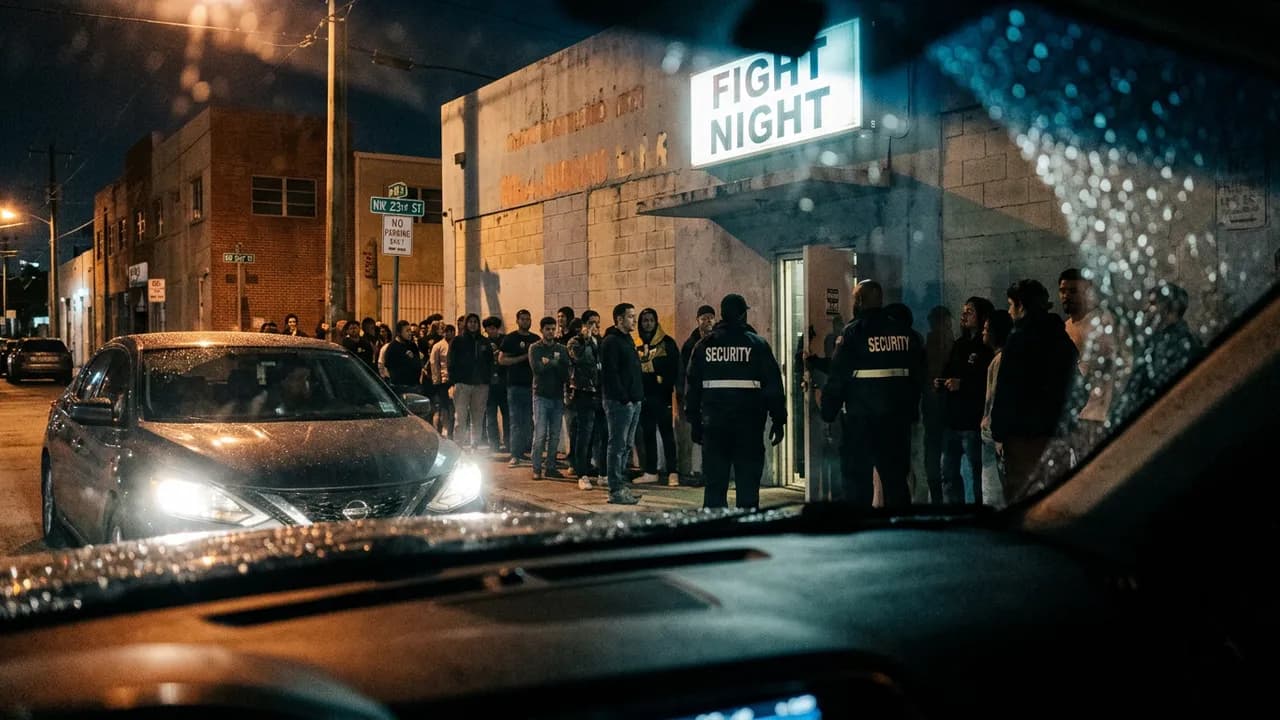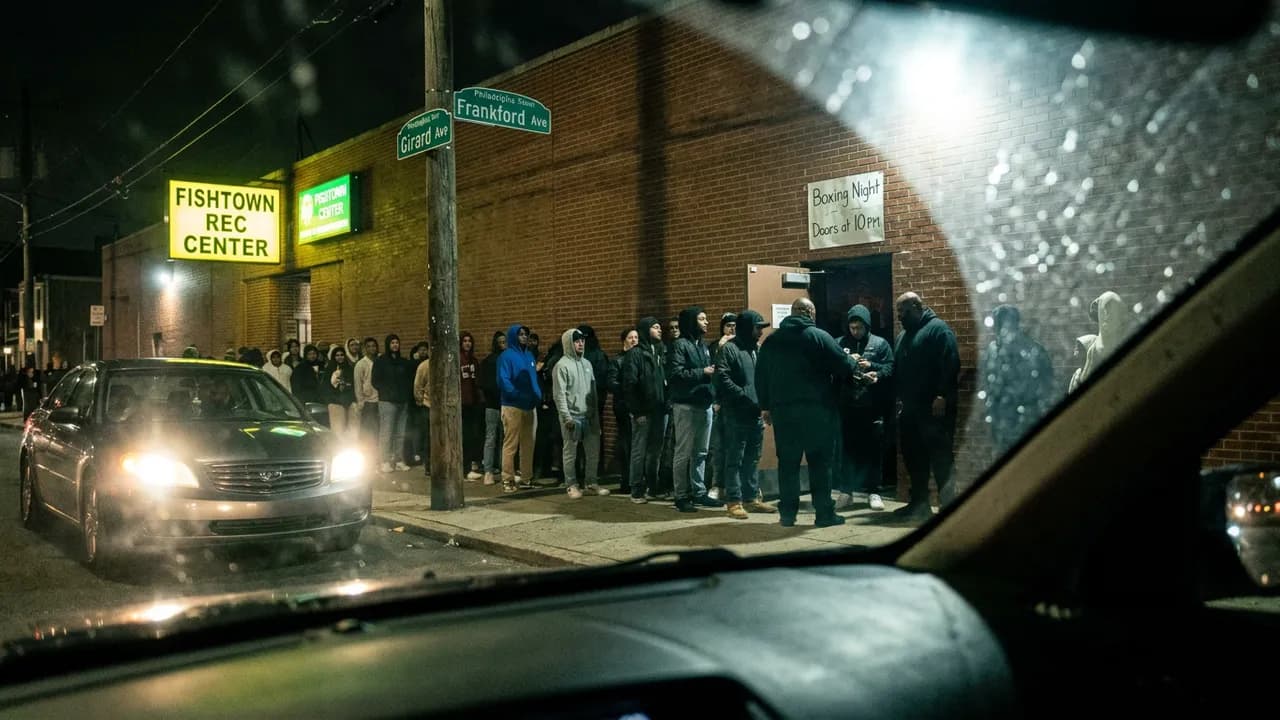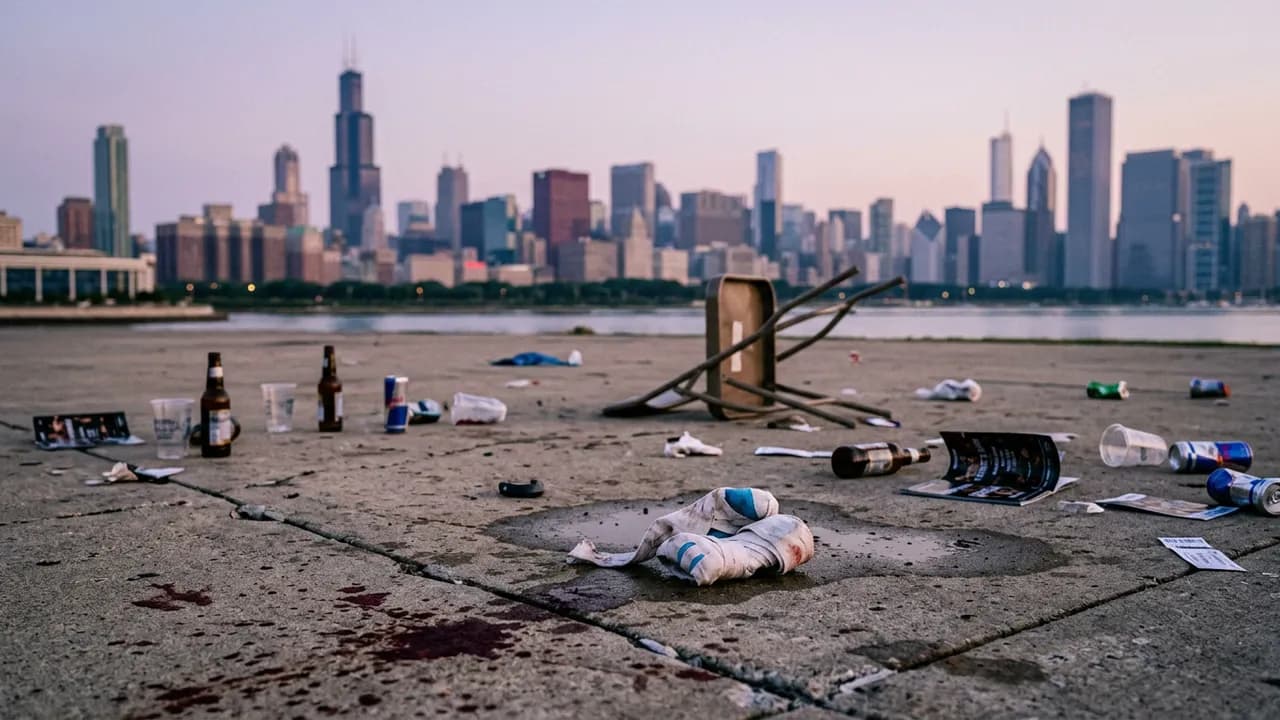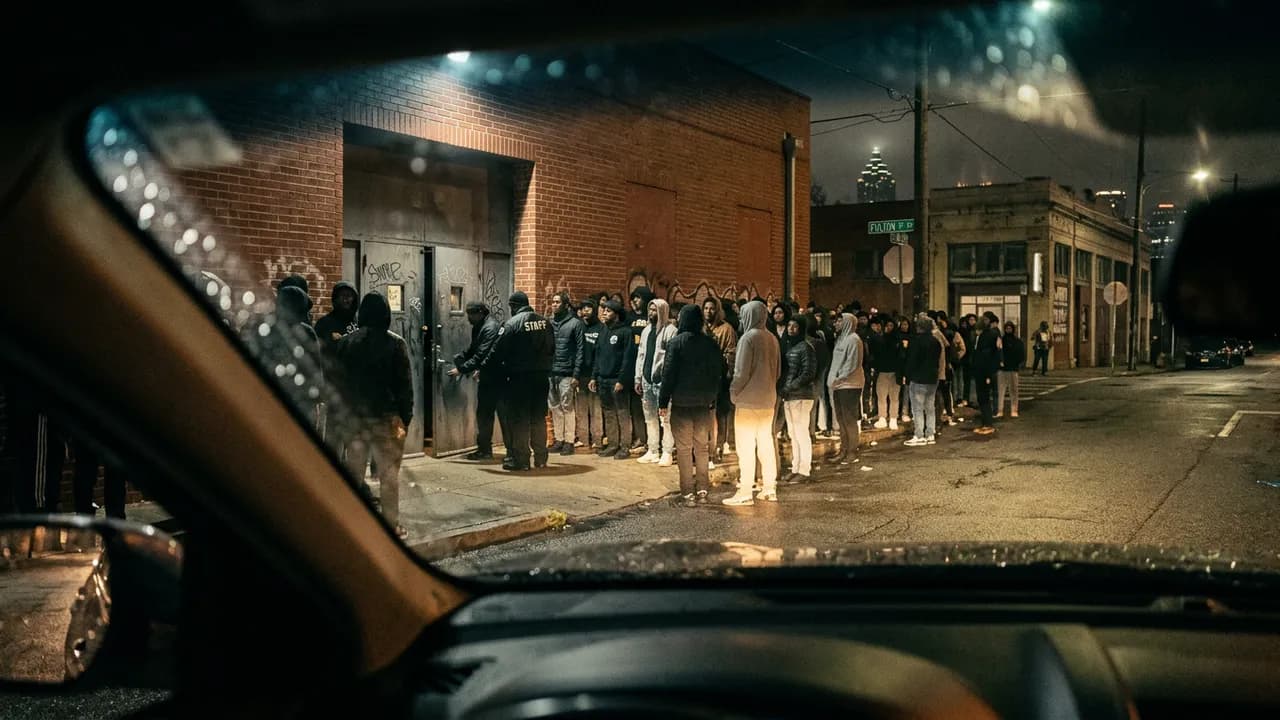
Atlanta is the capital of the New South -- a city that has remade itself from the ashes of the Civil War into one of the most dynamic metropolitan areas in the United States. It is also a city where the old and the new collide in ways that produce their own kind of friction. Old money neighborhoods sit adjacent to blocks defined by poverty and violence. The hip-hop culture that made Atlanta a global entertainment capital coexists with a street culture that is as real and as dangerous as anything in Chicago or Los Angeles. And within this collision, a fighting culture has developed that draws on Southern traditions, African American boxing heritage, and the modern appetite for raw, unfiltered combat content.
Atlanta does not have a signature underground fighting organization in the way that Harrisonburg has Streetbeefs or Gothenburg has KOTS. What it has instead is a decentralized ecosystem -- backyard fights organized through social media, informal gym competitions, touring promotions passing through, and a growing interest in bare knuckle fighting that reflects the broader national trend. The scene is active, it is growing, and it is waiting for the organization or promoter who will give it a focal point.
History
Atlanta's fighting traditions are rooted in the broader history of boxing in the American South. The Southern states have produced a disproportionate share of American boxing talent, and Georgia is no exception. The state's amateur boxing programs, centered in Atlanta and its suburbs, have developed fighters who have competed at the national and international levels.
The African American boxing tradition in Atlanta is particularly significant. The city has served as a center of Black cultural and economic life since Reconstruction, and boxing has been part of that cultural fabric. Historically Black colleges and universities in the Atlanta area supported boxing programs. Community gyms in Black neighborhoods trained fighters who carried the city's reputation into the ring. The tradition is not as widely celebrated as the boxing legacies of Philadelphia or Detroit, but it is real and it is deep.
Backyard fighting in the South has its own distinct character. The rural and semi-rural areas surrounding Atlanta have a long tradition of informal combat -- toughman competitions at county fairs, parking lot fights behind roadhouses, and the kind of interpersonal violence that accompanies life in communities where formal institutions are sparse and personal honor is paramount. This tradition has migrated into the city as Atlanta's population has grown and as social media has provided a platform for documenting and distributing fight content.
The rise of viral fight videos in the 2010s brought national attention to backyard fighting across the American South. Atlanta, as the region's largest city and its cultural hub, became a natural center for this content. Instagram pages, YouTube channels, and social media accounts dedicated to Atlanta-area fights accumulated large followings, creating demand for organized events.
Organizations
Touring Promotions
Atlanta's fight scene benefits from its status as a major American city and a natural touring destination for national fight promotions. BKFC has staged events in the Southeast and has drawn fighters from the Atlanta area. The promotion's growth and its aggressive expansion strategy make Atlanta a logical market for future events.
Rough N' Rowdy, the Barstool Sports-backed amateur boxing promotion, has toured through Southern cities and represents another point of access for Atlanta-area fighters and fans. The promotion's format -- amateur boxing with no headgear, open to untrained participants -- resonates with the Southern backyard fighting culture that has always valued willingness over technique.
The presence of these touring promotions provides structure to a fighting scene that might otherwise remain entirely informal. When BKFC or Rough N' Rowdy comes to Atlanta, they tap into a pre-existing appetite for combat entertainment and a pool of fighters who have been competing in unorganized contexts and are ready for a more structured platform.
The Backyard Scene
Atlanta's backyard fighting scene operates through social media networks that connect fighters, organizers, and spectators. Instagram is the primary platform, with multiple accounts dedicated to promoting and documenting backyard fights in the Atlanta metropolitan area. These accounts serve as informal promotions, announcing events, matching fighters, and distributing content to audiences that number in the tens of thousands.
The format varies. Some backyard events are boxing-only, with gloves and a makeshift ring.
The format varies. Some backyard events are boxing-only, with gloves and a makeshift ring. Others are more permissive, allowing MMA-style fighting or simply street rules with minimal constraints. The level of organization ranges from genuinely professional setups with ropes and a designated referee to spontaneous encounters in parking lots and vacant lots.
The connection to Streetbeefs is indirect but culturally significant. The Streetbeefs model -- fighting as dispute resolution, conducted on private property with gloves and supervision -- has influenced backyard fighting culture across the South. Atlanta organizers who watched Streetbeefs content on YouTube adopted elements of the format, creating a Southern variant that blends the Streetbeefs philosophy with local traditions and sensibilities.
MMA and Boxing Gyms
Atlanta's sanctioned combat sports infrastructure has expanded rapidly in recent decades. The city is home to numerous MMA gyms, boxing clubs, and martial arts schools that provide training for both amateur and professional competitors. The UFC and Bellator have staged events in Atlanta, and the city's fight fan base is large and engaged.
The relationship between the gym scene and the underground is one of mutual feeding. Fighters who train at Atlanta's gyms carry their skills into backyard events. Backyard fighters who demonstrate talent are recruited into gyms and steered toward sanctioned competition. The flow moves in both directions, creating a fighting ecosystem that bridges the gap between organized and informal combat.
Notable Fighters
Atlanta's underground fighting scene has not produced nationally recognized figures in the way that Miami's scene produced Kimbo Slice or Virginia's produced the Streetbeefs roster. The decentralized nature of the Atlanta scene means that reputations are local rather than national, built within neighborhoods and social media networks rather than through organizational platforms.
The city's professional fighting output is more visible. Atlanta-trained fighters have competed in the UFC, Bellator, and professional boxing at various levels. The amateur boxing programs that operate in the city produce competitors who represent Georgia at the national level.
The backyard scene's notable fighters are known through Instagram and YouTube -- their followings built on fight clips that circulate within the Southern underground fighting community. These fighters lack the organizational infrastructure that turns local reputations into national profiles, but their skills and their willingness to compete are not in question.
The Cultural Context
Understanding Atlanta's underground fighting scene requires understanding the city's broader cultural dynamics. Atlanta is the hub of Southern hip-hop, a genre that has always engaged with street culture, violence, and the aesthetics of toughness. The overlap between hip-hop culture and fighting culture is not coincidental -- both appeal to the same demographics, both value authenticity and physical presence, and both provide platforms for individuals from marginalized communities to gain recognition and respect.
The backyard fighting content that circulates on Atlanta social media often incorporates hip-hop aesthetics -- the music, the fashion, the verbal posturing that accompanies fights. This cultural layering gives Atlanta's fighting scene a distinctive character that differentiates it from the scenes in other cities, where the cultural influences may be more heavily weighted toward hooligan culture, motorcycle club identity, or historical tradition.
Atlanta's gun violence crisis -- which, like Chicago's, concentrates in specific neighborhoods and demographics -- provides the same grim context that motivates organizations like Streetbeefs and Backyard Squabbles. The argument that organized fighting provides an alternative to lethal violence resonates as strongly in Atlanta as it does anywhere in America.
How to Get Involved
Atlanta's combat sports landscape is accessible through multiple pathways. The city's boxing gyms and MMA facilities provide structured training for fighters at all levels. USA Boxing-sanctioned amateur competitions are held regularly in the Georgia area, and the state's MMA amateur circuit provides additional competitive opportunities.
BKFC events in the Southeast are announced through bkfc.com, and the promotion accepts fighter applications from all US locations. The bare knuckle scene is growing nationally, and Atlanta-area fighters are well-positioned to take advantage of the promotion's expansion.
Rough N' Rowdy events are advertised through Barstool Sports, and the promotion's touring model brings events to Southern cities. Fighter applications are accepted through the promotion's channels.
The backyard scene is accessible through social media -- Instagram accounts dedicated to Atlanta-area fighting provide information about upcoming events and serve as networking platforms for fighters looking to compete. The decentralized nature of the scene means that there is no single point of entry, but the social media ecosystem makes connections relatively easy to establish.
Related Cities
- Miami -- Where viral backyard fighting began, and the closest parallel to Atlanta's scene in the Southeast
- Philadelphia -- BKFC headquarters, the promotion with growing interest in the Southern market
- Chicago -- Fellow major American city with deep boxing traditions and underground fighting activity
- Harrisonburg -- Streetbeefs' birthplace, the organization whose model has influenced Southern backyard fighting
- Los Angeles -- Backyard Squabbles and the West Coast equivalent of Atlanta's scene