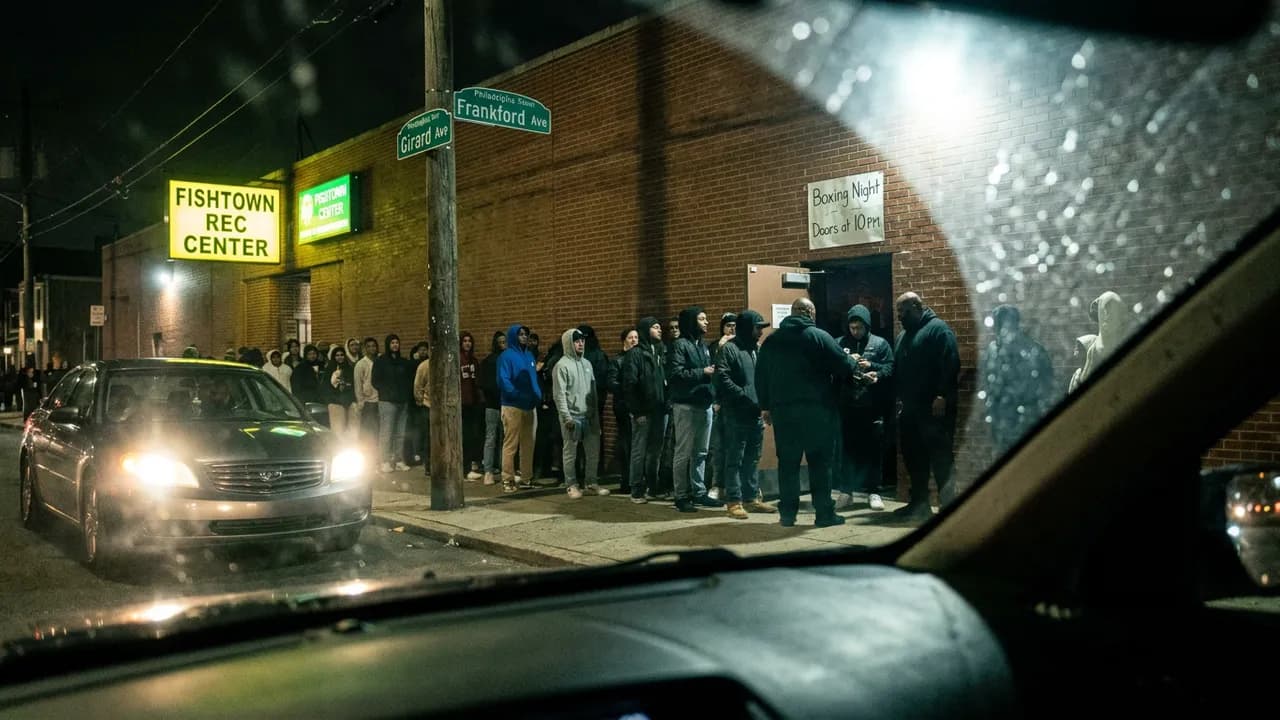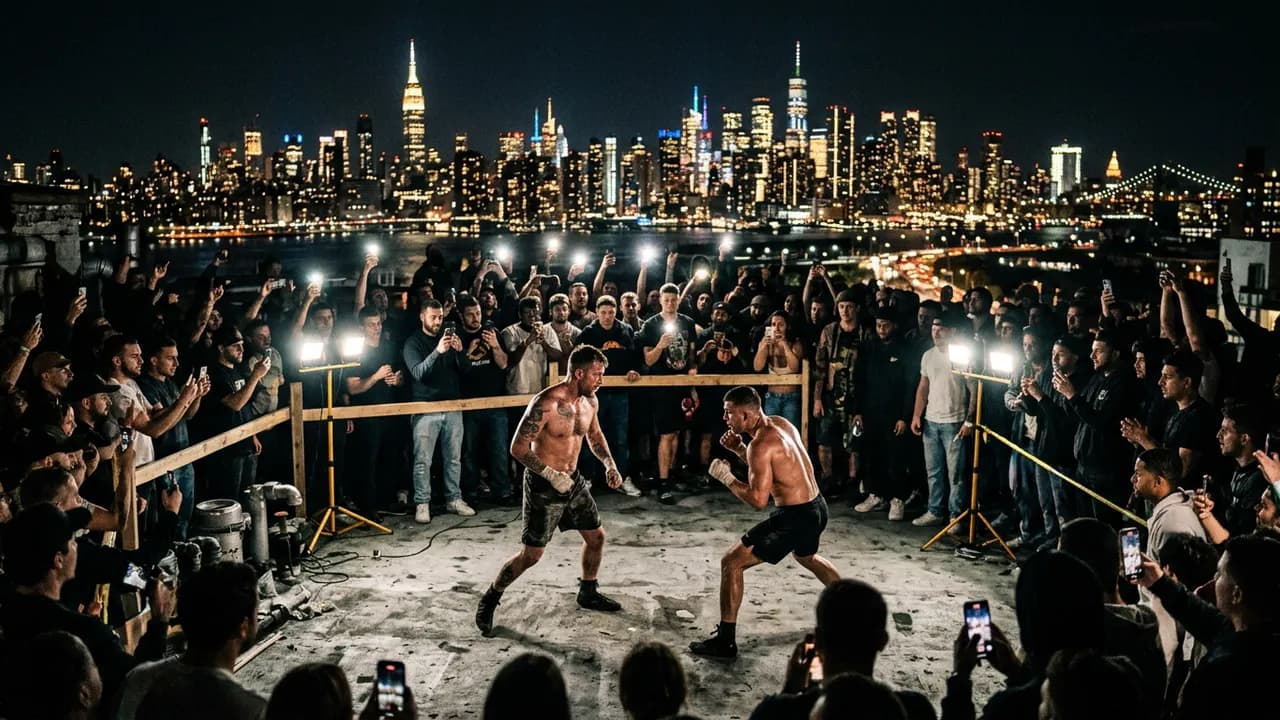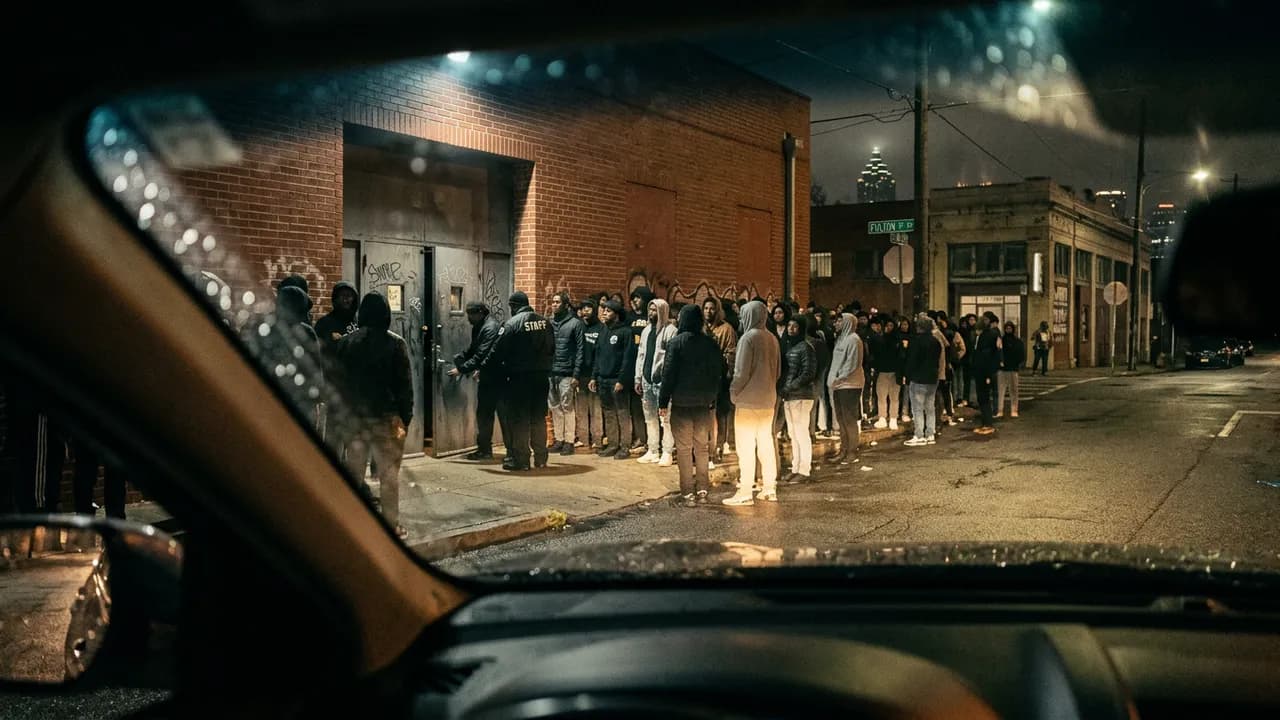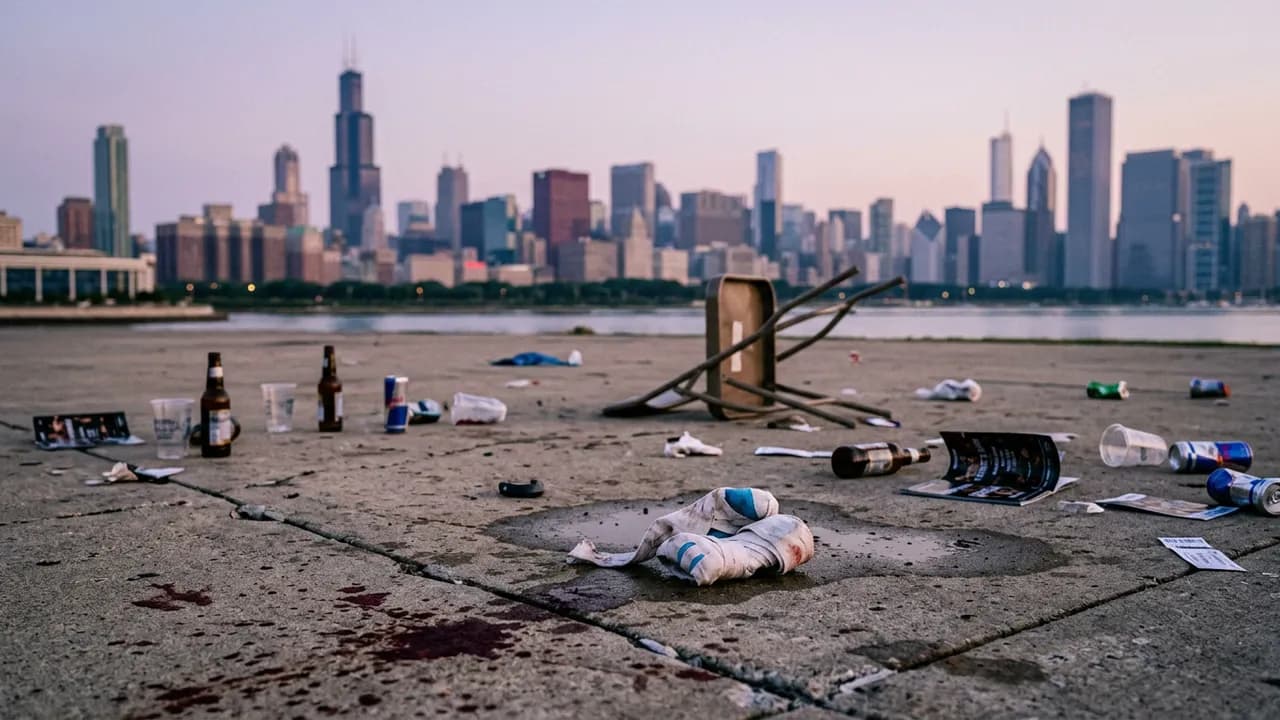
Chicago is a city built on conflict. The labor wars of the late nineteenth century, the gang wars of Prohibition, the racial violence that shaped the South Side, the ongoing crisis of gun violence that makes the city a national symbol of urban danger -- conflict is not an aberration in Chicago. It is a defining feature. And like every city where violence is ambient, Chicago has developed fighting cultures that channel, contain, and sometimes celebrate that energy.
The city's boxing tradition is among the deepest in America. The Chicago Golden Gloves, one of the most prestigious amateur boxing tournaments in the country, has been running since 1923. The South Side and West Side neighborhoods that produce most of Chicago's fighters are the same neighborhoods that suffer most from the city's violence crisis. Boxing gyms in these communities serve as de facto social service agencies, providing structure, discipline, and a physical outlet for young men who might otherwise find themselves on the wrong end of a gun.
Layered on top of this established boxing culture is a newer phenomenon: the arrival of touring fight promotions like Rough N' Rowdy, which bring their brand of amateur mayhem to cities across the country, including Chicago. And beneath the surface, in basements and backyards and warehouses on the city's periphery, an informal fighting underground persists -- undocumented, unregulated, and as old as the city itself.
History
Chicago's fighting history mirrors its industrial history. The city grew explosively in the nineteenth century, fueled by immigration and industrialization, and the immigrant communities that built Chicago brought their fighting traditions with them. Irish, Polish, Italian, and African American communities all contributed to a boxing culture that was both recreational and practical -- a way of settling disputes, establishing hierarchies, and proving oneself in a city that rewarded toughness above almost everything else.
The Chicago Golden Gloves tournament, established in 1923, became the institutional anchor of this tradition. For over a century, the tournament has served as a rite of passage for young Chicago fighters, a proving ground where amateur talent is tested before the eyes of trainers, promoters, and scouts. Champions of the Chicago Golden Gloves have gone on to professional careers at the highest levels, and the tournament's prestige has attracted participants from across the Midwest.
Chicago's South Side produced some of the most significant figures in boxing history. The South Side boxing gyms that trained generation after generation of fighters were community institutions that operated with minimal funding and maximum impact. Trainers who worked in these gyms often did so for little or no pay, motivated by the knowledge that the alternative for many of their young fighters was the street.
The city's underground fighting traditions have always existed in parallel with the sanctioned scene. Informal boxing matches, toughman competitions, and unsanctioned bouts have been a fixture of Chicago's working-class neighborhoods for as long as those neighborhoods have existed. The fights took place in bars, in factory loading docks, in the basements of churches and community centers. They were local, informal, and invisible to anyone outside the neighborhood.
Organizations
Rough N' Rowdy
Rough N' Rowdy is not a Chicago-based organization -- it was created by Christopher MacCorkle Smith and acquired by Barstool Sports -- but its touring model brings events to cities across the country, and Chicago is a natural stop. The format is amateur boxing at its most unvarnished: three rounds, no headgear, and a fighter pool that explicitly welcomes untrained competitors. The promotion's tagline -- "bar room brawlers and couch potatoes" -- sets the tone.
Rough N' Rowdy events are distributed through pay-per-view at $19.99 per event, with commentary from Barstool personalities including Dave Portnoy and Big Cat (Dan Katz). The production values are deliberately lo-fi, leaning into the chaos rather than trying to smooth it out. Events draw 41,000 or more pay-per-view buys, a figure that speaks to the enormous appetite for amateur fighting content among American audiences.
For Chicago, Rough N' Rowdy events represent a sanctioned version of the kind of fighting that has always happened in the city's bars and neighborhoods. The participants are regular people -- not professional fighters, not trained athletes, but ordinary men and women who want to step into the ring and see what they are made of. The appeal is visceral and democratic: anyone can fight, anyone can watch, and the outcomes are genuinely unpredictable.
Chicago Golden Gloves
The Chicago Golden Gloves is not an underground organization. It is one of the most prestigious amateur boxing tournaments in America, sanctioned by USA Boxing and held annually in the Chicago area. But its relevance to the underground scene is direct. The Golden Gloves serves as the top of the pyramid for Chicago's amateur boxing ecosystem, and the gyms that produce Golden Gloves competitors are the same gyms that produce fighters who participate in unsanctioned events.
02 / Up next / BKFC and Bare Knuckle
The tournament draws competitors from across Chicagoland and the broader Midwest. Winners advance to the National Golden Gloves, competing against champions from other cities in what is effectively the amateur boxing championship of the United States. The prestige of the Chicago tournament ensures that the city maintains a deep pool of technically skilled fighters who elevate the level of competition in every fighting context, including the underground.
BKFC and Bare Knuckle
BKFC has staged events in the Midwest and has drawn fighters from the Chicago area. The promotion's growth trajectory and national touring model make Chicago a logical market for future events. The city's fight-hungry audience, its density of trained fighters, and its cultural embrace of combat sports all favor bare knuckle competition.
The bare knuckle scene in Chicago is less developed than in cities with established BK promotions, but the foundations are strong. Chicago's boxing gyms produce fighters whose skills transfer directly to bare knuckle competition, and the city's appetite for raw, uncompromising fighting ensures an audience for any promotion willing to stage events.
The Informal Underground
Chicago's informal fighting underground is vast, diffuse, and largely undocumented. Backyard fights, gym wars, and unsanctioned bouts happen across the city's neighborhoods with a regularity that defies any attempt at comprehensive mapping. The South Side and West Side, where gun violence is concentrated and where the need for non-lethal alternatives is most acute, are also the areas where informal fighting is most prevalent.
Some of this fighting is organized through social media -- Instagram, Facebook, and messaging apps connect willing fighters with audiences. Some of it remains entirely local, organized through word of mouth within individual neighborhoods. The quality of competition ranges from chaotic street brawls to surprisingly technical boxing matches between trained fighters who choose the backyard over the gym for personal or financial reasons.
Notable Fighters
Chicago's formal boxing scene has produced fighters of extraordinary caliber. The city's Golden Gloves alumni include names that have shaped professional boxing at the highest levels. The South Side tradition, in particular, has produced generations of fighters whose skills were forged in gyms that operated as community institutions.
In the underground and semi-sanctioned scene, fighters are known locally rather than nationally. The men and women who compete in Rough N' Rowdy events, in backyard bouts, and in informal gym competitions build reputations within their communities without the platform of social media or professional promotion.
The crossover between Chicago's amateur boxing scene and its underground fighting culture means that technically skilled fighters appear in contexts that might otherwise be dominated by brawlers. A fighter who has trained at a South Side boxing gym and competed in the Golden Gloves brings a level of skill to any fighting context -- sanctioned or otherwise -- that reflects Chicago's deep investment in the sweet science.
How to Get Involved
Chicago offers an extraordinarily rich landscape for anyone interested in fighting. The city's boxing gyms remain the most direct entry point. Facilities across the city offer training for beginners through advanced competitors, and the amateur boxing structure provides a clear pathway from first lesson to competitive bouts.
The Chicago Golden Gloves tournament accepts entries from Chicago-area boxers who meet USA Boxing's eligibility requirements. The tournament is held annually and represents the most prestigious amateur boxing competition available in the region.
Rough N' Rowdy events welcome untrained participants -- that is, in fact, the point. Aspiring fighters can apply through the promotion's channels, and events in the Chicago area are announced through Barstool Sports and the Rough N' Rowdy social media accounts.
BKFC tryouts provide another avenue for fighters seeking professional bare knuckle competition. The promotion's expansion across the United States means that Chicago-area fighters can access tryouts without necessarily traveling to the East Coast.
The informal underground is accessible through the same networks that have always connected Chicago's fighters: neighborhood gyms, social circles, and the relationships that form within the city's combat sports community.
Related Cities
- Philadelphia -- BKFC headquarters and fellow American boxing capital
- New York -- East Coast counterpart with its own underground fighting history through the UCL
- Atlanta -- Southern US city with a growing underground fight scene
- West Virginia -- Home base of Rough N' Rowdy, the promotion that tours through Chicago