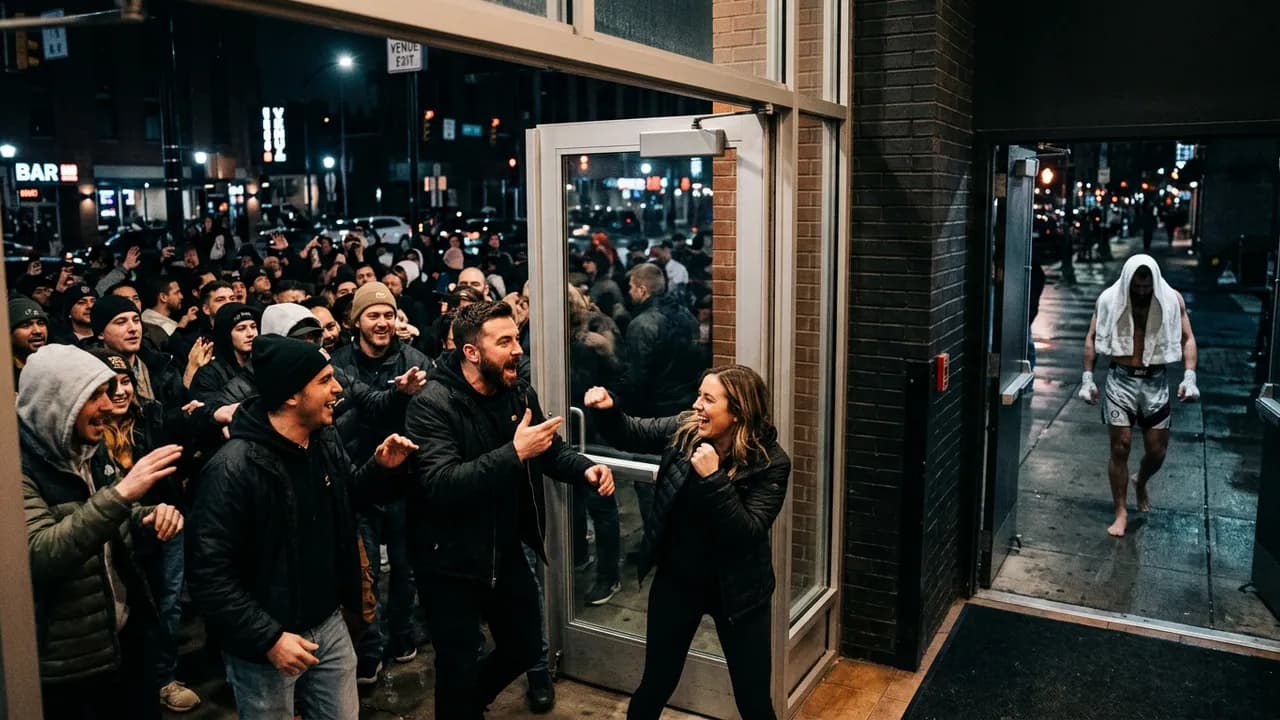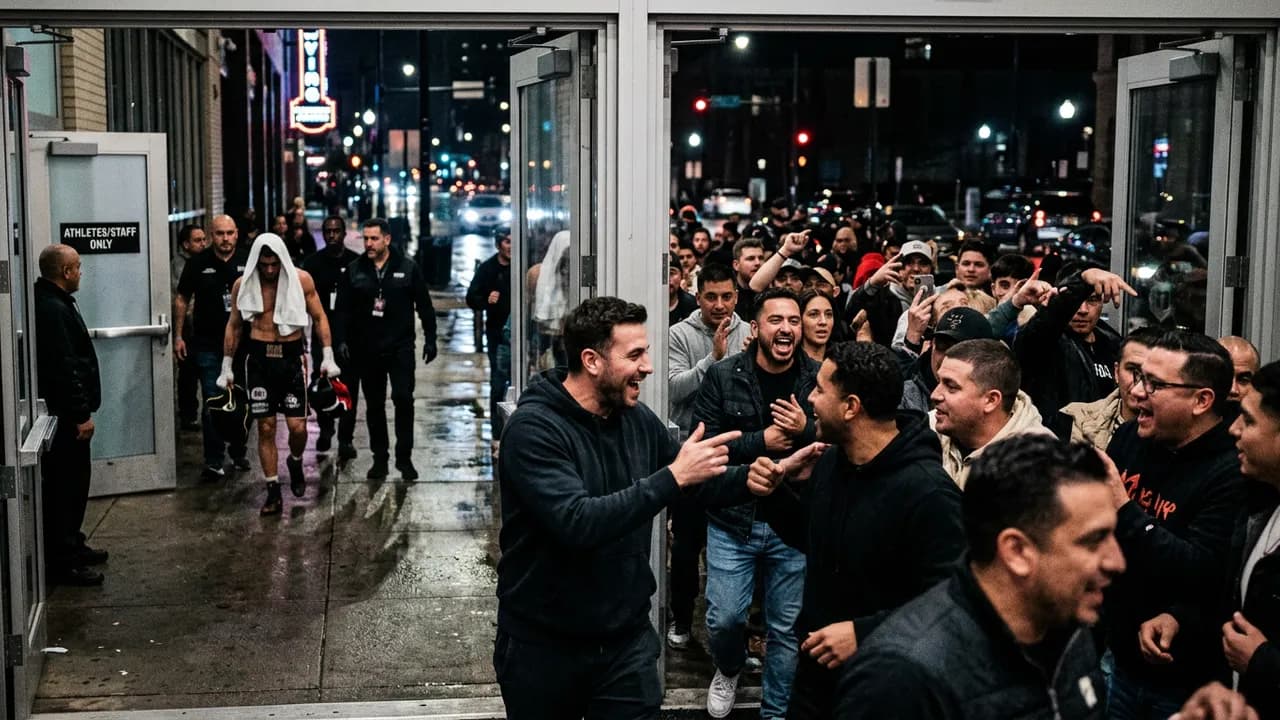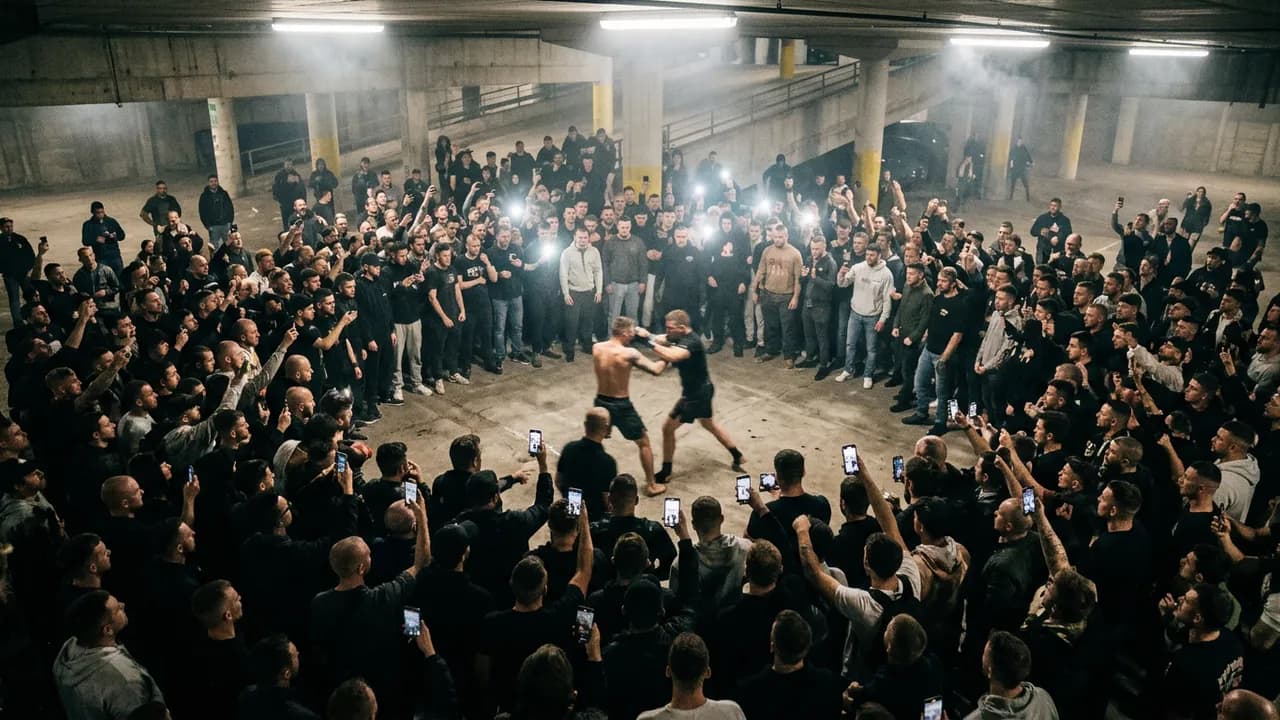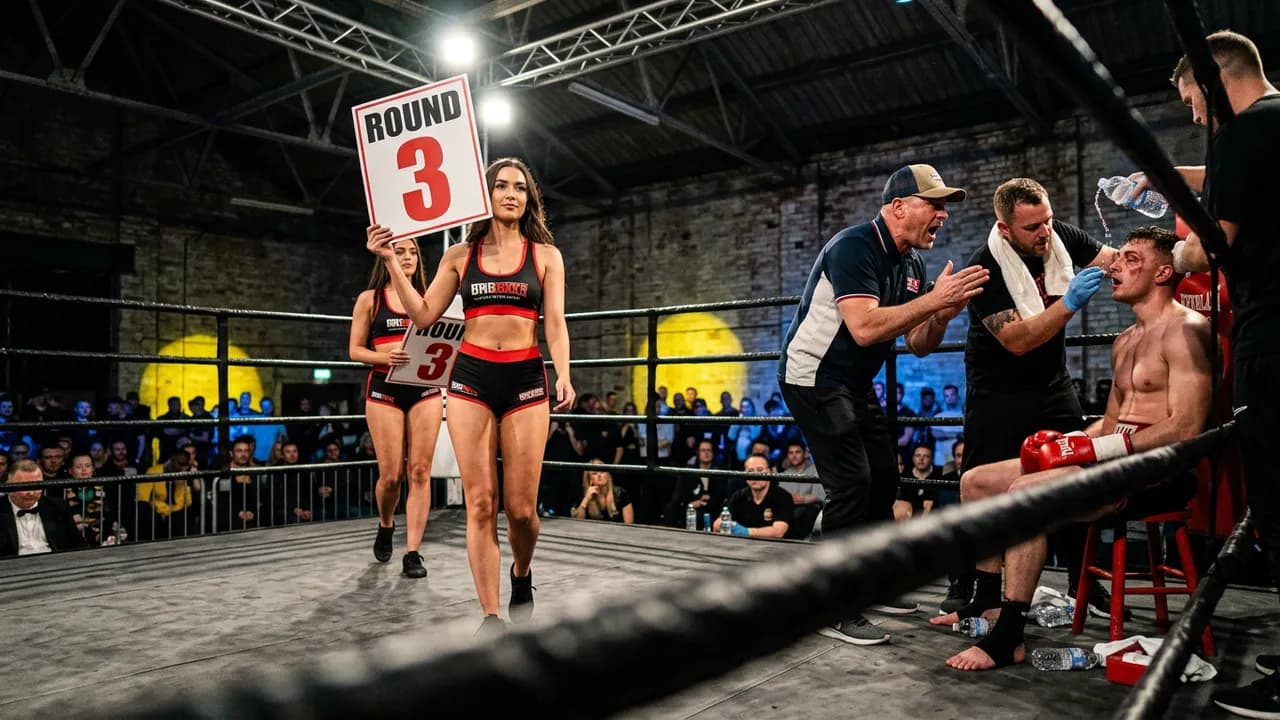
King of the Streets was born in Gothenburg, Sweden. For years, it was a Scandinavian phenomenon -- a fight club run by the Hype Crew that drew its fighters and its audience primarily from Sweden and the surrounding Nordic countries. KOTS: The Euro Connection was the event that shattered those geographic boundaries. Fighters from across the European continent converged for what amounted to an unofficial championship of underground fighting -- a summit of the most dangerous men from the most dangerous subcultures on the continent.
The Euro Connection was not just a fight card. It was a declaration that KOTS had outgrown its origins and become a pan-European operation. The implications of that transformation -- for the fighters, for the promotion, and for the broader underground fighting scene -- are still being felt years later.
Event Overview
Held in the late summer of 2020, The Euro Connection was one of KOTS's titled events and its most ambitious international production to date. The fight card featured competitors from Scandinavia, Western Europe, and Eastern Europe, bringing together fighters who had previously operated in separate national underground scenes but who now shared a common platform under the KOTS banner.
The timing was significant. The summer of 2020 saw much of the world's sanctioned combat sports infrastructure shut down or severely restricted due to global events. Mainstream promotions canceled events, postponed title fights, and struggled with the logistics of competing under new restrictions. KOTS, operating entirely outside the sanctioned sports framework, faced no such constraints. The promotion had never relied on athletic commissions, licensed venues, or government approval to stage its events. When the rest of the combat sports world paused, KOTS continued.
The Euro Connection was contested under the standard KOTS rule set: no rules, no rounds, no decisions. Fights ended by knockout or submission on a bare concrete surface. The event was staged at an undisclosed location, with attendance limited to those who received location details through the KOTS network.
Fight Card and Results
The Euro Connection card was designed around national matchups and cross-border rivalries. While the specific fighter identities are protected by the pseudonym culture that pervades underground fighting, the national origins of the competitors were central to the event's marketing and its atmosphere.
Scandinavian fighters -- representing KOTS's traditional talent base -- were matched against competitors from Germany, France, Poland, the Netherlands, and other European nations. The result was a card that felt less like a fight night and more like a European championship bracket, with national pride adding a layer of intensity to bouts that were already governed by no-rules chaos.
The fighter quality on The Euro Connection card represented a notable step up from KOTS's early events. The men who competed were not merely street fighters willing to throw hands on concrete. Many had formal training in boxing, kickboxing, Muay Thai, or MMA. They brought technical foundations -- footwork, defensive skills, combination punching, clinch work -- into the no-rules environment and applied them with an effectiveness that elevated the overall quality of the fights.
This evolution in fighter caliber was a direct consequence of KOTS's growing reputation. As the promotion's YouTube viewership climbed into the millions, trained fighters began seeking out the platform. Some saw an opportunity to test their skills in conditions that no gym or sanctioned event could replicate. Others saw the exposure and the compensation as worthwhile even given the obvious risks. Whatever their motivations, their presence raised the level of competition on cards like The Euro Connection.
Key Moments
The Clash of Fighting Cultures
The most compelling aspect of The Euro Connection was the visible collision of European fighting traditions. Scandinavian fighters tended toward a direct, powerful striking style influenced by the region's boxing traditions and the physical robustness of Northern European athletes. Eastern European fighters -- particularly those from Poland and the former Soviet states -- brought a different energy: technical but relentless, willing to absorb punishment to deliver their own.
Western European fighters -- from Germany, the Netherlands, and France -- added another dimension. The Dutch kickboxing tradition, the German Kampfsport scene, and the French savate and MMA backgrounds created stylistic matchups that produced fights very different from the brawls that had characterized KOTS's early events.
A Polish grappler could shoot takedowns and apply ground-and-pound on a surface that made every slam potentially fight-ending.
The result was a fight card where no two bouts looked the same. The no-rules format allowed each fighter's cultural fighting DNA to express itself without the constraints of a standardized rule set. A Dutch kickboxer could use the full arsenal of knees and elbows that might be restricted in a boxing match. A Polish grappler could shoot takedowns and apply ground-and-pound on a surface that made every slam potentially fight-ending. The Euro Connection was a laboratory for the question of which European fighting culture produced the most effective no-rules fighters.
The Hooligan Dimension
The Euro Connection was not merely a sporting event. It was a meeting of football firm cultures -- a phenomenon that has deep roots in European society and that intersects directly with the KOTS world. Many KOTS fighters and spectators are affiliated with football hooligan firms, and The Euro Connection brought rival national firms into the same space.
The potential for the event to devolve into something beyond a fight card was real. The Hype Crew's organizational skill was on display in the management of an inherently volatile situation -- keeping the violence confined to the concrete floor while hundreds of men with firm loyalties occupied the same room. That management was not achieved through security in any traditional sense. It was achieved through the social dynamics of the KOTS community, where respect for the event structure and the fighters overrides the impulse toward uncontrolled chaos.
KOTS's Reach Proven
The Euro Connection proved something that KOTS had been building toward for years: the promotion was no longer a Swedish curiosity. It was a European institution within the underground fighting world. The ability to attract fighters from a half-dozen or more countries, stage an event during a period when sanctioned sports were largely shut down, and produce a fight card that demonstrated genuine international depth -- all of this positioned KOTS as the dominant force in European no-rules fighting.
Aftermath and Impact
The Pan-European Pipeline
The most lasting impact of The Euro Connection was the establishment of a permanent pan-European fighter pipeline. Before this event, KOTS's international recruitment was ad hoc -- individual fighters from various countries finding their way to the promotion through personal connections or social media outreach. After The Euro Connection, the pipeline became formalized. KOTS had contacts, scouts, and intermediaries across the continent who could identify and recruit talent for future events.
This pipeline fed directly into subsequent events like Blood Money and WarCry, which featured increasingly diverse international fight cards. The fighters who competed at The Euro Connection became ambassadors for KOTS in their home countries, spreading the word and recruiting the next generation of competitors.
Spawning National Scenes
The Euro Connection's demonstration effect accelerated the growth of national underground fighting scenes across Europe. Fighters who returned to their home countries after competing at KOTS brought the template with them -- the concrete floor, the no-rules format, the hooligan audience, the social media distribution model. Within months, new underground fighting promotions began appearing in Germany, Poland, France, Denmark, and other countries, many explicitly modeled on the KOTS format.
Some of these promotions were loosely affiliated with KOTS; others were entirely independent. But all of them owed their existence, at least in part, to the blueprint that The Euro Connection had showcased at its most refined.
Changing the Fighter Calculus
The Euro Connection changed the risk-reward calculation for trained fighters considering the underground circuit. Before the event, the perception was that KOTS was a platform for street fighters and hooligans -- men with toughness but limited technical ability. The Euro Connection demonstrated that trained fighters could not only compete in the no-rules environment but could thrive in it, applying their technical skills to devastating effect on a surface that amplified every advantage.
This shift in perception brought a steady stream of trained fighters -- boxers, kickboxers, MMA competitors -- into the KOTS ecosystem. The promotion's fighter pool deepened, the quality of fights improved, and the product became more compelling for the growing international audience watching on YouTube and PPV.
The Euro Connection in Historical Context
The Euro Connection was KOTS's coming-of-age event. Unrivaled introduced the world to the promotion. The Euro Connection proved that the promotion could operate on a continental scale. The trajectory from a Swedish fight club in 2013 to a pan-European underground fighting network by 2020 is remarkable, and The Euro Connection was the event that made that trajectory visible.
In the years since, KOTS has continued to build on the international foundation that The Euro Connection established. The promotion's events now regularly feature fighters from across Europe, and the KOTS brand is recognized throughout the continent's underground fighting community. The Euro Connection was not the end of KOTS's expansion -- it was the beginning of a new era that continues to unfold on concrete floors across Europe.
Watch on YouTube
Watch The Euro Connection highlights and cross-border fight footage:
- KOTS: The Euro Connection -- Full Event Highlights -- Fight highlights from the pan-European underground fight card
- Euro Connection Best Knockouts -- The most devastating finishes from the international matchups
- KOTS International Fighters -- Profiles and fights from the European fighters who competed
Subscribe to the King of the Streets YouTube channel for fight highlights, event footage, and underground fighting content.
For more on KOTS events, see KOTS Major Events, Unrivaled, Blood Money, and WarCry.