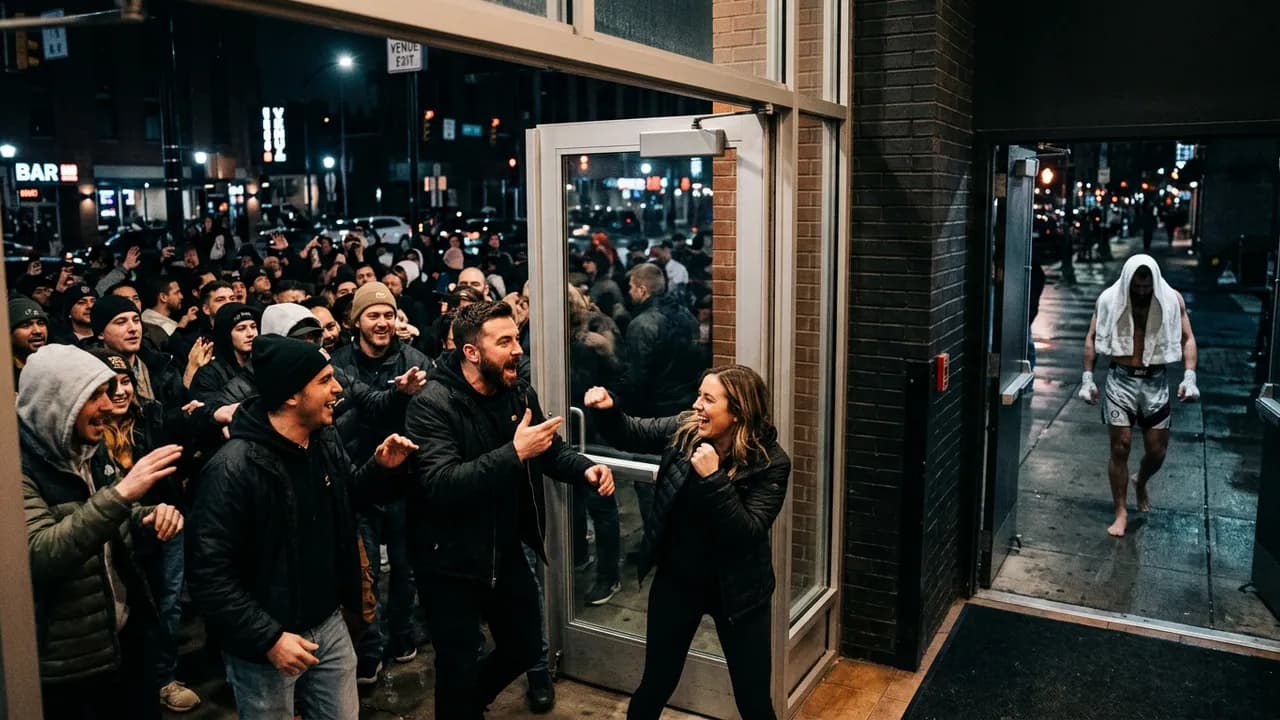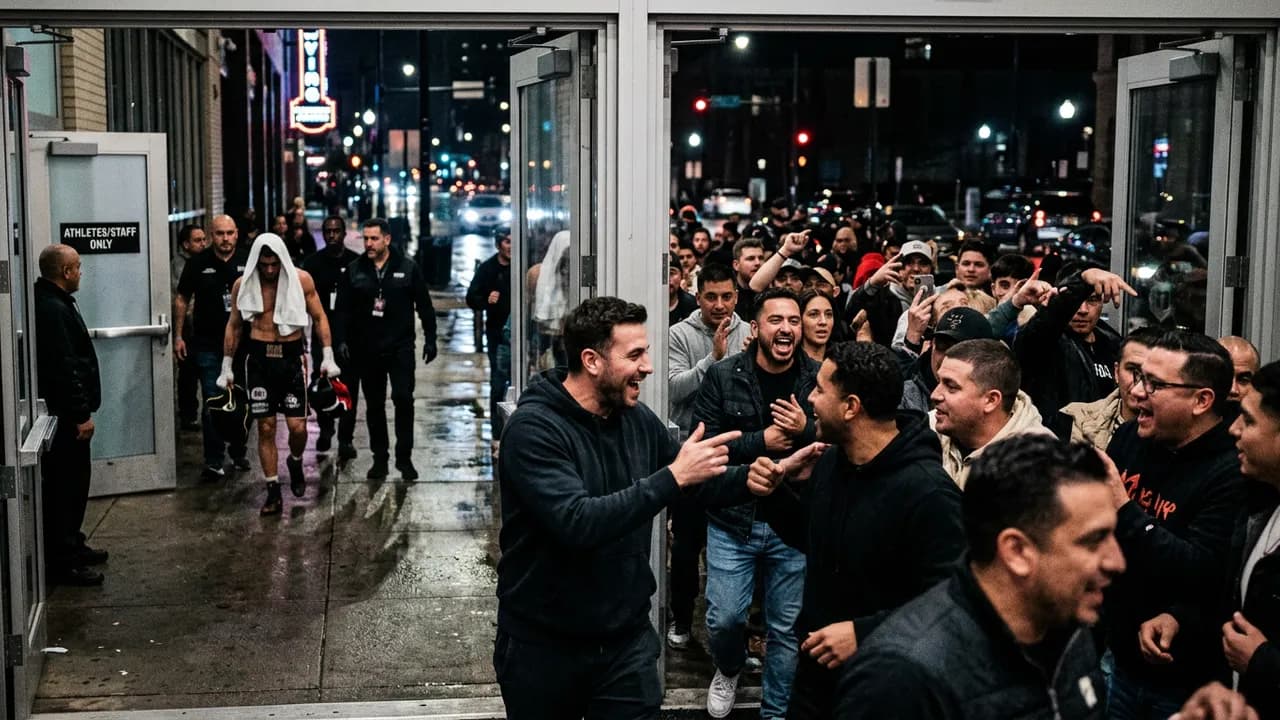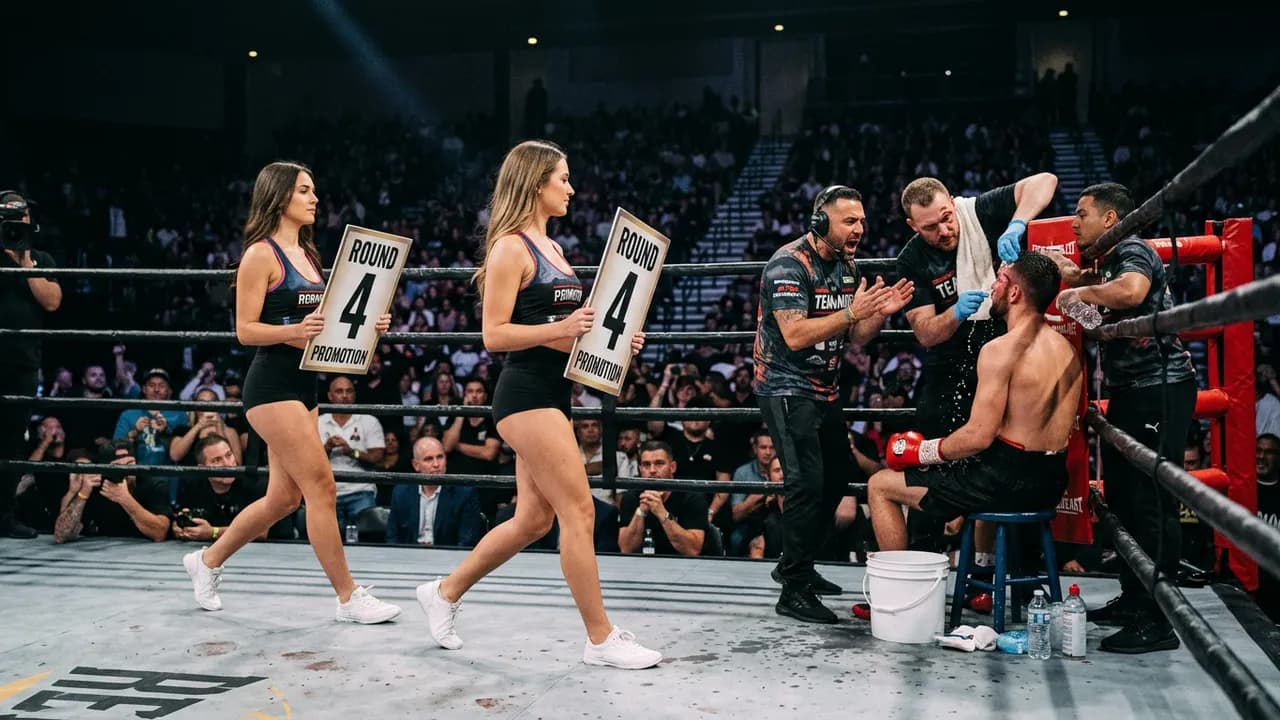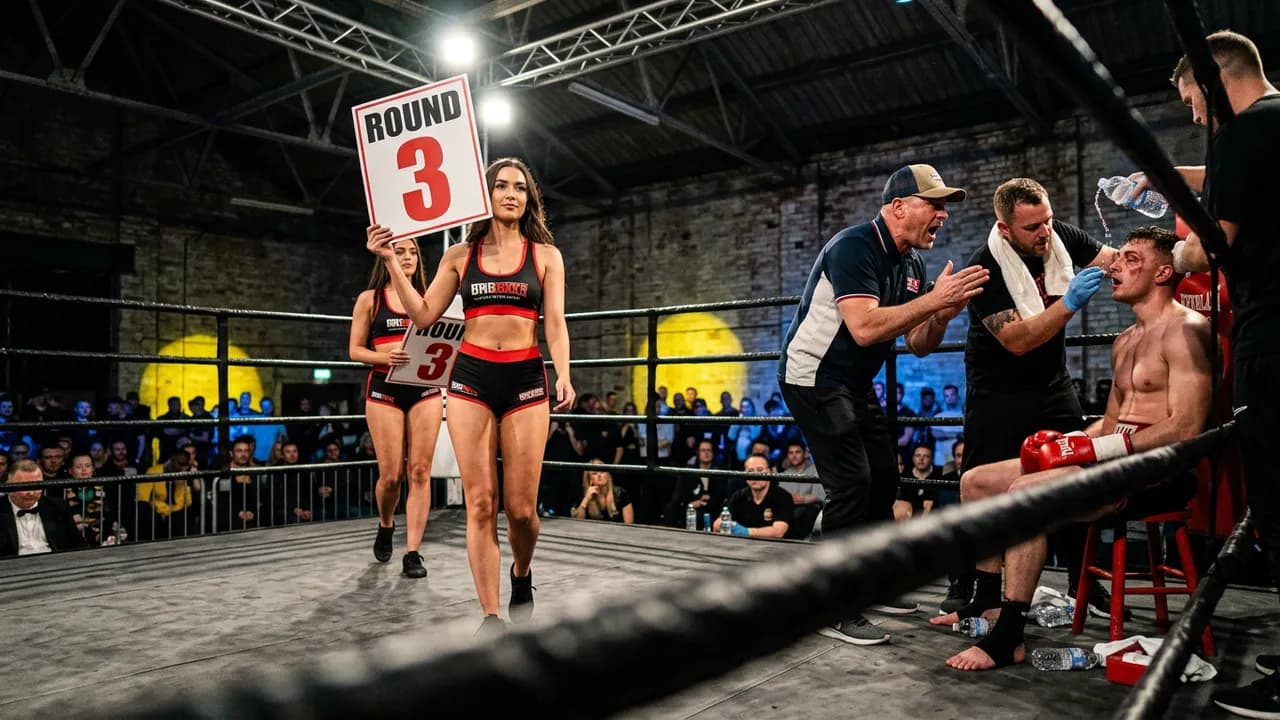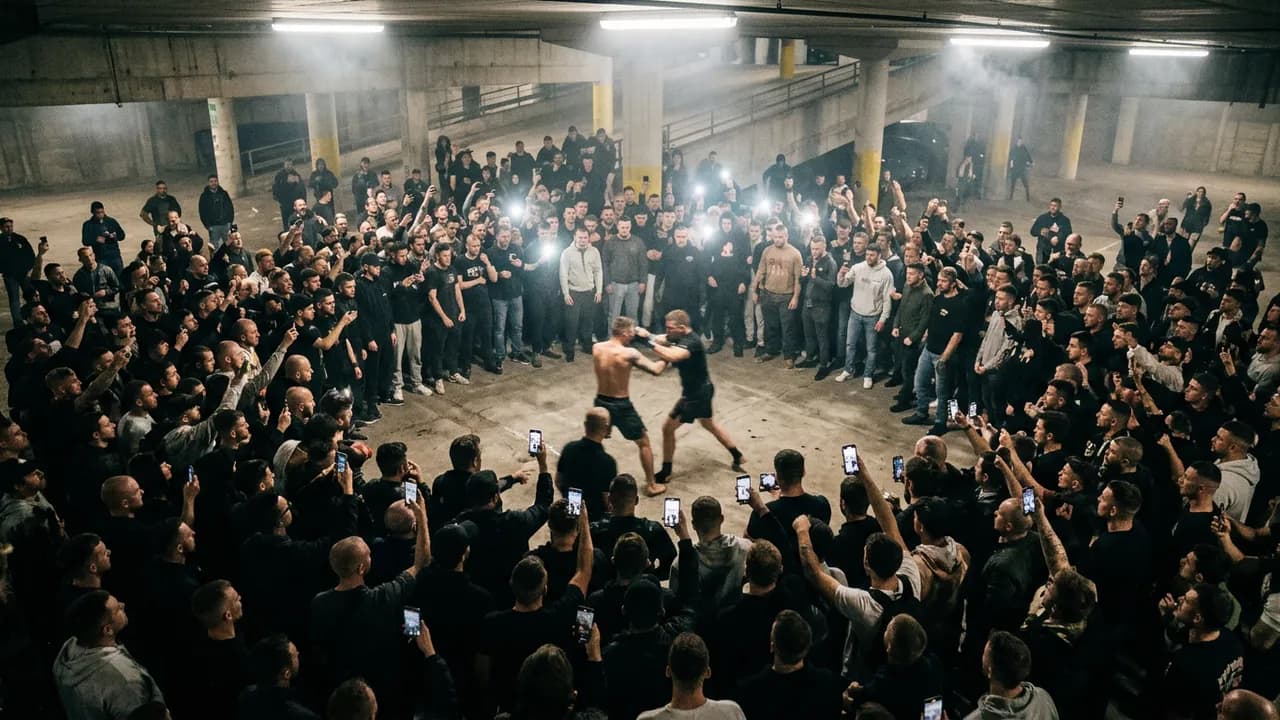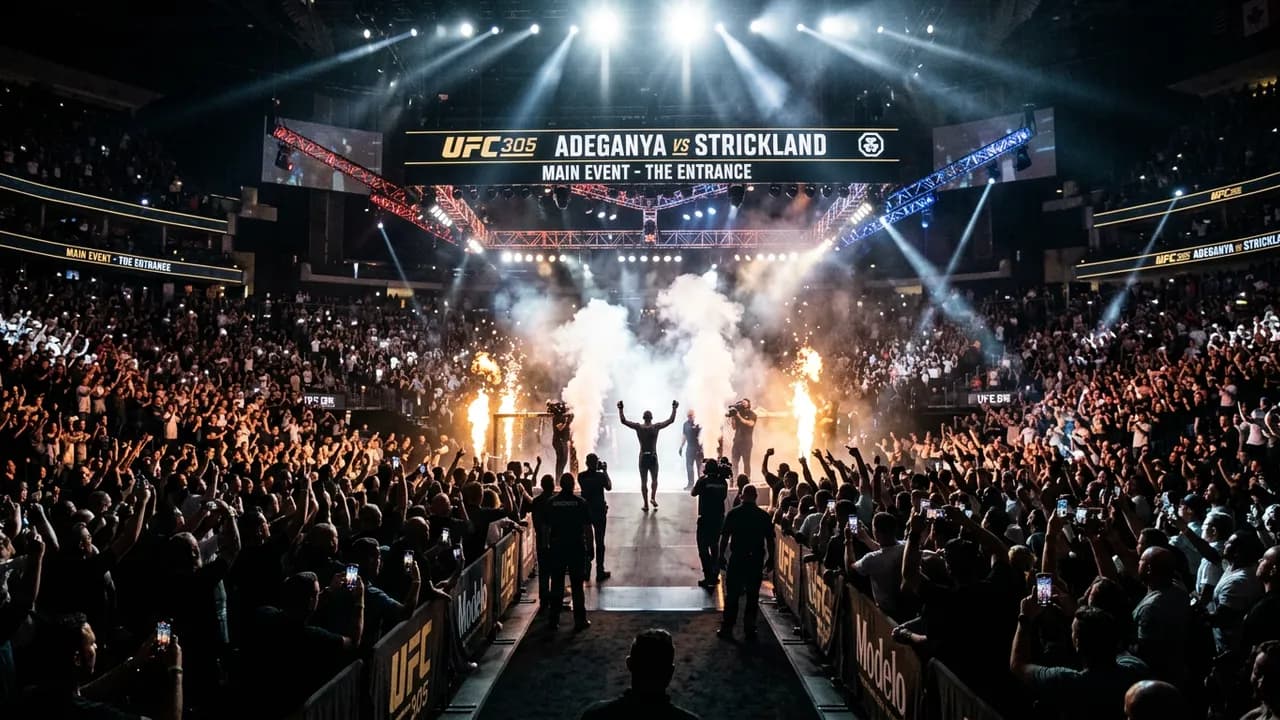
Every King of the Streets event promises violence. It is the foundational contract between the Hype Crew and its audience -- no rules, no rounds, no decisions, and a concrete floor that turns every knockdown into a potential emergency. But even by the extreme standards of Europe's most notorious underground fight club, KOTS: WarCry stood apart. Eight fights. Multiple countries represented. A fight card that was publicly revealed in advance. And a level of sustained brutality that earned WarCry its place among the most violent events in KOTS history.
Event Overview
WarCry was one of KOTS's titled events -- the premium fight nights that carry a name alongside or instead of the standard sequential numbering. These titled events represent the pinnacle of the KOTS product and are designed to deliver the deepest, most dangerous fight cards the promotion can assemble.
The event featured eight no-holds-barred fights contested under KOTS's standard framework: everything legal, no time limits, no decisions. A fight ended by knockout or submission. Nothing else. The rule set was the promotion's signature "No Rules (K.O. or Submission)" format, meaning that headbutts, elbows, knee strikes, ground-and-pound, and strikes to the back of the head were all permissible.
In a notable departure from KOTS tradition, the full WarCry fight card was published in advance on the promotion's social media channels. This transparency -- unusual for an organization that typically guards event details with operational security worthy of a criminal enterprise -- was a calculated marketing decision. By revealing the matchups, KOTS built anticipation and drove engagement in the days leading up to the event.
The Fight Card
The WarCry card featured fighters from across Europe, reflecting the promotion's evolution from a Swedish-centric operation into a pan-European underground fighting network.
| Fighter 1 | Fighter 2 | Weight (KG) |
|---|---|---|
| Mikolaj Zlomancuk | Ivan Santana | 95.5 |
| AN1MAL | Hugo | 95 |
| CocaineCharli | Sam Farok | 70 |
| Joseph Hapgood | Madalin Elisie | 81 |
| Hamza | Marvin | 84 |
| Lucas Sontgen | Martin Lukac | 77.5 |
| Panzer | Alman | 83 |
| Ufol | Abner Lloveras | 81 |
What the Card Reveals
Several elements of the WarCry lineup deserve examination.
The pseudonyms. Fighters named AN1MAL, CocaineCharli, Panzer, and Ufol are not operating under their birth certificates. The use of fight names is standard practice in KOTS and the broader underground fighting world. Some fighters adopt pseudonyms for personal branding. Others use them to maintain separation between their fighting lives and their civilian identities -- a practical consideration when the activity is illegal in every jurisdiction where it takes place.
The international diversity. Polish, Spanish, German, Romanian, French, Dutch, and other European backgrounds were represented on a single eight-fight card. This diversity was not accidental. The Hype Crew has spent years building recruitment networks across the continent, and WarCry was a showcase for the depth of that pipeline. Fighters with names suggesting Polish (Zlomancuk), Spanish (Santana, Lloveras), Romanian (Elisie), German (Sontgen, Alman), and other European origins competed alongside each other.
The weight distribution. The card leaned heavily toward middleweight and light-heavyweight -- the 77.5 to 95.5 kilogram range. These are the divisions where KOTS has historically featured its deepest and most competitive talent pools. The heavyweight division in underground fighting tends to be thinner, while the lighter weight classes attract fewer competitors to the no-rules format. The middleweight and light-heavyweight classes represent the sweet spot of size, power, and available talent.
Key Moments
The Violence Escalation
WarCry earned its reputation not from any single fight but from the cumulative effect of eight bouts that each seemed to push the boundaries of what the previous one had established. The concrete surface, as always, was the great amplifier -- turning competitive exchanges into sudden, decisive endings and ensuring that fighters who were hurt had no margin for recovery.
The heavyweight and light-heavyweight bouts -- Zlomancuk vs. Santana at 95.5 kilograms and AN1MAL vs. Hugo at 95 -- were particularly devastating. At those weights, the power being generated by bare fists on a concrete surface produced impacts that no athletic commission would sanction. The consequences of being dropped by a 95-kilogram man onto a concrete floor are categorically different from being dropped onto canvas, and WarCry illustrated that difference repeatedly across the card.
CocaineCharli vs. Sam Farok
The lightest bout on the card -- at 70 kilograms -- was also one of its most discussed. CocaineCharli, whose fight name alone generated social media engagement, brought a frenetic, high-volume striking style that the crowd responded to with particular intensity. The fight demonstrated that violence at KOTS is not limited to the heavyweight divisions. Speed, accuracy, and relentlessness can produce damage just as effectively as raw power, particularly when the surface beneath the fighters offers no cushion.
The Crowd Factor
WarCry's audience was characteristic of major KOTS events -- a packed, standing crowd that functioned more as a wall of energy than a passive audience. The proximity of the spectators to the fighting space created an environment where the fighters could feel the crowd's breath, hear individual voices shouting instructions or insults, and sense the collective anticipation before every exchange.
03 / Up next / Aftermath and Impact
This crowd dynamic is unique to KOTS and the broader European underground fighting scene. At sanctioned events -- even the most intense BKFC or Top Dog FC cards -- there is a physical separation between the competitors and the audience. At KOTS, that separation barely exists. The fighters and the crowd occupy the same space, and the energy flows in both directions.
Aftermath and Impact
Reinforcing the KOTS Brand
WarCry reinforced KOTS's position as the most extreme fighting platform in Europe. At a time when even bare knuckle fighting was becoming increasingly mainstream through organizations like BKFC and BKB, WarCry reminded the combat sports world that KOTS operated on an entirely different plane. No athletic commissions. No medical oversight. No padded surfaces. No compromise.
The event generated substantial viewership both through its initial release and through the subsequent circulation of individual fight clips on social media. The KOTS YouTube channel, which had already surpassed one million subscribers, saw significant engagement from WarCry content.
Fighter Credibility
For the fighters on the WarCry card, the event served as a credential in the underground fighting world. Competing on a titled KOTS event -- as opposed to one of the smaller numbered cards -- carries status within the European no-rules fighting community. Fighters who performed well on the WarCry card saw their profiles rise, attracting offers from KOTS and other underground promotions for future events.
The Continuing Evolution
WarCry represented the current state of the KOTS product -- more polished in its presentation than the early events, more international in its fighter selection, and more sophisticated in its distribution strategy, while maintaining the raw, unregulated fighting that is the promotion's core identity. The event demonstrated that KOTS could evolve its production and business model without compromising the fundamental product: no-rules violence on concrete, delivered without apology.
What WarCry Means in Context
In the broader landscape of underground fighting, WarCry occupies a specific position. It is not the event that introduced the world to KOTS -- that distinction belongs to Unrivaled. It is not the event that demonstrated KOTS's commercial viability -- that was Blood Money. It is not the event that showcased KOTS's international reach -- that was The Euro Connection.
What WarCry demonstrated was consistency. The KOTS machine, years into its existence, could still produce a fight card that stood alongside the promotion's most celebrated events. The violence had not diminished. The fighter quality had not declined. The concrete was still there, and the Hype Crew was still willing to put men on it.
In underground fighting, consistency is the hardest thing to achieve. Promotions rise and fall. Fighter pools thin out. Legal pressure forces organizations to shut down or relocate. WarCry proved that KOTS had endured all of that and was still delivering the product that its audience demanded.
Watch on YouTube
Watch KOTS: WarCry highlights from the eight-fight no-holds-barred card:
- KOTS: WarCry -- Full Event Highlights -- All eight fights from the WarCry card featuring fighters from across Europe
- WarCry Best Knockouts -- The most explosive finishes from the no-rules fights
- CocaineCharli vs Sam Farok -- WarCry -- Featured fight from the WarCry card
Subscribe to the King of the Streets YouTube channel for fight highlights, event footage, and underground fighting content.
For more on KOTS events, see KOTS Major Events, Unrivaled, Blood Money, and The Euro Connection.