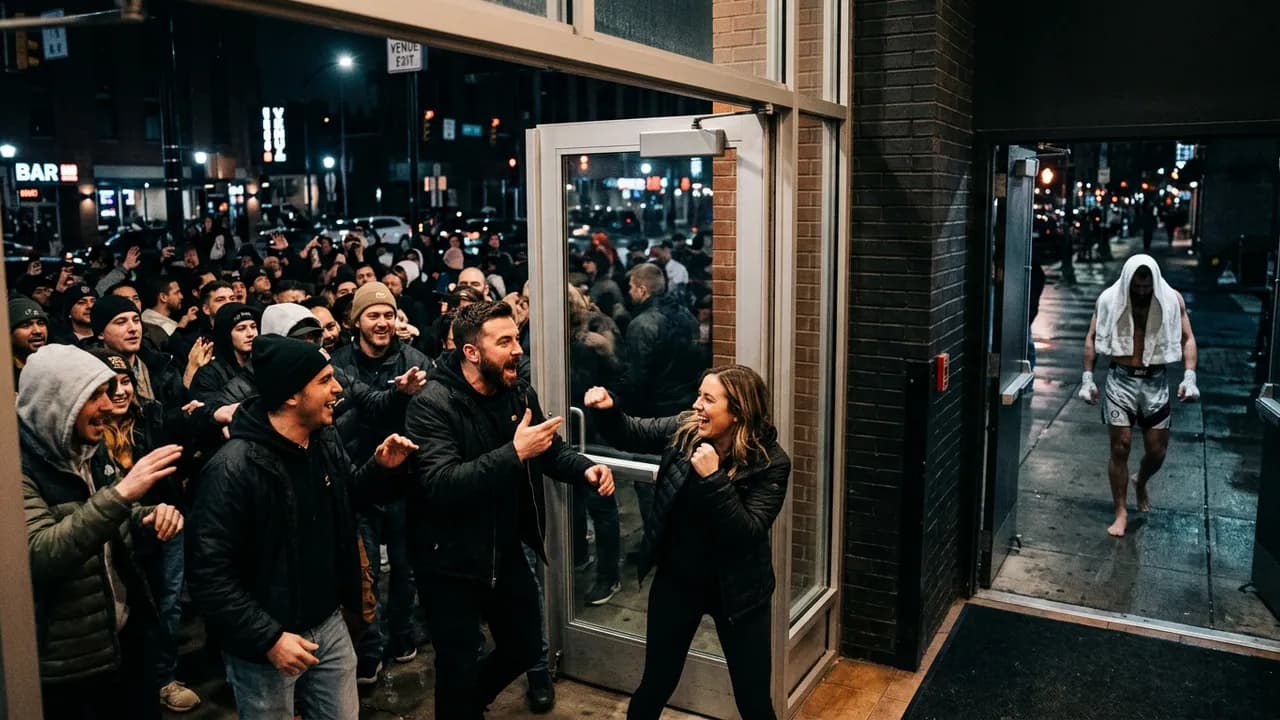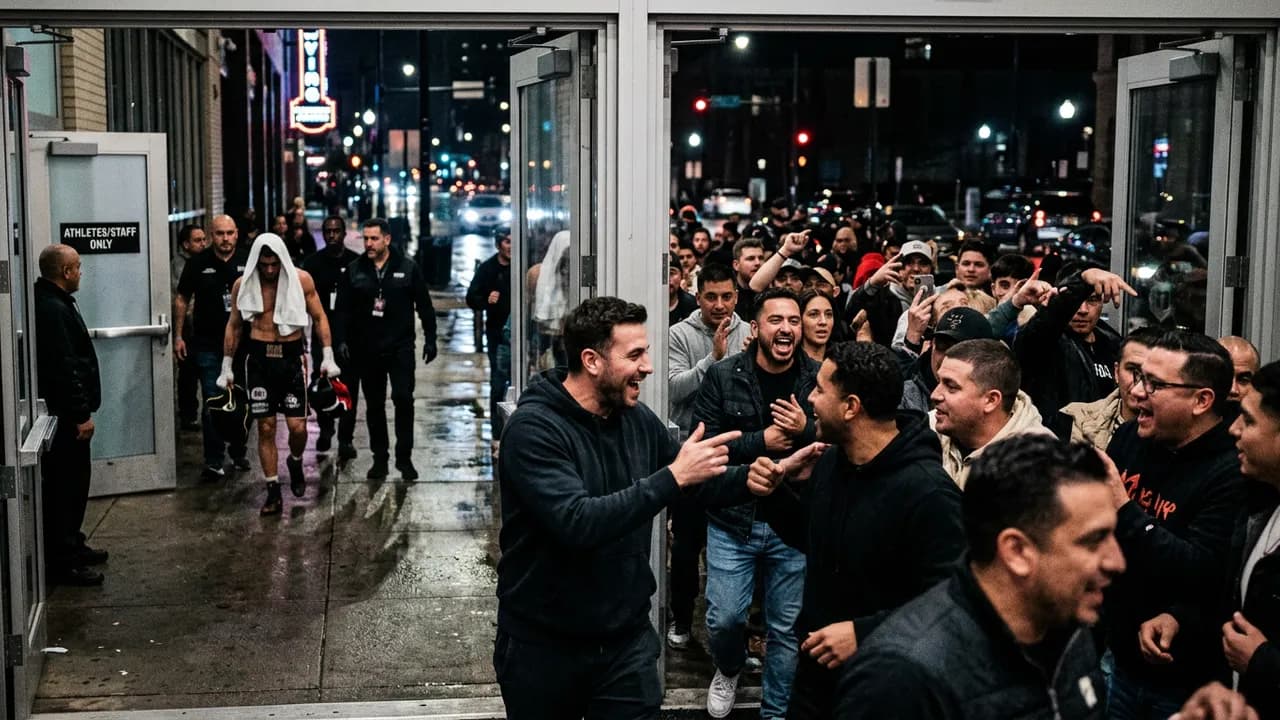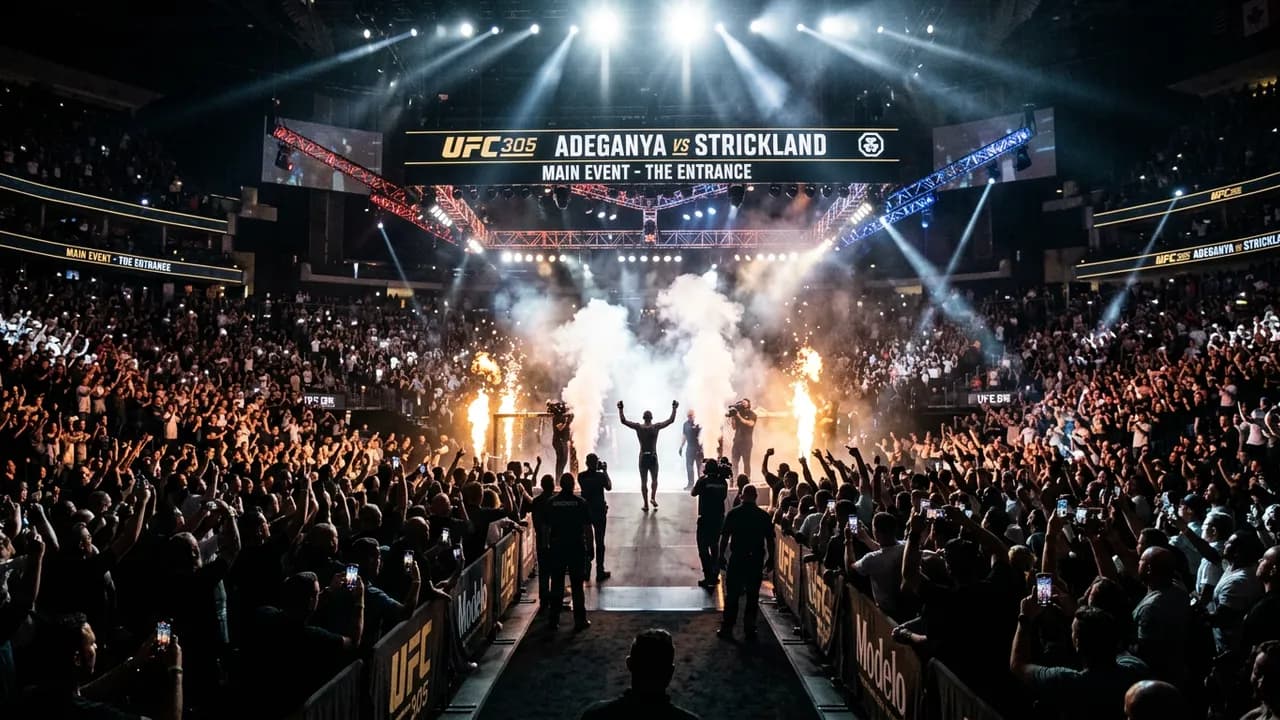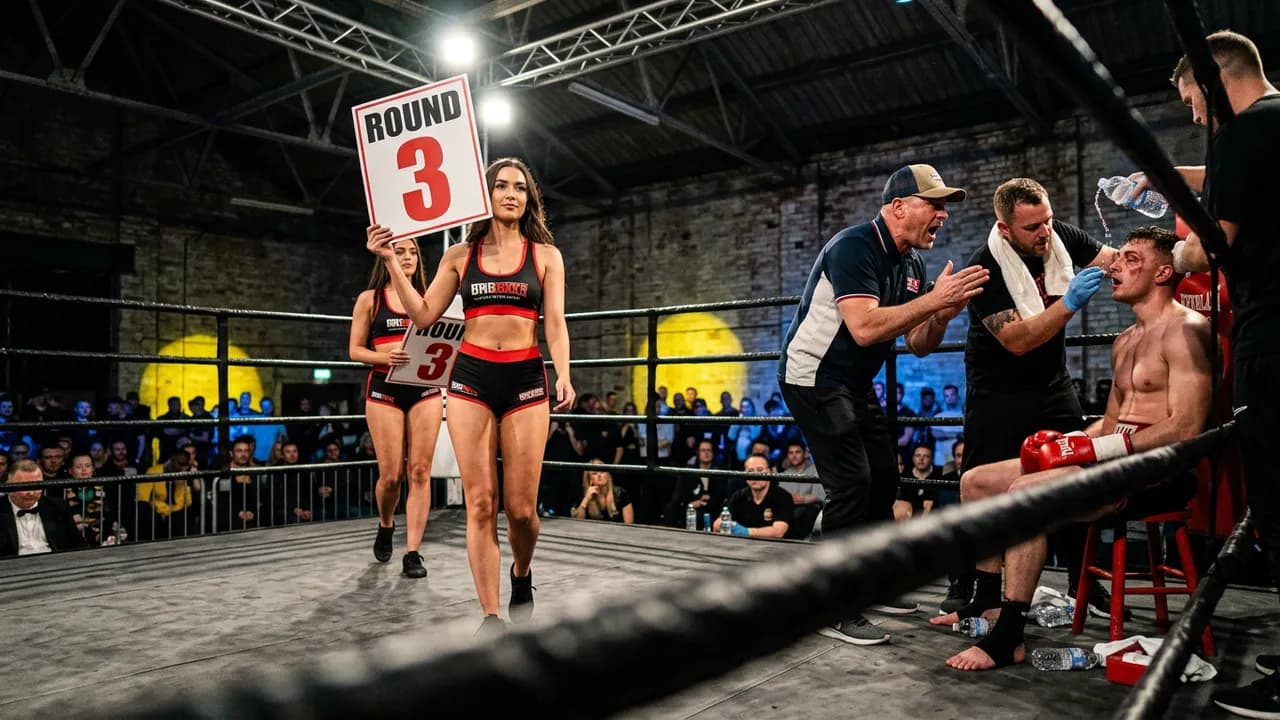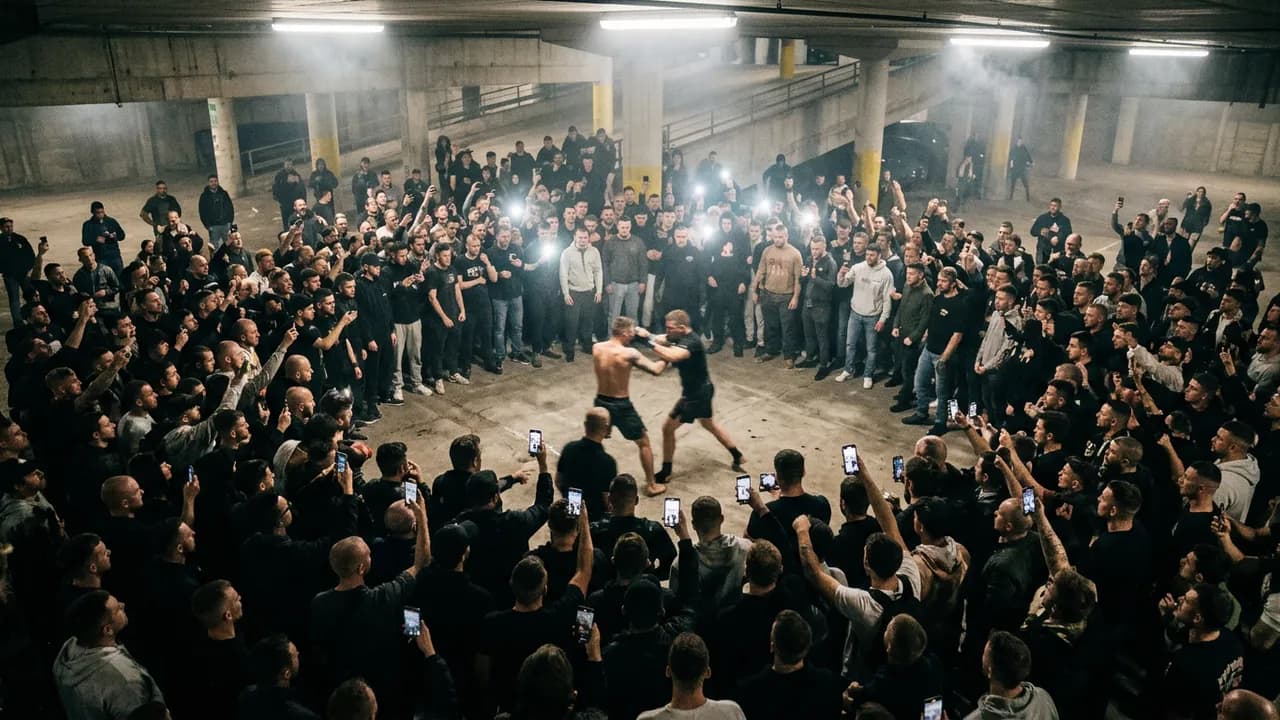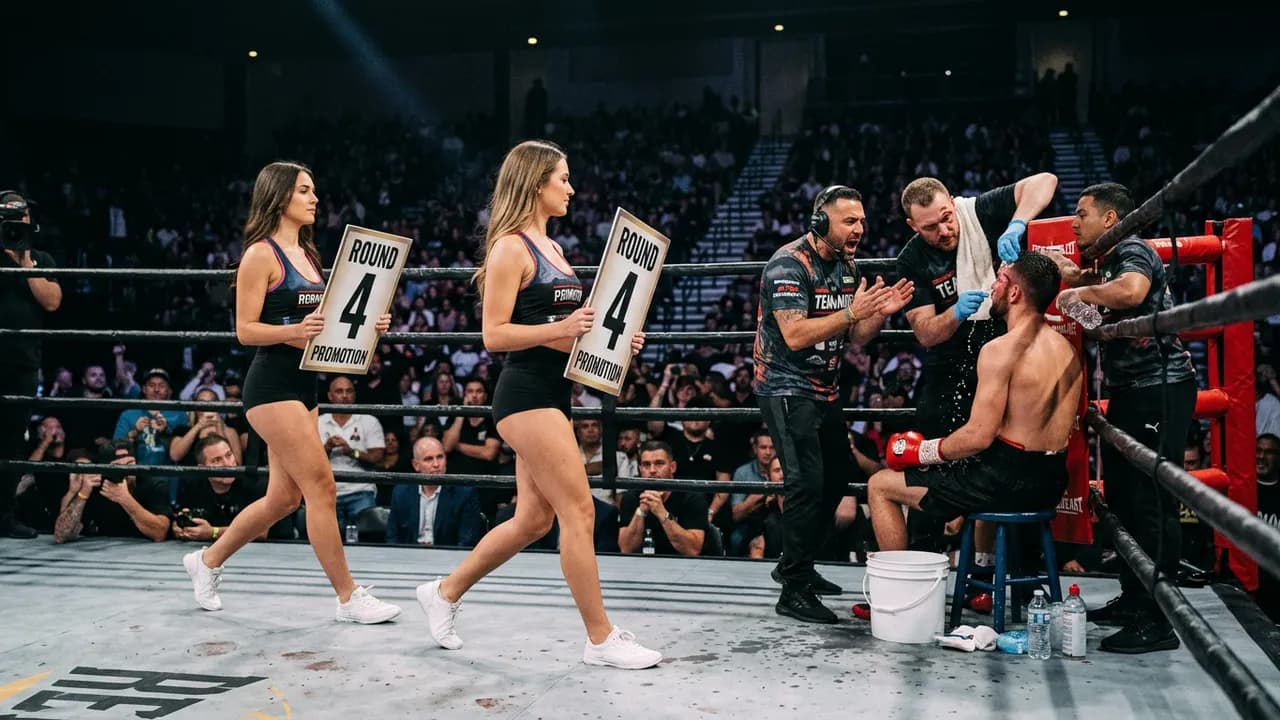
The name says everything. Blood Money -- the transactional exchange at the core of what King of the Streets offers its fighters and its audience. You bleed, you get paid. You watch, you pay for the blood. There is no pretense, no corporate sanitization, no attempt to dress the product in the language of legitimate sport. KOTS: Blood Money was one of the promotion's marquee titled events, and it delivered on the promise embedded in its name.
Blood Money represented a significant evolution in the KOTS business model. Where earlier events had been distributed primarily through free YouTube uploads and social media clips, Blood Money was structured as a pay-per-view event -- available for purchase through the KOTS website before being released as a full replay on platforms like Rumble. The event demonstrated that the underground fighting audience was willing to pay for premium content, not just consume it passively through algorithm-driven discovery.
Event Overview
Blood Money was one of the titled events in the KOTS catalog -- the marquee productions that sit above the standard numbered fight nights in the promotion's hierarchy. These titled events carry names like Unrivaled, WarCry, and The Euro Connection, and they represent the deepest fight cards, the most carefully selected matchups, and the highest production value that the Hype Crew is capable of delivering.
In a departure from KOTS's typical operational secrecy, the Blood Money fight card was released in advance on social media. This was a strategic decision -- by publicizing the matchups before the event, KOTS could build anticipation and drive PPV purchases. The transparency was unusual for an organization that normally operates with maximum information security around its events, keeping locations, fighter identities, and card compositions closely guarded until the night itself.
The event featured fighters from across Europe, continuing the internationalization trend that had been building since The Euro Connection. Scandinavian, Western European, and Eastern European fighters converged for a card designed to deliver violence at every weight class.
Fight Card and Results
The Blood Money card was structured to maximize the variety and intensity of its matchups. Fighters spanned multiple weight classes, from lightweights around 70 kilograms to heavyweights well above 95. The matchmaking reflected the KOTS approach: find two dangerous men, put them on concrete, and let them resolve the question of who is more dangerous without interference.
Under the standard KOTS rule set -- no rules, no rounds, no decisions -- every fight on the Blood Money card was contested until one man could no longer continue. Headbutts, elbows, knees, strikes to the groin, strikes to the back of the head, and ground-and-pound were all legal. The only endings were knockout and submission.
The finishing rate on the Blood Money card was characteristically high for KOTS. The concrete surface continued to serve as the great equalizer -- a factor that turns competitive fights into decisive outcomes and ensures that few bouts extend beyond the point where both men are still fresh. When a fighter is hurt on concrete, the margin for recovery narrows dramatically compared to a padded surface.
Key Moments
The PPV Model Takes Shape
Blood Money was a pivotal event in KOTS's commercial evolution. The promotion had spent years building its audience through free content on YouTube and social media, accumulating millions of views and eventually surpassing one million YouTube subscribers. Blood Money represented the monetization of that audience -- the moment when KOTS asked its fans to pay directly for the product rather than consuming it through ad-supported platforms.
The PPV pricing was significantly lower than what mainstream promotions like the UFC or BKFC charge, reflecting both the underground nature of the product and the economic realities of the audience. But the principle was established: KOTS content had value, and the most dedicated fans were willing to pay for it.
The subsequent release of the full event on Rumble and other platforms served a different strategic purpose. By making the content freely available after the initial PPV window, KOTS maintained its audience growth engine. New viewers who discovered the free replay became potential customers for the next PPV event. The model was borrowed, perhaps unconsciously, from the approach that BKFC and other promotions had used -- premium pricing for live access, followed by broader distribution to build the brand.
International Matchups
The fighter diversity on the Blood Money card illustrated how far KOTS had come from its origins as a Swedish hooligan fight club. Fighters traveled from multiple countries to compete, bringing their national fighting traditions and firm loyalties to the concrete floor.
03 / Up next / Production Quality Advancement
The matchmaking exploited national rivalries where possible. Eastern European fighters -- many of whom came from cultures where street fighting and organized hooliganism carry a different social weight than in Western Europe -- brought a particular intensity to their bouts. The crowd, always a factor at KOTS events, amplified these dynamics, with spectators aligning along national or firm lines.
Production Quality Advancement
Blood Money showcased a noticeable improvement in KOTS's production quality. Multi-camera coverage, improved lighting, and higher-quality audio capture gave the event a more professional presentation than earlier KOTS cards. This was not a coincidence -- if the promotion was asking fans to pay for the content, it needed to deliver a viewing experience that justified the cost.
The improved production did not soften the product. The fights were as raw and unregulated as ever. But the way those fights were captured and presented reflected a growing sophistication within the Hype Crew's operations. The camera work, in particular, had evolved from the early days of single-camera, handheld footage to a multi-angle approach that better conveyed the spatial dynamics of the fights and the intensity of the crowd.
Aftermath and Impact
Validating the Revenue Model
Blood Money's PPV performance validated the commercial viability of underground fighting as a paid product. The event demonstrated that the audience KOTS had built through free content could be converted into paying customers -- a critical milestone for any media operation. This success informed the promotion's approach to subsequent events, with titled cards increasingly structured around PPV distribution while numbered events continued to serve as free content on YouTube.
Fighter Compensation
The name Blood Money carried an implicit reference to the economics of underground fighting. KOTS fighters are compensated for competing, though the details of fighter pay are not publicly disclosed. What is known is that the PPV model created a larger revenue pool from which fighters could be compensated, potentially improving the economic proposition for fighters considering whether to step onto the concrete.
In the underground fighting world, where fighters often compete for modest purses or even for free, the ability to offer meaningful compensation is a competitive advantage in recruitment. Blood Money -- both the event and the concept -- represented KOTS's growing ability to attract and retain talent by offering financial incentive alongside the reputational currency of fighting on the most notorious underground platform in Europe.
Setting Up Future Events
Blood Money's success set the stage for subsequent titled events, including WarCry and future productions that built on the PPV model. The event proved that KOTS could operate as both an underground fight club and a commercial media enterprise -- a dual identity that defines the promotion's current position in the combat sports landscape.
The Meaning of Blood Money
Every combat sport is built on a transaction. Fighters exchange their physical well-being for compensation. Audiences exchange their money for the spectacle of controlled violence. Promoters sit in the middle, facilitating the exchange and taking their cut.
King of the Streets strips this transaction of its euphemisms. There are no "athletic competitions" here, no "tests of skill and will." There is blood, there is money, and there is an audience willing to pay for the former with the latter. Blood Money as an event title was not just marketing -- it was a statement of principle. The Hype Crew understands exactly what they are selling, and they see no reason to pretend otherwise.
Whether that honesty makes KOTS more ethical or less ethical than its sanitized counterparts is a question the promotion has never been interested in answering. The concrete floor does not moralize. It simply waits.
Watch on YouTube
Watch KOTS: Blood Money fight highlights and full event footage:
- KOTS: Blood Money -- Full Event -- The complete Blood Money card featuring no-rules fights on concrete
- Blood Money Best Knockouts -- The most devastating finishes from the Blood Money PPV
- KOTS Blood Money: Behind the Scenes -- Backstage footage and fighter preparation
Note: The full Blood Money event is also available on Rumble.
Subscribe to the King of the Streets YouTube channel for fight highlights, event footage, and underground fighting content.
For more on King of the Streets events, see KOTS Major Events, Unrivaled, WarCry, and The Euro Connection.