Poland has one of the most intense hooligan cultures in Europe. This is not casual observation -- it is documented fact, studied by sociologists, covered by investigative journalists, and visible to anyone who has witnessed the organized violence surrounding Polish football. The firms attached to clubs like Legia Warsaw, Lech Poznan, and Wisla Krakow are among the most sophisticated and violent on the continent, with organizational structures that extend well beyond matchday activities into networks of prearranged combat that constitute a parallel fighting culture.
Warsaw, as Poland's capital and largest city, sits at the center of this ecosystem. The city is home to Legia Warsaw, one of the most successful and most intensely supported football clubs in Poland, whose hooligan firm has a reputation that extends across Europe. The overlap between this hooligan infrastructure and the broader European no-rules fighting movement, inspired by King of the Streets, has produced an underground fighting scene that is organized, active, and deeply resistant to outside scrutiny.
History
Poland's fighting culture has roots that extend far beyond hooliganism. The country has a strong tradition in boxing, with Polish fighters competing at the highest international levels. Polish kickboxing and MMA have also developed rapidly in recent decades, producing fighters who compete in major international promotions.
But the underground fighting tradition in Poland is most directly connected to the hooligan movement, which gained momentum in the 1990s following the fall of communism. The social upheaval of the post-communist transition -- economic dislocation, identity crisis, the sudden availability of Western consumer culture -- created conditions in which football hooliganism flourished. Young men who had grown up under a system that provided structure and purpose found new identities in the tribal loyalties of football firms.
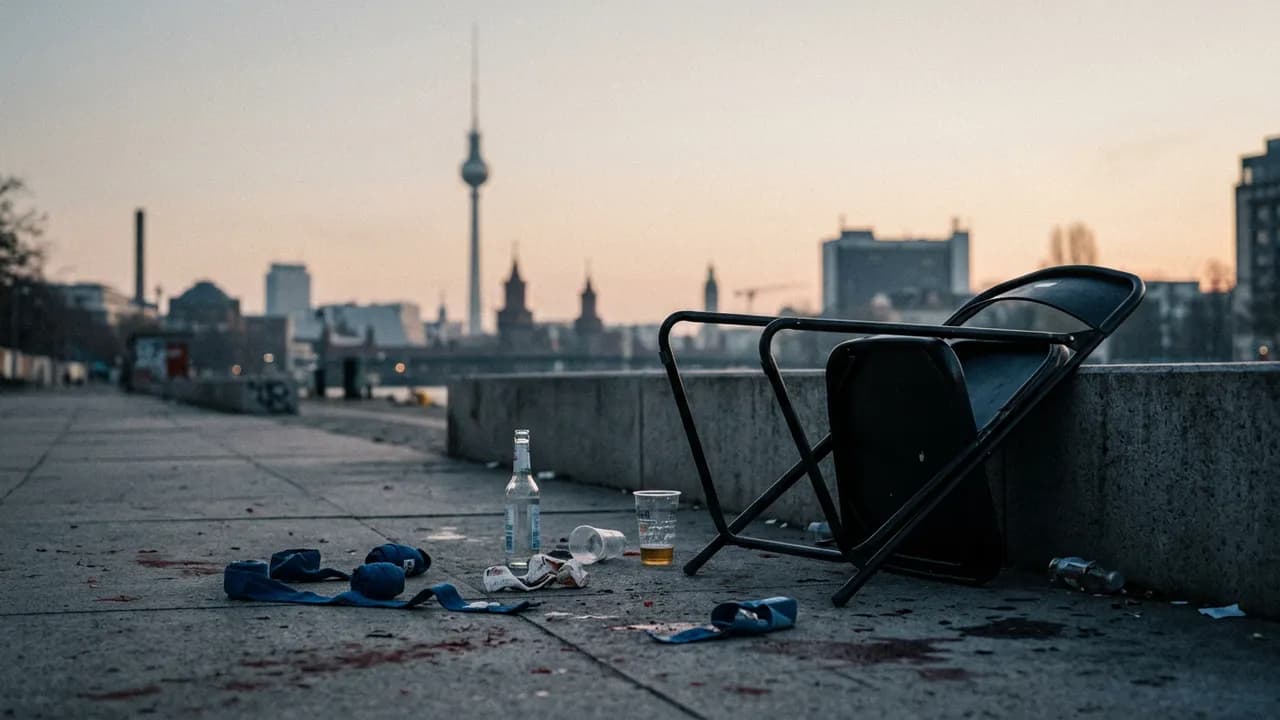
Polish hooligan culture developed its own tradition of arranged fights -- prearranged confrontations between rival firms conducted in forests, fields, and industrial areas outside city centers. These fights follow unwritten rules: equal numbers on each side, no weapons, fighting until one side retreats. The arranged fight tradition is distinct from spontaneous matchday violence and represents a formalized combat culture with its own code of honor.
When the KOTS movement emerged from Gothenburg in 2013 and gained massive visibility from 2018 onward, it offered Polish hooligan culture something new: a framework for individual no-rules fighting that extended the arranged fight tradition from group combat to one-on-one encounters. The KOTS model -- no rules, fights on concrete, content distributed online -- resonated immediately with a population already deeply invested in organized extralegal violence.
Organizations
KOTS-Inspired Fight Clubs
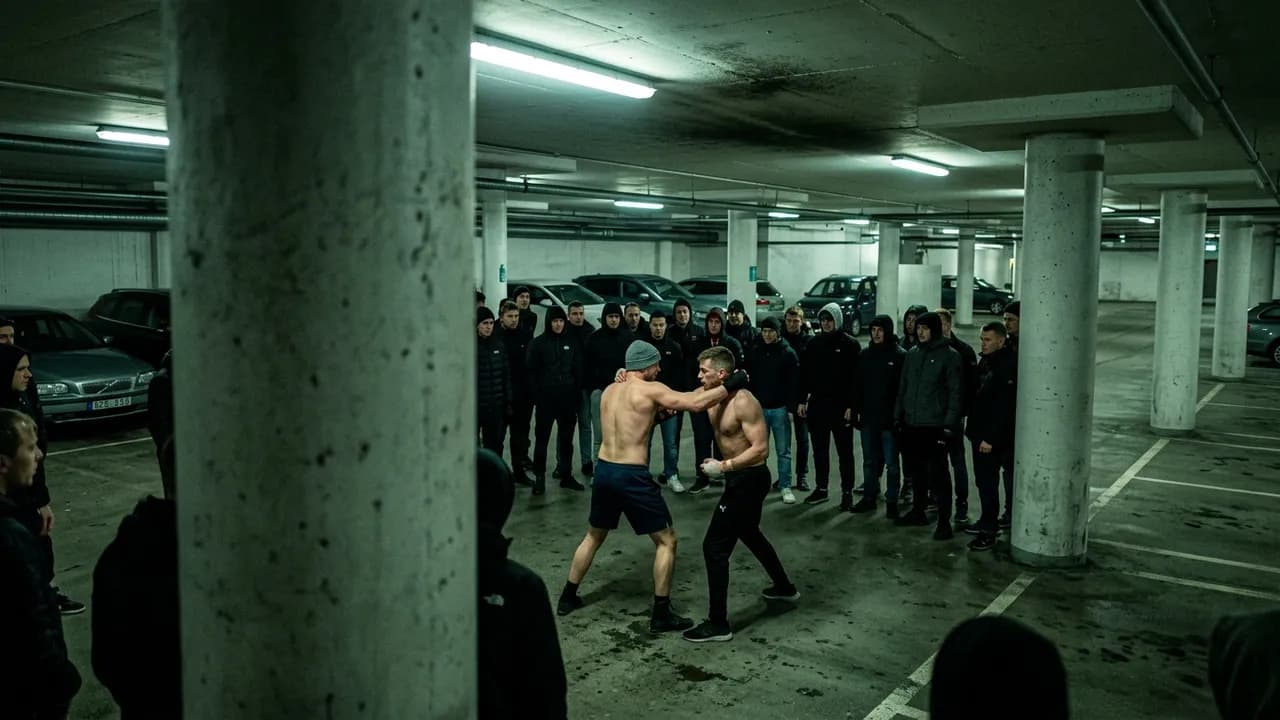
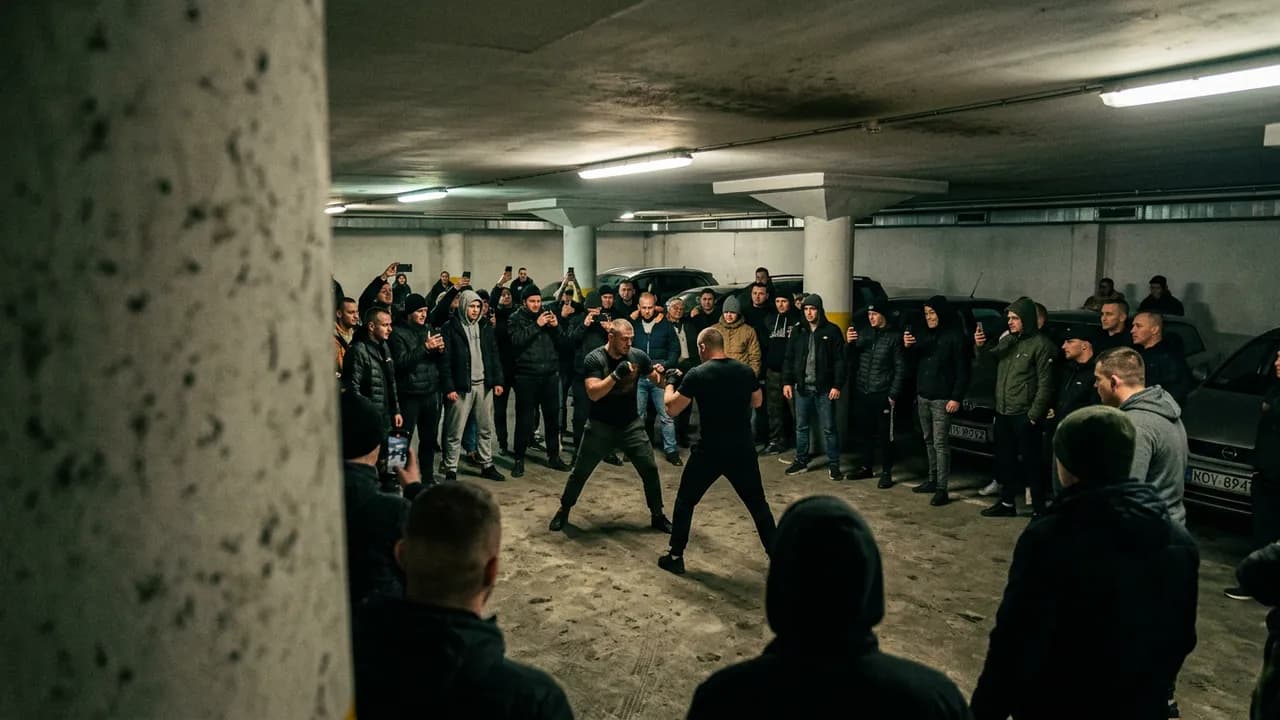
Poland hosts multiple fight clubs operating under the influence of the KOTS model. These organizations stage no-rules events in locations chosen for their remoteness and resistance to police intervention -- industrial sites, abandoned buildings, rural clearings, and the same kinds of spaces that have traditionally been used for arranged fights between hooligan firms.
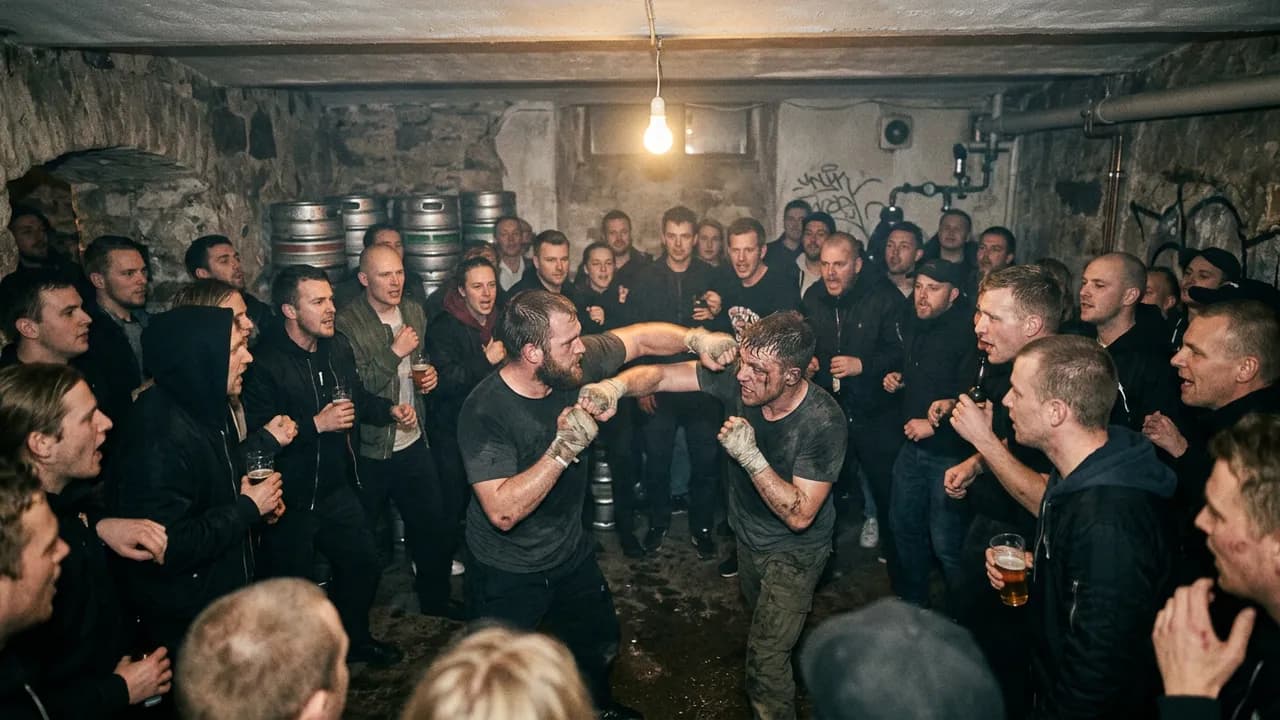
The format follows the established no-rules template: fights on hard surfaces, no gloves, minimal restrictions on techniques. The organizational structure relies on encrypted communication, word-of-mouth recruitment, and a vetting process designed to exclude infiltrators and observers who are not part of the community.
Warsaw's position as the largest Polish city and the home of the most prominent football firm means that it functions as a natural hub for this activity. However, the scene is distributed across Poland -- fight clubs operate in multiple cities, and fighters travel between events. The national scope of Polish hooliganism, with firms in every major city, provides a network that facilitates the spread and coordination of fighting events across the country.
The Hooligan Fight Network
Beyond the KOTS-inspired no-rules events, Poland's hooligan firms maintain their own fighting traditions. Arranged fights between rival firms continue, and the line between these traditional hooligan encounters and the newer no-rules fighting scene is blurred.
The organizational sophistication of Polish hooligan firms should not be underestimated. These are not loose collections of angry young men. They are structured organizations with leadership hierarchies, communication protocols, and internal discipline. The same organizational capacity that enables firms to coordinate large-scale violence around football matches is applied to the arrangement and execution of fighting events.
Warsaw's Legia firm is among the most powerful in Poland, with connections that extend across the country and into the European hooligan network. The firm's involvement in the fighting scene -- whether through direct organization of events or through the participation of its members -- gives Warsaw's underground fighting culture a backbone of organizational capability that many other cities lack.
Combat Sports Promotions
Poland has also developed a robust sanctioned combat sports scene. KSW (Konfrontacja Sztuk Walki), one of Europe's largest MMA promotions, is headquartered in Warsaw and has helped mainstream combat sports in Poland. The promotion's success has created a large audience of fight fans and a deep pool of trained fighters, some of whom participate in unsanctioned events alongside or instead of pursuing professional careers.
02 / Up next / Notable Fighters
The relationship between Poland's sanctioned and unsanctioned scenes is one of parallel existence. Fighters may train at the same gyms but compete in different worlds -- one regulated by athletic commissions and broadcast on television, the other operating in the shadows and documented only through the encrypted channels of the underground.
Notable Fighters
The anonymous nature of Poland's underground fighting scene means that its notable fighters are known by reputation within the community rather than by public profile. The hooligan firms that produce many of these fighters actively discourage public identification, and the legal risks of participation in unsanctioned fighting reinforce this anonymity.
Polish fighters who have competed in the broader European no-rules circuit -- attending events organized by KOTS or affiliated organizations -- carry reputations that extend beyond Poland's borders. The reputation of Polish fighters within the European underground is shaped by the intensity of the country's hooligan culture and the fighting skills developed through years of arranged fights and gym training.
In the sanctioned world, Polish MMA fighters like Jan Blachowicz (former UFC light heavyweight champion) and Joanna Jedrzejczyk (former UFC strawweight champion) demonstrate the depth of Polish fighting talent. While these athletes operate in a different sphere, their success reflects the same cultural investment in combat sports that drives the underground scene.
How to Get Involved
Warsaw's underground fighting scene is one of the most insular in Europe. Access requires connections to the hooligan firms or fight club networks that organize events. These connections are built through personal relationships, typically within the football supporter community or the combat sports training ecosystem.
For those interested in legal combat sports in Warsaw, the city offers a comprehensive range of training options. Boxing gyms, MMA facilities, and martial arts schools are available throughout the city. KSW's presence creates opportunities for fighters seeking professional careers in mixed martial arts, and the promotion's amateur development pipeline is open to aspiring competitors.
BKFC has not established a regular presence in Poland, but the promotion's European expansion through BKFC UK suggests that Eastern European markets may be targeted in the future. Poland's fight-hungry audience and its deep pool of combat sports talent make it an attractive market for bare knuckle promotions.
The KOTS website may provide a connection point for fighters interested in the no-rules scene, though accessing Polish fight clubs specifically requires navigating the local networks that organize events.
Anyone considering involvement in unsanctioned fighting in Poland should be aware of the legal framework. Polish law treats organized fighting events outside sanctioned sporting contexts as illegal, and participants face criminal prosecution if events are discovered by authorities.
Related Cities
- Berlin -- Germany's underground scene with similar hooligan-driven dynamics
- Gothenburg -- Birthplace of KOTS, the movement that catalyzed Polish no-rules fight clubs
- Copenhagen -- UUF Denmark, another Northern European expression of the movement
- Paris -- French no-rules movement with comparable hooligan connections
- Stockholm -- Scandinavian city within the KOTS network