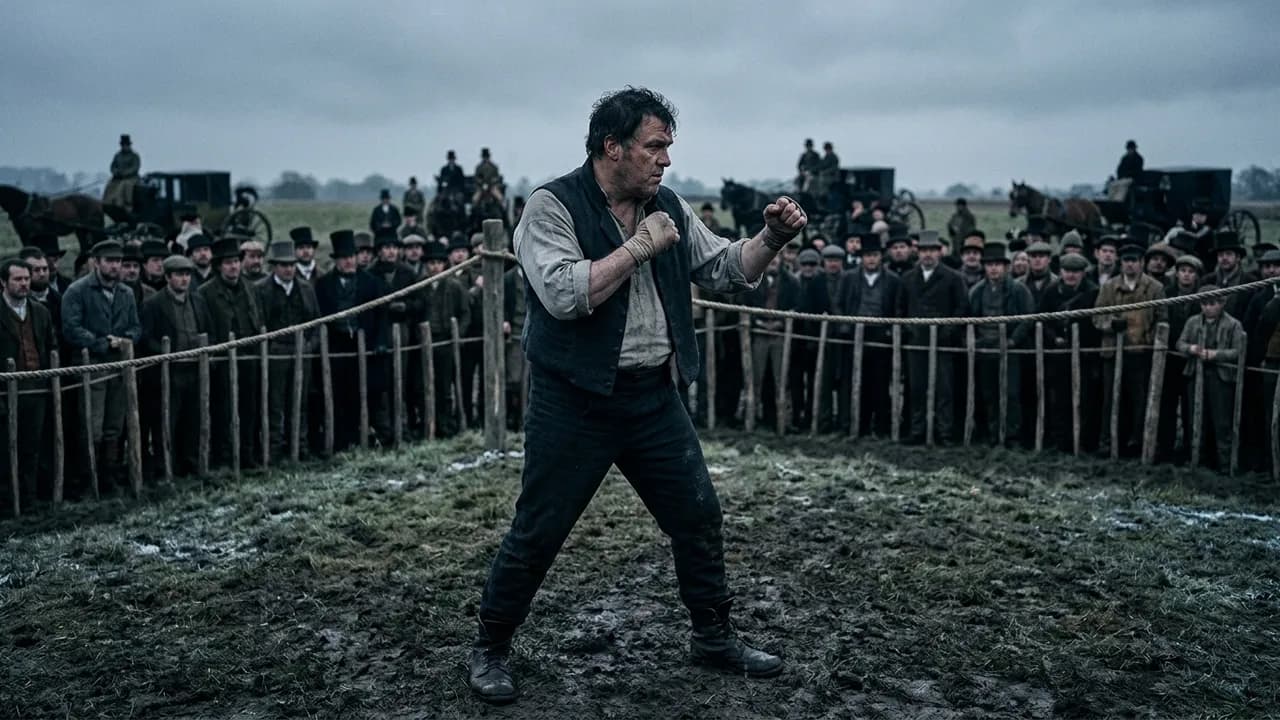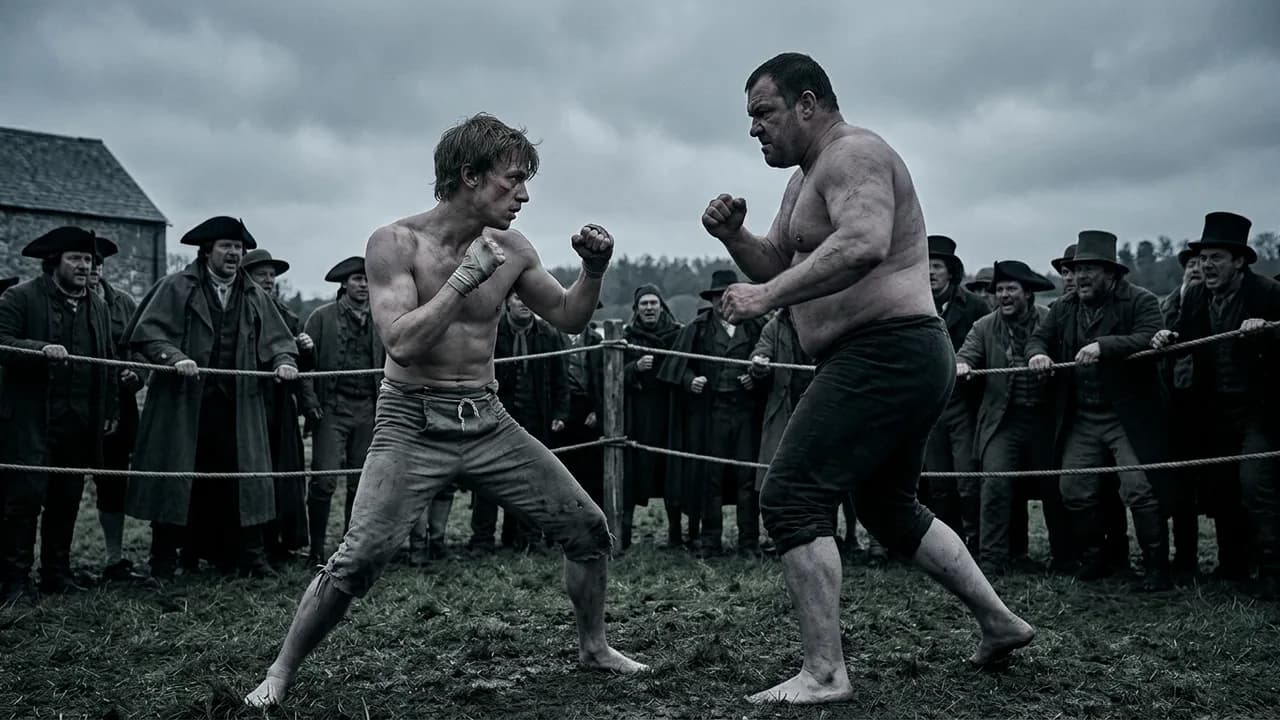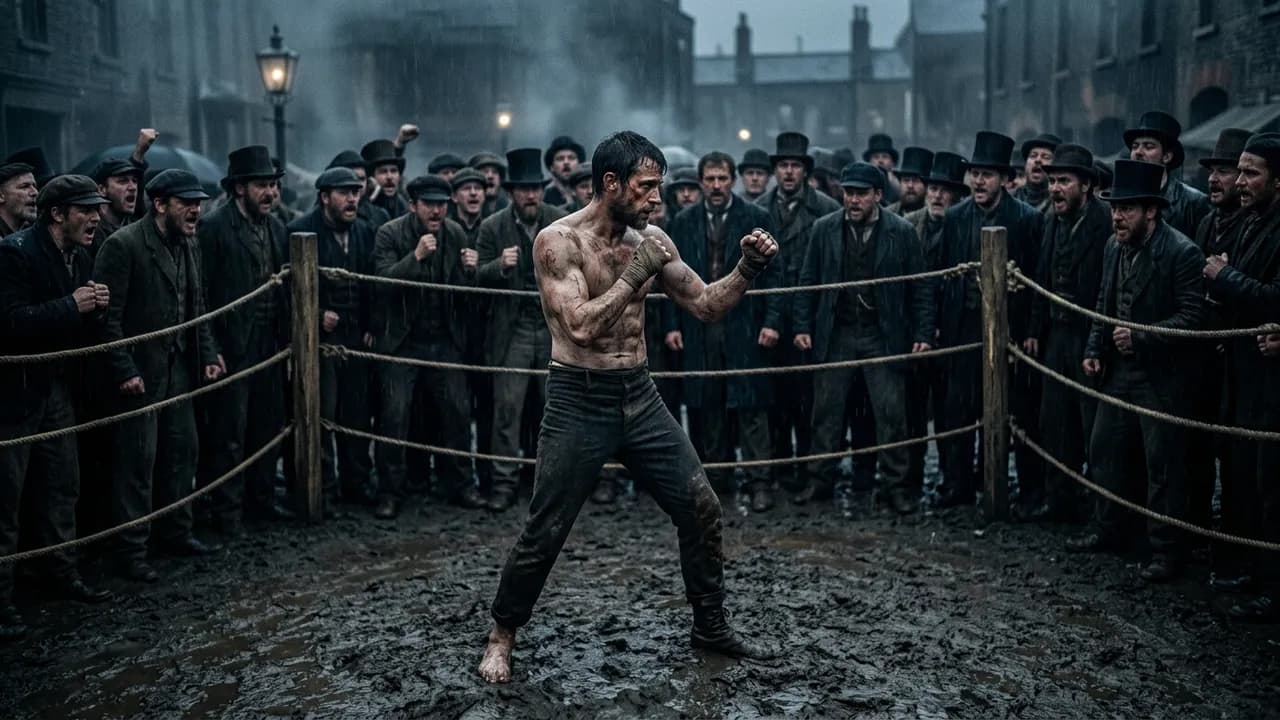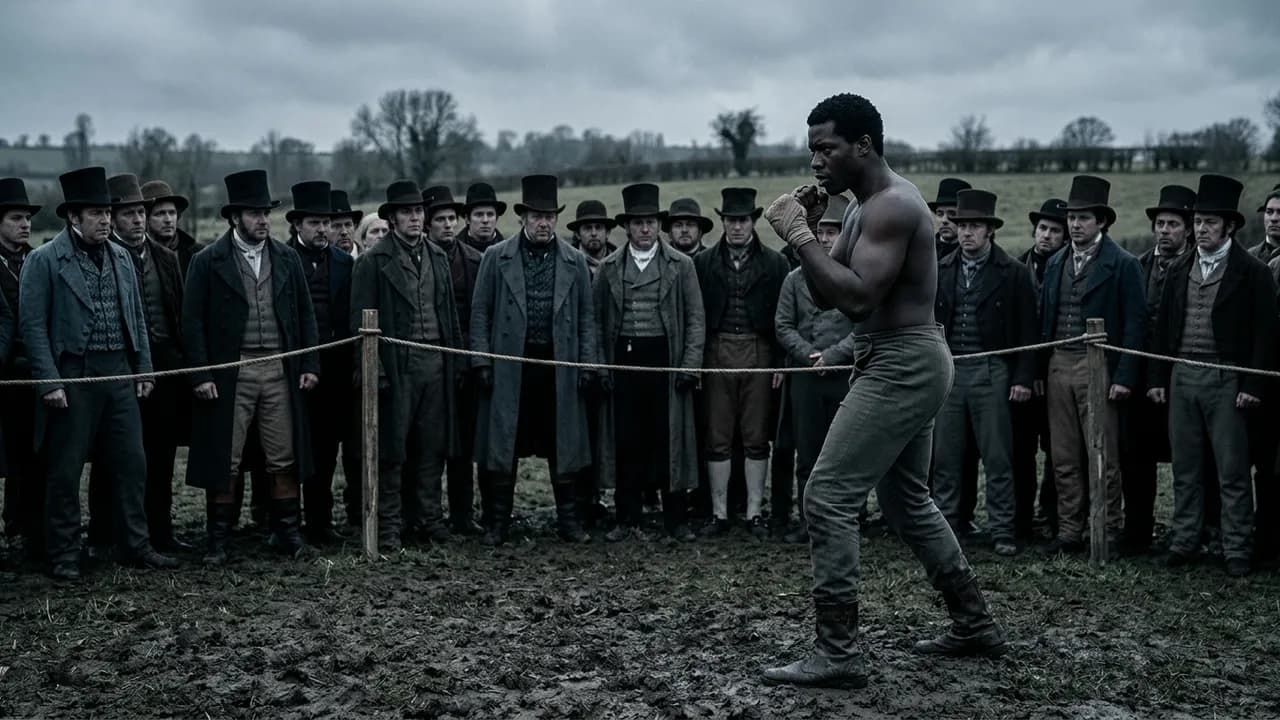
Tom Molineaux (around 1784-1818) was an American bare-knuckle prizefighter who was born into slavery in Virginia and rose to fight the English champion Tom Cribb for the highest honour in the sport. His two bouts with Cribb, the disputed first meeting in 1810 and the decisive rematch in 1811, were among the earliest championship-level prizefights charged with race and nationality, and they made Molineaux one of boxing's first international figures. Much of his early life is poorly documented, and the records that survive mix fact with legend.
Quick Facts
| Field | Detail |
|---|---|
| Full name | Tom Molineaux |
| Born | Around 23 March 1784, Virginia, United States (date uncertain) |
| Died | 4 August 1818 (aged about 34), Galway, Ireland |
| Status at birth | Enslaved |
| Trainer | Bill Richmond, a formerly enslaved American boxer in London |
| Era | London Prize Ring (bare-knuckle), Regency |
| Key opponent | Tom Cribb (fought twice, 1810 and 1811) |
| Cause of death | Reported as tuberculosis worsened by drink |
| Buried | Galway, Ireland |
Overview
The early life of Tom Molineaux is one of the clearest cases in this period where the popular story outruns the evidence. He was born enslaved in Virginia, probably around 1784, and most of what is repeated about how he gained his freedom should be treated with caution. The familiar account has him boxing other enslaved men for the entertainment of plantation owners, winning a large wager for his owner, and being granted freedom and 500 dollars. One biographer's verdict is the honest one: some of these accounts may rest on truth, but they cannot be substantiated and may have been romanticised. Other versions of his origins exist. What is reasonably clear is that he reached New York as a free man, claimed a "Champion of America" title, and crossed to England in 1809.
In London he fell in with Bill Richmond, himself a formerly enslaved American who had become a respected fighter and ran a public house in Leicester Square. Richmond trained Molineaux and worked his corner. That pairing, two free Black men from America at the centre of the English prize ring, was unusual enough that it shaped how the press wrote about everything Molineaux did.
Career and the Cribb fights
Molineaux's reputation rests almost entirely on his two contests with Tom Cribb, the Champion of England.
The first fight took place in December 1810 on open ground in southern England. Sources disagree on the exact date, naming both 3 and 18 December, and on the precise location, with Copthorne Common and Shenington Hollow both cited. The contest ran to roughly 35 rounds and ended with Cribb declared the winner, but the result was disputed at the time and has stayed disputed since. The surviving accounts, largely drawn from Pierce Egan's Boxiana, describe a chaotic middle stretch: a crowd that pushed into the ring, a passage in which Molineaux seemed to have the better of the champion, and an accusation from Cribb's corner that Molineaux was concealing bullets in his fists. There was also a dispute over whether Cribb returned to the scratch line within the allowed time, a point that, had it gone the other way, could have given Molineaux the win. How much of this was deliberate interference and how much was the ordinary confusion of an unregulated fight is not something the record can settle. It should be read as contested, not proven.
The rematch, on 28 September 1811 at Thistleton Gap in Rutland, drew a crowd reported at around 15,000. This time there was no dispute. Cribb came in far better prepared, broke Molineaux down, and won decisively in about eleven rounds, breaking his opponent's jaw. Molineaux and Richmond parted ways professionally not long after.
It is worth being plain about why these bouts are remembered. They were genuine sporting events, and they were also racial spectacles, watched and reported by a public that openly wanted the English champion to beat the Black American challenger. That framing is part of the historical record and is the main reason the fights are studied today.
Legacy
After the second Cribb fight Molineaux never regained the top level. He toured Scotland and Ireland giving exhibitions, fell into debt and heavy drinking, and his health failed. He died in Galway in 1818, around the age of 34, reportedly of tuberculosis worsened by alcohol, and was buried there far from home.
His standing does not come from a long unbeaten record, because he had neither. It comes from being the first fighter to carry the question of race and nationality into a championship-level ring on the international stage, and from doing so well enough in the first Cribb fight that the result is still argued over two centuries later. He belongs to the same Regency prize-ring world as Daniel Mendoza and the champions who followed, and the broader arc of the sport he competed in is set out in the history of bare-knuckle boxing. The line ran on through later figures such as Jem Mace and ended for the bare-knuckle era with John L. Sullivan.
Frequently Asked Questions
Was Tom Molineaux really born into slavery? He was born enslaved in Virginia, probably around 1784. The detailed story of how he won his freedom, including the often-repeated account of a wager and a 500-dollar reward, cannot be confirmed from the surviving record and may have been romanticised.
Did Molineaux ever beat Tom Cribb? No. He lost both fights. The first, in December 1810, was disputed at the time and remains so, with credible claims that he was close to winning. The 1811 rematch was a clear Cribb victory.
Why are the Cribb-Molineaux fights historically important? They were among the first championship-level prizefights framed explicitly around race and nationality, and they are studied as much for what they reveal about Regency attitudes as for the boxing.
External Links
- Tom Molineaux — Wikipedia
- Tom Molineaux — National Portrait Gallery
- Tom Molineaux — Virginia Museum of History & Culture
Related Content on UNSANCTIONED FIGHTS
- Tom Cribb — the English champion who beat Molineaux twice in the most documented bouts of the era.
- Daniel Mendoza — the Georgian fighter whose scientific style shaped the prize ring Molineaux entered.
- Jem Mace — a later English bare-knuckle champion from the same tradition.
- John L. Sullivan — the last bare-knuckle heavyweight champion, who closed the era.