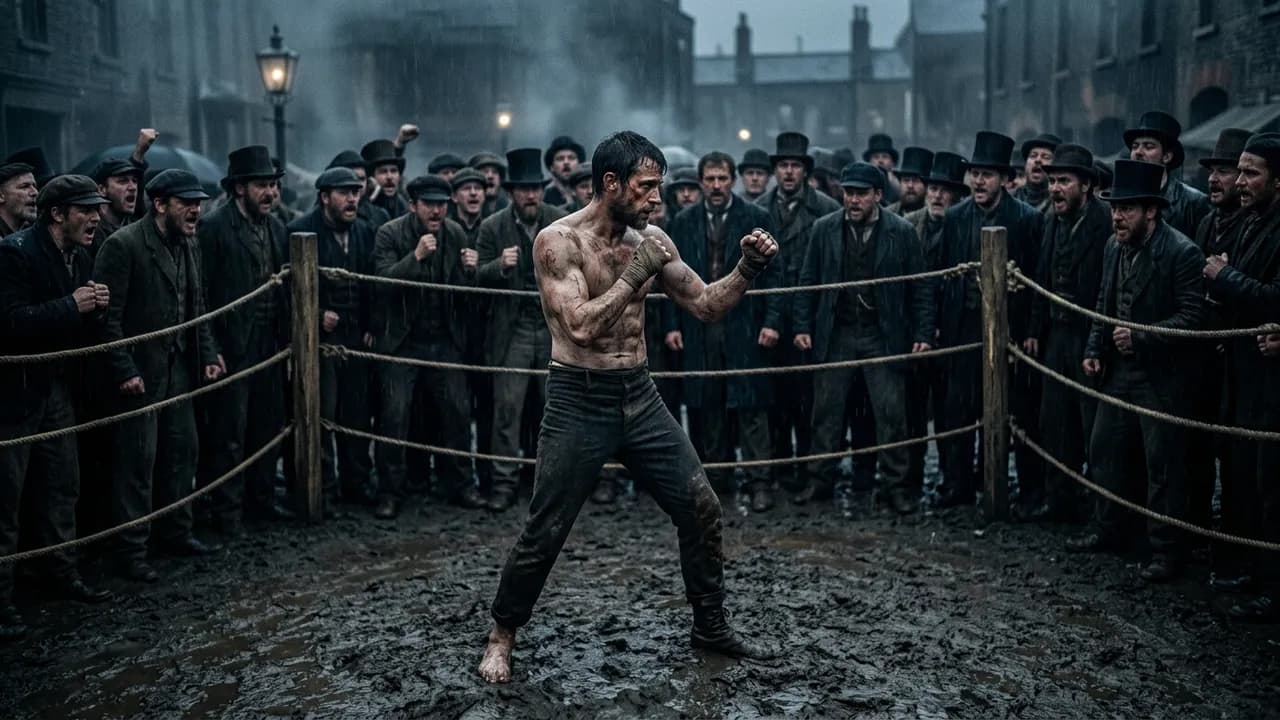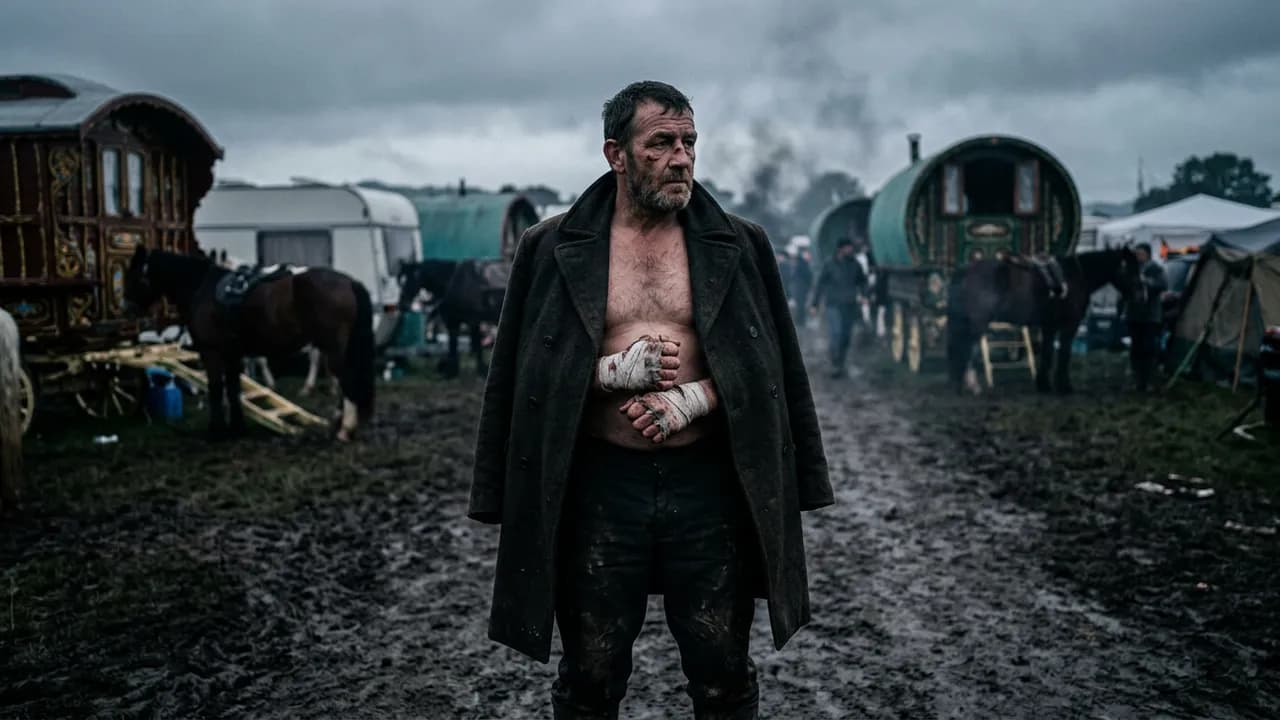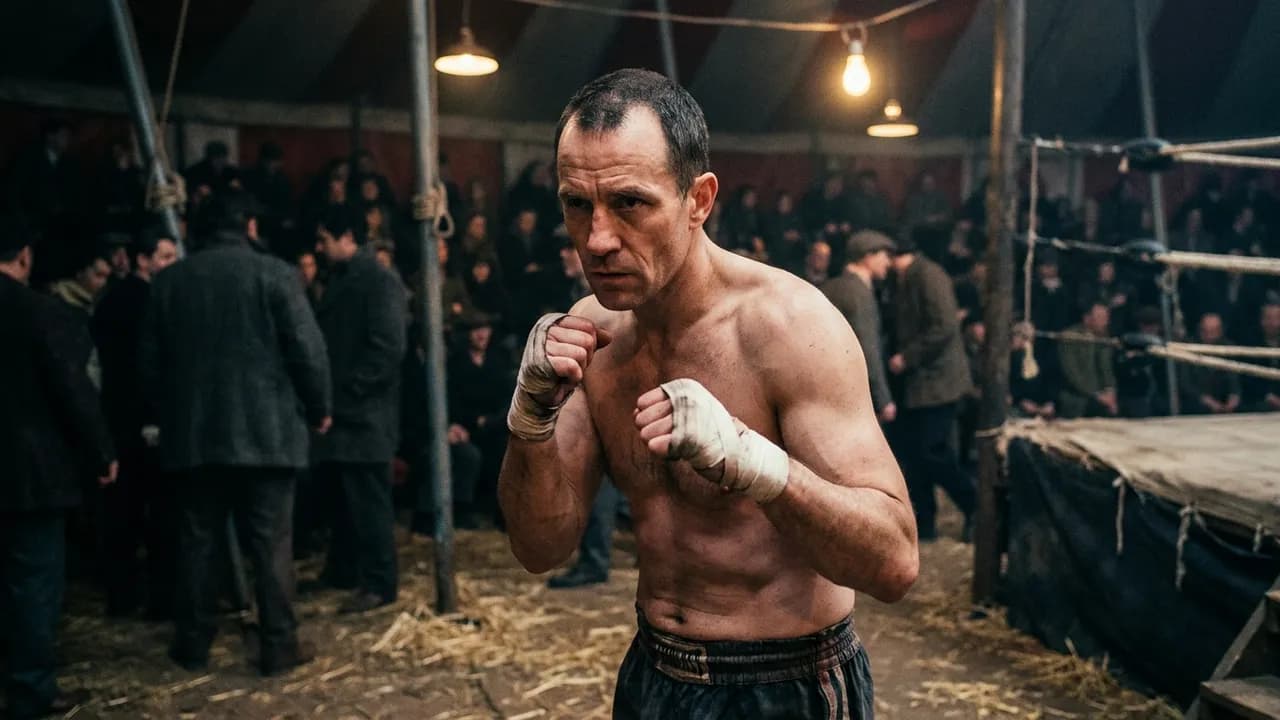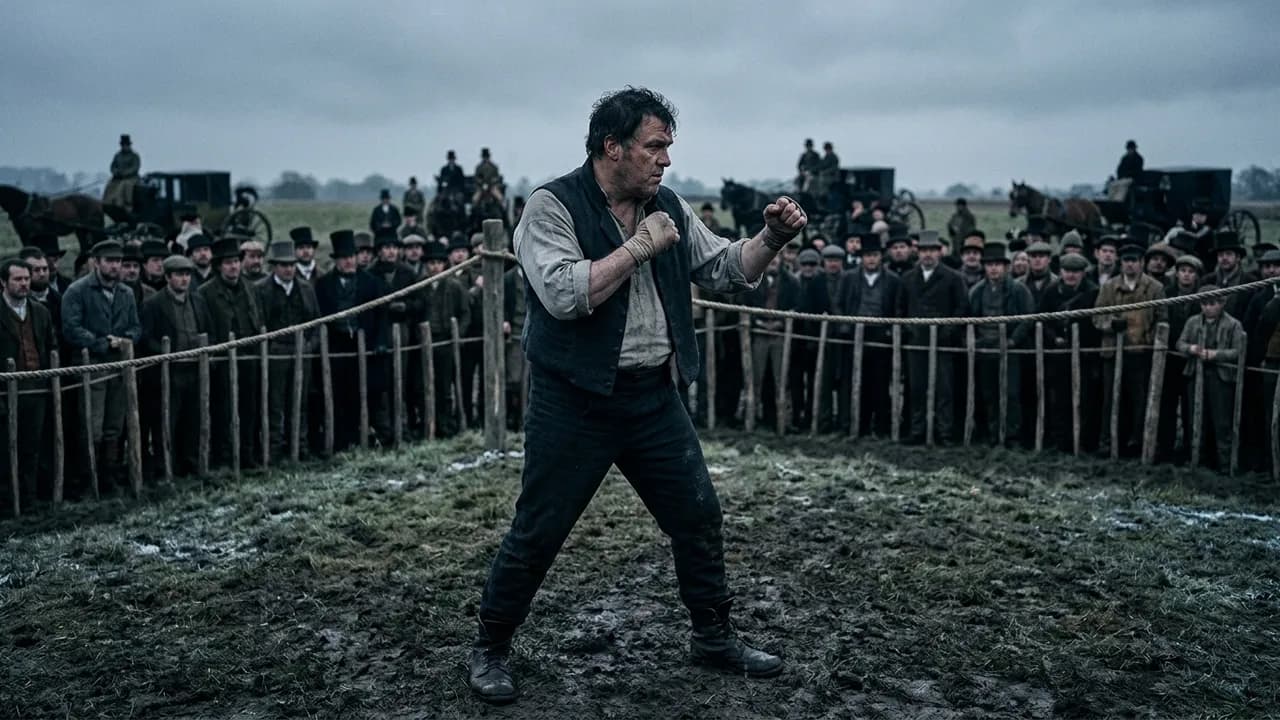
Tom Cribb (1781-1848) was an English bare-knuckle prizefighter who held the Championship of England from 1809 until he resigned the title in 1822. A former coal porter and bell-hanger, he beat the formerly enslaved African American boxer Tom Molineaux in 1810 and again in 1811, in two of the most documented and racially charged prizefights of the Regency era. He retired undefeated and is enshrined as a pioneer in the International Boxing Hall of Fame.
Quick Facts
| Field | Detail |
|---|---|
| Full name | Thomas "Tom" Cribb |
| Born | 8 July 1781, Hanham, near Bristol, England |
| Died | 11 May 1848 (aged 66), Woolwich, London, England |
| Nationality | English |
| Nickname | "The Black Diamond" (from his work hauling coal) |
| Era | London Prize Ring (bare-knuckle) |
| Notable titles | Champion of England, roughly 1809-1822 |
| Key opponents | Bill Richmond, Jem Belcher, Bob Gregson, Tom Molineaux |
| Hall of fame | International Boxing Hall of Fame (Pioneer category) |
| Buried | St Mary Magdalene churchyard, Woolwich; lion monument in St Mary's Gardens |
Overview
Cribb came to the prize ring from manual labour rather than from any sporting class. Born at Hanham near Bristol, he moved to London as a boy and worked first as a bell-hanger and then as a coal porter at Wapping. The grime of that trade is usually given as the source of his ring name, "The Black Diamond." He was a heavyweight by the standards of the day, and he fought in a tradition with no gloves, no fixed round length and no weight classes.
The London Prize Ring of the early 1800s ran on a simple structure: a round ended when a man went down, after which he had 30 seconds plus a further eight to come back "to the scratch" line at the centre. Wrestling throws and holds were legal. Bouts could last dozens of rounds and well over an hour. Cribb's reputation was built less on speed than on conditioning and durability, and the International Boxing Hall of Fame credits him as one of the first fighters to train seriously for a contest and as a noted exponent of "milling on the retreat," fighting while stepping backward.
Period reporting on Cribb is heavy but partisan. The central source is Pierce Egan's Boxiana, the foundational chronicle of English pugilism, first published in 1813. Egan's accounts are vivid and detailed, but they were written from inside the fight world and should be read as such. Exact bout counts and some dates from this era differ between sources.
Career
Rise through the prize ring
Cribb's first recorded prizefight is generally dated to 7 January 1805, against George Maddox. The same year he met Bill Richmond, a Black fighter born in colonial New York, and beat him over a long contest. He then climbed past the top men of the day, defeating the former champion Jem Belcher in 1807 and beating Bob Gregson in 1808. By around 1809 he was recognised as Champion of England, the highest standing in the bare-knuckle game. The precise dating of when the title formally passed to him varies between accounts, which is common for a sport governed by custom and the press rather than by a sanctioning body.
The two Molineaux fights
The bouts that fixed Cribb in history were his two meetings with Tom Molineaux, an American boxer who had, by most accounts, been born into slavery before fighting his way to freedom and crossing the Atlantic. These were among the first championship-level prizefights to carry an explicit racial and transatlantic charge: a Black American challenger against the English champion, before crowds and a press that framed the contest in those terms.
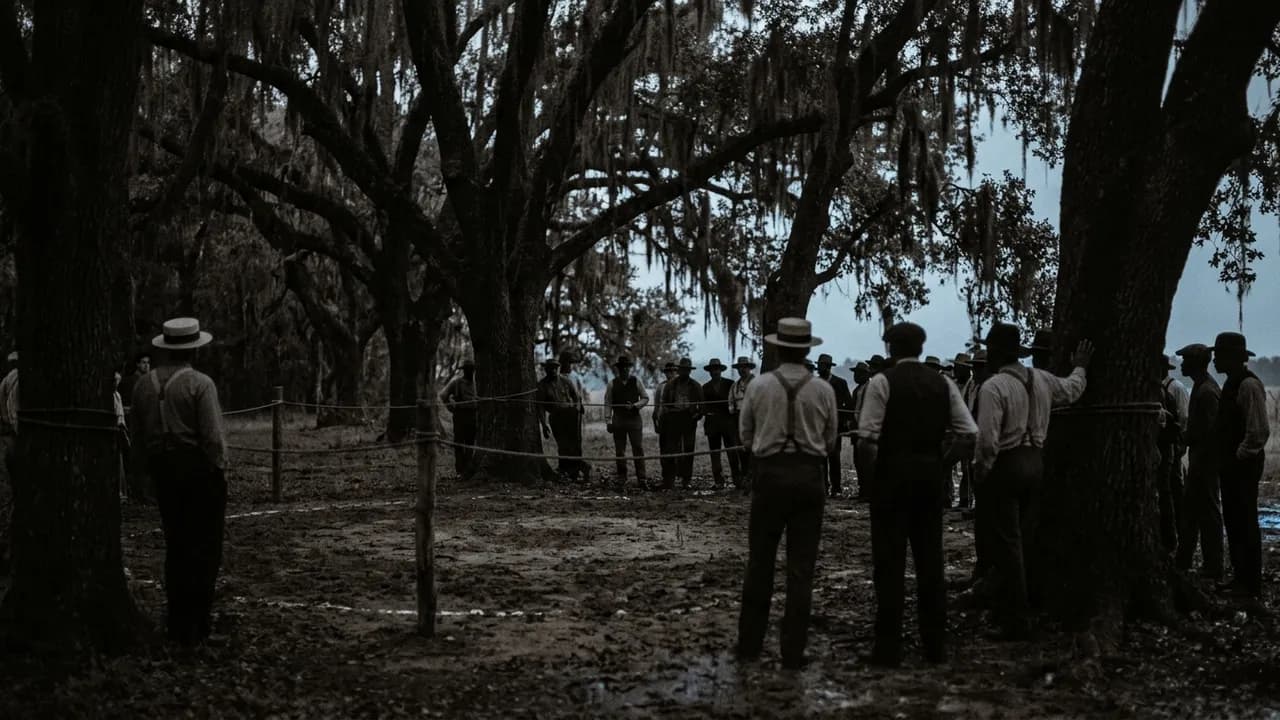
The first fight took place in December 1810 (sources give the date as 3 or 18 December) on open ground in southern England, with Copthorne Common and Shenington Hollow both named in different accounts. Cribb was declared the winner after a long, brutal contest of roughly 35 rounds, but the result was disputed at the time and has stayed disputed since. Contemporary accounts, including those drawn from Egan, describe a chaotic middle stretch: a crowd that pushed into the ring, a moment when Molineaux appeared to have the better of Cribb, and an interval in which Cribb's seconds accused Molineaux of hiding bullets in his fists. While that accusation was argued out, Cribb recovered. There was also a dispute over whether Cribb returned to the scratch line within the allowed time. How much of this amounts to deliberate interference and how much to the ordinary confusion of an unregulated prizefight is not something the record can settle, and it should be treated as contested rather than proven.
The rematch, on 28 September 1811 at Thistleton Gap in Rutland, drew a crowd reported in the many thousands.
The rematch, on 28 September 1811 at Thistleton Gap in Rutland, drew a crowd reported in the many thousands. This time the result was not in doubt. Cribb came in better prepared and broke Molineaux down, winning in around eleven rounds in what was understood as a decisive victory.
Champion of England
After the second Molineaux fight, Cribb did not defend the championship in the ring again. He held the title largely as a figurehead for more than a decade and ran a public house, while the active fighting passed to younger men. On 15 May 1822, by the account of period record-keepers, he publicly resigned the championship. He had not been beaten in it. His full ledger is reported slightly differently across sources, but the consistent thread is that he retired as an undefeated champion.
Legacy
Cribb's standing rests on more than his record. He sat at the centre of Regency prize-ring culture at its commercial peak, was patronised by the aristocracy, and was the subject of Egan's Boxiana, which did as much as the fights themselves to carry his name forward. The tradition he topped ran on through later bare-knuckle champions such as Jem Mace, and on to John L. Sullivan, who fought the last widely recognised bare-knuckle heavyweight title bout in 1889 before the gloved era took over.
His memory is kept in two physical places. The Tom Cribb, a public house at 36 Panton Street near Haymarket in central London, carries his name. And in Woolwich, where he spent his last years and died in 1848, a monument stands over his grave in the form of a stone lion resting a paw on an urn, now sited in St Mary's Gardens. The International Boxing Hall of Fame later enshrined him in its Pioneer category, alongside Egan among its non-participant inductees.
The Molineaux fights complicate any simple celebration of Cribb. They were genuine sporting events and also racial spectacles, watched and reported by people who openly wanted the English champion to beat the Black American. That context is part of the historical record and is the reason these bouts are studied today as much for what they reveal about the period as for the boxing itself.
Frequently Asked Questions
Did Tom Cribb really retire undefeated? By the consistent reading of period records he was never beaten while champion and resigned the title in 1822. Exact win-loss totals are reported differently across sources, as is normal for the era.
Was the first Molineaux fight fixed? The 1810 result was disputed at the time and remains so. Contemporary accounts describe crowd interference, a bullet accusation against Molineaux and a timing dispute over Cribb. Whether any of this was deliberate cannot be established from the surviving record.
Where is Tom Cribb buried? In the churchyard of St Mary Magdalene in Woolwich, south-east London, beneath a stone lion monument that now stands in St Mary's Gardens.
External Links
- Tom Cribb — Wikipedia
- Tom Cribb — International Boxing Hall of Fame
- Tom Cribb — Encyclopaedia Britannica
Related Content on UNSANCTIONED FIGHTS
- Jem Mace — a later English bare-knuckle champion from the same prize-ring tradition Cribb topped.
- John L. Sullivan — the last bare-knuckle heavyweight champion, who closed the era Cribb helped define.
- Bobby Gunn — a modern bare-knuckle fighter who claims descent from the old prize-ring craft.
- Bartley Gorman — the bare-fist "King of the Gypsies," a later figure in unsanctioned fighting.
- Roy Shaw — an unlicensed-fight legend whose fame shows the rougher modern descendant of the prize ring.