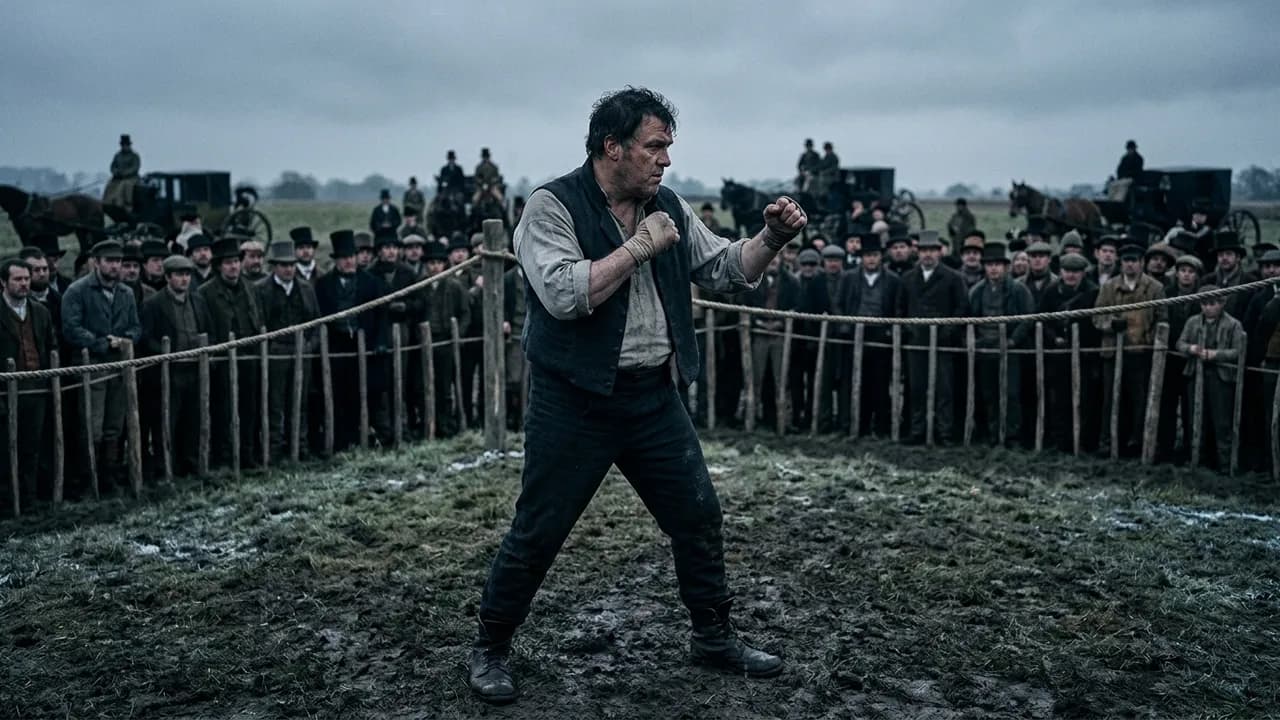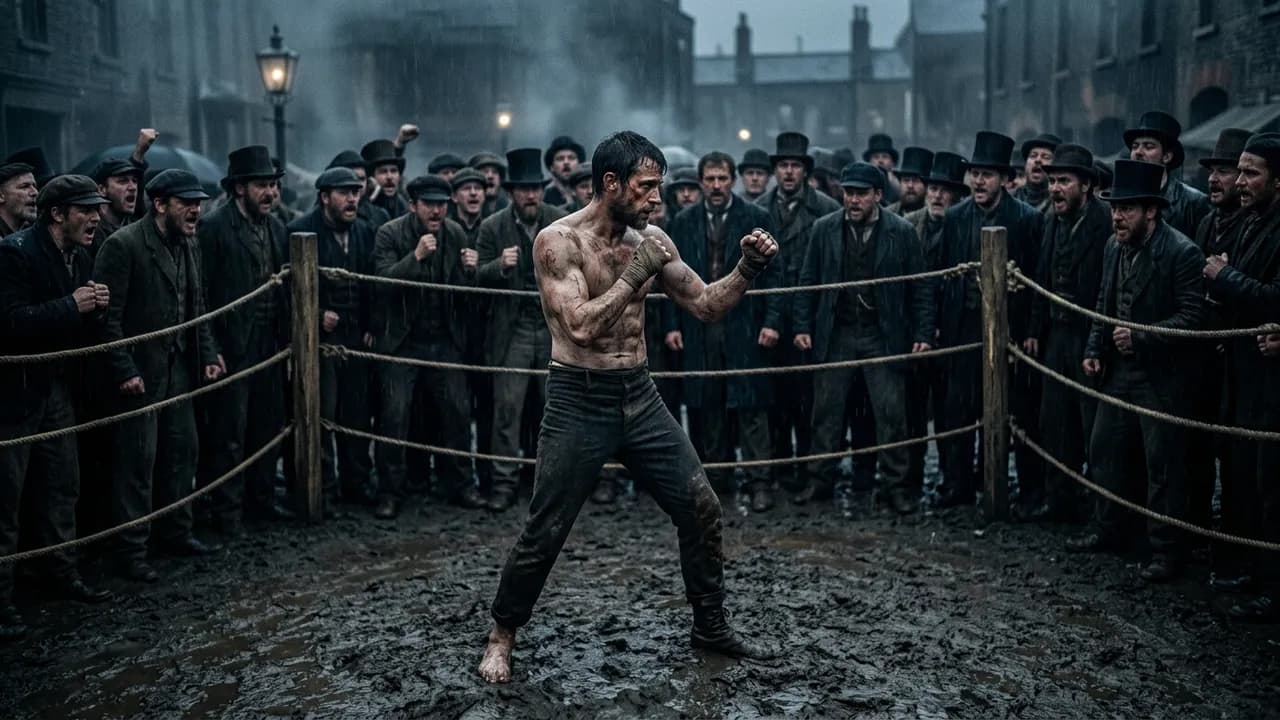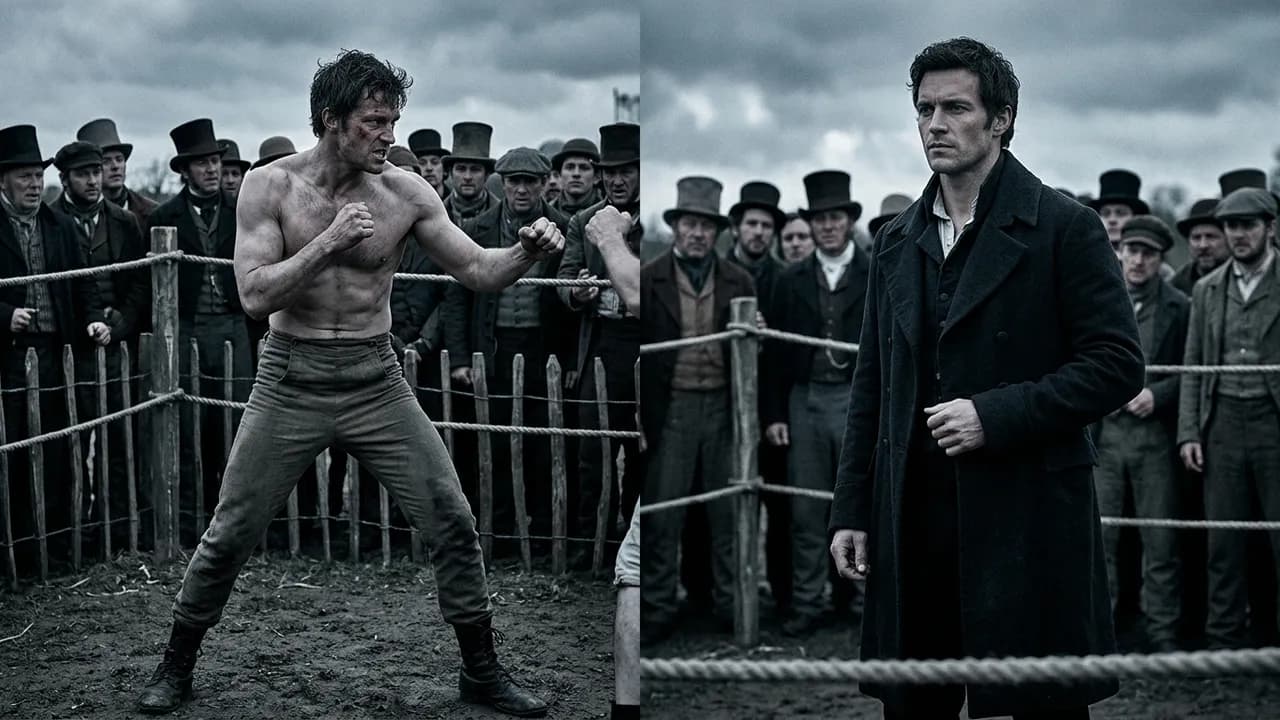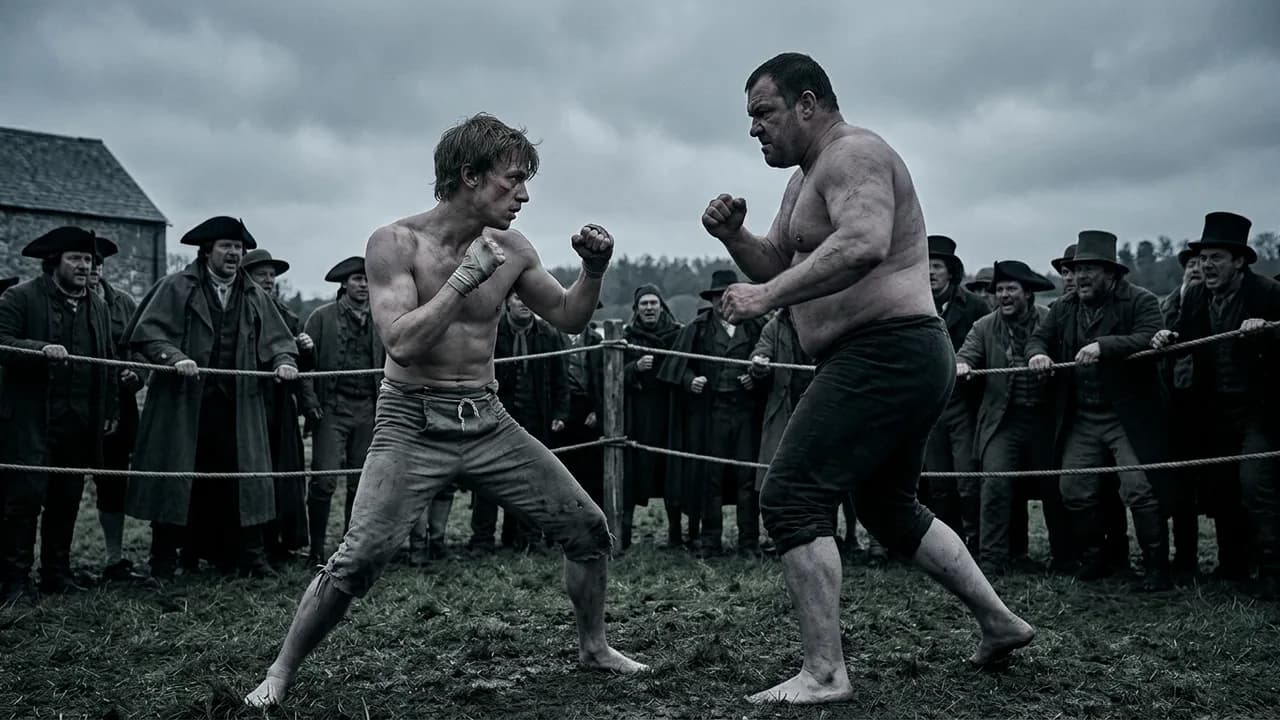
Daniel Mendoza (1764-1836) was an English bare-knuckle prizefighter, the most celebrated pugilist of Georgian London, and the first Jewish fighter to reach national fame. Across roughly 37 recorded bouts he lost only a handful, defeated his rival Richard Humphries in a series watched by the whole country, and is credited with replacing the standing slug-fest with movement, defence and the straight punch. He wrote one of the earliest boxing manuals and was inducted into the International Boxing Hall of Fame in 1990.
Quick Facts
| Field | Detail |
|---|---|
| Full name | Daniel Mendoza |
| Born | 5 July 1764 (some records give 1765), Whitechapel, London, England |
| Died | 3 September 1836 (aged 71-72), Petticoat Lane, London, England |
| Heritage | Sephardic Jewish family of Spanish-Portuguese descent |
| Size | About 5 ft 7 in, roughly 160 lb (a small heavyweight by the standards of his day) |
| Record | Roughly 37 recorded bouts; about 5 defeats |
| Era | London Prize Ring (bare-knuckle), late Georgian |
| Known for | "Scientific" boxing; footwork, guard and the straight hit |
| Books | The Art of Boxing (1789); Memoirs (1816) |
| Hall of fame | International Boxing Hall of Fame (1990); Bare Knuckle Boxing Hall of Fame (2017) |
Overview
Mendoza was born in Whitechapel in 1764, the year he gave in his memoirs, though synagogue records point to 1765. His family were Sephardic Jews of Spanish and Portuguese descent, part of a London community that lived under real hostility. Much of his early reputation came from street fights defending himself and others against antisemitic abuse, and that context never left his public image. He fought, and was promoted, as "Mendoza the Jew."
He was small for a man who took on the heavyweights of the day, standing about 5 ft 7 in and weighing around 160 lb. He could not win by being bigger or stronger, so he won by being harder to hit. The fighters before him had largely stood square and traded until one fell. Mendoza moved, guarded, used distance, and hit straight on the retreat. Pierce Egan, whose Boxiana is the foundational chronicle of English prizefighting, called him one of the most scientific pugilists of the age. As with all writing from inside the fight world, Egan's accounts are vivid and partisan, and the precise record from this era differs between sources.
Career and the Humphries rivalry
Mendoza's name was made by his rivalry with Richard Humphries, a respected English fighter who had once been his backer. The two met three times, and the series became one of the first sporting events to grip the wider public through the press.
The first fight, on 9 September 1787, went to Humphries and stands as one of Mendoza's few defeats. The two later bouts went the other way. On 6 May 1789 at Stilton in Huntingdonshire, Mendoza won, and a further meeting in 1790 at Doncaster ended decisively in his favour after a long contest. The rivalry was conducted partly in public letters printed in the newspapers, an early form of the promotional build-up that later became standard. By the end of it Mendoza was the most famous boxer in the country.
The question of whether Mendoza was ever formally "Champion of England" is one place where legend and the documented record part company. Modern sources routinely list him as champion from 1792 to 1795, but contemporary accounts from the period do not describe him that way, and his own 1816 memoirs make no such claim. What is documented is that he was the leading and most admired fighter of his time, beating men such as Bill Warr in 1792 over a long bout. His career as the dominant figure ended on 15 April 1795 when John Jackson beat him in nine rounds, reportedly by holding Mendoza's long hair with one hand and striking with the other. Hair-pulling was within the rules then, and the loss is usually read as the start of his decline rather than a clean changing of the guard.
His connection to royalty is better attested than his championship. After a 1787 win the Prince of Wales, later George IV, presented him with a substantial sum, and Mendoza was later received by George III. For a Jewish prizefighter from Whitechapel in the 1780s, that access was itself part of the story.
Legacy
Mendoza's lasting claim is technical. He is the figure historians point to as the moment boxing began to separate from brawling. The defensive guard, the use of footwork to avoid rather than absorb punishment, and the straight hit on the retreat are all associated with him, and he taught and wrote them down. The Art of Boxing, published in 1789, set out his methods and his "lessons," and is among the earliest instructional texts in the sport. That line of thinking runs forward through the prize ring to figures like Jem Mace, who is often called the father of modern boxing, and on to the gloved era that John L. Sullivan closed the bare-knuckle period to define.
His later life was hard. After 1795 his earnings fell away. He kept a public house, took an appointment as a sheriff's officer, faced legal trouble and debt, and struggled to support a large family. He made a final, losing ring appearance in 1820 at the age of 55 and died in poverty in 1836. The arc from national celebrity to that ending is documented and is part of why his story still carries weight rather than glory.
He sits in the same prize-ring tradition that produced Tom Cribb and John Gully, and like them he is studied as much for what his fame reveals about Georgian England as for the fights themselves. The detailed history of the sport he helped shape is covered in the history of bare-knuckle boxing.
Frequently Asked Questions
Was Daniel Mendoza really Champion of England? Modern sources commonly list him as champion from 1792 to 1795, but contemporary records from the period do not describe him that way and his own memoirs make no such claim. What is clear is that he was the leading and most admired fighter of his era.
Why is Mendoza called the father of scientific boxing? He moved away from the standing slug-fest of his time toward footwork, a defensive guard and the straight hit, and he taught and wrote down those methods. Historians treat this as an early turning point toward modern technique.
Was Mendoza the first Jewish boxing champion? He was the first Jewish fighter to reach national fame in England and is widely described as the first Jewish champion of the prize ring, though the formal "championship" label for this era is itself disputed.
External Links
- Daniel Mendoza — Wikipedia
- Daniel Mendoza — Encyclopaedia Britannica
- Daniel Mendoza — International Boxing Hall of Fame
Related Content on UNSANCTIONED FIGHTS
- Tom Cribb — the Regency champion who came up a generation after Mendoza in the same prize-ring world.
- Jem Mace — a later English bare-knuckle champion who carried Mendoza's scientific approach into the gloved era.
- John Gully — a Georgian prizefighter who, like Mendoza, became a public figure far beyond the ring.
- John L. Sullivan — the last bare-knuckle heavyweight champion, who closed the era Mendoza helped refine.