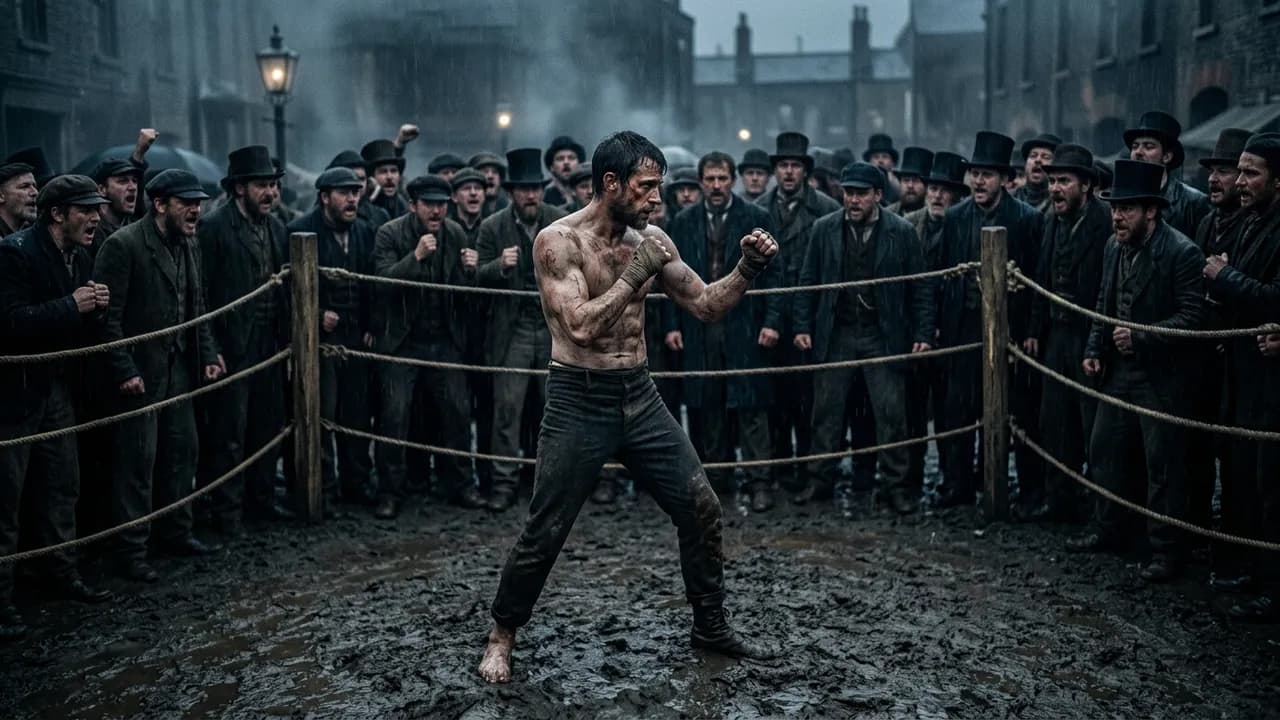
Jem Mace (1831-1910) was an English prizefighter who held bare-knuckle championships through the 1860s, defeated Tom Allen in 1870 for what boxing historians now count as the first world heavyweight title, and then carried gloved boxing across the United States, Australia and New Zealand. His emphasis on technique over brute force earned him the label "father of modern boxing," though he died penniless and was buried in an unmarked grave.
Quick Facts
| Field | Detail |
|---|---|
| Full name | James "Jem" Mace |
| Born | 8 April 1831, Beeston, Norfolk, England |
| Died | 30 November 1910, Jarrow, County Durham, England |
| Nationality | English |
| Nickname | "The Gypsy" |
| Era | London Prize Ring / early gloved era |
| Notable titles | English heavyweight and middleweight champion; world heavyweight champion (1870-1871, per later historians) |
| Hall of fame | International Boxing Hall of Fame (1990) |
| Buried | Anfield Cemetery, Liverpool (unmarked grave; headstone added 2002) |
Overview
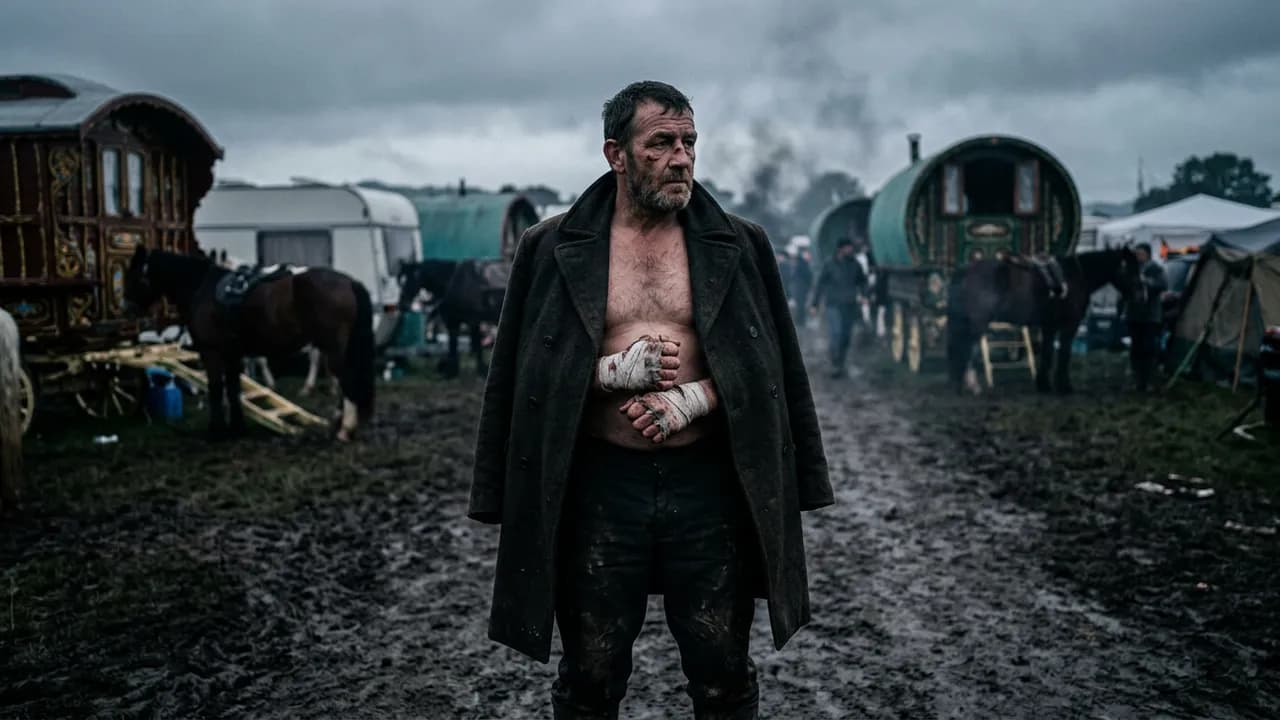
Mace came up through fairground booths rather than gymnasiums. Born in Beeston, Norfolk, he trained as a sawyer and played the violin before fighting for money, and the fiddle stayed with him for the rest of his life. He was widely known as "The Gypsy," though, as his Wikipedia entry notes, he denied Romani ancestry in his own autobiography. His heritage remains disputed.
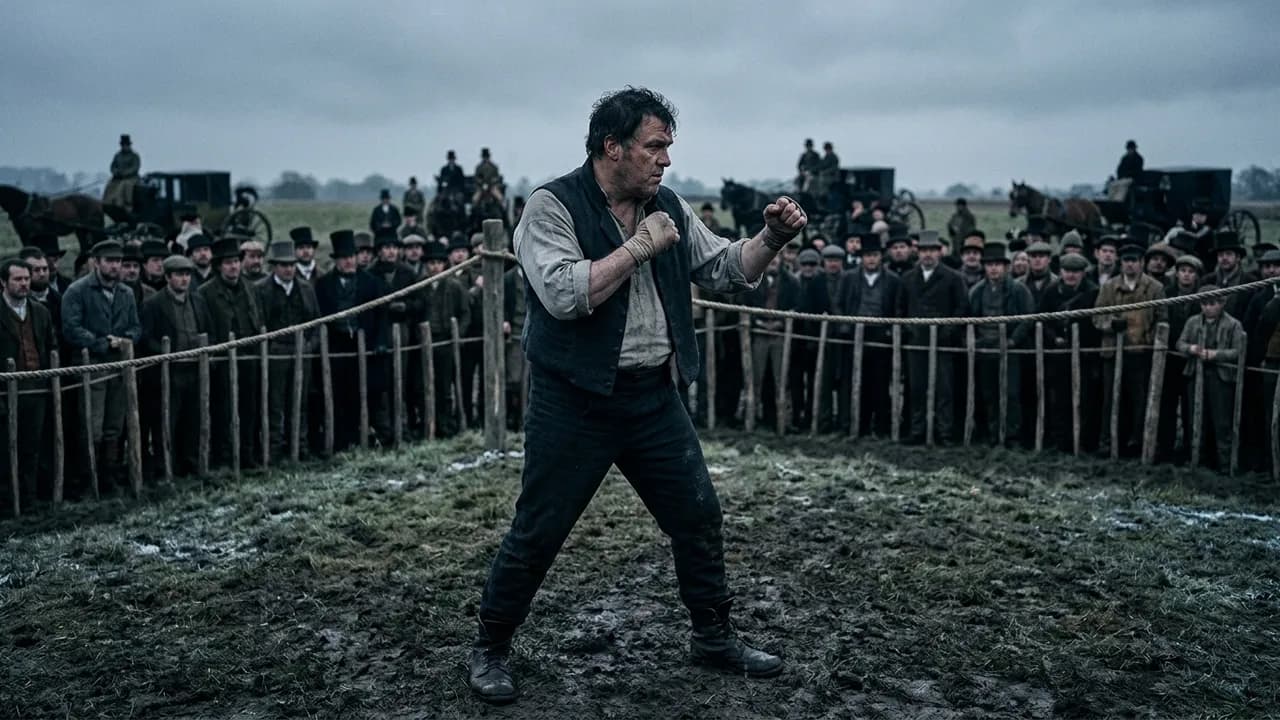
What set him apart from the prizefighters around him was method. The London Prize Ring of the 1850s and 1860s rewarded size, stamina and the ability to absorb punishment across dozens of bare-knuckle rounds. Mace, lighter than most heavyweights he faced, built his reputation on distance, footwork and counter-hitting. Contemporary writers called him among the most scientific boxers of the age, and the heavyweight champion James J. Corbett later credited him as "the man to whom we owe the changes that have elevated the sport."
Career
Championship reign
Mace first won the English middleweight championship on 20 September 1860, beating Bob Brettle in roughly five rounds at Yantlet Creek under London Prize Ring rules. He moved up and took the English heavyweight title in 1861 after defeating Sam Hurst.
His title run was not unbroken. In a defence against Tom King on 28 January 1862, fought before a crowd of around 400 in cold rain, Mace came back from heavy early damage to win in the closing rounds. King reversed the result in a rematch later that year, and the two men's record against each other is one reason the heavyweight lineage of the period is read differently by different historians. Mace continued to fight through the decade, beating Joe Goss more than once and remaining the central figure in English prizefighting as the bare-knuckle game itself was being driven underground by the law.
Specific bout counts and dates from this era should be treated with care. Nineteenth-century prizefight records were compiled from newspaper reports and partisan accounts, and Mace's full ledger is variously reported across sources.
Going global
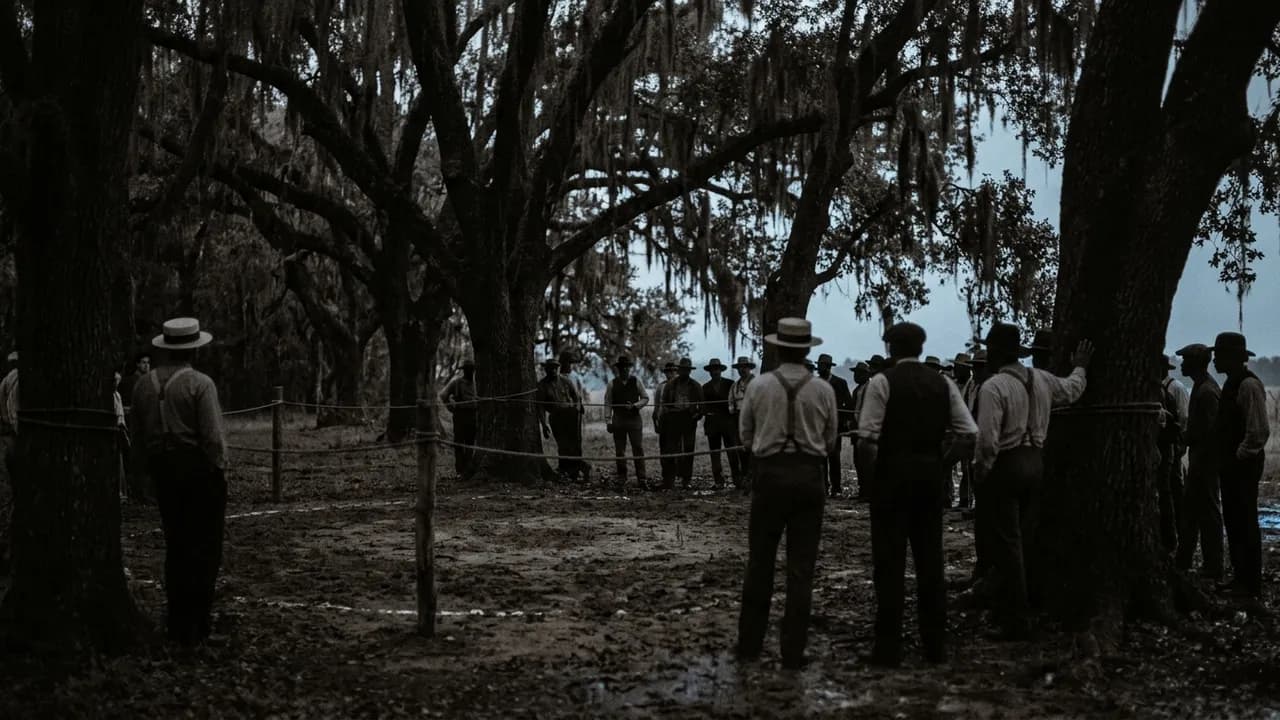
By 1869 Mace had crossed to the United States, and on 10 May 1870 he beat the English-born American fighter Tom Allen near New Orleans, Louisiana, in a bout lasting about ten rounds. Boxing historians now treat that win as the first recognised world heavyweight championship, though at the time it was often described as an American title as well. A 1871 meeting with Joe Coburn is generally recorded as a draw.
From there Mace kept moving. He toured Australia in the late 1870s, where he worked with and influenced the trainer Larry Foley, and visited New Zealand in the early 1880s. He later spent years in South Africa. In each place he fought, refereed, ran booths and put on exhibitions, and the lineage of boxers he trained or inspired reached into the gloved generation that followed him.
The gloved transition
Mace's lasting importance is that he straddled two eras. He had come up under bare-knuckle London Prize Ring rules, the same broad tradition that produced Tom Cribb decades earlier, but he actively promoted gloved contests fought under the Marquess of Queensberry rules: padded gloves, timed three-minute rounds, the ten-second count. His exhibitions abroad were as much demonstrations of a new way to box as they were paydays.
That same shift away from the bare-knuckle prize ring ran through to John L. Sullivan, who fought the last widely recognised bare-knuckle heavyweight title bout in 1889 before the gloved championship era took over. Mace stood at the front of that change rather than at the end of it.
Legacy
The "father of modern boxing" tag is broadly supported by what Mace actually did, not just by reputation. He demonstrated that footwork, the straight left and defensive skill could beat heavier, harder-hitting opponents, and he carried that template to three other continents while helping normalise gloves and Queensberry-style rules. The International Boxing Hall of Fame inducted him in 1990, and he is also recognised by boxing halls of fame in Australia and New Zealand.
His later life is a cautionary coda. Mace earned and lost a great deal of money, went bankrupt in 1894, and ended up busking with his violin on the streets of Jarrow and Liverpool, living on a small old-age pension. He died in 1910 and was buried in an unmarked grave at Anfield Cemetery; a headstone was finally placed in 2002. The contrast between his influence on the sport and the poverty of his final years is part of why his story still gets told.
Frequently Asked Questions
Was Jem Mace really the first world heavyweight champion? Boxing historians generally count his 1870 win over Tom Allen as the first world heavyweight title. At the time it was also described as an American championship, so the claim depends on how the lineage is read.
Why is he called the father of modern boxing? He fought and taught a skill-based, footwork-driven style rather than the brawling common in the prize ring, and he promoted gloved contests under Queensberry rules across several countries.
Was Jem Mace actually Romani? He was nicknamed "The Gypsy," but he denied Romani ancestry in his autobiography. His heritage is disputed.
External Links
- Jem Mace — Wikipedia
- Jem Mace — International Boxing Hall of Fame
- James Mace — Encyclopaedia Britannica
- Jem Mace — New Zealand Boxing Hall of Fame
Related Content on UNSANCTIONED FIGHTS
- Tom Cribb — an earlier English bare-knuckle champion from the prize-ring tradition Mace was raised in.
- John L. Sullivan — the last bare-knuckle heavyweight champion, who fought as the gloved era Mace promoted took hold.
- Bobby Gunn — a modern bare-knuckle fighter who traces his lineage to the old prize-ring craft.
- Bartley Gorman — the bare-fist "King of the Gypsies," a later figure in unsanctioned fighting's Romani thread.
- Lenny McLean — an unlicensed brawler whose fame shows how far the sport drifted from Mace's scientific ideal.