Lenny McLean (1949-1998) was an English unlicensed boxer from London's East End who built a reputation as the country's best-known underground fighter under the nickname "The Guv'nor." His most reliably documented achievement is winning two of three bouts in a feud with Roy Shaw. His autobiography claimed he fought thousands of times and was never beaten, a figure that cannot be verified and that his own relatives have disputed.
Quick Facts
| Detail | Info |
|---|---|
| Full Name | Leonard John McLean |
| Ring Name | "The Guv'nor," "King of the Cobbles" |
| Born | 9 April 1949, Hoxton, East London |
| Died | 28 July 1998, Bexley, London (lung cancer) |
| Height / Prime Weight | 6 ft 3 in (191 cm) / over 20 stone (130 kg) |
| Discipline | Unlicensed boxing |
| Documented record | Largely unverifiable; relatives dispute his claimed totals |
| Defining rivalry | Trilogy with Roy Shaw (McLean won 2 of 3) |
| Autobiography | The Guv'nor (1998), with Peter Gerrard |
| Acting | "Barry the Baptist," Lock, Stock and Two Smoking Barrels (1998) |
Overview
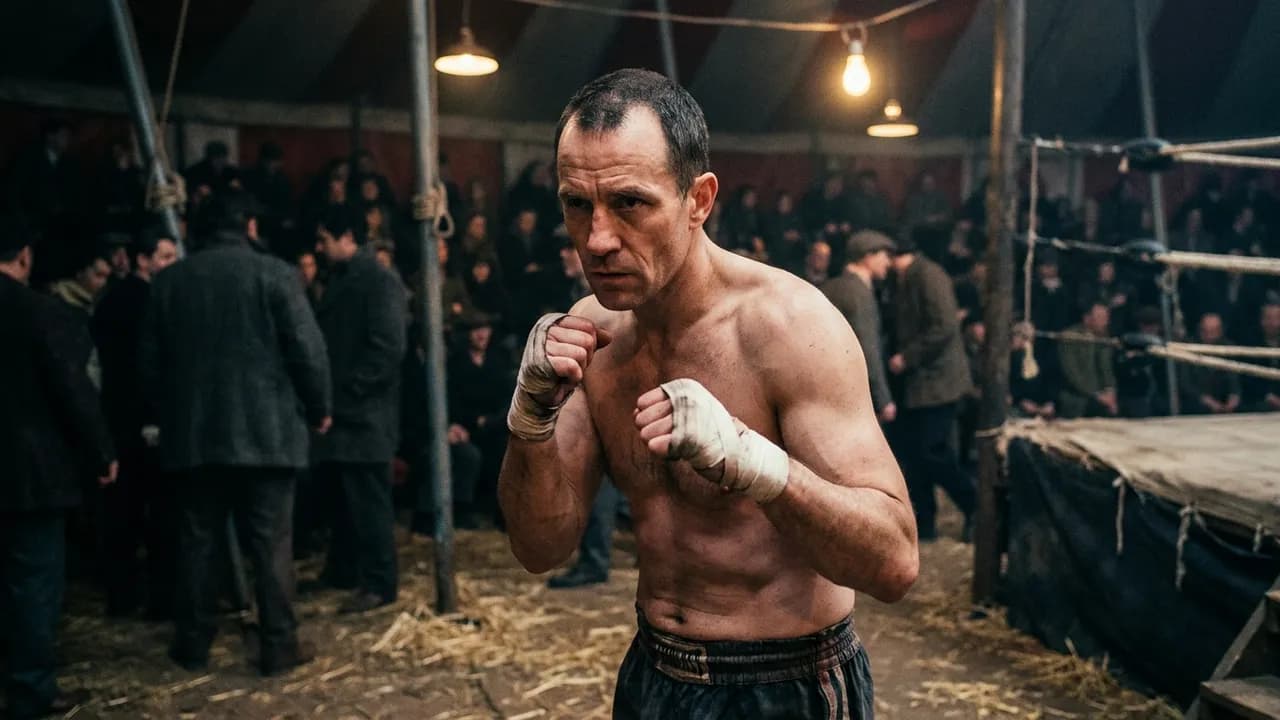
McLean operated in a corner of British combat sport that left almost no paper trail. Unlicensed boxing in 1970s London happened in nightclub function rooms and theatres, outside the British Boxing Board of Control, often with gloves but with rules that referees struggled to enforce. Headbutts, punches to downed opponents, and brawling were common. Because these bouts were unsanctioned, no governing body recorded results, which is why so much of what is known about McLean comes from his own telling.
That gap between record and reputation is the central problem in writing about him. In his autobiography he stated he had been involved in somewhere between 2,000 and 3,000 fights and was never beaten. No independent source supports those numbers. His cousin, the boxing promoter Frank Warren, later put McLean's competitive tally far lower, telling interviewers he had roughly 15 fights and lost several of them. The truth almost certainly sits somewhere short of the legend McLean and the books built around it.
What is not in dispute is his physical presence and his standing in the East End. A bouncer and minder by trade, McLean stood 6 ft 3 in and weighed more than 20 stone in his prime. He was widely described in the unlicensed scene as the unofficial heavyweight of that world, a status earned in venues rather than on any sanctioned ledger.
Career
The Unlicensed Scene
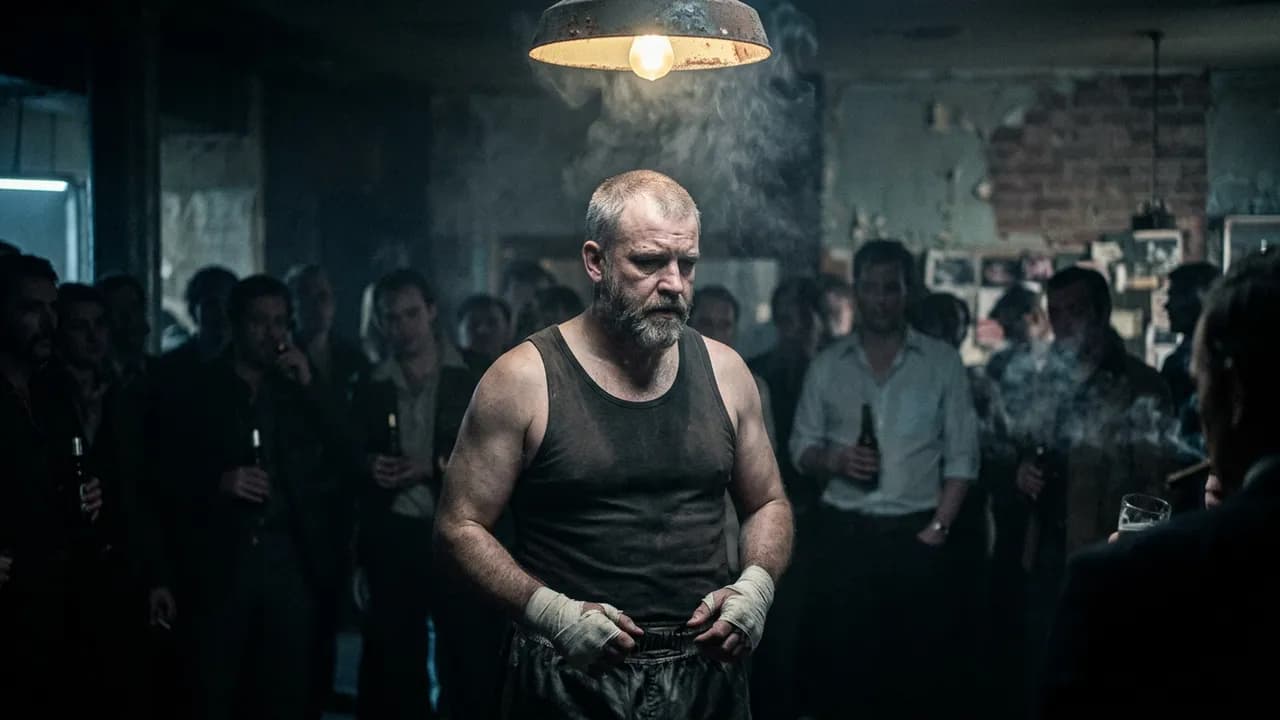
McLean came up through London's door work and underground bouts from the late 1960s into the 1980s. The fighters in this world were typically men barred from the licensed sport, often because of criminal records, who fought for side stakes and gate money in front of paying crowds. McLean's name carried weight in that circuit, though precise records of opponents, dates, and outcomes were rarely kept and cannot now be reconstructed with confidence.
His connections ran into London's organised-crime folklore. He co-owned a pub with Charlie Kray, elder brother of the Kray twins, which placed him in the same East End milieu that produced much of the city's gangland mythology. These associations later helped market the McLean story to a true-crime readership, but they should be read as context rather than as evidence of his fight record.
The Roy Shaw Trilogy
The clearest line in McLean's career is his rivalry with fellow unlicensed fighter Roy Shaw, the one part of his story that multiple sources document in similar terms. The two men fought three times in the late 1970s.
In the first bout, generally dated to 1977, Shaw won. McLean disputed the result, claiming his gloves had been tampered with, but the loss stands in most accounts. The rematch, reported at Cinatra's nightclub in Croydon in 1978, went to McLean, who overwhelmed Shaw early and knocked him out of the ring. The decisive third fight took place at the Rainbow Theatre in Finsbury Park, North London, in September 1978, and McLean won again, taking the series 2-1.
That trilogy, more than any single claimed number, is the foundation of McLean's standing. It is also a useful reminder of how the rest of his career should be read: where rivals, venues, and crowds existed to corroborate an event, the account holds up. Where only McLean's word survives, it should be treated as testimony, not record.
Legacy
McLean's reputation outgrew his fighting in his final years. His autobiography, The Guv'nor, written with Peter Gerrard, was published in August 1998, weeks after his death. It started with a modest print run and became a bestseller, cementing the persona for a mass audience that never saw him fight.
He also reached the screen. McLean played the enforcer "Barry the Baptist" in Guy Ritchie's Lock, Stock and Two Smoking Barrels (1998), a role that introduced him to viewers who knew nothing of the unlicensed circuit. He died of lung cancer, which had spread to his brain, before the film's release.
In 2016 his son Jamie McLean fronted a documentary, also titled The Guv'nor, directed by Paul Van Carter, which revisited the legend and the questions around it. McLean sits alongside other figures whose fighting lived mostly outside official records, from bare-knuckle traveller champions like Bartley Gorman and Paddy Doherty to the underground bare-knuckle lineage carried into the modern era by Bobby Gunn. In each case the challenge is the same: separating a documented bout from a story told well enough to be believed.
FAQ
Was Lenny McLean really unbeaten? No reliable evidence supports the claim that he was never beaten. He lost the first Roy Shaw fight, and his cousin Frank Warren has said McLean's competitive record was small and included losses. The "never beaten" framing comes from McLean's own account.
Did Lenny McLean beat Roy Shaw? Yes, on balance. The two fought three times in the late 1970s; Shaw won the first, McLean won the next two, giving McLean the series 2-1.
Was he a bare-knuckle fighter? McLean is best described as an unlicensed boxer. Many of his bouts used gloves but fell outside the British Boxing Board of Control, in a scene where rules were loosely enforced.
External Links
- Lenny McLean — Wikipedia
- The Guv'nor: The Autobiography of Lenny McLean (Amazon)
- Lenny McLean — IMDb
- Lock, Stock and Two Smoking Barrels — IMDb
Related Content on UNSANCTIONED FIGHTS
- Roy Shaw — McLean's defining rival across their three-fight feud.
- Bartley Gorman — bare-knuckle "King of the Gypsies" whose record lived outside official channels.
- Bobby Gunn — the underground bare-knuckle fighter who carried the unsanctioned tradition into the modern sanctioned era.
- Paddy Doherty — traveller bare-knuckle figure from a similar undocumented fighting world.