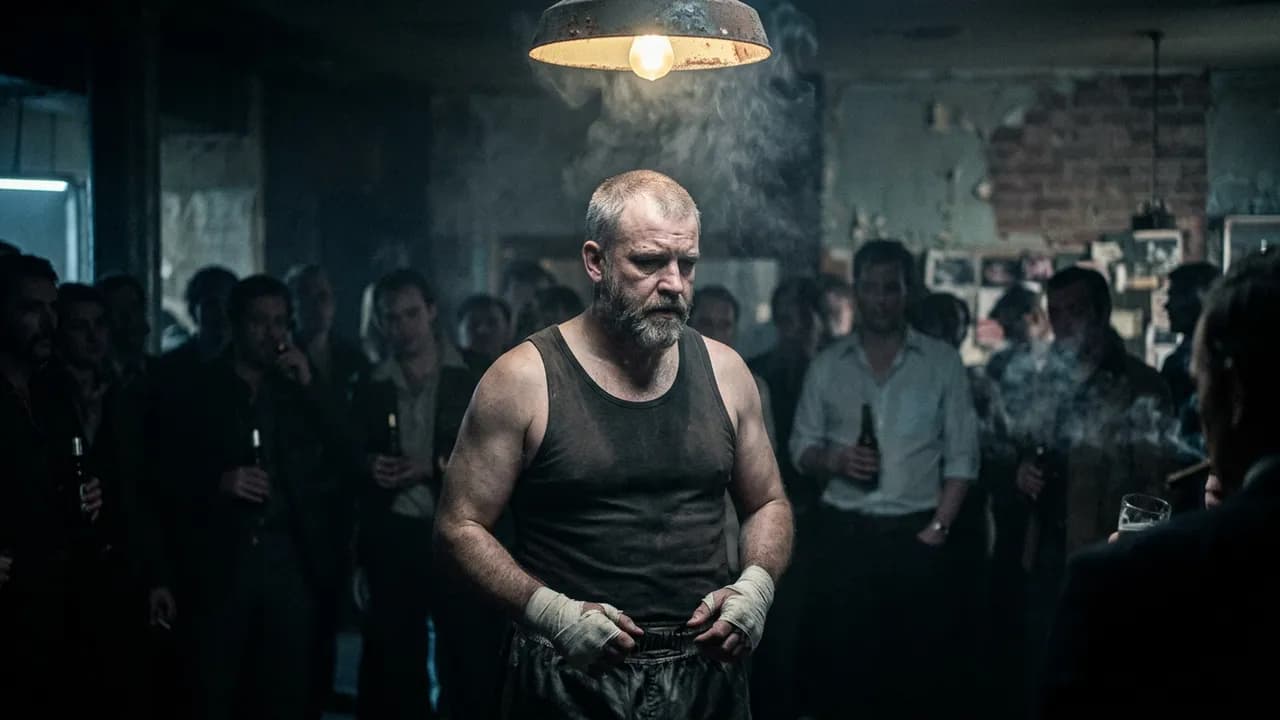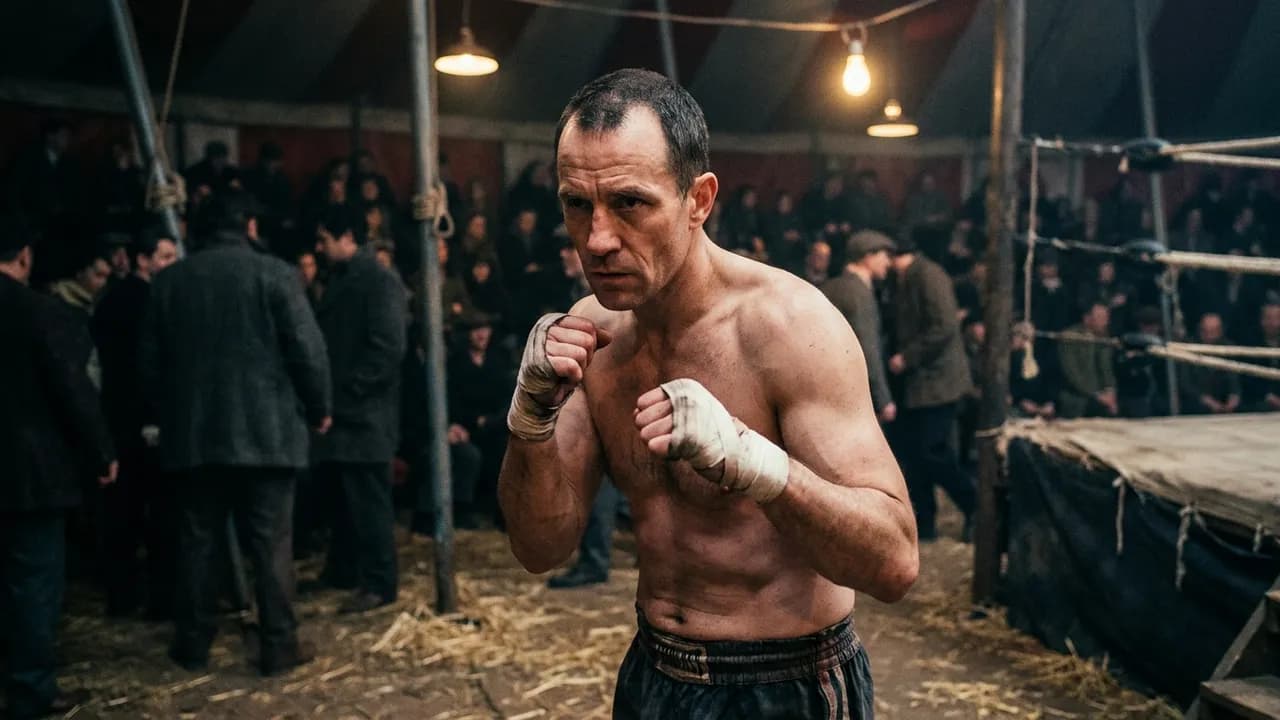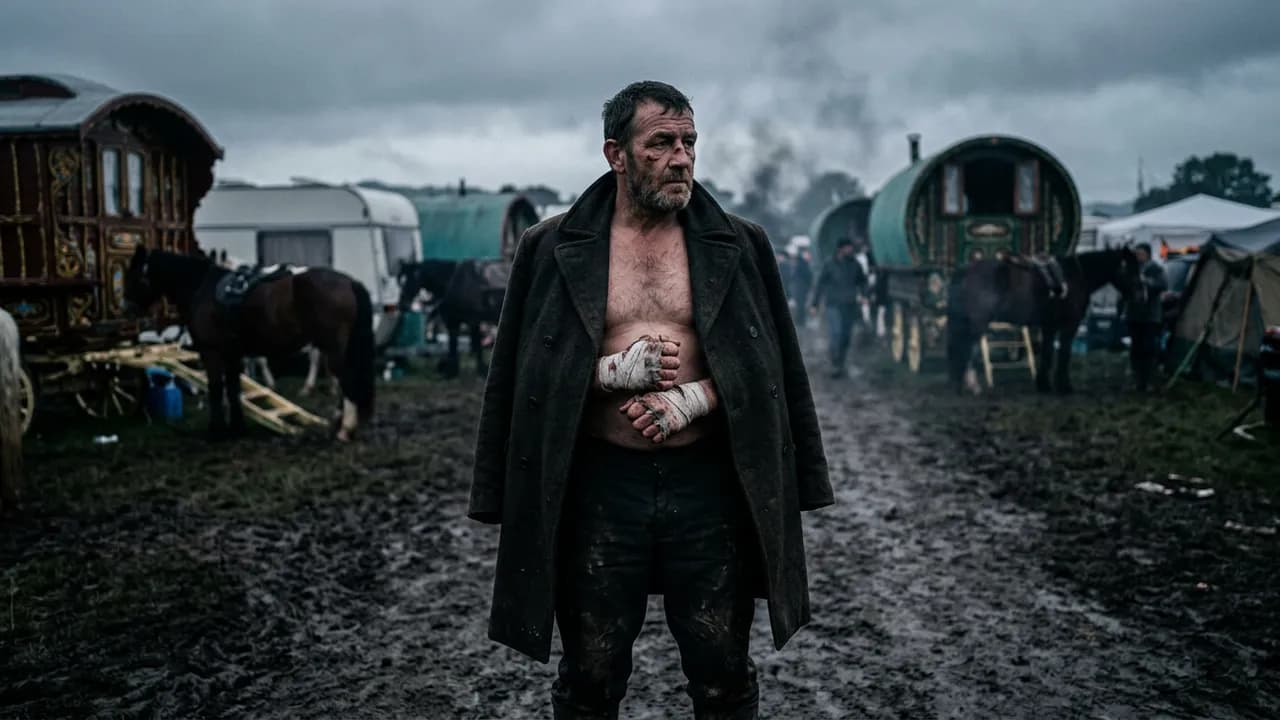
Bartley Gorman (1 March 1944 - 18 January 2002) was a British-born Traveller bare-knuckle fighter who called himself "King of the Gypsies" and claimed an undefeated reign of roughly two decades, from about 1972 until 1992. He fought outside any sanctioning body, at horse fairs, racecourses, campsites and quarries, which means most of what is known about his career comes from his own account in the memoir he completed shortly before his death. His record was never formally documented.
Quick Facts
| Field | Detail |
|---|---|
| Full name | Bartley Gorman V |
| Born | 1 March 1944, Giltbrook, Nottinghamshire, England |
| Died | 18 January 2002 (liver cancer) |
| Heritage | Traveller (commonly described as Irish Traveller / Romani descent) |
| Known as | "King of the Gypsies" |
| Discipline | Bare-knuckle fighting (unsanctioned) |
| Claimed reign | c. 1972-1992 (~20 years, by his own account) |
| Record | Never formally documented |
| Memoir | King of the Gypsies (with Peter Walsh, Milo Books) |
Overview
Gorman belonged to a fighting family. By his account and by most published profiles, his title passed down a male line that already included bare-knuckle men, and he carried the numeral V because he was the fifth Bartley Gorman in that lineage. He said he had his first fight at the age of 12.
His ethnicity is described slightly differently across sources. Wikipedia records him as of Irish Traveller descent, born in Giltbrook, Nottinghamshire, with a mother from Newry in County Down; other profiles add Welsh and Romani ancestry. What is consistent is that he came up inside Britain and Ireland's travelling community, where bare-knuckle fighting settled disputes and decided standing. The "King of the Gypsies" title he claimed was not a sporting championship in any regulated sense. It was a reputation, contested by challenge, and it carries the same caution that follows every fighter who has worn that label, from the old prizefighters down to modern claimants like Bobby Gunn.
The Legend vs. The Record
The central difficulty with Gorman is also what makes him compelling: there is no scorecard. He fought where no commission watched and no result was logged. The "20 years undefeated" line is repeated widely, including by his publisher, but it traces back to Gorman himself.
The claimed reign, 1972-1992
By his own telling, Gorman took the unofficial title of bare-knuckle champion of Great Britain and Ireland around 1972 or 1973 and held it until he stepped back in 1992. Published accounts name some of the men involved, including a quarry fight against a challenger named Jack Fletcher early in that run. None of these contests was sanctioned, timed, or independently scored, so the dates and outcomes rest on memory and oral history rather than verified results.
The fights nobody filed
Gorman described fighting in conditions far removed from a boxing ring: down a mineshaft, in quarries, in pub car parks, on campsites, and at horse fairs and racecourses across Britain and Ireland. The venues often cited in connection with the travelling fight scene of his era include Doncaster, Uttoxeter, Epsom and Appleby. The absence of an organising body is the point of this kind of fighting and also the reason its history cannot be treated as a tidy ledger.
The 1976 ambush
The most frequently retold episode is from St Leger day at Doncaster in 1976, where Gorman said he arrived expecting a fight and was instead set upon by an armed mob. The figures attached to the story, a group of roughly two dozen men and a sum near £25,000 said to have been paid for the attack, come from Gorman's own account and were not established by any independent record. He survived it. The story should be read as his testimony rather than a documented event.
The Ali claim
Several profiles repeat that Gorman once sparred with Muhammad Ali, whom he admired and tried to model himself on. This is widely circulated but not independently confirmed, and it sits in the same category as much of his career: plausible, often repeated, never verified.
Career End and Death
Gorman said his final fight, around 1992, was a draw against an opponent recorded in various accounts as Graeme O'Laughlan (also given as Kennedy). After that he stepped away from fighting. He was building a house in Uttoxeter when he was diagnosed with liver cancer, and he died on 18 January 2002, before the house was finished. His memoir, King of the Gypsies, written with crime author Peter Walsh and published by Milo Books, was completed shortly before he died and remains the primary source for nearly everything attributed to him.
Legacy
Gorman's importance is cultural more than statistical. He gave the underground travelling fight tradition a single recognisable figure and a book that put its rules, codes and venues on the page, which is rare for a practice that survives almost entirely by word of mouth. His name is now a reference point whenever the "King of the Gypsies" title is claimed again.
He also reached well outside the fight world. His voice was cited by actor Tom Hardy as one inspiration for the accent of Bane in the 2012 film The Dark Knight Rises, which carried Gorman's manner of speaking to an audience that had never heard of bare-knuckle fighting. In the wider canon of British unlicensed and bare-knuckle hard men, he belongs alongside ring-and-cobbles figures such as Lenny McLean and Roy Shaw, though Gorman's world was the fair and the quarry rather than the unlicensed boxing show.
The honest summary is the one his own story invites. Gorman was a real, documented person who fought in a real and brutal tradition, and the scale of his reign is a claim, not a record.
FAQ
Was Bartley Gorman actually undefeated? That is his claim, repeated by his publisher and most profiles. Because his fights were unsanctioned and unrecorded, no independent source verifies an undefeated career. Treat the "20 years undefeated" figure as his account.
Was "King of the Gypsies" an official title? No. It was a reputation contested by challenge within the travelling community, not a championship recognised by any governing body.
Did he really spar Muhammad Ali? The story is widely repeated but not independently confirmed.