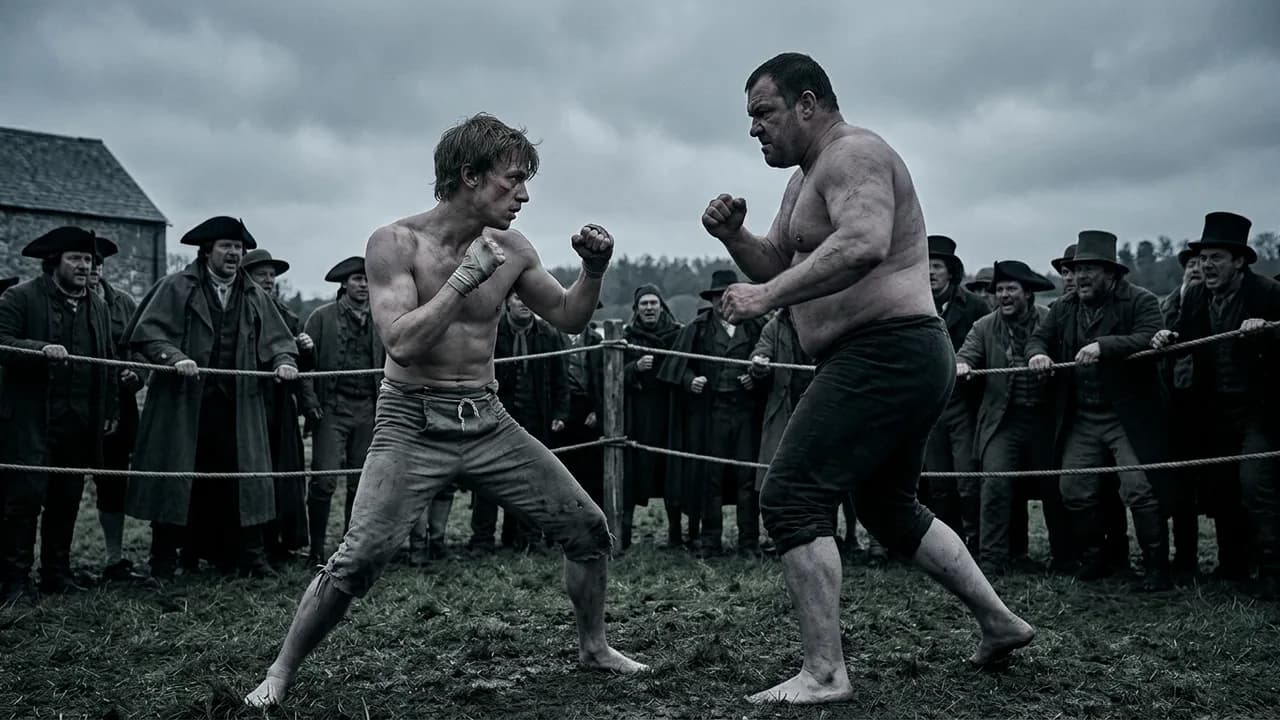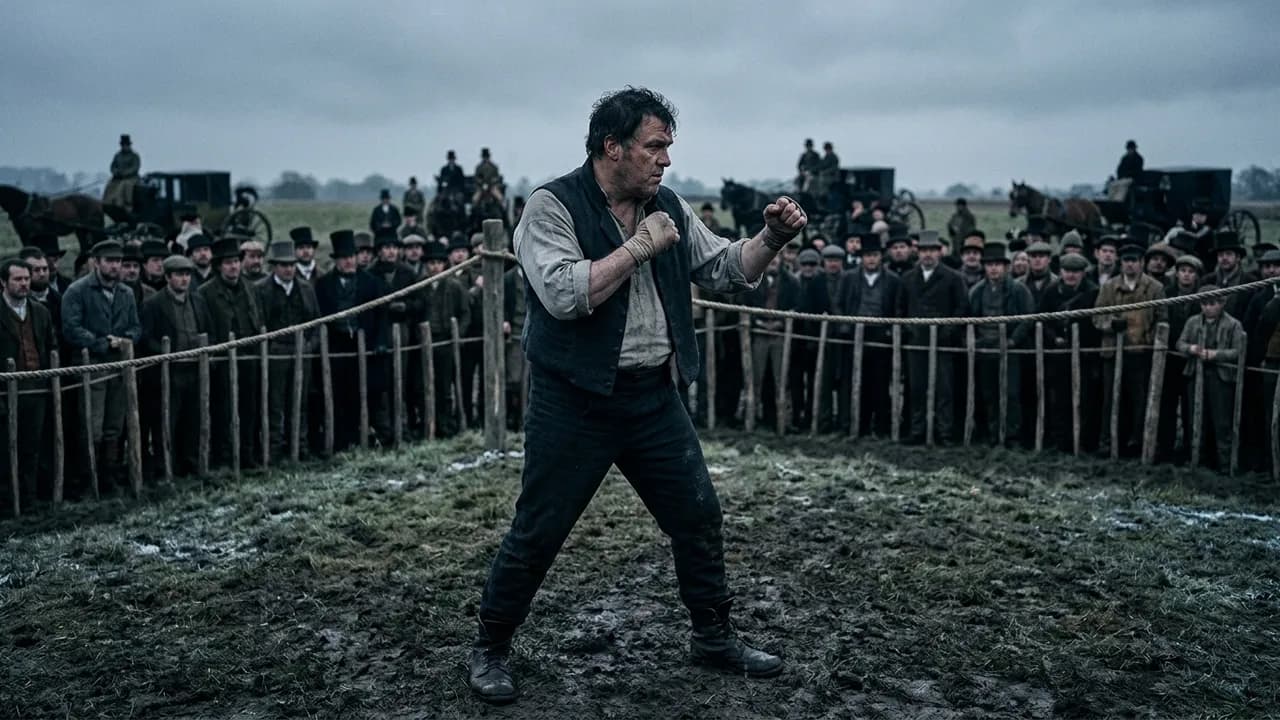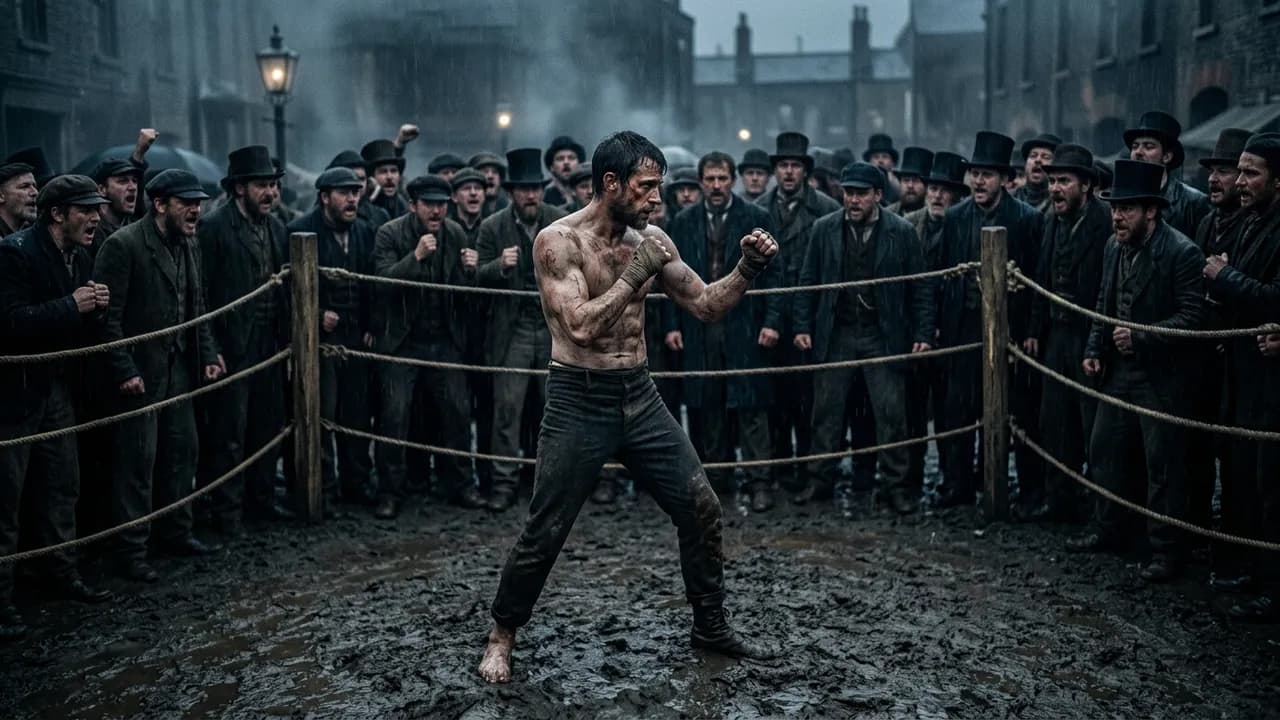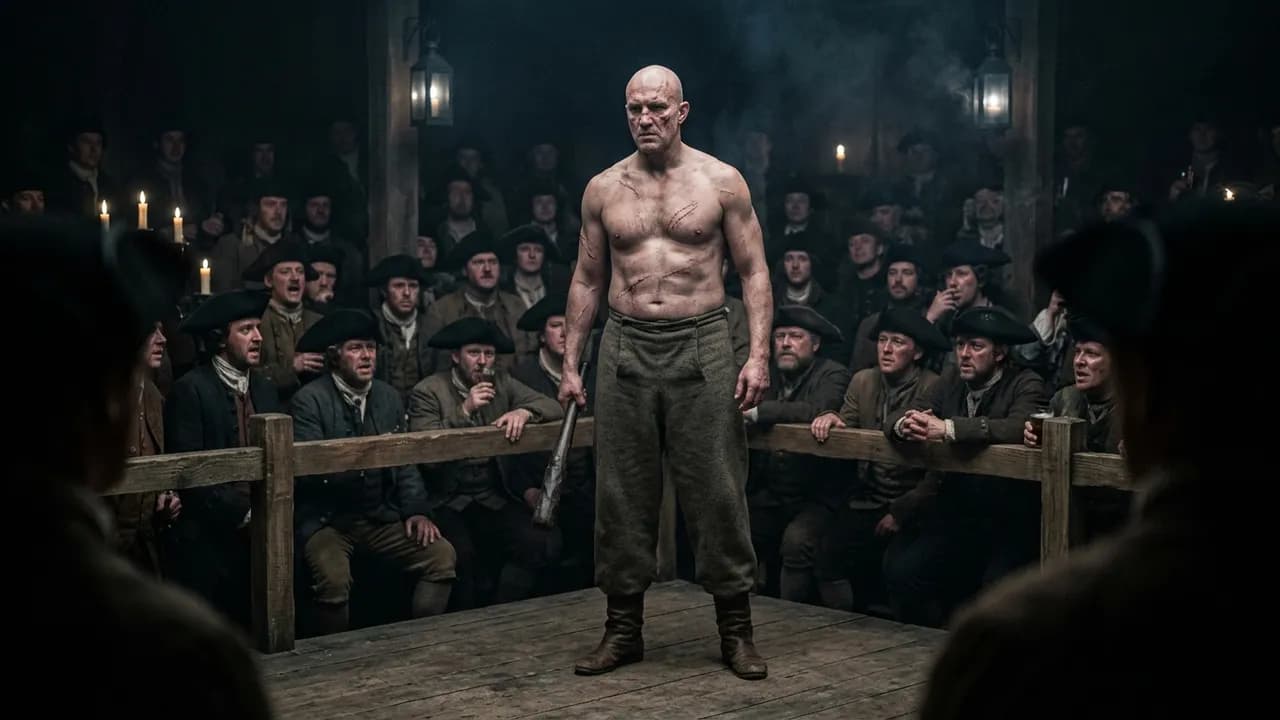
James Figg (around 1695-1734) was an English prizefighter, fencer and showman who is recognised as the first champion of bare-knuckle boxing. In 1719 he opened an amphitheatre and fighting academy in London where he taught boxing, fencing, the quarterstaff and cudgels, and staged contests before audiences of more than a thousand. He claimed to have won well over 200 matches, a figure that fits the legend better than the surviving record, and was posthumously enshrined as the sport's founding champion.
Quick Facts
| Field | Detail |
|---|---|
| Full name | James Figg (also spelled Fig) |
| Born | Around 1695 (sources range c.1684-1695), Thame, Oxfordshire, England |
| Died | 8 December 1734, London, England |
| Era | Earliest organised English prizefighting (pre-London Prize Ring) |
| Venue | Figg's Amphitheatre, Oxford Road, Marylebone (opened 1719) |
| Taught | Bare-knuckle boxing, fencing, quarterstaff, cudgels |
| Record claim | Said to have won more than 200 matches (unverifiable) |
| Patrons | Aristocracy and gentry; depicted by William Hogarth |
| Hall of fame | International Boxing Hall of Fame (1992); Bare Knuckle Boxing Hall of Fame (2010) |
Overview
James Figg sits at the very start of organised English fighting, which makes his record the hardest of any figure in this section to pin down. He was born in Thame in Oxfordshire in the 1690s, though even his birth year is disputed, with sources placing it anywhere from the mid-1680s to 1695. He came to London and made his name as a master of arms in the broad sense of the period: a man who could fight with fists, sword, cudgel and quarterstaff, and who could teach all of it.
What is documented is that in 1719 he opened an amphitheatre and fighting school on Oxford Road in Marylebone, near the City of Oxford tavern. The venue could seat more than a thousand people and became a fixture of London entertainment. It was less a sports arena in the modern sense than a combination of academy, theatre and prize-ground, where staged combats of several kinds were put on for a paying crowd that included the aristocracy. The artist William Hogarth, a friend, featured Figg in his work, which is part of why his image survives at all.
Career and the limits of the record
Figg's status as "first champion of England" is a retrospective title rather than something awarded in his lifetime. Boxing then had no governing body, no fixed rules and no formal championship lineage, so the claim is a judgement made by later historians about the leading fighter of the earliest organised era. On that basis it is widely accepted.
The numbers attached to him should be read with care. He is said to have won more than 200 matches, and one often-repeated claim has him fighting 271 contests without defeat. These figures cannot be verified, and there is at least one recorded loss in his career, to Ned Sutton, which sits awkwardly with the undefeated story. The honest position is that Figg was clearly the dominant fighting man of his time and place, and that the precise tally is legend rather than documented fact.
Some events around him are better attested. On 6 June 1727 he beat Sutton at his own amphitheatre before a crowd of around a thousand that reportedly included figures such as Prime Minister Robert Walpole and the satirist Jonathan Swift, an indication of how far the sport reached into fashionable society. Earlier, on 20 January 1725, he organised and promoted a contest billed as the first international boxing match of the modern era, with the Prince of Wales among the spectators. His pupils included early prizefighters as well as gentlemen who wanted to learn to defend themselves.
Legacy
Figg's importance is foundational rather than technical. He did not leave behind a system of boxing the way Daniel Mendoza later would. What he established was the idea of fighting as an organised, ticketed, taught and promoted activity, run from a permanent venue with a known champion at its head. Everything in the English prize ring that followed, from the Regency world of Tom Cribb and John Gully through to Jem Mace, grew out of the commercial and cultural space Figg helped open.
He died in London in 1734. His enshrinement came centuries later, in the International Boxing Hall of Fame and the Bare Knuckle Boxing Hall of Fame, both of which trace the lineage of the sport back to him. For the longer story of how the prize ring developed after his death, see the history of bare-knuckle boxing.
Frequently Asked Questions
Was James Figg really the first boxing champion? He is recognised as the first champion of English bare-knuckle boxing, but this is a title given by later historians rather than awarded in his lifetime, since the sport then had no governing body or formal championship.
Did Figg really win more than 200 fights undefeated? The figures of 200-plus wins and 271 undefeated contests are traditional claims that cannot be verified, and there is at least one recorded loss to Ned Sutton. He was clearly the leading fighter of his era, but the exact record is legend.
What did Figg teach at his amphitheatre? Bare-knuckle boxing alongside fencing, the quarterstaff and cudgels. His venue, opened in 1719, functioned as an academy, theatre and prize-ground combined.
External Links
- James Figg — Wikipedia
- James Figg — Encyclopaedia Britannica
- James Figg — International Boxing Hall of Fame
Related Content on UNSANCTIONED FIGHTS
- Daniel Mendoza — the Georgian fighter who turned the rough sport Figg founded into a science.
- Tom Cribb — a Regency champion in the prize-ring tradition Figg began.
- John Gully — a prizefighter who, like Figg, moved in fashionable and powerful company.
- Jem Mace — a later English champion who carried the bare-knuckle line toward modern boxing.