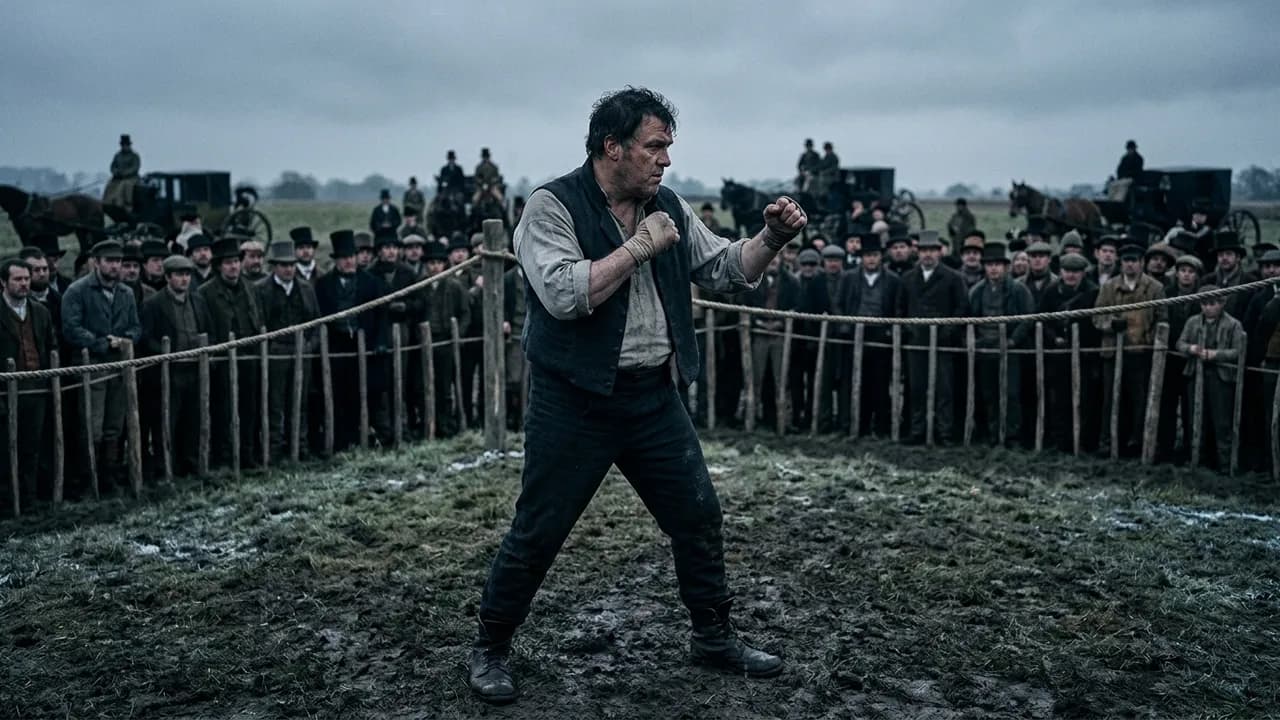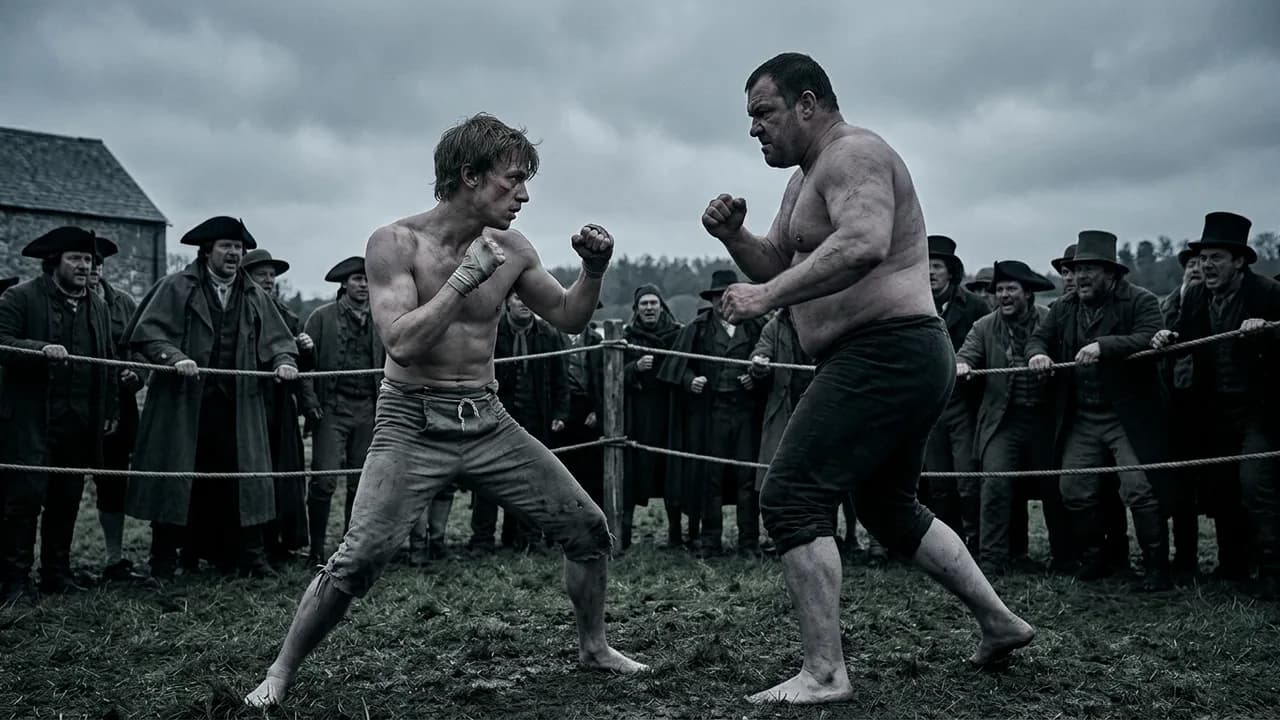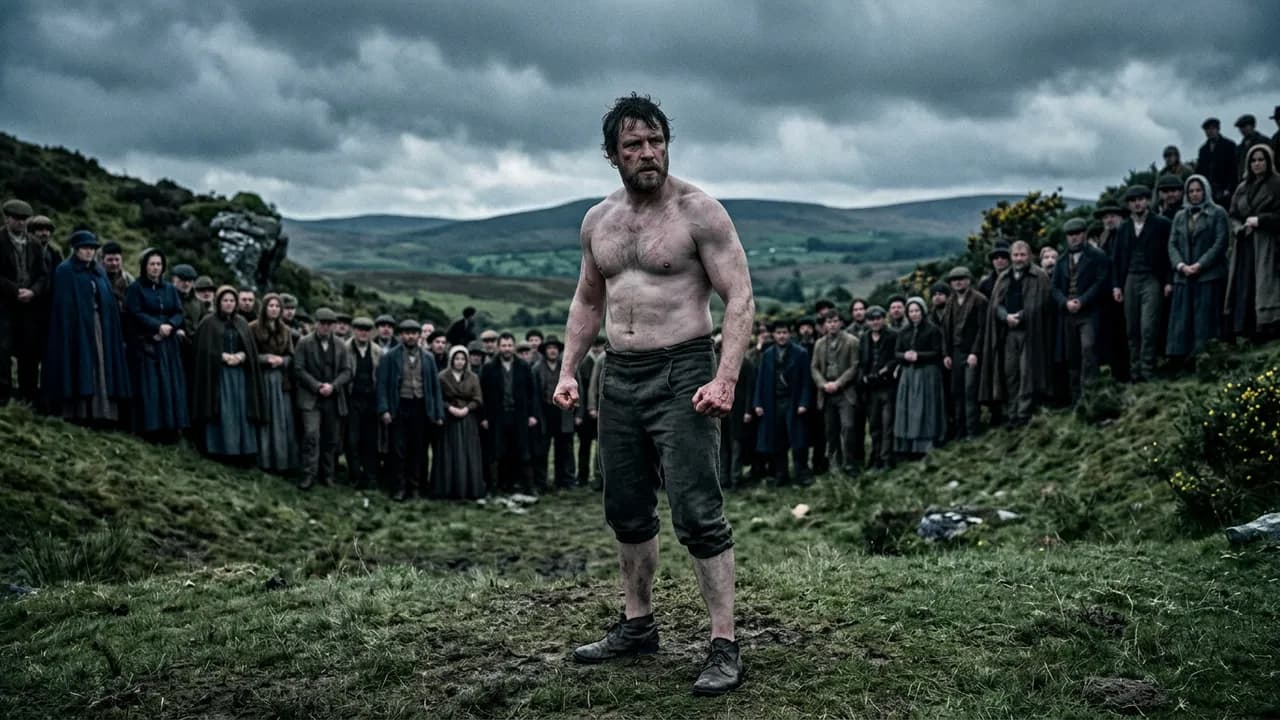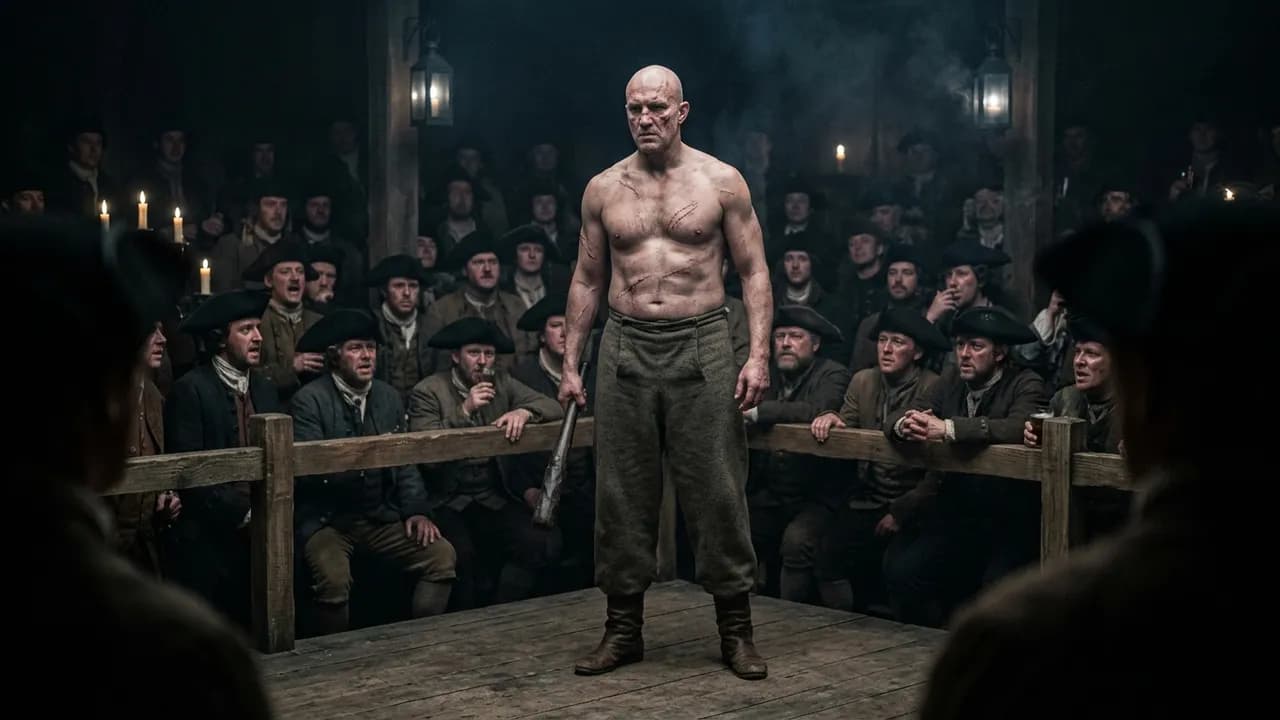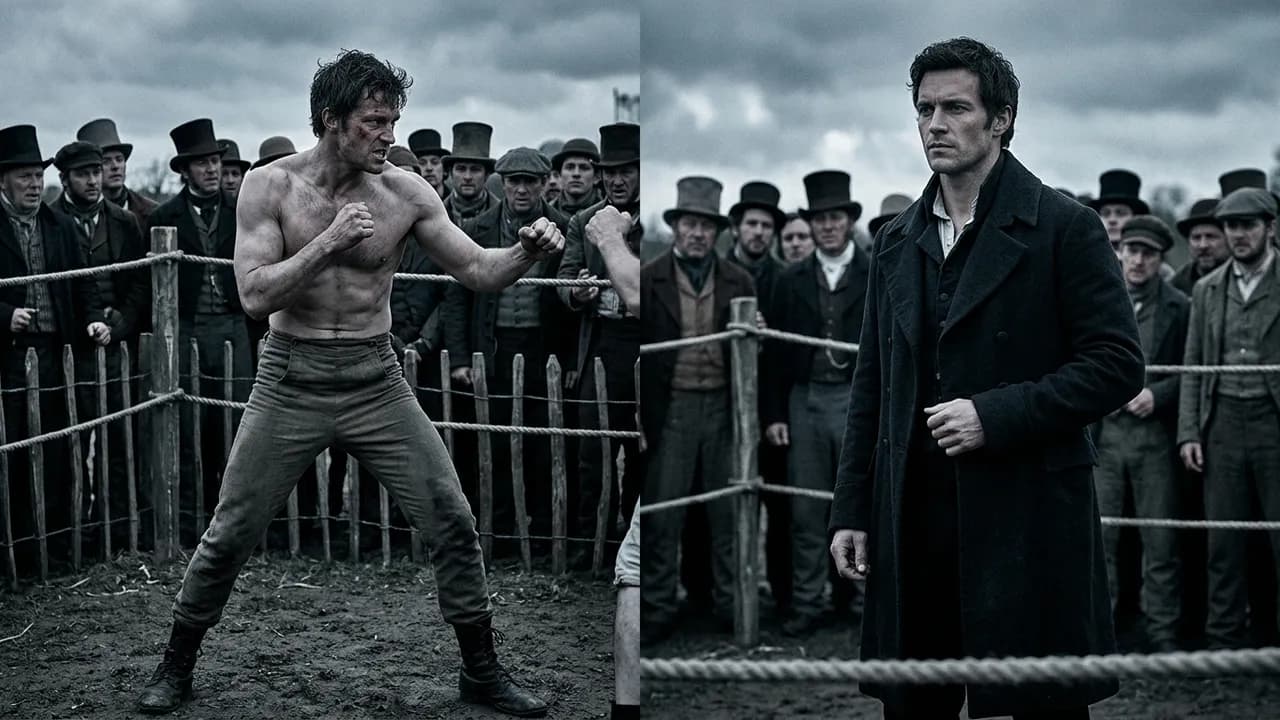
John Gully (1783-1863) was an English bare-knuckle prizefighter whose life ran one of the most unusual arcs in the sport. He went from a debtors' prison to the Championship of England, retired from the ring in 1808, and built a second career as a wealthy professional gambler, racehorse owner with classic wins to his name, and Member of Parliament for Pontefract. He is the clearest case of a Regency prizefighter using the ring as a route out of poverty and into respectable society.
Quick Facts
| Field | Detail |
|---|---|
| Full name | John Gully |
| Born | 21 August 1783, Wick, near Bath, Gloucestershire, England |
| Died | 9 March 1863 (aged 79), Durham, England |
| Era | London Prize Ring (bare-knuckle), Regency |
| Championship | Recognised Champion of England after Hen Pearce retired |
| Key fights | Hen Pearce (1805); Bob Gregson (twice, 1807-1808) |
| Retired | From the ring in 1808 |
| Later careers | Bookmaker, racehorse owner, Member of Parliament |
| Politics | MP for Pontefract, December 1832 to July 1837 |
| Family | Married twice; reportedly 24 children in total |
Overview
John Gully was born near Bath in 1783, the son of an innkeeper, and trained as a butcher. The business failed, and in 1805 he was imprisoned for debt. That low point became the start of his fighting career through one of the better-known stories in prize-ring history. His friend Henry Pearce, the champion known as "the Game Chicken," visited him in prison, and an informal bout between them led to Gully's debts being cleared and a formal match being arranged. Whether the prison sparring happened exactly as told is the kind of detail the period record cannot fully confirm, but the outline, debt, Pearce's visit, and a path out through fighting, is consistently reported.
Gully was a big, capable fighter rather than a stylist in the mould of Daniel Mendoza. His significance lies as much in what he did after boxing as in the ring itself.
Career
His first major contest was against Pearce on 8 October 1805. Gully lost, but accounts of the length and quality of the fight vary between sources, with the bout reported at anywhere from the high twenties to over sixty rounds and well over an hour. Whatever the exact count, he came out of a defeat with a greatly enhanced reputation, which says something about how the prize ring judged its men. When Pearce retired through ill health, Gully was recognised as his successor as Champion of England.
He defended and built that standing chiefly through two fights with Bob Gregson, a large and respected opponent, in 1807 and 1808, both reported as wins for Gully and contested for substantial stakes of around two hundred guineas a side. Having beaten the leading challenger of the day twice, Gully retired from the ring in 1808 while still champion. He had used boxing for exactly what he needed it for and then walked away from it.
Legacy
What makes Gully unusual is the life he built afterwards. He kept a public house, moved into professional betting, and became a racehorse owner of the first rank. His horses won English classics, including the Derby and the St Leger with St Giles in 1832 and a later Derby and Oaks double with Pyrrhus the First in 1846, along with other major races. The money and connections that came with racing carried him further still: in December 1832 he was elected Member of Parliament for Pontefract in the first reformed Parliament, sitting until 1837.
He married twice and is reported to have had twenty-four children across the two marriages. He died in Durham in 1863, aged 79, a wealthy man, a long way from the debtors' prison where his fighting career began. Some of the finer detail of his life rests on later sources rather than contemporary documentation, so a few specifics are best treated with mild caution, but the overall trajectory from prisoner to prizefighter to politician is well established.
Gully sits among the leading figures of the Regency prize ring, alongside Tom Cribb and the Irish hero Dan Donnelly, and in the tradition founded a century earlier by James Figg. The broader history of the sport that made his name is set out in the history of bare-knuckle boxing.
Frequently Asked Questions
How did John Gully get out of debtors' prison? According to the standard account, his friend Hen Pearce, the reigning champion, visited him in prison and an informal bout led to backers clearing Gully's debts and arranging a formal match. The broad story is well reported, though some detail cannot be confirmed from contemporary records.
Was John Gully really Champion of England? He is recognised as champion after Hen Pearce retired through ill health, and he defended that standing by beating Bob Gregson twice before retiring undefeated as champion in 1808.
What did John Gully do after boxing? He became a wealthy bookmaker and racehorse owner, winning English classic races including the Derby and St Leger, and served as Member of Parliament for Pontefract from 1832 to 1837.
External Links
- John Gully — Encyclopaedia Britannica
- John Gully — The Victorian Commons
- John Gully's rise to fame — History of Parliament
Related Content on UNSANCTIONED FIGHTS
- Tom Cribb — the Regency champion who fought in the same prize-ring world as Gully.
- Dan Donnelly — the Irish folk hero of the same era.
- Daniel Mendoza — the Georgian fighter whose science shaped the ring Gully entered.
- James Figg — the first recognised champion, who founded the tradition Gully topped.