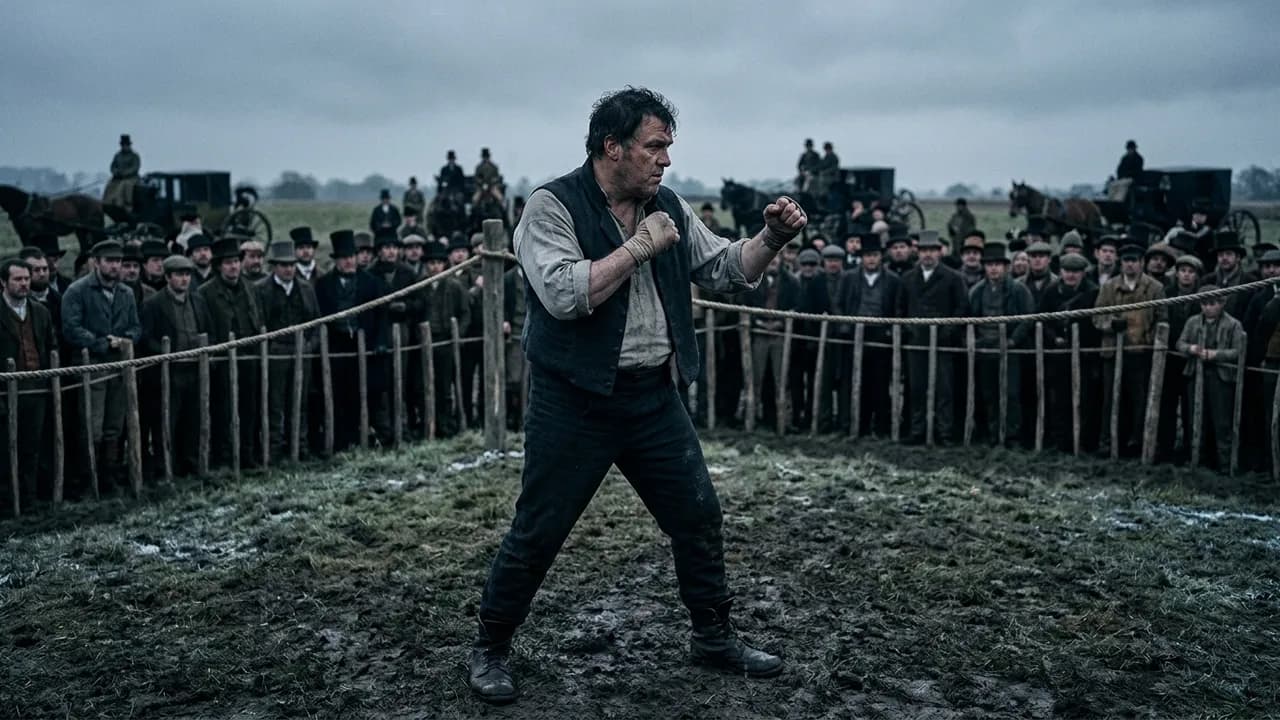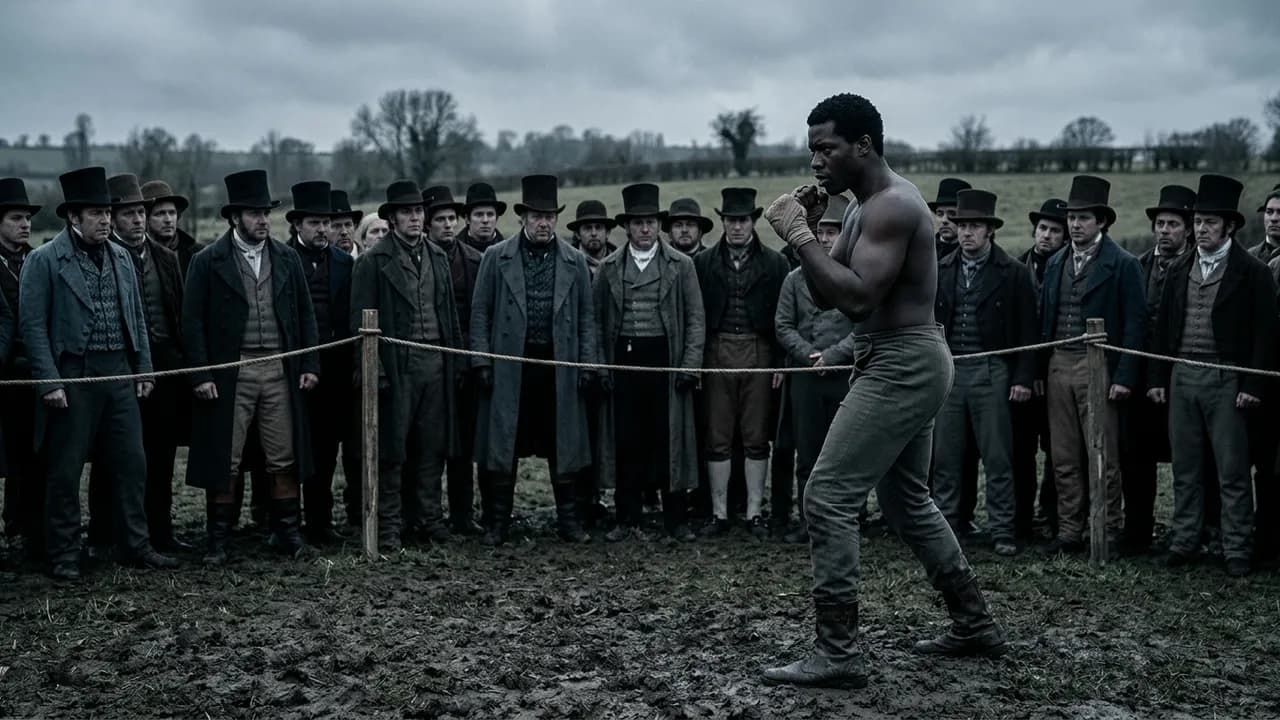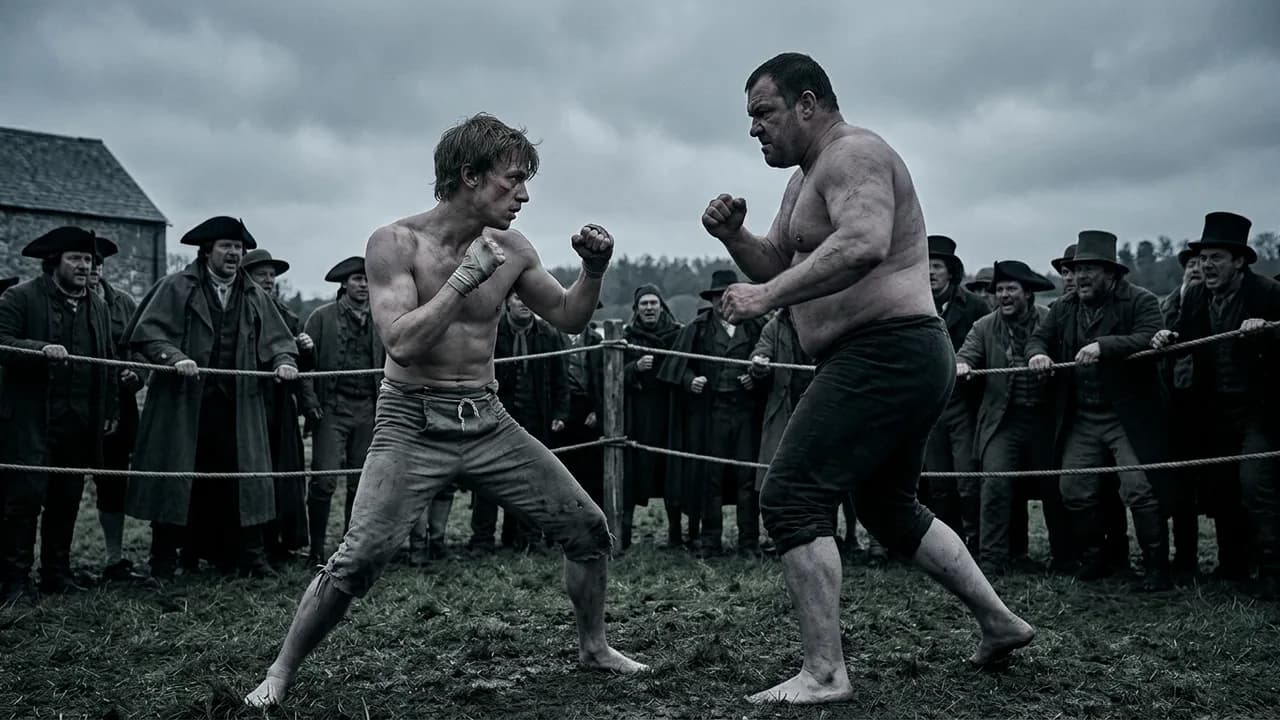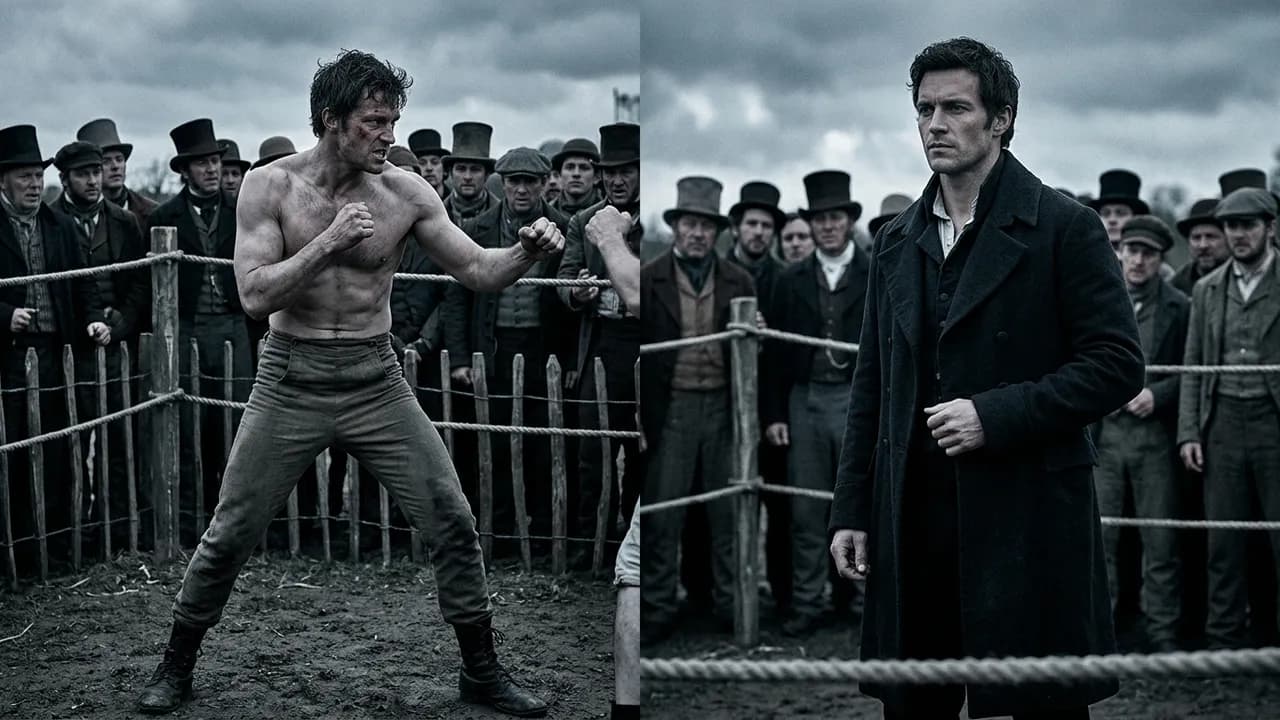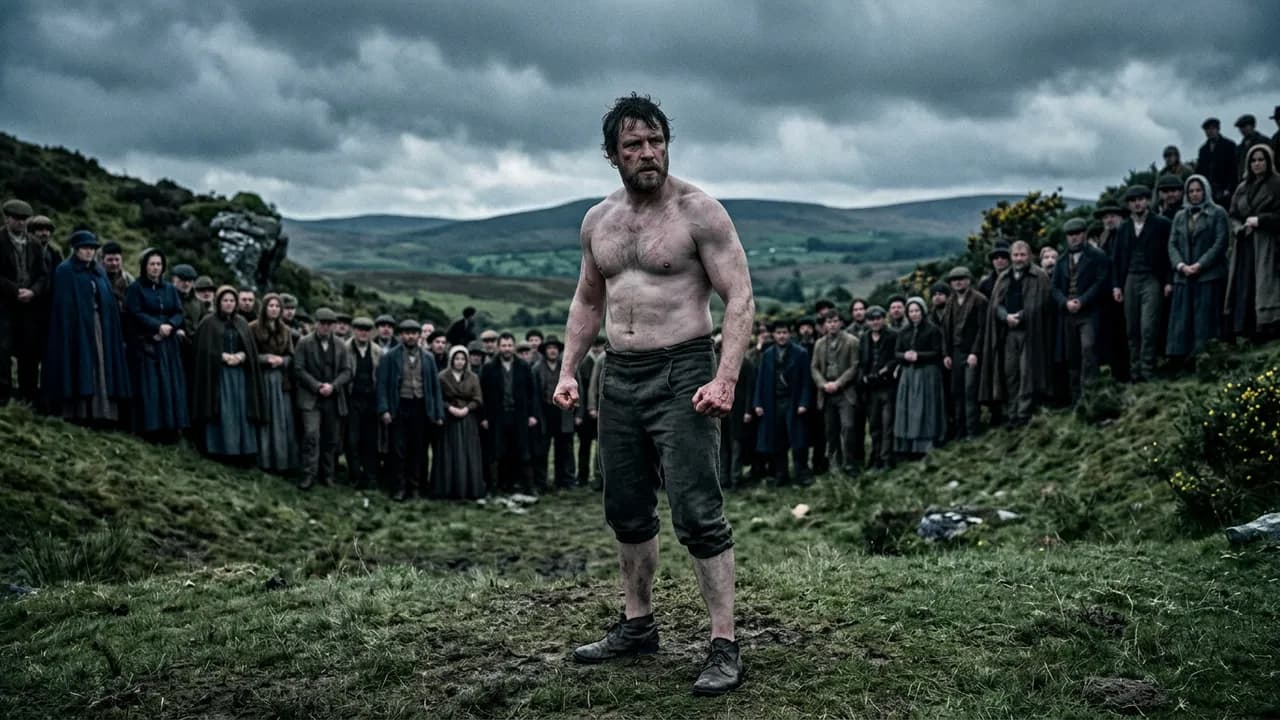
Dan Donnelly (1788-1820) was a Dublin-born bare-knuckle prizefighter who became Ireland's first national sporting hero. He won all three of his documented prizefights, the most famous being his 1815 victory over the English fighter George Cooper at the Curragh in County Kildare, at a hollow that has carried his name ever since. His fame outgrew the facts almost immediately, and several of the most repeated stories about him, including that he was knighted by the Prince Regent, have no surviving documentation.
Quick Facts
| Field | Detail |
|---|---|
| Full name | Daniel "Dan" Donnelly |
| Born | March 1788, Dublin, Ireland |
| Died | 18 February 1820 (aged 31), Dublin, Ireland |
| Size | About 6 ft, roughly 14 stone (around 90 kg) |
| Record | 3 documented bouts, 3 wins (undefeated as a prizefighter) |
| Era | London Prize Ring (bare-knuckle), Regency |
| Famous fight | Beat George Cooper, 13 November 1815, the Curragh |
| Site | Donnelly's Hollow, marked by an obelisk since 1888 |
| Later life | Publican in Dublin; known for heavy drinking |
Overview
Dan Donnelly was born in the Dublin docks in 1788, the eldest surviving son of a carpenter. He grew into a big man for the period, standing about six feet and weighing around fourteen stone, and he became a fighter with a reputation that ran well ahead of his actual record. Ireland in the early 1800s had no national sporting figure of its own to set against the English prize ring, and Donnelly filled that gap. The crowds that followed him were not only fight fans; they were a public that took his contests as Irish wins against English challengers.
His documented career is short. He fought only three recorded prizefights, and he won all of them, which is the basis for the "undefeated" label that follows his name. Because the era had no governing body and the press was partisan, the detail around these bouts varies between sources, and the figure of Donnelly that survives is a mix of fact and the storytelling that grew up around him.
Career
Donnelly's first major bout came on 14 September 1814 at the Curragh, against the English fighter Tom Hall. The contest was messy and ended in dispute: Hall refused to continue after a blow to the ear, claiming a foul, and Donnelly's supporters claimed the win. It was enough to make his name in Ireland.
The fight that fixed his legend came the following year. In late 1815 a stronger English boxer, George Cooper, travelled to Ireland to face him. Donnelly trained seriously, which was not always his habit, and the two met at the Curragh on 13 November 1815 before a very large crowd, with contemporary estimates running into the tens of thousands. Donnelly produced the best performance of his career, wearing Cooper down and finishing him in the eleventh round with a heavy right hand that broke the Englishman's jaw, taking a purse reported at around £60. The natural amphitheatre where it took place was renamed Donnelly's Hollow, and in 1888 an obelisk was raised there. A line of footprints preserved in the ground is traditionally said to mark Donnelly's walk from the ring, though that is folklore rather than fact.
Two of the most colourful claims about Donnelly do not stand up to scrutiny. The story that the Prince Regent knighted him, making him "Sir Dan," has no known documentation behind it and is treated as legend. The tale that he had unusually long arms, able to reach his knees, has been debunked; his arms were of normal length for his size. These embellishments are part of why he is interesting as a folk hero, but they should not be mistaken for record.
Legacy
Donnelly died young, on 18 February 1820, at the age of 31. By then he had run through several Dublin public houses without success and had a reputation as a gambler, womaniser and heavy drinker, and his early death is usually read in that light. His funeral drew enormous crowds.
What happened to his body afterwards is among the better-documented and stranger parts of his story. His grave was robbed, and his right arm was kept for anatomical study, preserved in red lead. Over the following two centuries that arm was exhibited in Scotland, shown in travelling Victorian circuses, and eventually displayed in the United States. The fate of the fighting arm became almost as much a part of the legend as the fights.
His real significance is as Ireland's first sporting celebrity, a figure around whom national feeling gathered at a time when there was little else to gather it. He belongs to the same Regency prize-ring world as Tom Cribb and Tom Molineaux, and to the broader tradition refined by Daniel Mendoza. The wider development of the sport he fought in is set out in the history of bare-knuckle boxing.
Frequently Asked Questions
Was Dan Donnelly really undefeated? He won all three of his documented prizefights, so within that record he was undefeated. His career was short, and one of the three results, against Tom Hall in 1814, ended in dispute rather than a clean finish.
Was Donnelly knighted by the Prince Regent? There is no known documentation to support the claim that he was knighted, despite it being a fixed part of his legend. It is treated as a story rather than a fact.
What is Donnelly's Hollow? It is the natural hollow at the Curragh in County Kildare where Donnelly beat George Cooper in 1815. It was renamed after him and marked with an obelisk in 1888, and remains a place of pilgrimage for his admirers.
External Links
- Dan Donnelly — Wikipedia
- Dan Donnelly — Dictionary of Irish Biography
- The severed arm of Dan Donnelly — Boxing News
Related Content on UNSANCTIONED FIGHTS
- Tom Cribb — the English champion at the top of the prize ring during Donnelly's career.
- Tom Molineaux — another outsider who fought for the highest honours of the Regency ring.
- Daniel Mendoza — the Georgian fighter who shaped the science of the sport Donnelly entered.
- John Gully — a prizefighter whose later life, like Donnelly's, ran far beyond the ring.