How Do You Join BKFC? Tryouts, Requirements & Process
BKFC (Bare Knuckle Fighting Championship) is the largest professional bare knuckle boxing promotion in the world. Founded by David Feldman in 2018 and now co-owned by Conor McGregor, BKFC is sanctioned by state athletic commissions across the United States and operates internationally. If you want to fight in BKFC, there is a process -- and it is more structured than most people expect.
This FAQ covers everything you need to know about joining BKFC as a fighter.
What are the basic requirements to fight in BKFC?
To be eligible to compete in BKFC, you must meet the following requirements:
- Professional combat sports experience. BKFC requires that all fighters have a documented professional record in boxing, MMA, kickboxing, or another recognized combat sport. This is not an amateur promotion -- you need a verifiable professional background.
- Age requirements. You must be at least 18 years old. Most state athletic commissions impose an upper age limit (typically 36-40), though exceptions are granted based on medical clearance and competitive record.
- Medical clearance. All fighters must pass pre-fight medical examinations mandated by the sanctioning state athletic commission. This typically includes blood work, brain imaging (CT or MRI), cardiac screening, and an ophthalmological exam.
- Licensing. You must obtain a fighter's license from the athletic commission in the state where the event takes place.
How do you apply to fight in BKFC?
The primary application process is through the BKFC website (bkfc.com). The steps are:
- Submit a fighter application on the BKFC website with your professional record, fighting background, and contact information.
- Include video footage of your fights -- BKFC's matchmaking team reviews your record and your actual fighting ability.
- Wait for a response from BKFC's matchmaking team. If your profile fits their needs, they will contact you to discuss potential bouts.
- Negotiate terms -- purse, opponent, and event date.
- Complete medical and licensing requirements through the applicable state athletic commission.
BKFC also scouts fighters actively. The promotion's matchmakers attend boxing and MMA events, review social media, and monitor the broader combat sports landscape for potential talent.
Does BKFC hold open tryouts?
Yes. BKFC has conducted open tryout events in various cities, giving fighters without established connections to the promotion an opportunity to demonstrate their skills. Tryouts typically involve:
- Shadow boxing and pad work to assess technique
- Controlled sparring rounds to evaluate fight IQ and composure
- Physical fitness testing
- Interviews with matchmaking staff
BKFC announces tryout locations and dates through its social media channels and website. These events are not guaranteed pathways to a contract -- they are auditions where the promotion evaluates whether you fit their roster needs.
Can you fight in BKFC without professional experience?
Generally, no. BKFC requires professional combat sports experience as a baseline. The promotion is sanctioned by state athletic commissions, which mandate that fighters demonstrate competency before being licensed to compete.
However, the definition of "professional experience" has some flexibility. Fighters with extensive amateur records, significant experience in organizations like Rough N Rowdy, or documented competition in other combat sports may be considered on a case-by-case basis. The key factor is whether the state athletic commission will license you -- without a license, you cannot fight on a BKFC card.
What is the difference between fighting in BKFC and underground organizations?
The gap is enormous:
- BKFC is a sanctioned, regulated, professional promotion. Fighters are paid guaranteed purses ranging from $2,000 to $500,000+. Events have ringside physicians, pre-fight medical screening, licensed referees, and insurance coverage.
- Underground organizations like Streetbeefs or KOTS are unsanctioned, unregulated, and typically do not pay fighters. There is no medical staff, no licensing, and no insurance.
Many fighters have used underground organizations as an informal development pathway before transitioning to sanctioned competition. ATrain (Alan Stephenson) built his skills at Streetbeefs before pursuing a professional MMA career. But the transition from underground to BKFC requires meeting all of BKFC's professional standards.
How much does BKFC pay fighters?
BKFC fighter pay varies widely based on experience and drawing power:
- Debut fighters: $2,000 - $5,000
- Mid-card fighters: $5,000 - $20,000
- Contenders: $20,000 - $75,000
- Champions: $75,000 - $250,000+
- Marquee stars: $250,000 - $500,000+
For a complete breakdown, see our BKFC fighter pay guide.
What fighting style works best in BKFC?
BKFC is bare knuckle boxing -- no kicks, no grappling, no elbows. The format rewards:
- Clean, accurate punching over volume -- bare knuckles break more easily than gloved fists, so precision matters
- Defensive skills -- without 10-ounce gloves to hide behind, head movement and footwork become critical
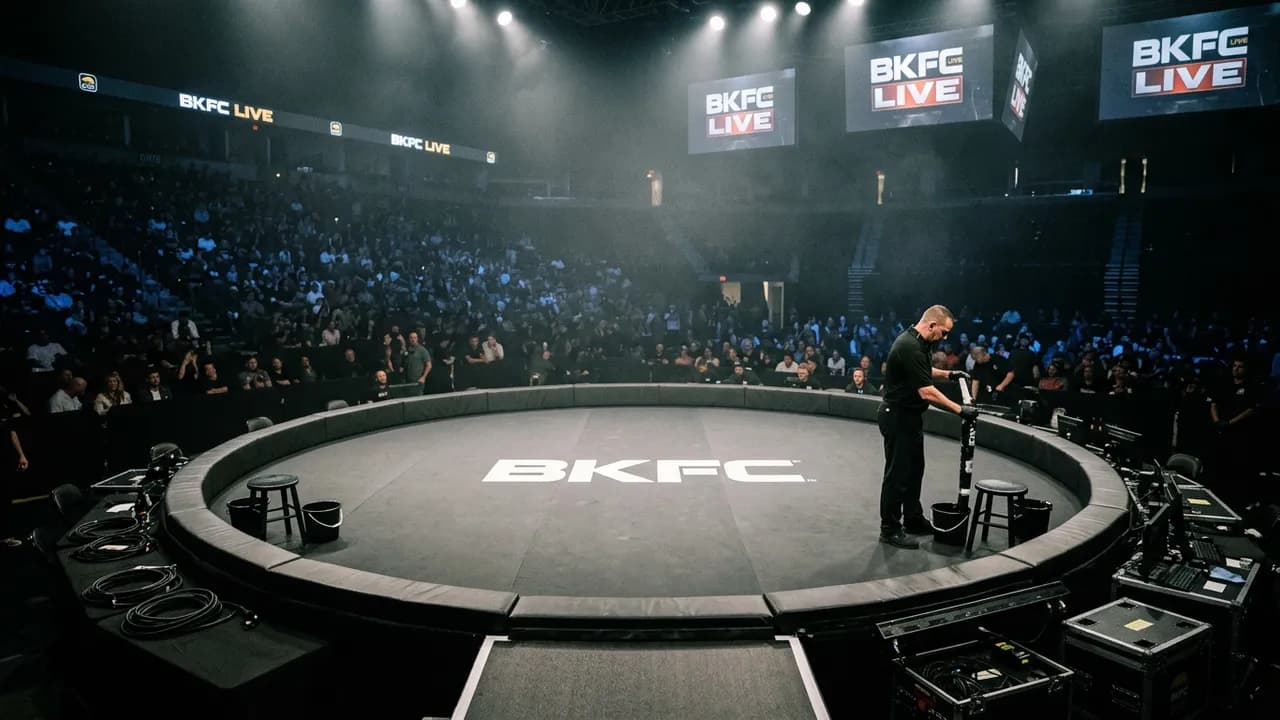
- Ring cutting and pressure -- BKFC uses a circular ring (the "Squared Circle"), which changes angles compared to traditional square rings
- Durability -- bare knuckle cuts and fractures are more common, and the ability to absorb damage is essential
Fighters with boxing backgrounds tend to transition most naturally, though MMA fighters with strong boxing fundamentals -- like Mike Perry and Chad Mendes -- have found significant success.
How do you prepare for a BKFC fight?
Preparing for a bare knuckle fight differs from standard boxing or MMA preparation in several key ways:
- Hand conditioning -- fighters must toughen their hands for striking without gloves. This involves heavy bag work without wraps, knuckle conditioning exercises, and gradual adaptation.
- Defensive adjustments -- without gloves to block with, fighters must rely more heavily on head movement, slipping, and footwork.
- Cutting awareness -- bare knuckle punches produce more cuts, so fighters train to fight through blood and maintain composure when cut.
- Shorter fight preparation -- BKFC bouts are typically five two-minute rounds, which is shorter than most boxing matches. Training emphasizes explosive output over pacing.
Where does BKFC hold events?
BKFC holds events across the United States and internationally. Common event locations include:
- United States: Florida, Mississippi, Wyoming, North Dakota, and other states where bare knuckle fighting is sanctioned
- United Kingdom: Through partnerships and expansion
- Thailand: BKFC previously operated a branch in Pattaya (BKFC Thailand/BKFC Asia, now defunct)
- Global expansion: BKFC has announced plans for events in additional countries as the sport grows
Events take place in professional venues -- arenas, convention centers, and casinos -- not in backyards or warehouses.
For more on BKFC fighter compensation, see our BKFC pay guide. For a comparison between BKFC and other combat sports, see our BKFC vs UFC FAQ.