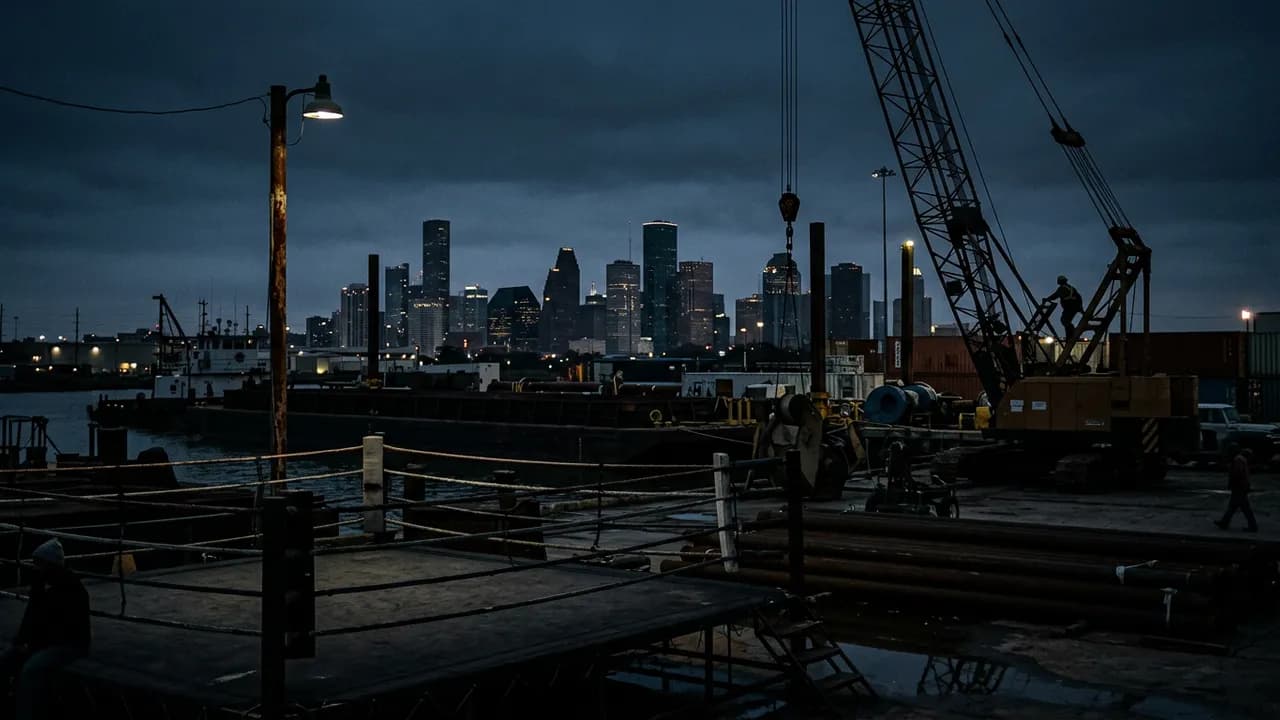
Houston is the largest city in Texas and the fourth largest in the United States. It is also one of the most ethnically diverse metropolitan areas in the country, with a massive Hispanic population that brings its own deep traditions of combat sports -- boxing, lucha libre, and the informal fighting culture of the US-Mexico border region. The result is a city where fighting is not a subculture but a fundamental part of the social fabric, running through neighborhoods from the Fifth Ward to the East End to the sprawling suburbs that stretch toward Galveston.
The underground fighting scene in Houston draws from these traditions and adds the raw energy of a city that has always valued toughness. Oil roughnecks, dockworkers, and the working-class communities that built Houston created a culture where physical strength was currency. That culture persists in the backyard fights, parking lot brawls, and informal boxing matches that play out across the metropolitan area every weekend.
History
Houston's boxing history runs deep. The city produced a succession of professional fighters throughout the twentieth century, many of them emerging from the historically Black neighborhoods of the Third and Fifth Wards. The amateur boxing programs that operated in community centers and churches served as pipelines for talent and as alternatives to the street violence that plagued these areas.
The Hispanic boxing tradition is equally significant. Houston's proximity to Mexico -- just a few hours' drive to the border -- means that Mexican boxing culture flows directly into the city. The great Mexican fighters are heroes in Houston's East End and in the colonias that dot the surrounding counties. Local gyms train fighters in the Mexican style -- body punching, relentless pressure, iron conditioning -- and produce competitors who fight on cards throughout Texas and across the border.
The modern underground scene emerged in the 2010s as social media provided a platform for documenting the informal fights that had always taken place in Houston's tougher neighborhoods. Instagram and YouTube accounts dedicated to Houston street fights accumulated massive followings. The rise of BKFC provided a more structured outlet, and the promotion has recognized Houston as a prime market for bare knuckle events.
Organizations
BKFC in Houston
BKFC has staged events in the Houston area and has drawn heavily from the city's deep pool of boxing talent. Houston fighters bring the kind of toughness and technical skill that bare knuckle demands -- they know how to punch, they know how to take a punch, and they come from a culture where backing down is not an option. The promotion's continued expansion makes Houston a natural hub for future events.
The Backyard Scene
Houston's backyard fighting scene is sprawling and decentralized. In the barrios of the East End, informal boxing matches settle neighborhood disputes and provide entertainment. In the Black neighborhoods of the south and east sides, backyard brawls draw crowds of hundreds and are documented for social media distribution. The formats range from gloved boxing to bare knuckle to open rules that approximate street fighting.
The connection to Streetbeefs is cultural rather than organizational. Houston fighters and organizers watched the Virginia-based promotion's content and adapted elements of the format to local conditions. The result is a Texas variant that tends to be rawer and less structured than the Streetbeefs model, reflecting the scale and intensity of Houston's fighting culture.
Gym Infrastructure
Houston's combat sports gym infrastructure is extensive. The city is home to dozens of boxing gyms, MMA facilities, and martial arts schools. Many of these gyms serve dual purposes -- training fighters for sanctioned competition while also providing the skills that fuel the underground scene. The relationship between the two worlds is fluid, with fighters moving between sanctioned and unsanctioned competition based on opportunity and inclination.
Notable Fighters
Houston has produced professional fighters at every level, from local club shows to world championship bouts. The city's underground scene has generated its own set of local legends -- fighters known through social media and neighborhood reputation rather than through sanctioned records. These fighters carry weight in Houston's fighting community, and their names circulate through the Instagram pages and group chats that organize the backyard scene.
The Hispanic fighting community in Houston has produced competitors who fight on both sides of the border, competing on Mexican cards as well as Texas promotions. This cross-border pipeline is one of Houston's distinctive features, connecting the city's underground scene to the broader Latin American fighting tradition.
Legal Status
Texas has a robust regulatory framework for sanctioned combat sports, overseen by the Texas Department of Licensing and Regulation. Professional and amateur boxing and MMA events require licensing, medical examinations, and commission oversight. The state has been progressive in licensing bare knuckle boxing, and BKFC operates legally in Texas.
Unsanctioned fighting exists in a grey area. Texas Penal Code 22.06 lets a fighter charged with assault argue consent, but only if the fight did not threaten or cause serious bodily injury, and organized events without proper licensing can draw attention from law enforcement. In practice, the backyard scene operates with minimal interference as long as events remain relatively contained and do not produce serious injuries or public disturbances. Houston's sheer size works in the scene's favor -- the metropolitan area is so vast that informal fighting events can operate without attracting the concentrated attention they might receive in a smaller city.
How to Get Involved
Houston's combat sports scene is accessible at every level. The city's boxing gyms welcome newcomers, and many offer affordable training programs aimed at the working-class communities that have always been the backbone of the fight game. USA Boxing-sanctioned amateur competitions are held regularly in the Houston area.
BKFC accepts fighter applications through bkfc.com, and Houston-area fighters are well-positioned for events in Texas and the Gulf Coast region. Rough N' Rowdy events have toured through Texas, offering another entry point for amateur competitors.
The backyard scene is accessible through social media. Instagram accounts dedicated to Houston fighting provide information about upcoming events and connect fighters with organizers. The scene is large enough that finding competition is not difficult for anyone who demonstrates willingness and basic capability.
Related Cities
- Dallas -- Texas rival with its own growing combat sports scene and BKFC presence
- San Antonio -- Fellow Texas city with deep Hispanic fighting traditions
- Austin -- Growing Texas fight scene with Rough N Rowdy events
- Miami -- Gulf Coast parallel with its own backyard fighting culture
- Los Angeles -- West Coast city with comparable Hispanic fighting traditions