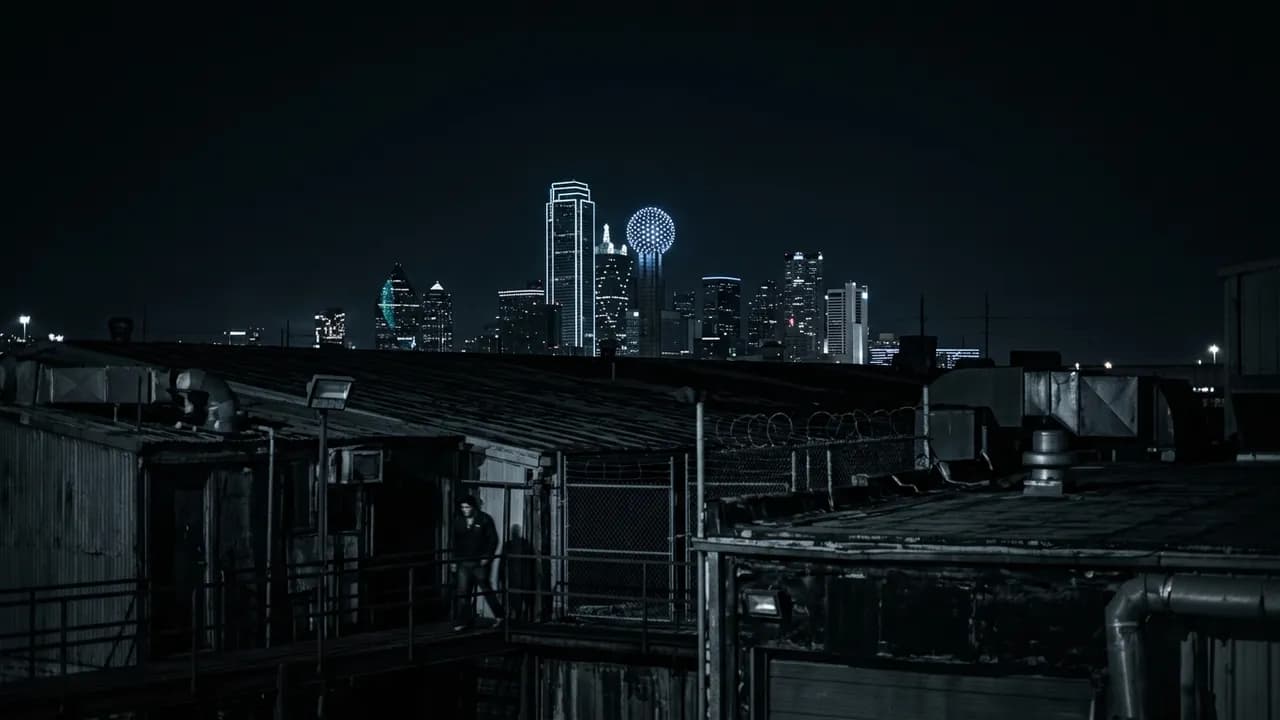
Dallas has always competed with Houston for supremacy in Texas -- in business, in sports, in cultural influence. The fight game is no exception. While Houston draws from its port city toughness and deep Hispanic boxing traditions, Dallas brings the swagger and ambition of a city that has always believed it belongs on the biggest stages. The DFW metroplex -- Dallas, Fort Worth, Arlington, and the sprawl of suburbs that connects them -- is home to nearly eight million people, and within that population is a combat sports community that is growing in both size and sophistication.
The underground fighting scene in Dallas is younger and less established than Houston's, but it is evolving rapidly. The city's wealth and its appetite for entertainment create demand for combat sports content, while the working-class neighborhoods of South Dallas, Oak Cliff, and Fort Worth's south side provide the fighters who answer that demand.
History
Dallas's boxing history is respectable if not storied. The city hosted professional boxing cards throughout the twentieth century, and Texas Stadium and later the American Airlines Center have served as venues for major fights. The amateur boxing programs that operate in the metroplex have produced fighters who competed nationally, and the city's proximity to military installations -- particularly the bases in the Fort Worth area -- has added a stream of military-trained fighters to the local scene.
Fort Worth, Dallas's western twin, has its own distinct fighting culture rooted in the city's cowtown heritage. The Stockyards district and the working-class neighborhoods that surround it produced fighters who embodied the frontier toughness that Fort Worth has always claimed as its identity. The merger of Dallas ambition and Fort Worth grit gives the metroplex a fighting culture with two distinct personalities.
The modern underground scene in Dallas took shape as BKFC and other promotions began staging events in the area. The promotion recognized DFW as a market with enormous potential -- a massive population, a culture that values toughness, and a regulatory environment that allows bare knuckle boxing. The backyard scene developed in parallel, driven by social media and by the same forces that produce informal fighting culture in every major American city.
Organizations
BKFC in DFW
BKFC has identified the Dallas-Fort Worth metroplex as a key market for expansion. The promotion has staged events in the area and has drawn from a regional talent pool that extends across North Texas and into Oklahoma. Dallas's infrastructure -- its arenas, its hospitality industry, its media market -- makes it an attractive host city for the kind of large-scale bare knuckle events that BKFC aspires to produce.
The Backyard and Social Media Scene
Dallas's backyard fighting scene operates through the same social media channels that drive informal fighting culture across America. Instagram accounts document and promote fights in South Dallas, Oak Cliff, and the working-class suburbs of the metroplex. The format tends toward boxing, reflecting the influence of the gym culture that provides the scene's fighters.
The rivalry with Houston adds an edge to the scene. When Dallas fighters meet Houston fighters -- whether at sanctioned events or informal competitions -- the matchups carry the weight of Texas's most intense intercity rivalry. This dynamic drives interest and creates narratives that fuel social media engagement.
Combat Sports Gyms
The DFW metroplex is home to a large and growing network of combat sports gyms. MMA facilities, boxing clubs, and kickboxing schools serve a population that has embraced combat sports as both fitness and competition. The UFC has staged events at American Airlines Center, and the regional MMA circuit provides regular competitive opportunities for local fighters.
Notable Fighters
The Dallas area has produced fighters who have competed in the UFC, Bellator, and professional boxing. The city's MMA gym scene has attracted fighters from across the country who train in DFW and carry the city's name into competition. The underground scene's notable figures are building reputations through social media and backyard events, creating a pipeline that feeds into the sanctioned fight world.
Fort Worth has contributed its own fighters to the mix, bringing a grittier, more old-school approach that contrasts with the polish of Dallas's gym-trained competitors. The tension between these two styles -- Fort Worth toughness versus Dallas technique -- is one of the metroplex's distinctive features.
Legal Status
Texas regulates combat sports through the Texas Department of Licensing and Regulation. Professional and amateur events require licensing, and the state has been receptive to sanctioning bare knuckle boxing. BKFC operates legally in Texas, and the regulatory framework supports continued growth of the sanctioned scene.
Unsanctioned fighting in Texas exists in the same grey area as elsewhere in the state. Texas Penal Code 22.06 lets a fighter charged with assault argue consent, but only if the fight did not threaten or cause serious bodily injury, and organized events without licensing can attract legal attention. The DFW area's size and suburban sprawl provide cover for informal events, and enforcement is inconsistent. The relationship between local law enforcement and the backyard scene varies by jurisdiction across the metroplex's numerous municipalities.
How to Get Involved
The DFW metroplex offers extensive opportunities for combat sports participation. Boxing gyms in Dallas, Fort Worth, and the surrounding suburbs welcome fighters at all levels. The region's MMA facilities provide training across disciplines, and the amateur competition circuit is active year-round.
BKFC events in Texas are announced through bkfc.com, and the promotion recruits fighters from the DFW area. Rough N' Rowdy events have passed through Texas, providing additional opportunities for amateur fighters.
The underground scene is accessible through social media and through the gym networks that connect fighters with informal competition opportunities. Building relationships within Dallas's fighting community is the surest path to the events that operate outside the sanctioned framework.