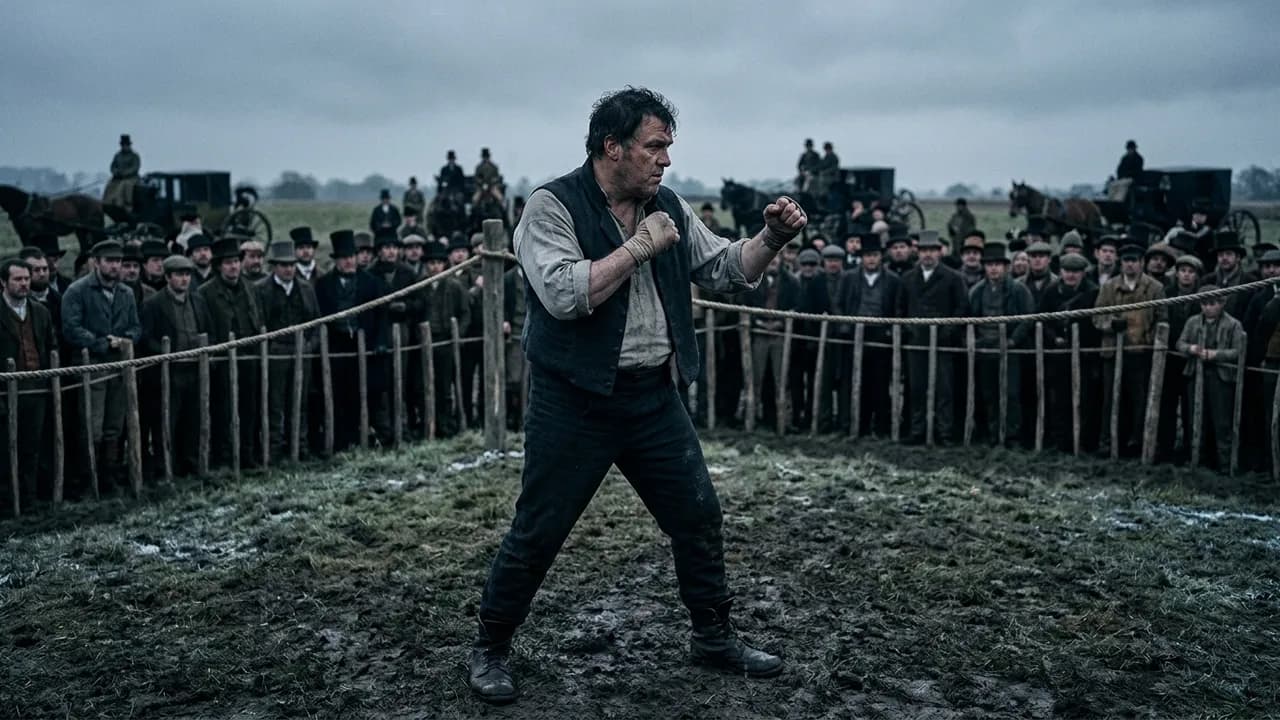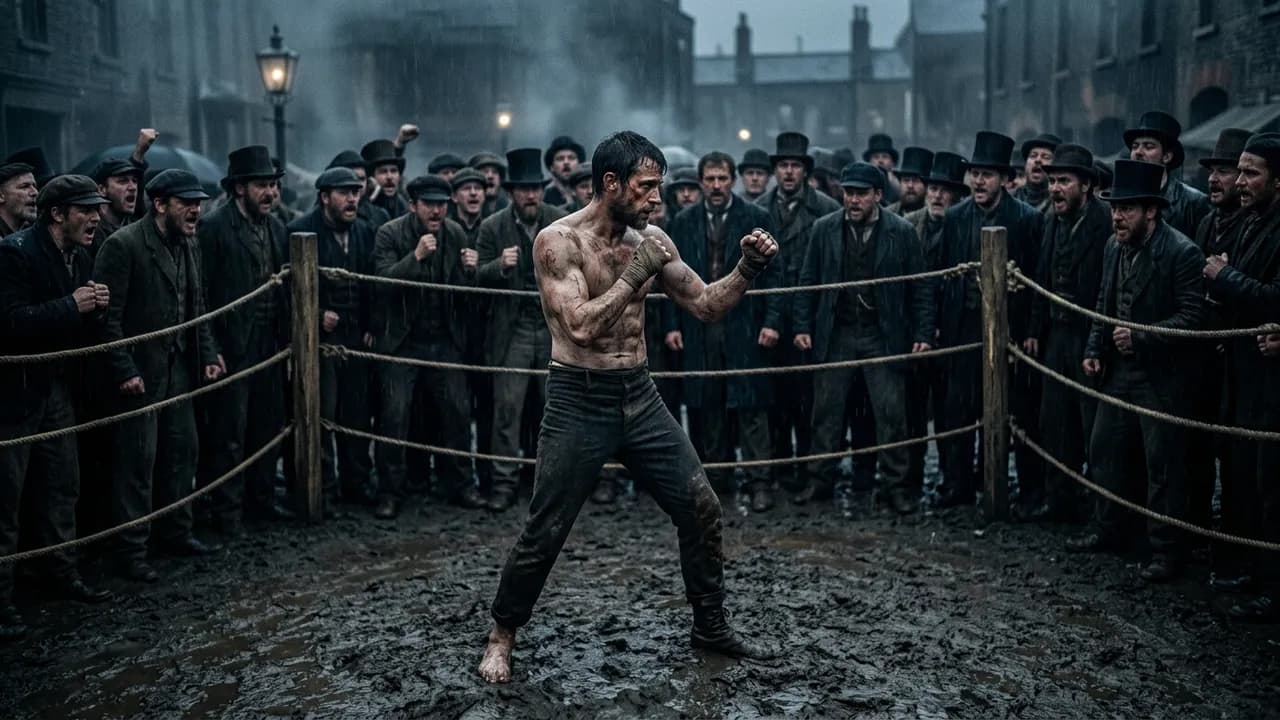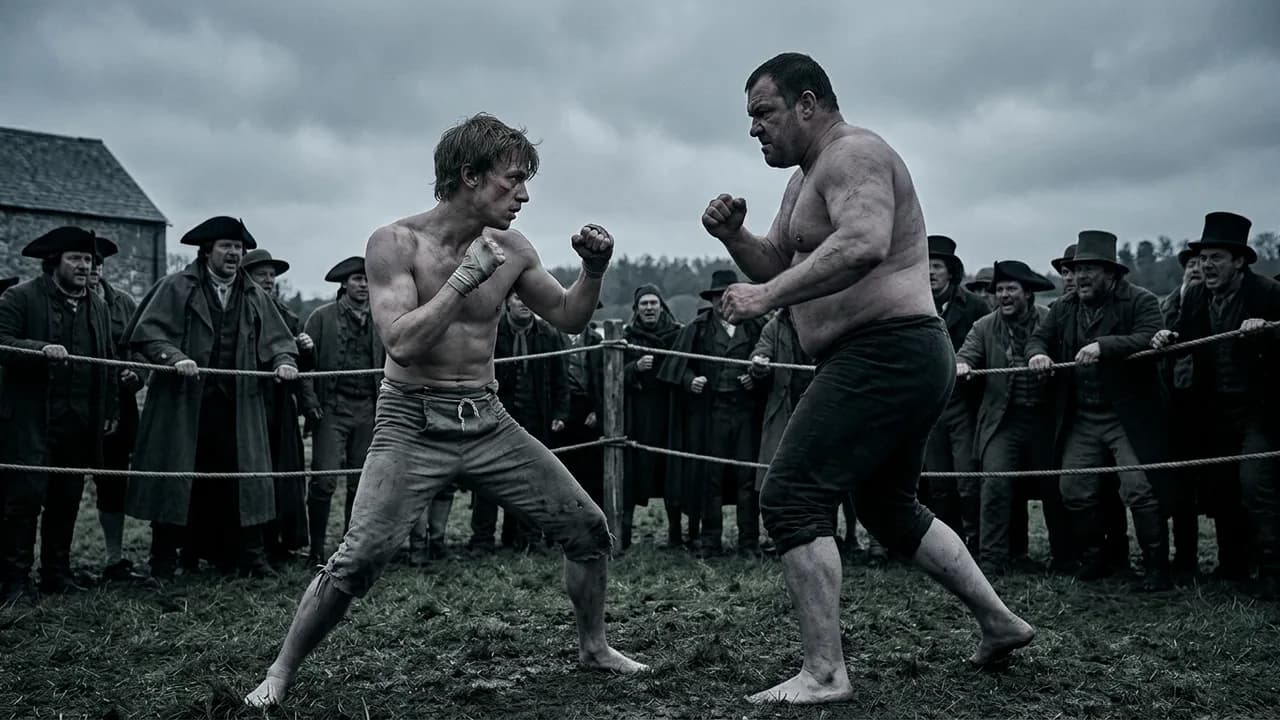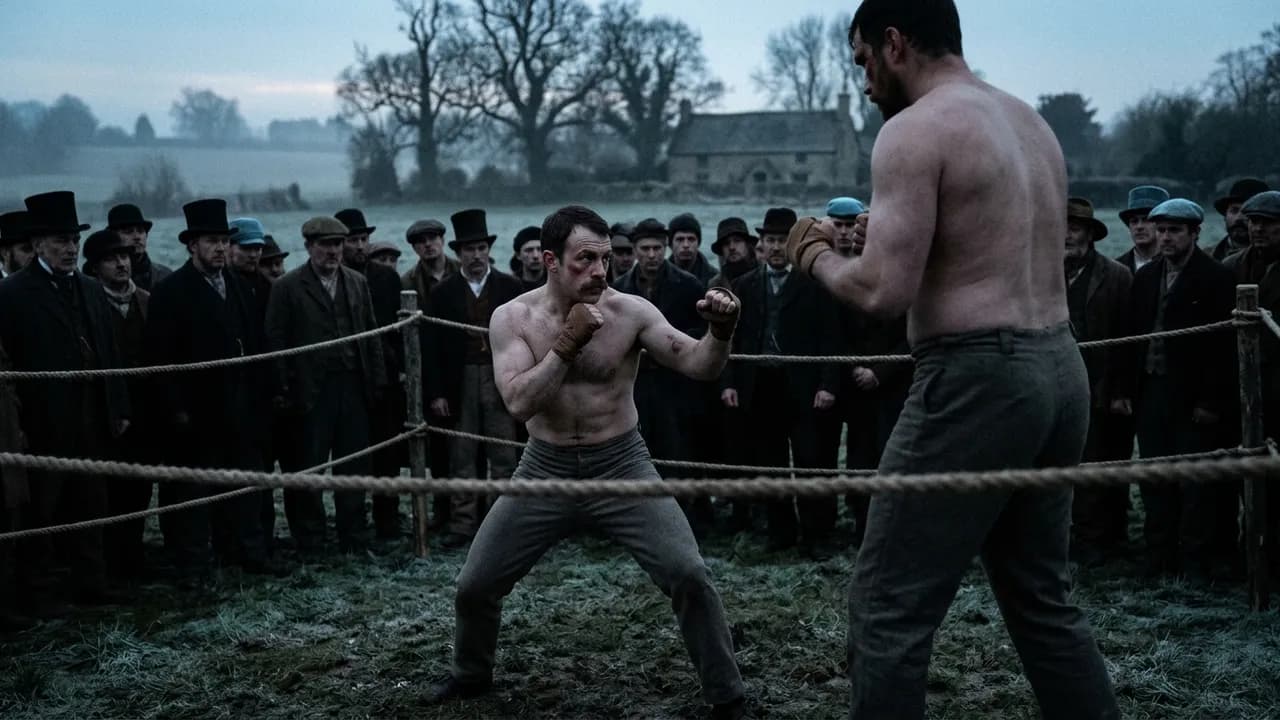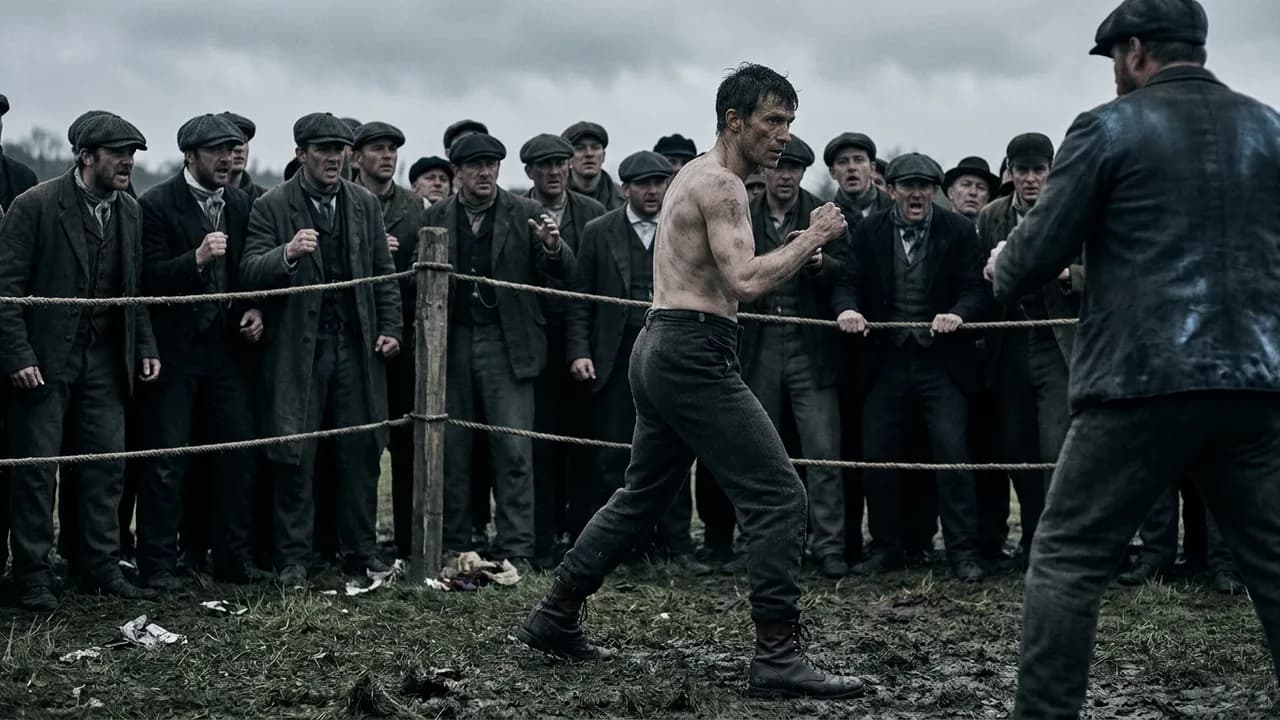
William "Bendigo" Thompson (1811-1880) was an English bare-knuckle prizefighter from Nottingham who won the Championship of England in 1839. A left-handed fighter known for constant movement and showmanship, he fought a long and bitter rivalry with Ben Caunt, lost few of his roughly twenty bouts, and in later life turned from a record of public drunkenness to a second career as a preacher. His nickname carried, by a roundabout route, to the Australian city of Bendigo.
Quick Facts
| Field | Detail |
|---|---|
| Full name | William Abednego Thompson |
| Born | 11 October 1811, Nottingham, England |
| Died | 23 August 1880 (aged 68), Beeston, Nottinghamshire, England |
| Nickname | "Bendigo," also "The Nottingham Jester" |
| Stance | Southpaw (left-handed) |
| Record | Around 20 bouts; 19 wins (the losses came on fouls) |
| Championship | Champion of England, won from James Burke, 12 February 1839 |
| Chief rival | Ben Caunt (fought three times) |
| Later life | Evangelist preacher from 1872 |
| Hall of fame | The Ring (1955); International Boxing Hall of Fame (1991); Bare Knuckle Boxing Hall of Fame (2011) |
Overview
William Abednego Thompson was born in Nottingham in 1811 into deep poverty, one of a very large family. His own most famous claim, that he was one of triplets named Shadrach, Meshach and Abednego after the biblical figures thrown into the furnace, is a good example of where his legend and the documented record diverge. Baptismal records show that he was actually baptised with a twin brother, Richard, who died nine days later. If there was a third child, it must have died at or near birth, but the triplet story as Thompson told it is not what the parish register supports.
His ring name has a clearer origin. His bobbing, weaving, hard-to-pin style earned him the tag "Bendy," which combined with his middle name Abednego to become "Bendigo." He was also called "The Nottingham Jester," a nod to the running commentary and clowning he used to unsettle opponents and entertain crowds. He was a southpaw, and he is often credited with bringing the left-handed stance to prominence in the prize ring.
Career and the Caunt rivalry
Thompson fought around twenty recorded bouts and lost none of them by being beaten outright; the defeats on his ledger came on fouls, which were a constant hazard in a sport with loose rules and partisan crowds. He won the Championship of England by beating James Burke on 12 February 1839 in a contest of about ten rounds.
The thread running through his career was his rivalry with Ben Caunt, a far bigger man, also from Nottinghamshire. They met three times over a decade, and the series captured everything chaotic about the late London Prize Ring. The first meeting, on 21 July 1835, went to Thompson on a foul. The second, on 3 April 1838, ran to around 75 rounds and went against him, again on a foul. The third and last, on 9 September 1845, lasted some 93 rounds and ended with Thompson keeping the title, once more on a foul ruling. These were long, ugly contests as much decided by crowds, rule disputes and gamesmanship as by clean fighting, and they are part of why the bare-knuckle game was already falling into disrepute by the 1840s.
A career-ending knee injury, reportedly suffered outside the ring, brought his fighting to a close.
Legacy
Thompson's later life is one of the more striking turns in this group of fighters. After retirement he fell into heavy drinking and was arrested for public drunkenness many times. Then, in 1872, he underwent a religious conversion and reinvented himself as an evangelist, drawing large crowds to his sermons by trading on his fame as a fighter. He died in 1880 after a fall down stairs.
His name spread far beyond Nottingham. An Australian shepherd and amateur boxer who imitated Thompson's style picked up the nickname "Bendigo," which attached to a creek in Victoria, and from there to the gold-rush town that became the city of Bendigo. Back home, his memory is kept in his native city and in his three Halls of Fame.
As a fighter he belongs to the late London Prize Ring, the same tradition topped earlier by Tom Cribb and refined a generation before by Daniel Mendoza. The next great figure of the English ring, Jem Mace, would carry the sport toward the gloved era, and the small, durable champion Tom Sayers followed close behind. The fuller arc is covered in the history of bare-knuckle boxing.
Frequently Asked Questions
Was Bendigo Thompson really one of triplets? He claimed to be, naming himself and two brothers Shadrach, Meshach and Abednego, but parish records show he was baptised with a twin, Richard, who died days later. The triplet story is part of his legend rather than the documented record.
How did he get the name Bendigo? His movement-heavy, hard-to-hit style earned him "Bendy," which merged with his middle name Abednego to form "Bendigo." He was also nicknamed "The Nottingham Jester."
Is the Australian city of Bendigo named after him? Indirectly. An Australian boxer who copied Thompson's style took on the nickname, which passed to a local creek and then to the town that became the city of Bendigo.
External Links
- William Thompson (boxer) — Wikipedia
- Bendigo — Encyclopaedia Britannica
- William "Bendigo" Thompson — Find a Grave
Related Content on UNSANCTIONED FIGHTS
- Tom Cribb — the earlier champion at the head of the prize-ring tradition Thompson fought in.
- Tom Sayers — the small champion who followed Thompson at the close of the bare-knuckle era.
- Jem Mace — the English champion who carried the sport toward modern gloved boxing.
- Daniel Mendoza — the Georgian fighter whose science shaped the ring Thompson entered.