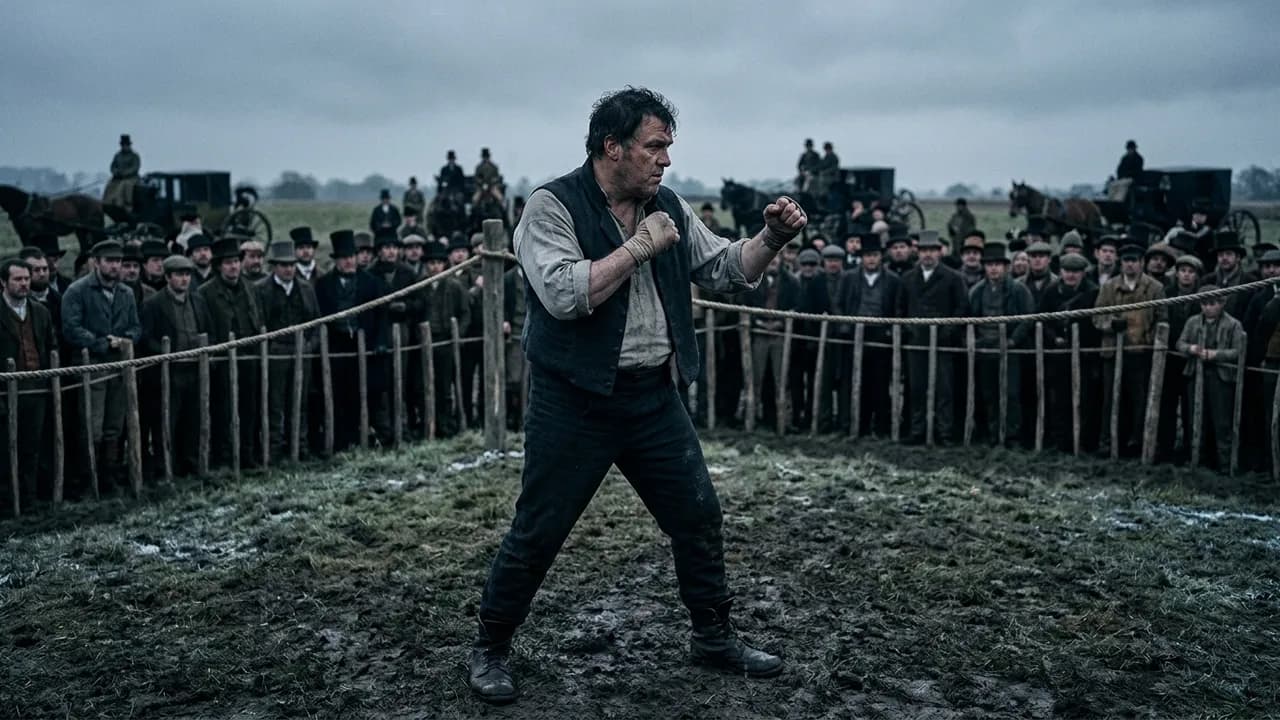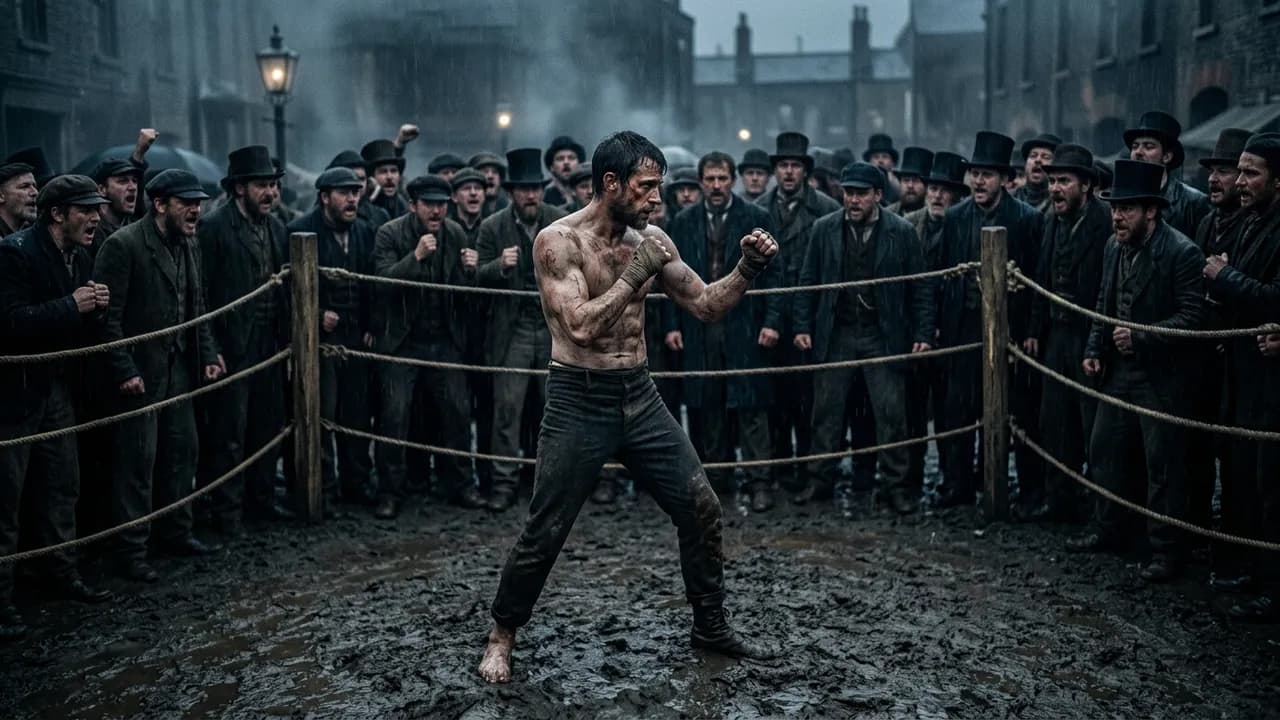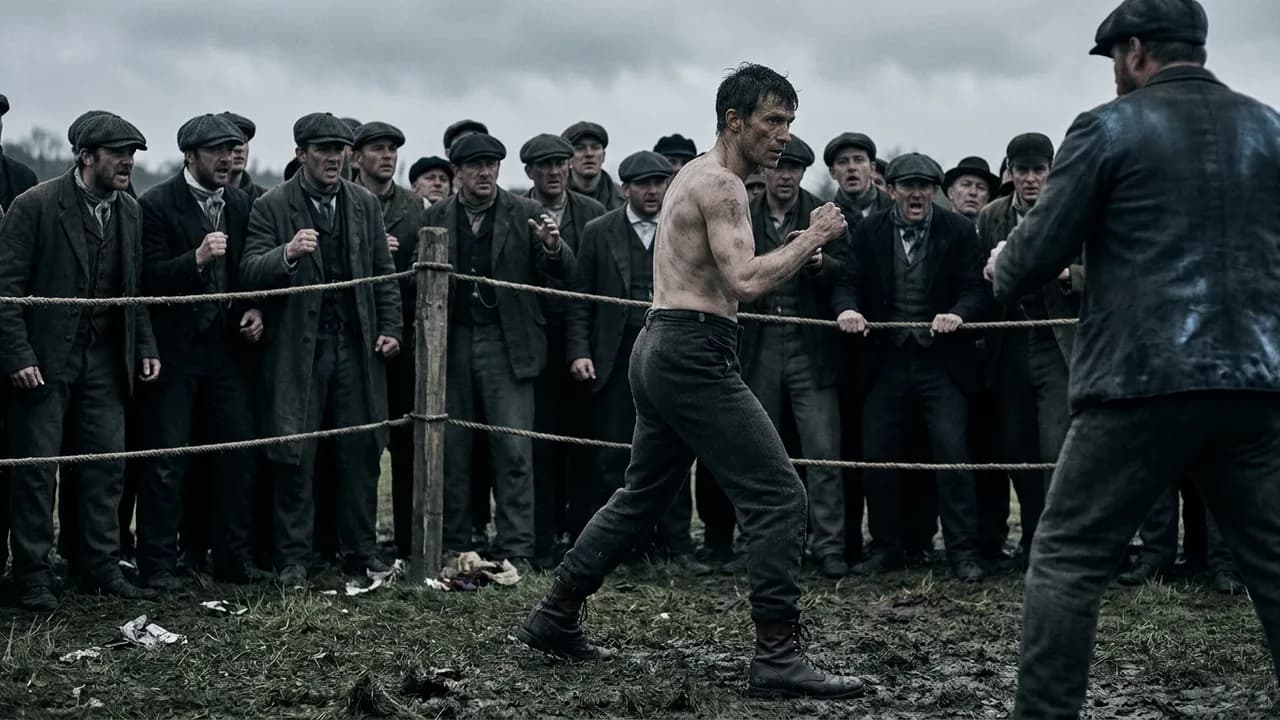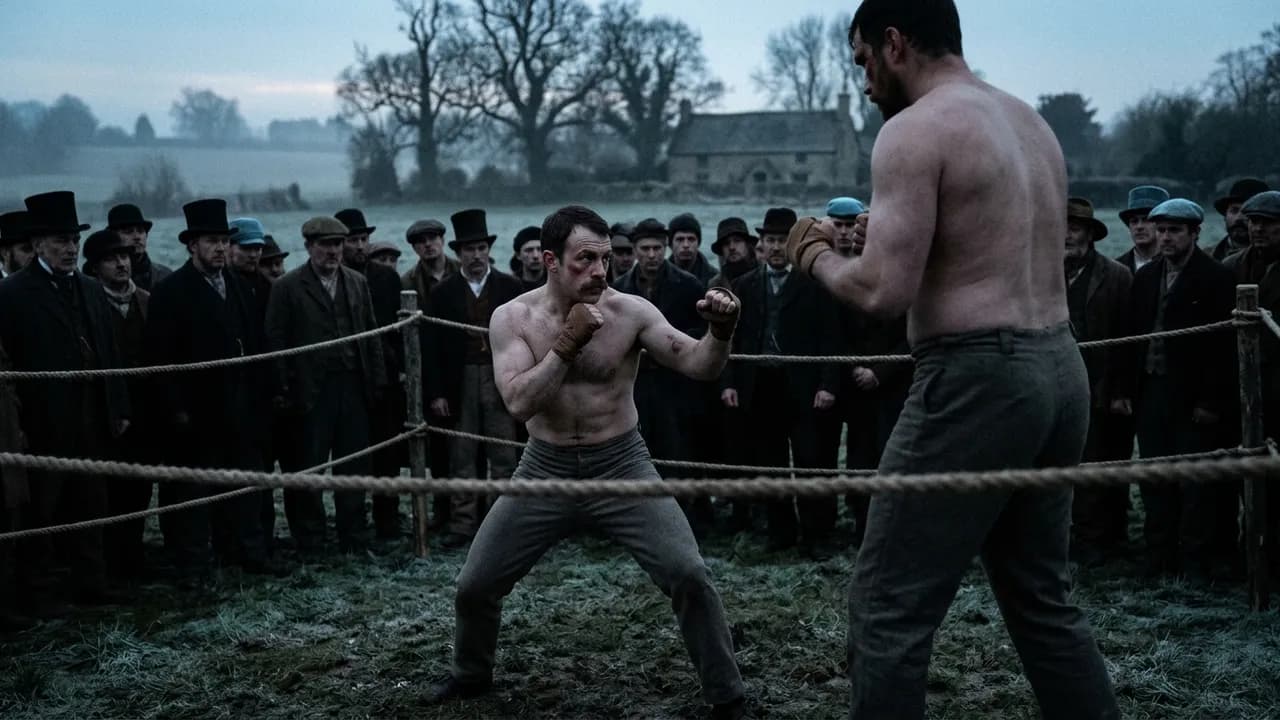
Tom Sayers (1826-1865) was an English bare-knuckle prizefighter, a Brighton-born bricklayer who became Champion of England despite standing only about 5 ft 8 in and weighing around 150 lb, regularly beating men far bigger than himself. His 1860 contest with the American John C. Heenan, a draw that ran 42 rounds and more than two hours before crowd and police forced it to a halt, is widely remembered as boxing's first world title fight and as the high point and effective end of the bare-knuckle prize ring in England.
Quick Facts
| Field | Detail |
|---|---|
| Full name | Thomas "Tom" Sayers |
| Born | 25 May 1826, Brighton, England |
| Died | 8 November 1865 (aged 39), Camden Town, London, England |
| Trade | Bricklayer |
| Size | About 5 ft 8 in, around 150 lb (often outweighed by two-plus stone) |
| Record | Around 16 bouts; roughly 12 wins, 1 loss, 3 draws |
| Championship | Champion of England from 1857 |
| Famous fight | Draw with John C. Heenan, 17 April 1860, Farnborough |
| Death | Diabetes and consumption (tuberculosis) |
| Funeral | Reported crowd of around 100,000; his dog Lion at the cortège |
Overview
Tom Sayers was born in Brighton in 1826 and came to London as a teenager, where he worked as a bricklayer. He was small for a prizefighter even by the standards of his own day, and he is remembered largely because of that. Weighing around 150 lb and standing about 5 ft 8 in, he made a career out of beating heavier and taller men, in a sport with no weight classes where size was usually decisive. His record across roughly sixteen bouts shows about a dozen wins, a single loss and three draws, and he held the Championship of England from 1857 after beating William Perry, the "Tipton Slasher."
He fought late in the life of the London Prize Ring, when the bare-knuckle game was already in legal trouble and falling out of respectable favour. Contests were illegal, broken up by police, and staged in secret at locations passed quietly between followers. Sayers's reputation for taking on bigger men gave the dying sport one of its last genuinely popular figures.
Career and the Heenan fight
Everything about Sayers's standing comes back to a single contest. On 17 April 1860, near Farnborough in Hampshire, he met the American champion John C. Heenan, a man several inches taller and a couple of stone heavier. The fight was illegal, the location kept secret, and a crowd reported at around 12,000 found its way there, including, by contemporary accounts, the young Prince of Wales, Members of Parliament, and the writers Charles Dickens and William Makepeace Thackeray.
It was a long and brutal contest. Sayers injured his right arm early, around the sixth round, and fought much of the rest of the bout effectively one-handed. Heenan, for his part, was badly hampered by a swollen, closing eye. After 42 rounds and roughly two hours and twenty-seven minutes, the crowd broke into the ring and police closed in, and the fight was declared a draw. Both men were later awarded championship belts. The bout caught public imagination on both sides of the Atlantic in a way no prizefight had before, with The Times noting the unprecedented attention it drew, and it is for that reason that it is so often described as boxing's first world title fight.
It was also, in effect, the end. The chaos, illegality and inconclusive result of the Sayers-Heenan fight helped push English boxing away from the bare-knuckle prize ring and toward the gloved, regulated sport that followed. A public subscription afterwards raised a large sum, reported at around £3,000, on condition that Sayers retire from the ring, which he did.
Legacy
Sayers did not live long to enjoy his fame. His health declined quickly, and he died in 1865 at the age of 39, with the cause given as consumption worsened by diabetes. His funeral became a public event in its own right, drawing a crowd reported at around 100,000, with his mastiff Lion travelling in the cortège as a kind of chief mourner. His tomb in Highgate Cemetery, watched over by a stone effigy of the dog, remains a known landmark.
His place in the sport is as the last great champion of the English bare-knuckle ring. He stands at the close of the tradition that ran from Tom Cribb through Bendigo Thompson, just before Jem Mace carried the sport into the gloved era and the bare-knuckle heavyweight line ended with John L. Sullivan. The longer story of that transition is covered in the history of bare-knuckle boxing.
Frequently Asked Questions
Why is the Sayers-Heenan fight called the first world title fight? It pitted the English champion against the American champion before a huge crowd and drew unprecedented public attention on both sides of the Atlantic. Both men received championship belts afterwards, and the bout is remembered as the first contest framed as a world championship.
How could Tom Sayers beat much bigger men? He weighed only around 150 lb and was often outweighed by two stone or more, but he combined durability, accuracy and ring experience. In a sport with no weight classes, his record against larger opponents is the main reason he is remembered.
How did Tom Sayers die? He died in 1865 at the age of 39 from consumption aggravated by diabetes. His funeral drew an enormous crowd, and his dog Lion is commemorated on his tomb at Highgate Cemetery.
External Links
- Tom Sayers — Wikipedia
- John C. Heenan — Wikipedia
- Bout of the Century: Heenan and Sayers — New York Almanack
Related Content on UNSANCTIONED FIGHTS
- Tom Cribb — the Regency champion at the head of the tradition Sayers closed out.
- Bendigo Thompson — the Nottingham champion of the generation just before Sayers.
- Jem Mace — the English champion who carried boxing from bare knuckle toward the gloved era.
- John L. Sullivan — the last bare-knuckle heavyweight champion, who ended the era.