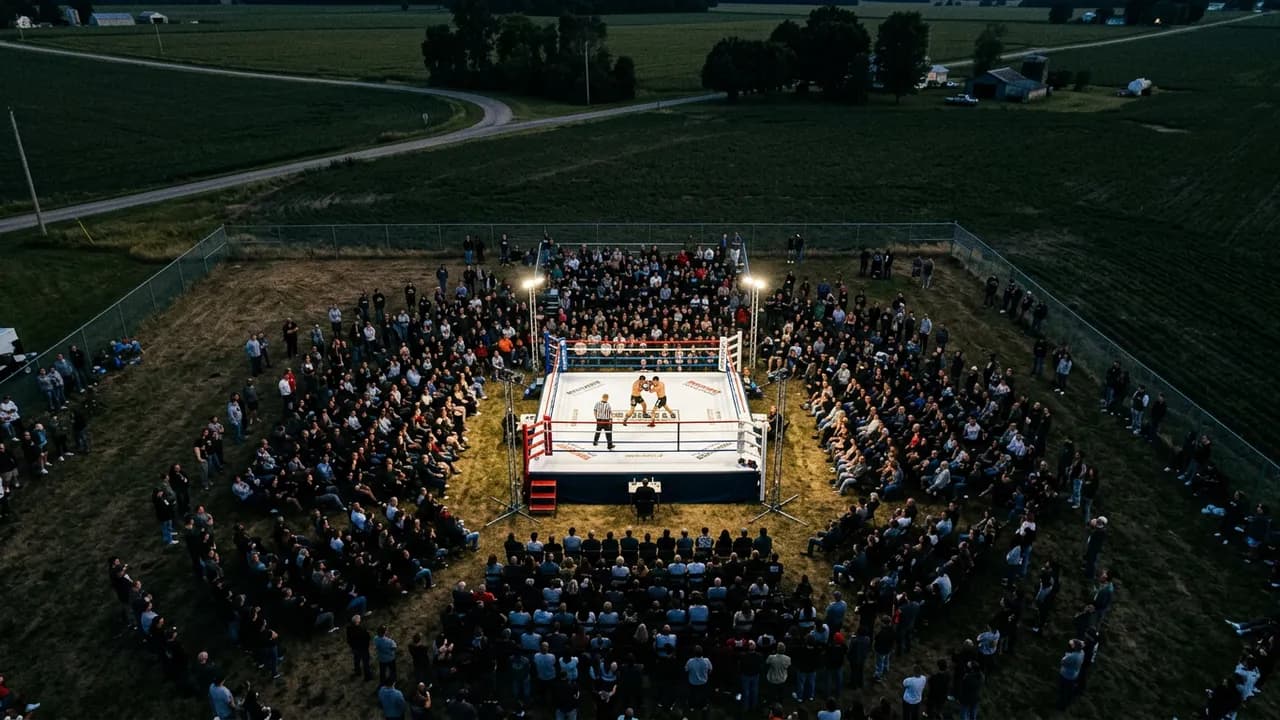
In 2021, in a back garden somewhere in Manchester, a former Muay Thai fighter known as "Remdizz" set up a makeshift ring using foam-wrapped fence posts, hung a camera, and invited local lads to settle their differences with boxing gloves instead of knives. The concept was brutally simple. The motto said everything: "PUT DOWN THE KNIFE, USE YOUR LEFT AND RIGHT."
Four years later, King of the Ring -- KOTR -- has become one of the most talked-about fighting organizations in the United Kingdom. Its YouTube channel generates millions of views. Its TikTok presence has made it a cultural force among British youth. Channel 4 has produced a documentary about it. Vice has covered it. And the events have evolved from back garden scraps between mates into professionally organized cards that draw hundreds of spectators to secret locations across Manchester.
This is the story of how KOTR grew from a fence-post ring into a movement -- and why it matters.
The Back Garden Era: 2021
KOTR began where all the best underground fighting stories begin: in a garden. Remdizz, whose background in Muay Thai gave him a framework for organizing and refereeing fights, saw something in Manchester that alarmed him. Knife violence among young people had risen by approximately 200% in the city, and the culture of carrying blades as a default response to conflict was claiming lives at an accelerating rate.
The idea was not original -- Streetbeefs had been running a similar operation in Virginia since 2008 under the same philosophical banner of replacing weapons with fists. But KOTR adapted the concept for a British audience and a British problem. Knife crime is a distinctly British crisis in a way that gun violence is distinctly American, and KOTR's messaging was calibrated accordingly.
The first events were informal. Fighters were recruited from Remdizz's personal network -- friends, gym acquaintances, local youth who were known to be involved in street conflicts. The ring was built from whatever was available. The rules were simple: three rounds of one minute each, boxing gloves, and a referee who would stop the fight if things got too dangerous.
The back garden events were filmed and uploaded to YouTube and TikTok. The footage was raw, shaky, and unmistakably real. Within weeks, the clips began accumulating views that far exceeded what a garden boxing video from Manchester should have been generating. Something was resonating.
The Secret Location Model: Growing the Events
As KOTR's audience grew, the events outgrew the back garden. Remdizz began staging fights at rotating secret locations across Manchester, borrowing a page from the Underground Combat League's playbook of concealed venues and last-minute disclosures.
The location model works like this: fighters and spectators receive a postcode via text message in the days before an event. The specific venue is not disclosed until the last possible moment. This approach serves multiple purposes:
Legal protection. By changing locations and limiting advance notice, KOTR reduces the risk of police intervention or venue cancellation.
Atmosphere. The secrecy creates an air of exclusivity and excitement. Spectators feel like they are attending something forbidden, which amplifies the energy in the room.
Brand identity. The secret location model is inherently shareable on social media. The mystery of "where is KOTR this week?" generates engagement and discussion that formal venue announcements never could.
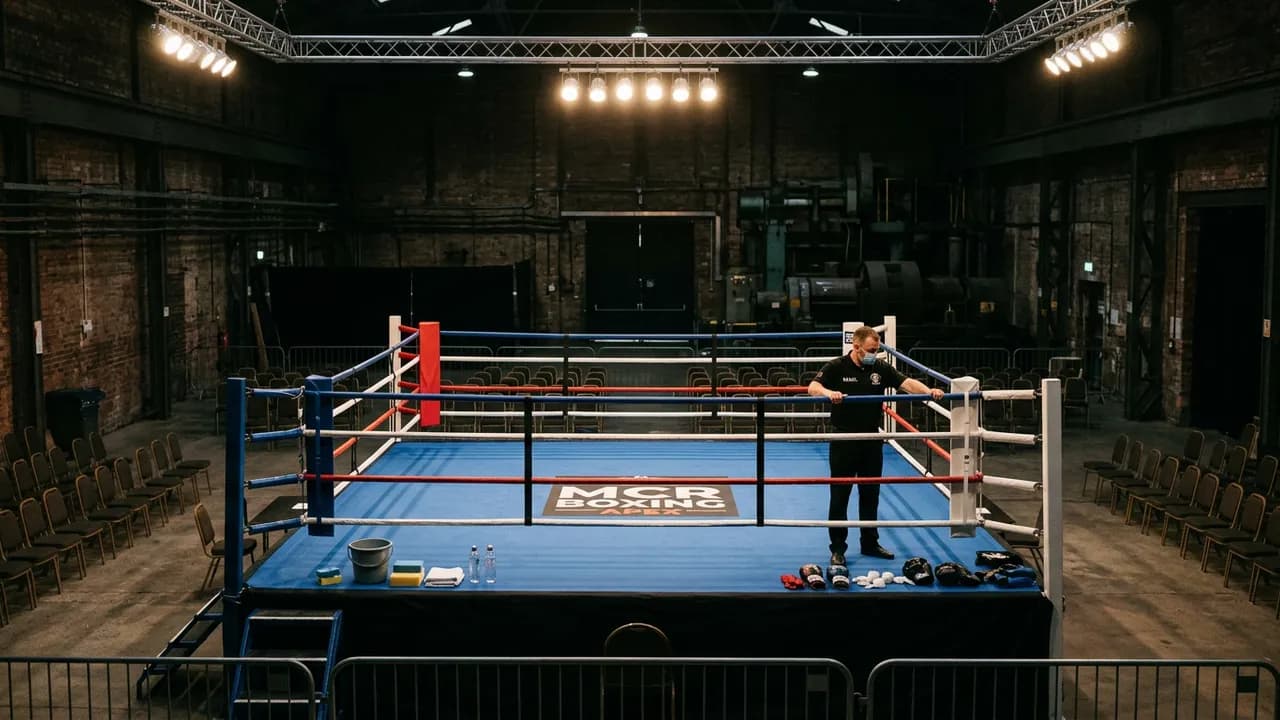
The rotating locations have included warehouses, industrial spaces, community centers, and private properties across the Greater Manchester area. Each venue is set up with a portable ring -- still constructed from foam-wrapped posts, maintaining the aesthetic connection to the back garden origins -- and camera equipment that has become progressively more sophisticated as the organization has grown.
The TikTok Effect: How KOTR Reached Millions
KOTR's growth cannot be understood without understanding TikTok. While the full fights are uploaded to YouTube, the clips that drive audience acquisition are distributed primarily through TikTok (@kotr_uk) and Instagram (@kotr_manny). These platforms' algorithms are designed to surface short, engaging video content to massive audiences, and KOTR's fight clips are exactly the kind of content that goes viral.
A 30-second clip of a clean knockout in a KOTR ring can reach millions of viewers within hours of posting. The visual format is immediately compelling: two young men in a makeshift ring, gloves on, surrounded by a screaming crowd, throwing punches with genuine intent. The production is raw enough to feel authentic and polished enough to hold attention. It is the perfect TikTok content.
03 / Up next / The Channel 4 Documentary: National Recognition
The TikTok audience skews young, which aligns perfectly with KOTR's target demographic. The organization is explicitly aimed at young men in Manchester who might otherwise carry knives. Reaching them through the platform they actually use -- rather than through newspapers, television, or community outreach programs that they do not engage with -- is a strategic masterstroke.
The result is an organization that has more cultural penetration among British youth than most professional boxing promotions. KOTR fighters become local celebrities. KOTR events become social media events. And the anti-knife message, embedded in every piece of content through the "PUT DOWN THE KNIFE" branding, reaches an audience that traditional public health campaigns struggle to access.
The Channel 4 Documentary: National Recognition
KOTR's trajectory from back garden to national recognition reached its inflection point when Channel 4, one of the UK's major terrestrial broadcasters, produced a documentary about the organization. The documentary brought KOTR's story to a mainstream audience, exploring the tension between the organization's violence-prevention mission and the inherent risks of unsanctioned boxing.
The documentary featured Remdizz, the fighters, and the Manchester communities that KOTR serves. It examined the knife crime crisis that motivated the organization's founding and asked whether channeling violence into a ring -- even an unsanctioned one -- was a legitimate public health intervention.
The Channel 4 documentary also drew scrutiny. Critics questioned whether KOTR was genuinely reducing knife violence or simply providing a spectacle that glorified fighting under the guise of social mission. Supporters countered that traditional approaches to knife crime prevention had demonstrably failed and that KOTR was at least reaching the young men who were most at risk.
The debate is familiar. It is the same conversation that has surrounded Streetbeefs in the United States, Strelka in Russia, and every other organization that positions fighting as violence prevention. The question of whether organized fistfights reduce or perpetuate violence does not have a clean answer, and KOTR has not pretended otherwise.
Major Events: The Evolution of a Card
As KOTR's audience and production capabilities have grown, the events themselves have evolved significantly from the back garden origins:
The Early Cards (2021-2022)
The first cards featured 4-6 fights, all in the same back garden, with a single camera and Remdizz serving as referee, commentator, and producer. The fighters were drawn from a small pool of local contacts, and the quality varied wildly. Some fights were competitive exchanges between skilled boxers. Others were awkward, swinging affairs between young men who had never worn gloves before.
The inconsistency was part of the appeal. Like Rough N Rowdy in the American context, the unpredictability of untrained fighters is a feature, not a bug. The audience does not watch KOTR expecting Floyd Mayweather-level technique. They watch expecting chaos, heart, and the occasional moment of genuine skill that emerges from the chaos.
The Middle Period (2022-2023)
By this point, KOTR had moved to the secret location model, and the events had grown to 8-12 fights per card. The production quality improved significantly, with multiple camera angles, better audio, and a more structured approach to matchmaking. Remdizz began recruiting fighters through social media, expanding the pool beyond his personal network.
The middle period also saw the emergence of recurring fighters who built fan followings through multiple appearances. These fighters became KOTR's equivalent of headliners -- recognizable names who drew viewers to specific events and whose ongoing rivalries created narrative continuity between cards.
The Major Events (2024-Present)
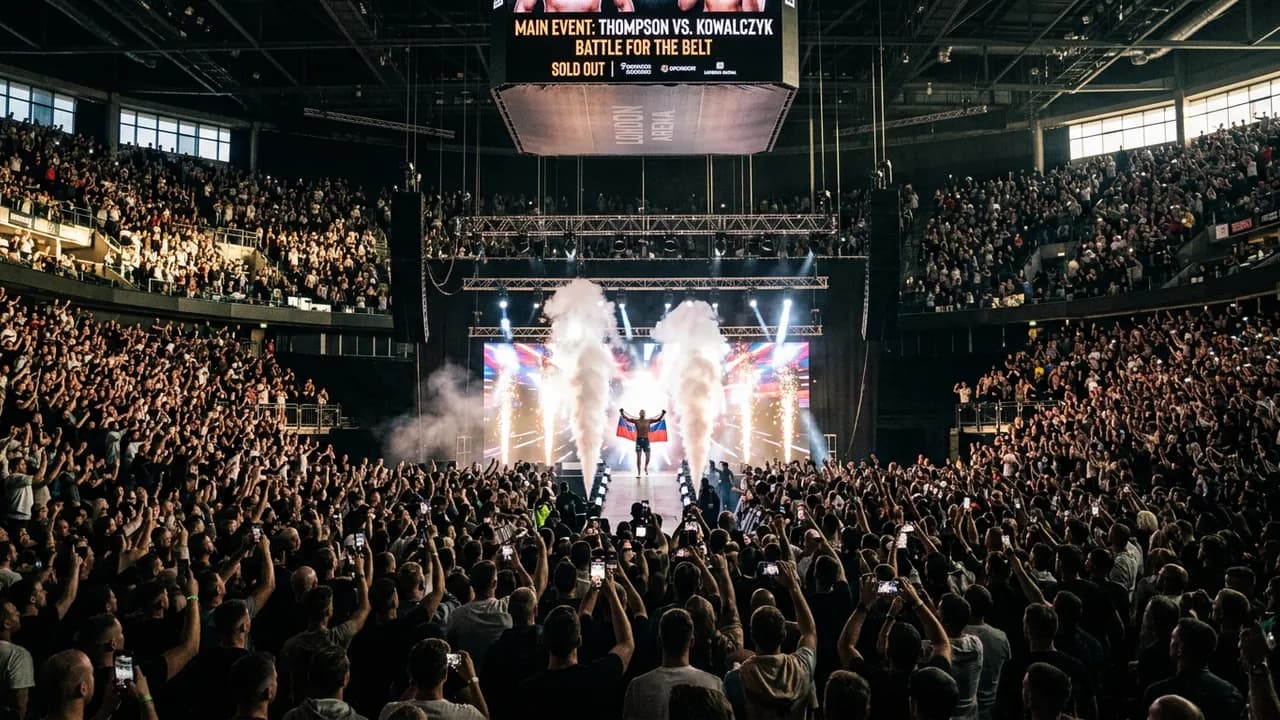
KOTR's most recent events represent a significant step up in scale and ambition. Cards now feature 12 or more fights, staged in venues that can accommodate several hundred spectators. The production quality approaches that of small professional boxing promotions, with intro music, walkout sequences, and post-fight interviews.
The crowds at recent events have been large, loud, and overwhelmingly young. The atmosphere resembles a football match more than a boxing event, with chanting, singing, and a level of energy that professional promotions spend millions trying to manufacture.
The Fighter Pipeline: From KOTR to What?
One of the questions that follows KOTR as it grows is whether the organization will develop a pipeline to professional boxing. Several KOTR fighters have demonstrated genuine skill levels that suggest they could compete in sanctioned amateur boxing or potentially professional ranks.
06 / Up next / The Anti-Knife Mission: Is It Working?
Remdizz's background as a Muay Thai fighter gives him the coaching knowledge to identify talent, and several KOTR regulars have begun training at established boxing gyms in the Manchester area. Whether any of them will make the transition to sanctioned competition remains to be seen, but the precedent exists: ATrain from Streetbeefs made the jump to professional MMA, and several BKFC fighters began their careers in unsanctioned formats.
The pipeline question also raises issues about KOTR's identity. If the organization becomes a feeder system for professional boxing, does it lose the street-level authenticity that made it compelling? If it remains purely amateur and unsanctioned, does it limit its growth and its fighters' opportunities? These are the same tensions that every successful underground fighting organization eventually confronts.
The Anti-Knife Mission: Is It Working?
The honest answer is: it is impossible to say with certainty. Knife violence in Manchester remains a serious problem, and no single intervention -- whether a boxing organization, a government program, or a community initiative -- can solve a crisis rooted in poverty, inequality, and social disintegration.
What can be said is that KOTR reaches young men who are demonstrably at risk. The organization's TikTok following is concentrated in the exact demographic that carries knives. The fighters who step into the KOTR ring are, in many cases, young men from the exact neighborhoods where knife violence is most prevalent. Whether fighting in a ring prevents them from fighting in the street is a question that anecdote supports and data cannot yet prove.
Remdizz has been clear-eyed about the limitations of his approach. KOTR is not a charity. It is not a social services agency. It is a fighting organization that believes -- based on lived experience, not academic research -- that giving young men a physical outlet for aggression reduces the likelihood that they will express that aggression with weapons.
The same philosophy drives Streetbeefs in America and motivated Dada 5000 in Miami. The evidence is anecdotal, the critics are vocal, and the organizations keep running events anyway.
What Comes Next for KOTR
KOTR's trajectory suggests that the organization is far from reaching its ceiling. The audience continues to grow. The events continue to scale. The media attention continues to intensify. And the knife crime crisis that motivated KOTR's founding shows no sign of abating.
Several possible futures exist:
Professionalization. KOTR could evolve into a sanctioned amateur boxing promotion, operating under British Boxing Board of Control oversight. This would provide legal protection and open doors to sponsorship but would strip the organization of the underground identity that defines its brand.
Expansion. KOTR could expand beyond Manchester, staging events in London, Birmingham, Liverpool, and other cities where knife violence is a crisis. The model is replicable, and the demand clearly exists.
Media partnerships. A television deal or streaming partnership could provide revenue and reach while potentially compromising editorial independence. The Channel 4 documentary was a one-off; an ongoing media partnership would be something else entirely.
Status quo. KOTR could continue doing exactly what it is doing -- staging secret-location events, uploading to YouTube and TikTok, and growing organically through the algorithm. This is the lowest-risk option and the one that preserves the organization's identity most completely.
Whatever path KOTR chooses, its growth from a back garden fence-post ring to one of the most watched fighting organizations in the United Kingdom is one of the most compelling stories in modern combat sports. In four years, Remdizz has built something that professional promoters with millions in backing have failed to create: a fighting organization that young people genuinely care about.
Watch on YouTube
Watch King of the Ring (KOTR) fights and event highlights:
- KOTR: Best Fights Compilation -- Top fights from across KOTR's event history
- KOTR: Greatest Knockouts -- The most devastating finishes from UK backyard fighting
- KOTR Events Playlist -- Full event coverage and highlights from KOTR fight cards
Subscribe to the KOTR YouTube channel for fight highlights, event coverage, and UK underground fighting content.
For similar organizations with violence-prevention missions, see Streetbeefs' Biggest Events. For the broader European underground fighting scene, read our coverage of Strelka's major events and KOTS Major Events.