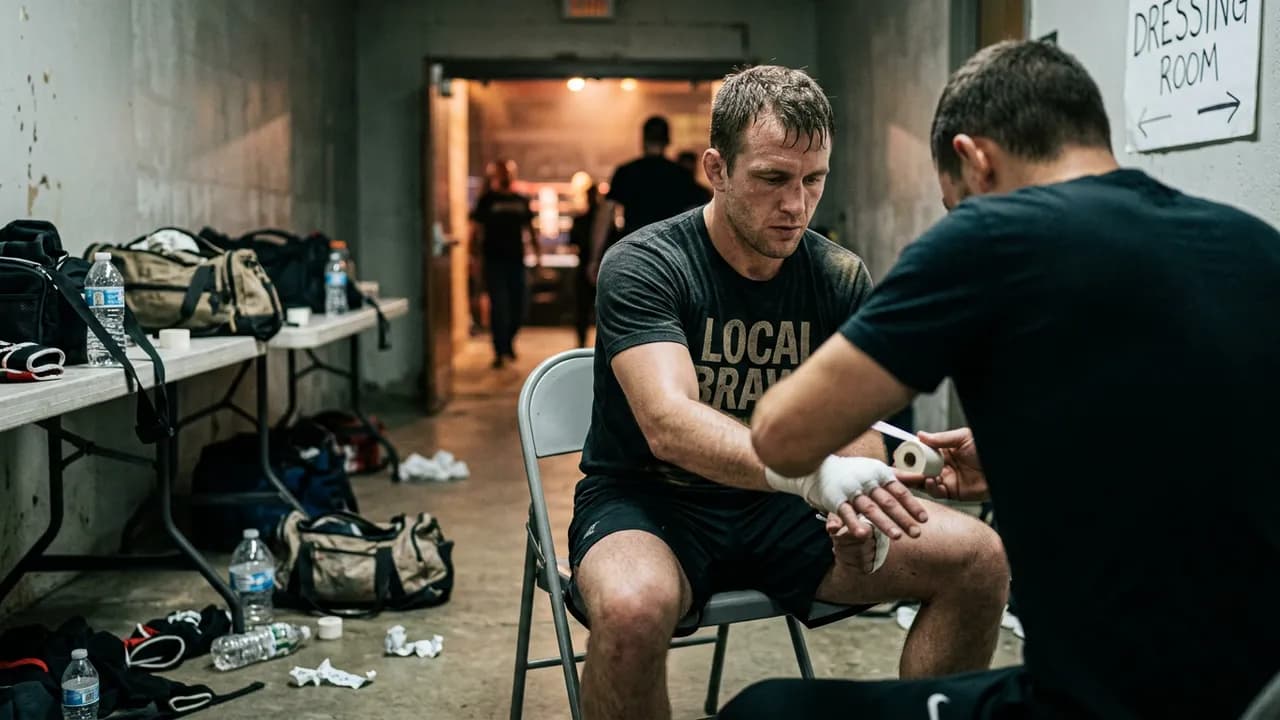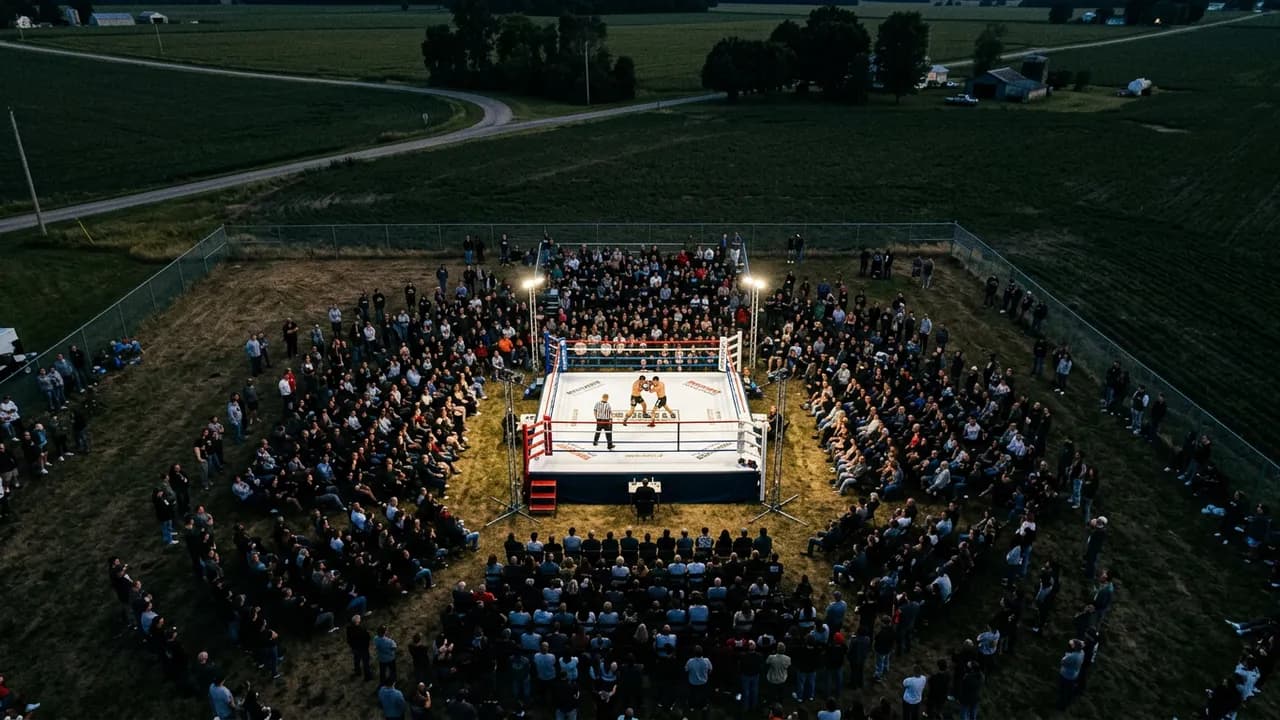
Streetbeefs does not hold "events" in the way that traditional combat sports promotions do. There are no pay-per-views. No arena shows. No weigh-ins or press conferences. Christopher "Scarface" Wilmore stages fights in his Harrisonburg, Virginia, backyard, films them, and uploads them to YouTube. That is the entire production model.
And yet, within that simplicity, certain fights and cards have transcended the usual Streetbeefs upload to become genuine cultural moments. With over 4.2 million subscribers, 1.4 billion total views, and more than 3,600 videos on the main channel, the Streetbeefs YouTube library is one of the largest combat sports archives on the internet. The most-viewed fights in that archive have individually drawn millions of views, putting them on par with professional promotion highlights in terms of raw viewership.
This is the history of Streetbeefs' biggest and most-watched moments.
The Viral Knockout Era (2015-2018)
Streetbeefs existed since 2008, but the channel's explosive growth coincided with YouTube's algorithmic shift toward combat sports content in the mid-2010s. As the platform's recommendation engine began surfacing fight videos to broader audiences, Streetbeefs went from a niche backyard fighting channel to a mainstream phenomenon.
The fights that drove this growth shared common characteristics: dramatic knockouts, unexpected outcomes, and the raw authenticity that separated Streetbeefs from the polished productions of the UFC or boxing. Viewers were not watching for technical mastery. They were watching because the fighters were real people -- warehouse workers, construction laborers, ex-convicts -- stepping into a backyard ring with minimal training and maximum heart.
Several fights from this era crossed the million-view threshold within days of upload, a remarkable feat for a channel with no marketing budget and no promotional infrastructure beyond Wilmore's personal social media presence. The algorithm rewarded engagement, and Streetbeefs fights generated engagement in abundance through comments, shares, and the kind of visceral audience reaction that keeps eyeballs glued to screens.
Title Fight Cards: The Crown Jewels
Streetbeefs operates a title system that adds structure and stakes to the backyard format. Fighters need three or more wins and consistently strong showings to compete for titles, and a title committee manages contender lists across multiple weight classes. Title fights are treated as the main events of their respective cards and typically generate the highest viewership.
The title fights serve a dual purpose. For the fighters, they provide motivation and a sense of progression within the organization. For the audience, they create narratives -- rivalries, championship runs, underdog stories -- that transform individual fights into serialized content that viewers follow over months and years.
Delvin Hamlett's run through the 205-pound division is a prime example. His 8-0 record and heavyweight championship reign were documented fight by fight on the channel, with each bout building on the momentum of the last. Viewers who discovered Hamlett through one fight would go back and watch his entire catalogue, driving cumulative view counts into the millions.
The title system also created the concept of championship defenses in the backyard -- a structure borrowed from professional combat sports but applied to a format where the fighters are unpaid amateurs. The incongruity is part of the appeal. Watching a man defend a backyard championship belt with the same intensity that a UFC champion defends a sanctioned title is simultaneously absurd and deeply compelling.
ATrain's Greatest Hits
ATrain (Alan Stephenson) produced several of the most-viewed individual fights in Streetbeefs history. His combination of size, athleticism, and striking ability made him a natural draw, and his fights consistently outperformed the channel average in terms of viewership.
ATrain's most-watched bouts featured the kind of explosive finishes that YouTube's algorithm loves. Clean knockouts, dramatic comebacks, and post-fight moments of sportsmanship generated the engagement signals -- likes, comments, shares, watch time -- that pushed his fights into recommended feeds across the platform.
His eventual transition to professional MMA gave his Streetbeefs catalogue additional shelf life. Viewers who discovered him through his professional career would seek out his backyard origins, and viewers who knew him from Streetbeefs would follow his professional journey, creating a feedback loop that benefited both the channel and the fighter.
The Grudge Match Tradition
Streetbeefs was founded on the principle of settling disputes with fists instead of firearms. "Fists Up, Guns Down" remains the organization's founding motto, and grudge matches -- fights between individuals with genuine personal beef -- remain a core part of the programming.
The most-viewed grudge matches typically involve backstories that Wilmore explains in pre-fight commentary.
The most-viewed grudge matches typically involve backstories that Wilmore explains in pre-fight commentary. Two neighbors who have been feuding. Former friends whose relationship fractured. Rivals from competing social circles. The personal stakes elevate these fights above standard matchups, and the audience responds accordingly.
Grudge matches also tend to produce the most emotional post-fight content. Fighters who have been harboring animosity for months or years often experience a cathartic release after the bout, whether they won or lost. Handshakes, hugs, and genuine reconciliation have occurred in the Streetbeefs ring after some of the most heated grudge matches -- moments that generate their own viral engagement separate from the fights themselves.
Wilmore has spoken publicly about how this dynamic -- channeling real conflict into structured combat and often producing resolution -- is the entire purpose of Streetbeefs. The views are a byproduct. The violence prevention is the point.
Multi-Format Cards: Boxing, MMA, Kickboxing, and Grappling
As Streetbeefs evolved, Wilmore expanded the format beyond traditional boxing and MMA. The organization now stages kickboxing matches, grappling-only contests, and mixed-format cards that combine multiple disciplines on a single day of filming.
The multi-format approach broadened the audience. Viewers who were drawn to the technical aspects of grappling could watch submission contests alongside the knockout-heavy boxing and MMA bouts. The variety also attracted a wider range of competitors, from Brazilian jiu-jitsu practitioners who wanted to test their skills outside of a gym to Muay Thai enthusiasts who had nowhere else to spar.
Cards that combined multiple formats tended to perform well on YouTube because they offered longer total watch time -- a metric that the algorithm rewards heavily. A viewer who clicked on a single fight might stay to watch the entire card if the formats kept changing and the matchups stayed fresh.
The Most-Viewed Fights: What Makes Them Work
Analyzing the most-viewed fights in Streetbeefs history reveals consistent patterns:
Dramatic size mismatches. Fights between significantly larger and smaller opponents draw enormous viewership, particularly when the smaller fighter wins. David-versus-Goliath narratives are as old as combat itself, and the backyard setting amplifies the drama.
First-round knockouts. Short, explosive fights outperform longer, more technical bouts in terms of viewership. This is consistent with broader trends across combat sports YouTube, where attention spans favor decisive outcomes over grinding decisions.
Debut fights with backstory. Fighters making their first Streetbeefs appearance with a compelling personal narrative -- whether it is a grudge, a challenge from a rival, or simply a person testing themselves for the first time -- generate curiosity-driven clicks that inflate view counts.
Post-fight moments. Some of the most-shared Streetbeefs content is not the fight itself but what happens after. Emotional reactions, sportsmanship, confrontations with cornermen, and Wilmore's post-fight interviews all contribute to the engagement metrics that drive viewership.
The Streetbeefs West Coast Expansion Events
The launch of Streetbeefs West Coast created a new content stream for the channel and introduced West Coast audiences to the format. The satellite operation maintained the same rules and philosophy as the Virginia original while tapping into the Los Angeles and broader California fighting scene.
West Coast events brought different fighting styles and cultural dynamics to the Streetbeefs brand. The California fight scene has its own traditions, and the intersection of those traditions with the Virginia backyard format produced matchups and moments that the audience had not seen before.
Streetbeefs by the Numbers
The scale of Streetbeefs' content operation is staggering when compared to professional promotions:
- 4.2 million YouTube subscribers on the main channel
- 1.4 billion total views across the channel
- 3,600+ videos uploaded
- 180+ fights staged annually
- Multiple weight classes with active title holders
- Boxing, MMA, kickboxing, and grappling formats
To put those numbers in context, many professional MMA promotions with television deals, arena shows, and multi-million-dollar budgets have smaller YouTube audiences than a man with a backyard ring in Harrisonburg, Virginia. The disparity speaks to the authenticity of the content and the loyalty of the audience.
What Makes Streetbeefs Events Unique
Every combat sports organization stages events. What makes Streetbeefs unique is the complete absence of commercial infrastructure. There is no admission fee. Fighters are not paid. There are no sponsors, no ring card holders, no pyrotechnics, and no broadcast booth. The ring is built from whatever materials are available. The referee is Scarface himself.
This stripped-down format is not a limitation -- it is the product. The audience watches Streetbeefs because it feels real in a way that professional promotions cannot replicate. The fighters are nervous because they have never fought before. The outcomes are unpredictable because the fighters are unranked and untested. The violence is visceral because there is nothing between the viewer and the action.
Professional promotions have spent millions trying to manufacture the authenticity that Streetbeefs produces naturally every time Wilmore sets up his camera and calls two fighters into the ring. The biggest events in Streetbeefs history are not the most expensive or the most promoted -- they are simply the ones where the rawness of the format produced something that millions of people wanted to watch.
Watch on YouTube
Watch Streetbeefs' most-viewed fights and biggest moments on the official channel:
- Streetbeefs -- Most Viewed Fights Compilation -- The highest-viewed fights in Streetbeefs history, featuring viral knockouts and dramatic finishes
- ATrain's Greatest Knockouts -- The best finishes from Streetbeefs' most dominant fighter
- Streetbeefs Title Fights Playlist -- Championship bouts across all weight classes
- Streetbeefs Best Grudge Matches -- The most intense personal rivalries settled in the backyard ring
Subscribe to the Streetbeefs YouTube channel -- 4.2 million subscribers and over 1.4 billion total views.
For profiles of the fighters who made these events iconic, see Where Are They Now: Notable Streetbeefs Fighters. For the story of the man who runs it all, see our profile of Chris "Scarface" Wilmore.