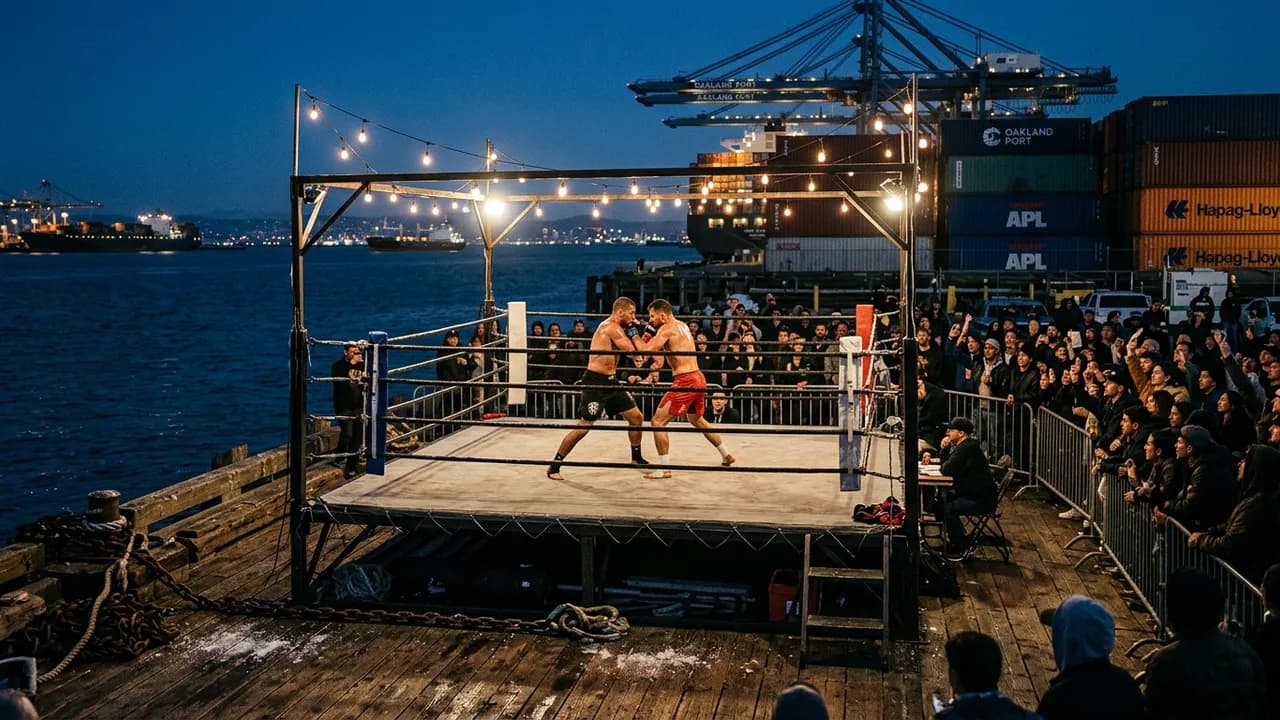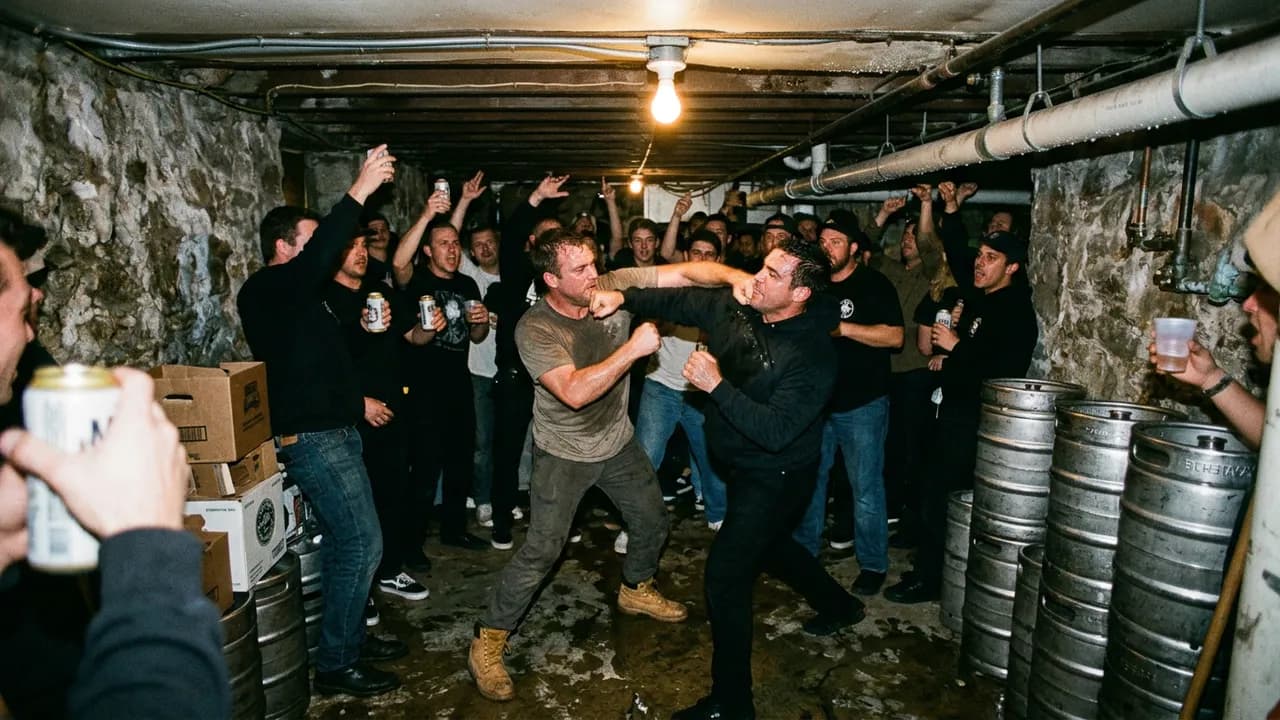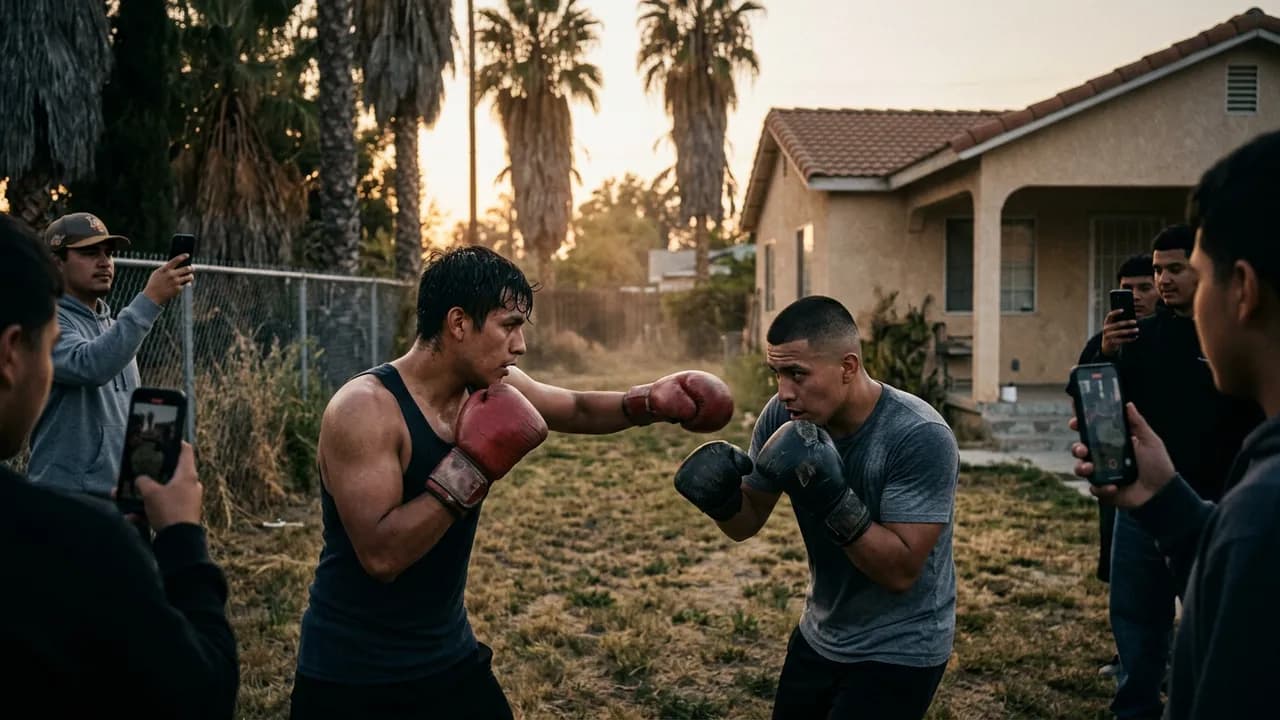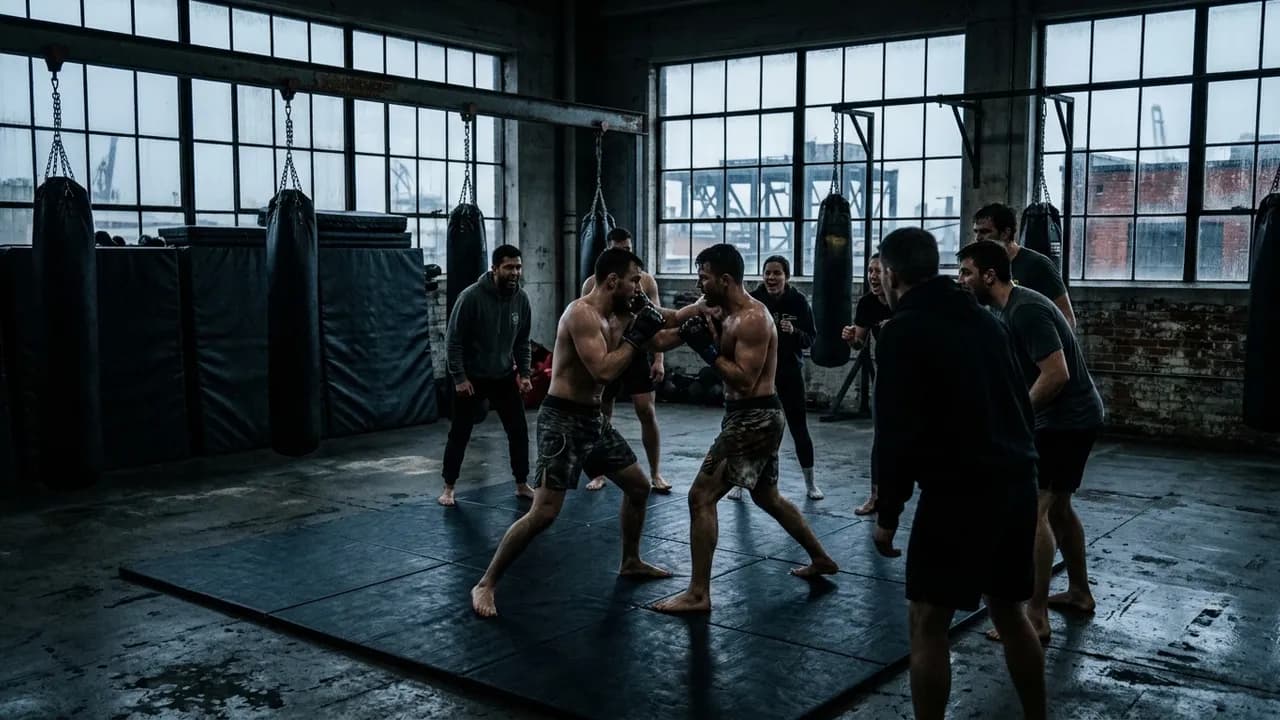
Seattle's underground fight scene is quieter and grayer than the bare-knuckle promotions that draw cameras elsewhere. There is no documented branded organization running concrete-floor fights here. What Seattle has is a deep, serious martial-arts base, a tradition of gym "smokers" that blur the line between sparring and competition, and pockets of backyard boxing in the suburbs and surrounding towns. The Pacific Northwest underground is built on training rooms, not warehouses.
History
Seattle's combat identity grew out of legitimate martial arts long before any underground existed. The region was an early hub for Brazilian jiu-jitsu and submission grappling on the West Coast, and the Pacific Northwest produced a steady stream of MMA talent as the sport professionalized through the 2000s and 2010s. That base matters, because Seattle's informal fighting culture is almost entirely an extension of its gyms rather than a separate criminal underground.
The "smoker" is the through-line. A smoker is an unofficial, low-stakes exhibition bout staged inside or between gyms, usually with gloves and headgear, often without a commission present. Boxing gyms across the country have run them for generations, and Seattle's were no exception. As phone video spread in the 2010s, the same backyard-boxing wave that produced branded scenes in Los Angeles reached the Seattle suburbs, but the city never spawned a single dominant promotion to package it.
Organizations
There is no documented standing underground fight organization headquartered in Seattle, and this page will not fabricate one. The scene is defined by formats and by the legitimate gyms it grows out of.
Gym smokers
The dominant form of semi-underground fighting in Seattle is the smoker: in-house or inter-gym bouts that sit just outside the sanctioned amateur system. They range from controlled sparring exhibitions to genuine competitive matches with no official oversight. The risk varies with the gym and the matchup, and the legality depends on whether money, tickets, or promotion are involved.
Backyard boxing
Outside the gyms, Seattle has the same informal backyard-boxing layer found across the United States: gloves, agreed rounds, recorded on phones, organized through private group chats. It echoes the model formalized by Backyard Squabbles in Los Angeles, though Seattle's version stays small, local, and unbranded.
The grappling overflow
Given the region's strong grappling tradition, a meaningful share of Seattle's informal competition is submission-only or no-gi matches arranged outside official events. These are generally lower-risk than striking bouts but still occur off the regulated record.
Legal status
In Washington State, professional and amateur combat sports are regulated by the Washington State Department of Licensing's athletic program. A promoted, ticketed, or for-money fight held without a license is illegal, and organizers can be prosecuted. A smoker or backyard bout between consenting adults with no admission and no promotion sits in murkier territory, but it is not a legal safe harbor.
The honest framing: enforcement tends to follow money, publicity, and injury rather than the bare act of two people agreeing to box in a gym. That is not protection. Unregulated bouts run without a ringside physician, without insurance, and without a commission's weight and medical checks, and Washington law does not treat consent as a defense when someone is seriously hurt. The same legal structure governs informal fighting across the region, including the long-running club scene of the East Bay Rats down in Oakland.
Where the action is
Seattle's underground does not occupy a fixed venue or neighborhood. Smokers happen wherever a committed gym wants to run them. Backyard events follow lot size and privacy, which pushes them toward the outer suburbs and surrounding towns rather than the dense city core. Nothing here is advertised, and locations are shared late and only with insiders.
The legitimate scene is the visible part and the social spine of everything else: the city's BJJ academies, boxing gyms, and MMA camps are where almost every informal fighter trains.
How to find it (and the safer route)
Access works through the gyms, not through public channels. Smokers and backyard matches reach people who are already embedded in a training community; an outsider asking around will be turned away, which is by design. There is no listing, no public schedule, and no promoter to call.
The far more accessible path is the sanctioned one. Washington's amateur boxing and MMA circuit, and the region's dense network of grappling and striking gyms, give anyone who wants to compete a regulated, insured, medically supervised place to do it. For readers drawn to the documented unsanctioned end of the spectrum, the stories live elsewhere: the West Coast backyard model in Los Angeles, the gym-overflow scene of San Diego, and the club-fight tradition of Oakland.
FAQ
Is there a famous underground fight club in Seattle? No documented standing promotion is based in Seattle. The scene is gym smokers and informal backyard boxing rather than a single branded organization.
Are gym smokers legal in Seattle? A promoted or ticketed bout without a Washington license is illegal. An unpromoted smoker between consenting adults is murkier but carries real medical and legal risk, since Washington does not accept consent as a defense for serious injury.
Where do Seattle fighters compete legally? Through licensed amateur and professional cards regulated by the Washington State Department of Licensing, supported by the region's deep network of grappling and striking gyms.