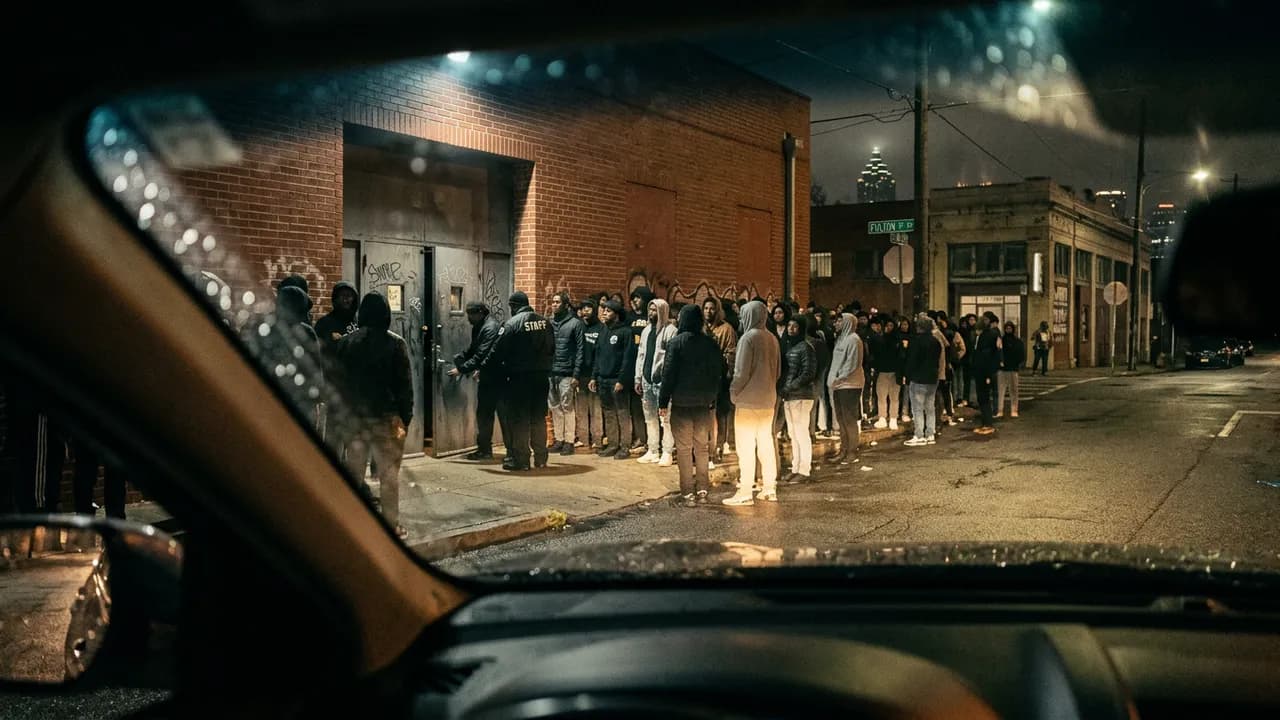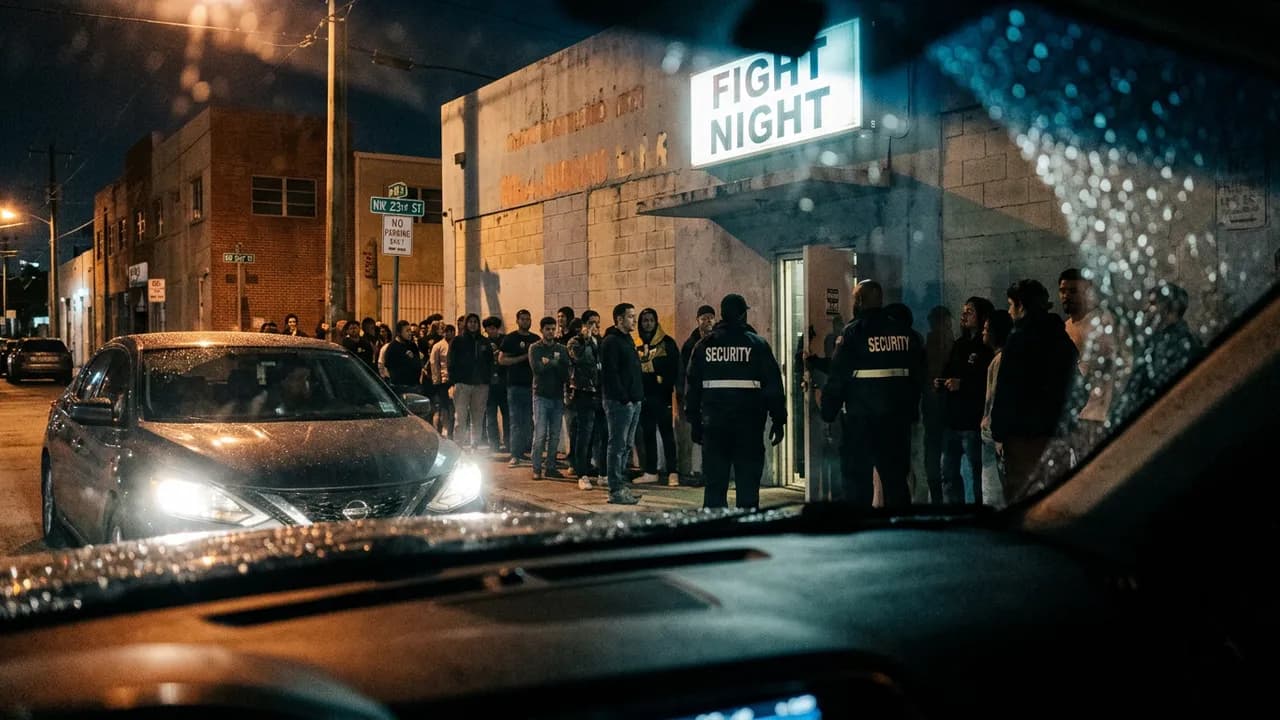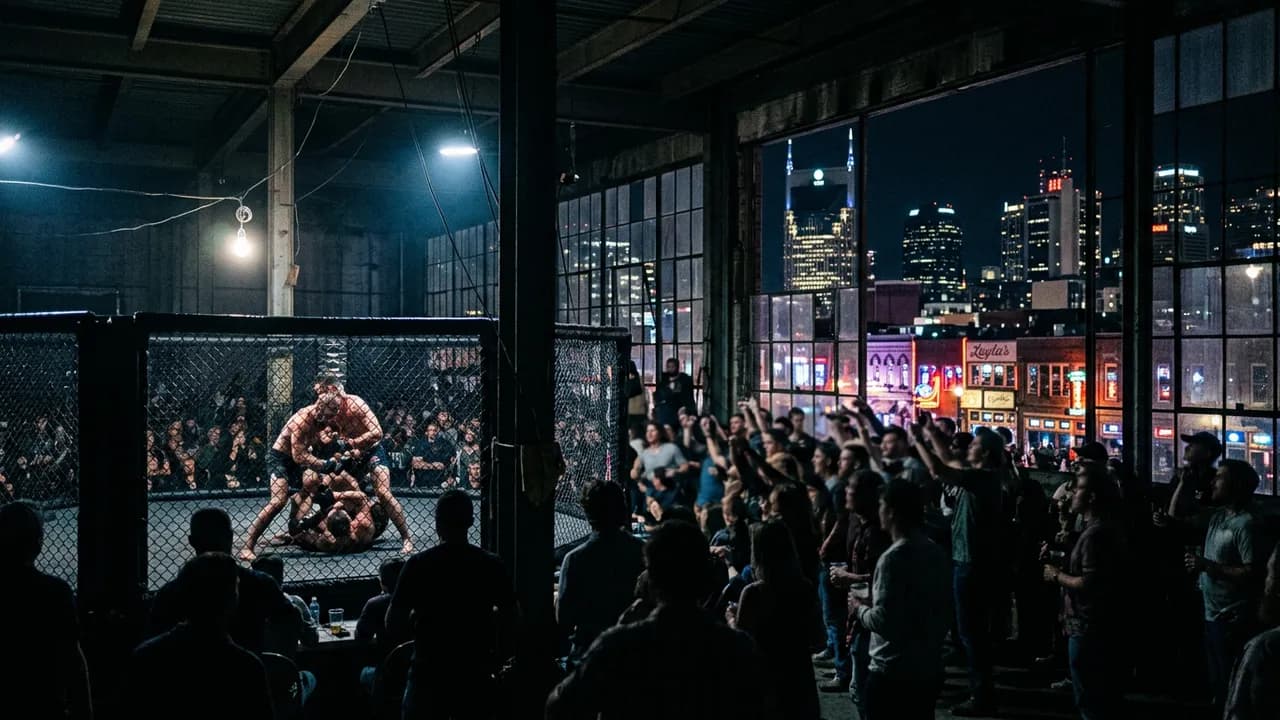
Nashville is known to the world as Music City -- the home of country music, honky-tonk bars, and the kind of southern hospitality that makes tourists feel welcome. But beneath the neon glow of Lower Broadway is a city that has always had an edge. The neighborhoods of East Nashville, North Nashville, and the communities south of the Cumberland River carry the toughness that comes from generations of poverty, racial tension, and the Southern ethos that a person's worth is measured in part by their willingness to stand and fight. Nashville's combat sports scene is emerging from these roots, fed by the city's explosive population growth and its appetite for the kind of raw entertainment that the music industry cannot always provide.
The underground fighting scene in Nashville is in its growth phase. The city lacks the deep boxing traditions of a Detroit or Philadelphia, but it has something that those cities do not -- momentum. Nashville is one of the fastest-growing cities in America, and every new arrival adds to the energy that is building the city's fighting culture from the ground up.
History
Tennessee has a long tradition of informal fighting that predates the state's formalization of combat sports regulation. The rural communities of middle and east Tennessee maintained bare knuckle fighting traditions well into the twentieth century -- fights at country stores, at farm gatherings, and at the kind of roadhouse establishments where entertainment and violence were not always distinguishable. This tradition migrated into Nashville as the city grew and as rural Tennesseans moved to the capital seeking work.
Nashville's Black community, centered in North Nashville, developed its own fighting traditions through community boxing programs and informal competitions. The historically Black colleges in the area -- particularly Tennessee State University -- supported boxing programs that produced competitive fighters. These traditions were never as nationally visible as the boxing scenes in larger cities, but they established a foundation on which the current scene is being built.
The modern combat sports boom reached Nashville in the 2010s as the city's rapid growth brought new residents, new money, and new entertainment demands. MMA gyms opened across the metropolitan area. The UFC staged events at Bridgestone Arena. Regional promotions identified Nashville as an underserved market with enormous potential. The underground scene developed in parallel, driven by social media and by the Southern fighting culture that had always existed in the city's working-class neighborhoods.
Organizations
Regional Promotions
Nashville has attracted regional MMA and boxing promotions that recognize the city's growing market. These sanctioned events provide competitive opportunities for local fighters and serve as entertainment for the city's expanding population. The promotion landscape is still developing -- Nashville has not yet produced a homegrown promotion with the kind of following that would make it a destination for fighters from outside the region.
The Backyard Scene
Nashville's backyard fighting scene is growing alongside the city itself. Social media accounts document fights in East Nashville, Antioch, and the suburban communities that ring the metropolitan area. The format tends toward boxing and informal MMA, reflecting the influences that shape the city's fighting culture -- Southern tradition, gym training, and the social media content that connects Nashville fighters to the national underground.
The connection to the broader Southern fighting scene is significant. Nashville fighters travel to events in Atlanta, Memphis, and across Tennessee, and fighters from those cities come to Nashville. This regional circuit creates a competitive ecosystem that is larger and more dynamic than any single city's scene.
Gym Culture
Nashville's combat sports gym infrastructure has grown rapidly. Boxing clubs, MMA facilities, and martial arts schools have opened across the city to serve both the fitness market and the competitive fighting community. The gyms serve as hubs for the city's fighting culture, connecting fighters with training, competition, and the informal networks that lead to underground events.
Notable Fighters
Nashville's contributions to the national fighting landscape are still developing. The city has produced fighters who have competed on regional MMA cards and in amateur boxing, but it has not yet generated the kind of nationally recognized fighting figures that characterize more established cities. The underground scene's notable figures are known locally, their reputations built within the neighborhoods and social media networks that organize Nashville's informal fighting events.
The city's growth suggests that this will change. As more fighters train in Nashville and as the scene matures, the emergence of nationally visible figures from the city's fighting community is a matter of when, not if.
Legal Status
Tennessee regulates combat sports through the Tennessee Athletic Commission. Professional and amateur boxing and MMA events require licensing, and the commission exercises oversight over sanctioned events. The regulatory framework is functional and supports the growth of the sanctioned combat sports scene.
Unsanctioned fighting in Tennessee operates in a legal grey area. The state does not have a mutual combat statute, and organized informal fighting events can result in charges ranging from assault to promoting unlicensed combat sports. In practice, enforcement is inconsistent, and the backyard scene in the Nashville area operates with limited interference as long as events remain on private property and do not produce serious injuries or public disturbances.
How to Get Involved
Nashville's combat sports scene is accessible and growing. The city's boxing and MMA gyms welcome newcomers, and many offer programs designed for beginners. USA Boxing amateur competitions are held in Tennessee, and the state's MMA amateur circuit provides additional competitive opportunities.
BKFC events in the Southeast are announced through bkfc.com, and the promotion's expansion strategy includes the Nashville market. Rough N' Rowdy events have toured through the South, providing another entry point for amateur fighters.
The underground scene is accessible through social media and through the gym networks that connect Nashville fighters with informal competition opportunities.
Related Cities
- Atlanta -- The South's fight capital and Nashville's closest parallel
- Memphis -- Fellow Tennessee city with deeper fighting traditions
- Miami -- Southern city where viral backyard fighting began
- Harrisonburg -- Streetbeefs' birthplace, whose model has influenced Southern fighting culture