Australia is a nation that was built on fighting. The convict colonies, the gold rushes, the frontier violence, the pub brawls that are as much a part of the national identity as cricket and meat pies -- all of it has produced a culture where physical toughness is not just respected but expected. Melbourne, Australia's second-largest city and its cultural capital, sits at the intersection of this fighting heritage and the cosmopolitan sophistication that characterizes modern Australia. The result is a city with a combat sports scene that is deep, diverse, and shot through with the larrikin energy that makes Australian culture distinct.
Melbourne is the home of Australian boxing. It is where the biggest fights in the country's history have taken place, where the most important gyms have operated, and where the underground scene carries forward traditions that stretch back to the bare knuckle bouts of the colonial era.
History
Australia's fighting history begins with the convict era. The bare knuckle boxing tradition that thrived in Georgian and Victorian England was transported to the colonies along with the prisoners and settlers who built the country. Melbourne, founded in 1835 and rapidly growing through the gold rush of the 1850s, became the center of Australian boxing. The goldfields attracted adventurers, laborers, and fighters from across the world, and the rough camps and tent cities that surrounded the mines were natural environments for bare knuckle combat.
By the late nineteenth century, Melbourne had established itself as the boxing capital of Australia. The city hosted bouts that drew enormous crowds and produced fighters who competed internationally. The stadiums of Richmond and the inner suburbs became legendary boxing venues, and the city's working-class neighborhoods -- Collingwood, Fitzroy, Footscray -- produced fighters who carried the suburbs' names into the ring with them.
The twentieth century saw Melbourne maintain its position at the center of Australian boxing. Jeff Fenech, Lionel Rose -- the first Indigenous Australian to win a world boxing title -- and Kostya Tszyu all have connections to the Melbourne scene. The city's boxing gyms continued to serve working-class communities, providing the same combination of discipline, fitness, and competitive opportunity that boxing has always offered.
MMA arrived in Australia in the early 2000s and found a receptive audience. The UFC staged its first Australian event in 2010, and Melbourne has hosted multiple UFC cards since then. The growth of MMA diversified the city's fighting culture and introduced a new generation to combat sports.
Organizations
Boxing Gyms and Promotions
Melbourne's boxing infrastructure is the strongest in Australia. Gyms across the city train fighters from amateur through professional levels, and the amateur boxing scene in Victoria is active and competitive. Boxing Victoria organizes regular competitions that serve as pathways to state and national representation.
Professional boxing promotions stage regular events in Melbourne, and the city remains the first choice for major boxing cards in Australia. The relationship between the sanctioned boxing world and the underground is the familiar one -- skills developed in gyms flow into informal competition, and fighters move between the two worlds based on opportunity and preference.
The Underground Scene
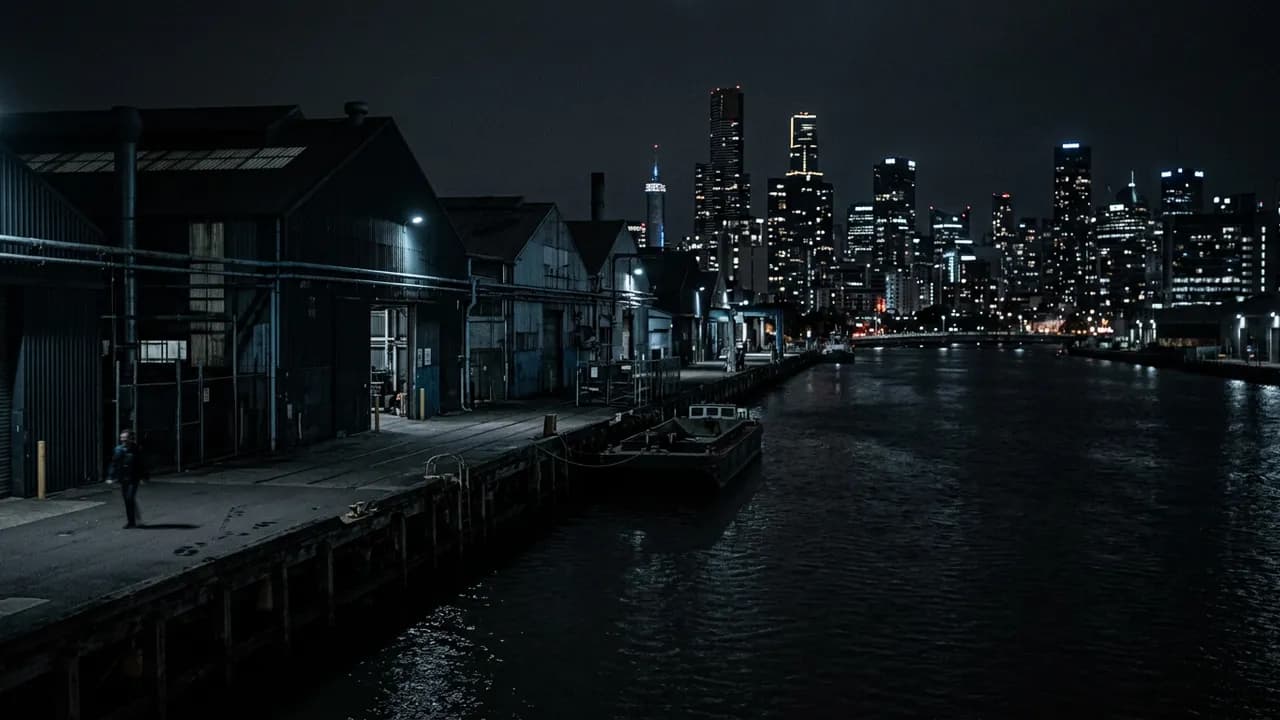
Melbourne's underground fighting scene operates in the spaces between the sanctioned world and the street. Warehouse events in the industrial suburbs, backyard fights in the outer western and northern suburbs, and informal competitions in gyms and private venues constitute a scene that is active but discreet.
The scene draws from Melbourne's diverse population. The city's Greek, Italian, Lebanese, Pacific Islander, and Southeast Asian communities all bring their own fighting traditions, and the underground reflects this diversity. The western suburbs -- Footscray, Sunshine, St Albans -- are particularly active, with communities that maintain strong connections to martial traditions from their countries of origin.
Social media has amplified the scene, with fight content from Melbourne circulating on Australian and international platforms. The content tends to be less polished than the output of American underground promotions, reflecting the smaller market and the more discreet nature of the Australian scene.
MMA Community
Melbourne's MMA community is large and technically sophisticated. The city is home to multiple high-quality training facilities that produce fighters for the UFC, ONE Championship, and regional promotions. The MMA gym scene has attracted fighters and coaches from around the world, creating a training environment that rivals those in any American city.
Notable Fighters
Melbourne has produced fighters who have competed at the highest levels of world boxing. The city's Indigenous boxing tradition, highlighted by Lionel Rose's world championship, is a source of particular pride. In MMA, Melbourne-trained fighters have competed in the UFC and have established the city as a legitimate production center for combat sports talent.
The underground scene's fighters are known within Melbourne's neighborhood networks and fighting communities. The city's diverse demographics mean that underground reputations tend to be community-specific -- a fighter might be legendary in the western suburbs while being entirely unknown in the eastern ones.
Legal Status
Combat sports in Australia are regulated at the state level, with the Victorian government overseeing professional boxing and MMA through the Professional Boxing and Combat Sports Board. Events require licensing, and the regulatory framework is comprehensive. Amateur boxing and MMA operate under their own governing bodies.
Unsanctioned fighting in Victoria is illegal and can result in assault charges. Victoria Police have intervened in organized informal fighting events, and the legal consequences can be significant. The regulatory environment in Australia is generally more restrictive than in the United States, and the underground scene operates with greater discretion as a result.
The cultural acceptance of fighting in Australia creates a tension with the legal framework. In a country where pub brawls are a cultural cliche and where "having a go" is a respected virtue, the legal prohibition on consensual fighting sits awkwardly alongside the social tolerance for it.
How to Get Involved
Melbourne's combat sports scene is accessible and diverse. The city's boxing gyms welcome newcomers, and the amateur boxing circuit in Victoria provides structured competitive opportunities. MMA gyms across the city offer programs for all levels, from beginners to professional competitors.
The UFC stages events in Melbourne, and Australian MMA promotions provide regular competitive opportunities for fighters at the professional and amateur levels. The professional boxing scene is active, with regular events offering platforms for emerging fighters.
The underground scene is accessible through gym networks and community connections. Building relationships within Melbourne's fighting community is the most reliable path to informal competition opportunities.
Related Cities
- London -- Fellow Commonwealth city with shared boxing heritage
- New York -- Global fight city with comparable diversity
- Toronto -- Fellow multicultural fight city in the Commonwealth
- Los Angeles -- Pacific Rim fight city with growing connections to the Australian scene