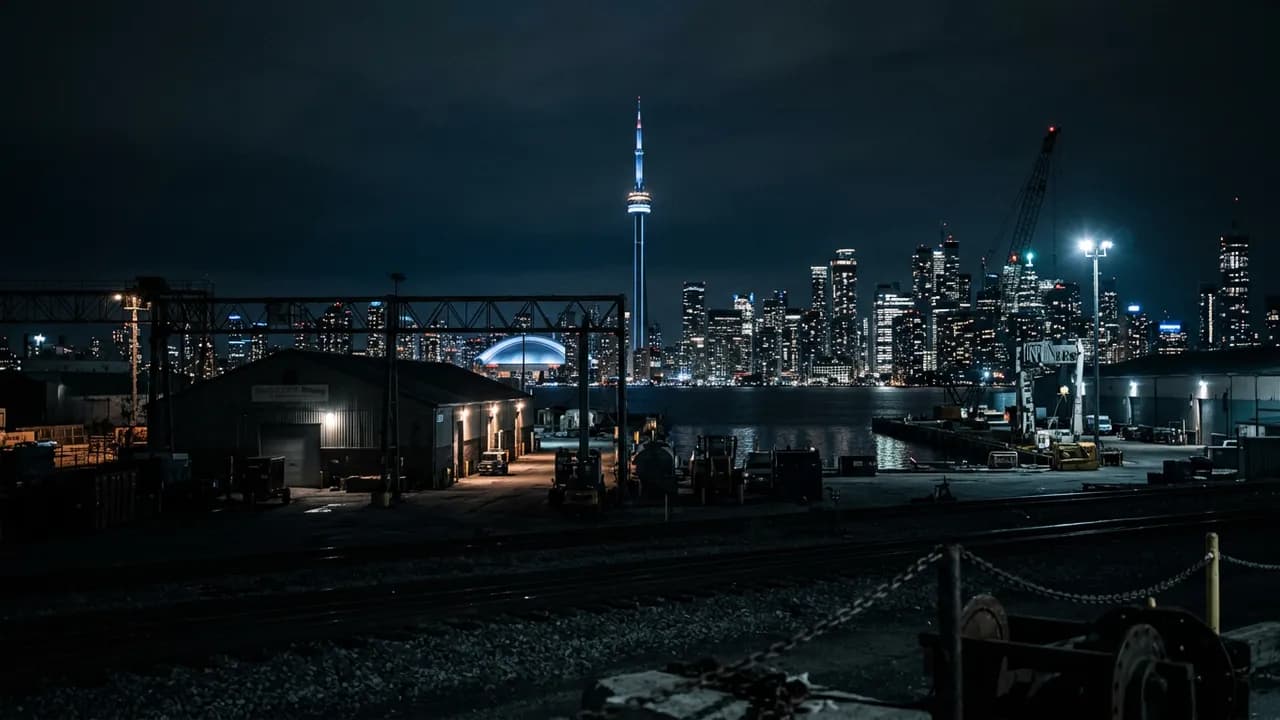
Toronto is the largest city in Canada and one of the most ethnically diverse cities on earth. More than half of its population was born outside the country, and this extraordinary diversity has produced a fighting culture that draws from traditions spanning the globe -- Caribbean boxing, East African martial arts, South Asian wrestling, Eastern European combat sambo, and the Canadian combat sports infrastructure that provides the framework for it all. The result is a city where the fight game is genuinely multicultural, where a single gym might contain fighters training in traditions from four different continents, and where the underground scene reflects the full range of human approaches to combat.
Toronto is also a city where combat sports operate under one of the more complex regulatory landscapes in North America. Ontario's approach to fighting regulation -- progressive in some respects, restrictive in others -- shapes the scene in ways that differentiate Toronto from American fighting cities.
History
Canada's combat sports history has been shaped by the country's relationship with boxing, which was regulated at the provincial level throughout the twentieth century. Toronto hosted major boxing cards that drew fighters from across North America, and the city's boxing gyms served the immigrant communities that settled in neighborhoods like Regent Park, Parkdale, and the Junction.
The Caribbean community's contribution to Toronto's fighting culture is particularly significant. Immigrants from Jamaica, Trinidad, and other Caribbean nations brought boxing traditions that merged with the existing Canadian scene. The gyms of Scarborough and the east end of the city became training grounds for fighters who carried Caribbean fighting traditions into Canadian competition.
MMA arrived in Canada with a bang when the UFC staged UFC 129 at the Rogers Centre in 2011, drawing over 55,000 spectators -- the largest audience for an MMA event in North America at that time. The event announced Toronto as a world-class MMA market and catalyzed the growth of the sport across the city. MMA gyms proliferated, and the competitive circuit expanded to accommodate the growing pool of fighters.
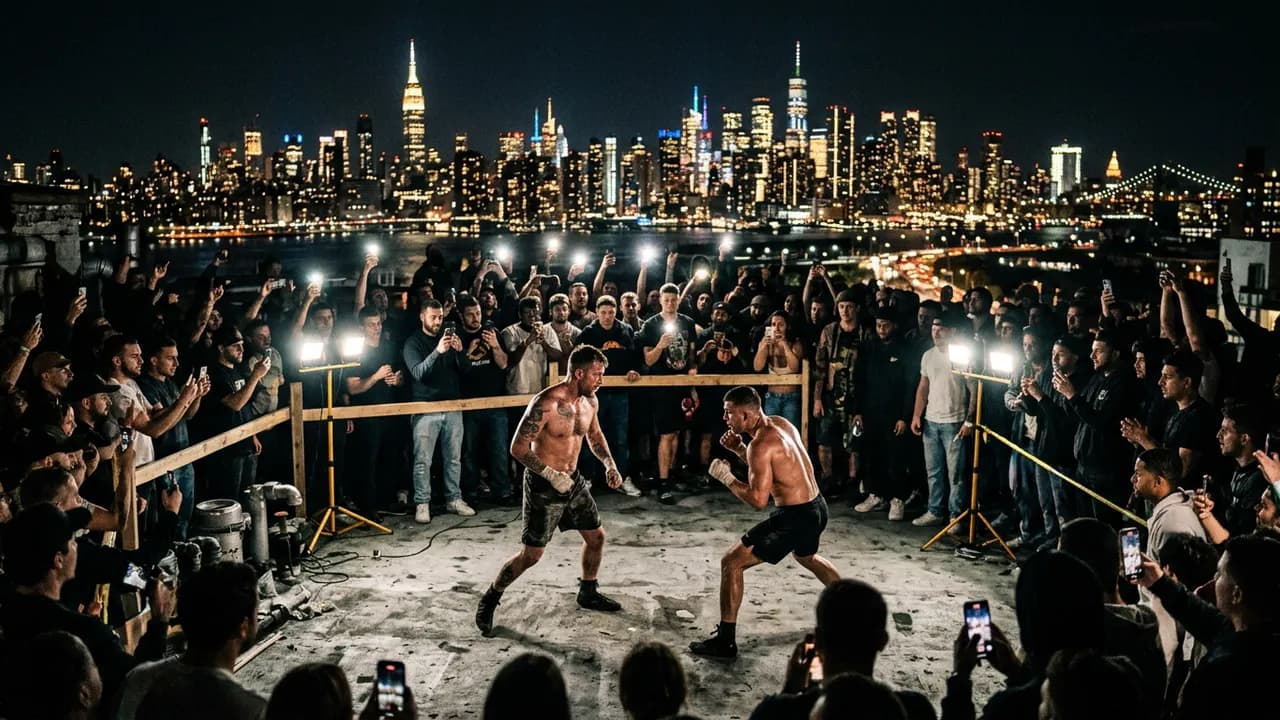
The underground scene developed in the gaps between the sanctioned world and the street. Toronto's size, its diversity, and its economic disparities create the conditions that produce informal fighting in every major city. Backyard events, warehouse fights, and social media-documented confrontations are part of the landscape, driven by the same combination of culture, economics, and testosterone that fuels underground fighting globally.
Organizations
Canadian MMA Promotions
Toronto is home to several MMA promotions that stage events ranging from amateur cards to professional shows. These promotions provide competitive opportunities for the city's growing pool of fighters and serve as feeder systems for larger organizations. The UFC has returned to Toronto multiple times since the historic 2011 event, confirming the city's status as a premium MMA market.
The Multicultural Gym Scene
Toronto's gym landscape reflects the city's diversity. Boxing clubs in Regent Park train fighters from Somali and Caribbean backgrounds. MMA gyms in Scarborough serve the diverse communities of Toronto's eastern suburbs. Muay thai and kickboxing facilities cater to Southeast Asian diaspora communities. Wrestling clubs draw from the Eastern European and South Asian populations that have settled across the metropolitan area.
This diversity is Toronto's distinctive advantage. Fighters who train in Toronto are exposed to a range of styles and traditions that would be difficult to encounter in a more homogeneous fighting environment. The cross-pollination of techniques and philosophies produces fighters who are adaptable and technically versatile.
The Underground Circuit
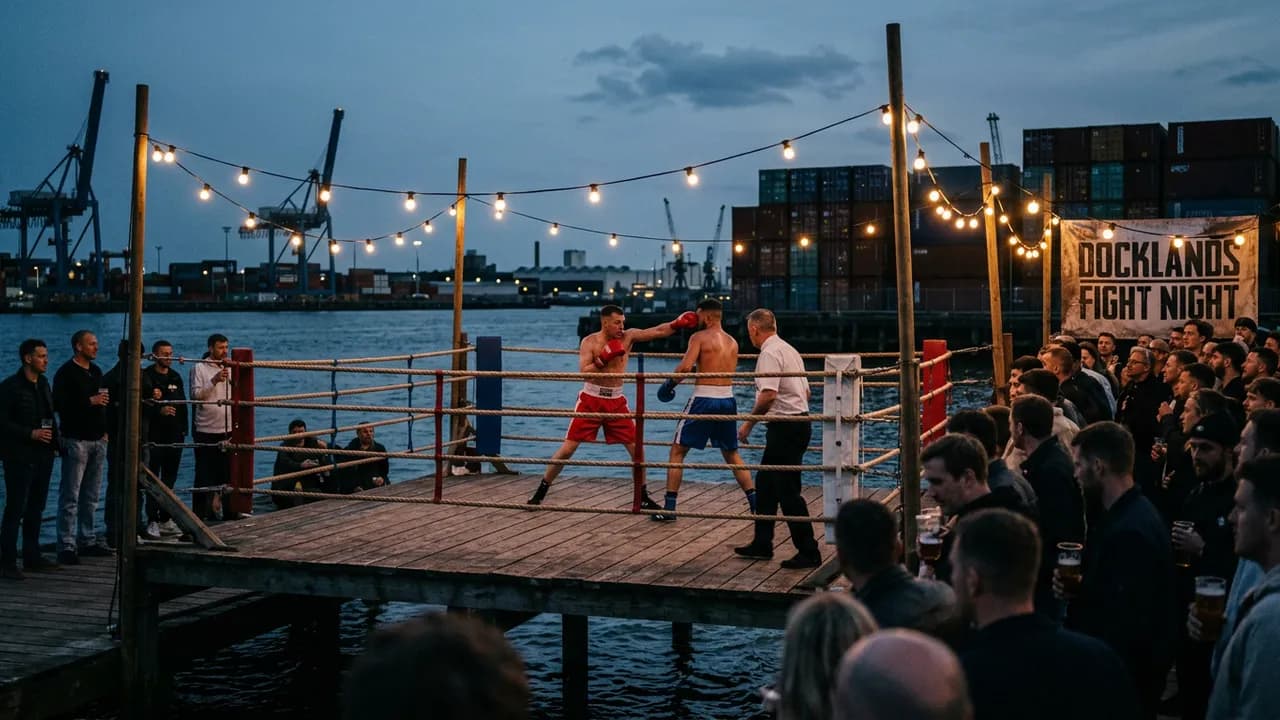
Toronto's underground fighting scene operates through social media networks and community connections. Events take place in warehouses, private properties, and rented venues across the Greater Toronto Area. The format varies -- some events are boxing-focused, others are MMA, and some incorporate traditions specific to the communities that organize them.
The scene is decentralized and ethnically diverse, reflecting the city's demographics. Different communities organize their own events, and the underground circuit is really a collection of overlapping scenes rather than a single unified movement.
Notable Fighters
Toronto has produced fighters who have competed at the highest levels of MMA and boxing. The city's UFC connections are strong, with multiple fighters from the Toronto area competing in the promotion. The amateur boxing programs in Ontario have developed fighters who have represented Canada in international competition.
The underground scene's notable figures are known within their specific communities -- Somali fighters known in Scarborough, Caribbean boxers known in the Junction, Eastern European fighters known in the North York networks. The city's size and diversity mean that underground reputations tend to be community-specific rather than citywide.
Legal Status
Ontario's combat sports regulatory landscape is managed by the Ontario Athletic Commission. Professional boxing and MMA events require licensing, and the commission exercises oversight over sanctioned events. Canada has been generally progressive in its approach to MMA regulation, and the sport operates legally across the country.
Unsanctioned fighting in Ontario carries legal risk under the Canadian Criminal Code, which prohibits prize fighting. The definition of prize fighting has been interpreted broadly, and organized informal fighting events can result in criminal charges. However, enforcement is inconsistent, and the practical approach of Toronto Police Service to informal fighting events depends on scale, visibility, and whether events produce public disorder or serious injuries.
The legal landscape is more restrictive than in many US states, where de facto tolerance provides greater space for informal fighting. This regulatory pressure has kept Toronto's underground scene more discreet than its American counterparts.
How to Get Involved
Toronto's combat sports scene is extensive and accessible. The city's boxing and MMA gyms welcome newcomers, and many offer programs specifically designed for beginners. The amateur boxing and MMA circuits in Ontario provide structured competitive opportunities at all levels.
The underground scene is accessible through community connections and gym networks. Toronto's diversity means that multiple entry points exist, depending on the community and fighting tradition one is drawn to. Building relationships within the gym scene is the most reliable path to informal competition opportunities.