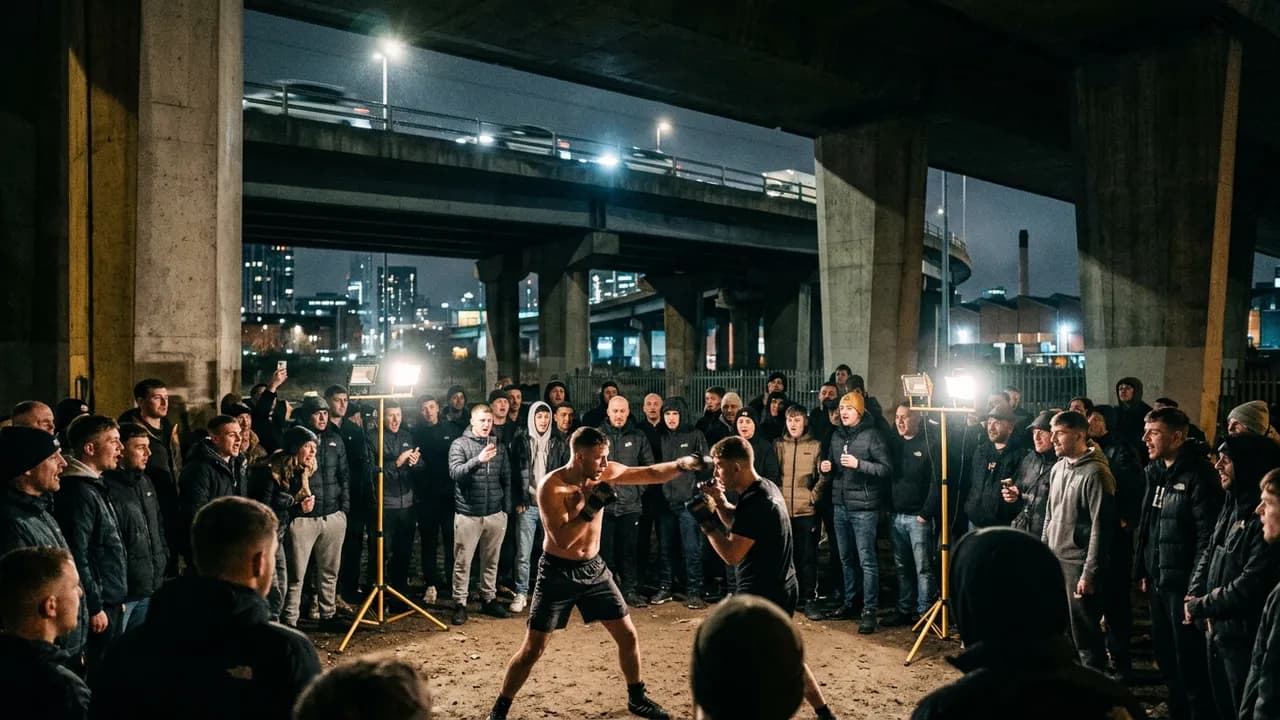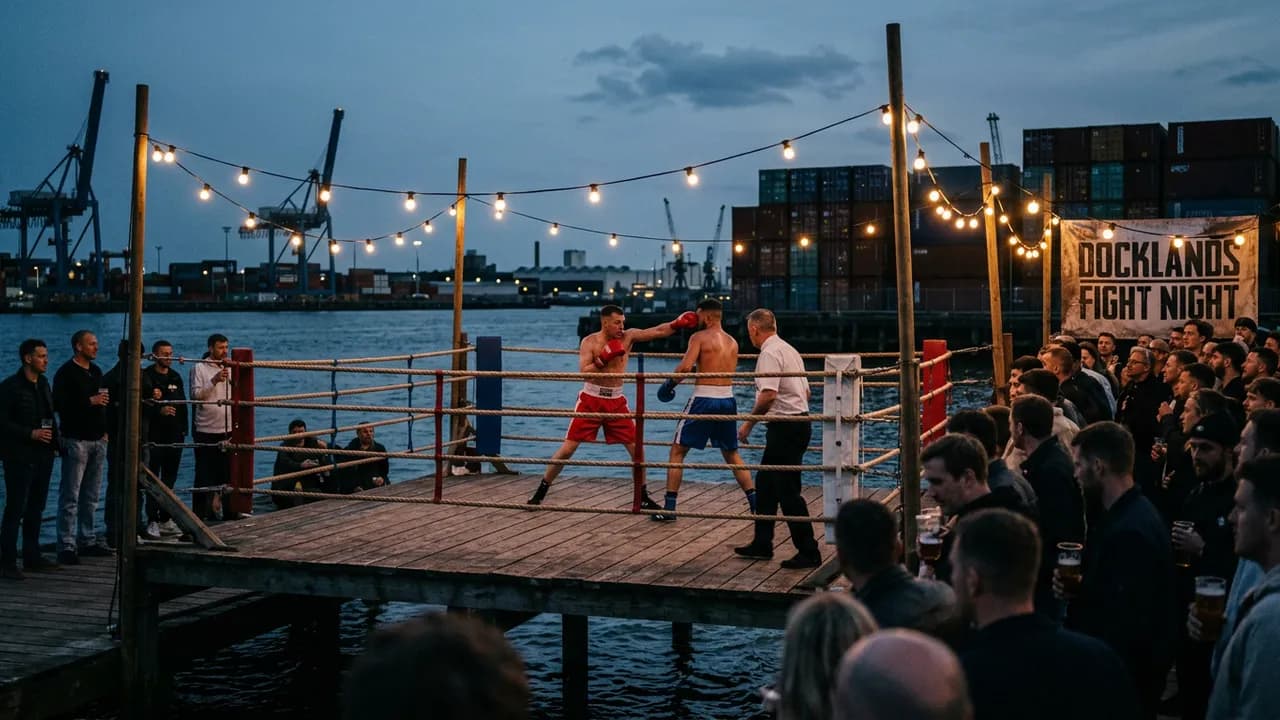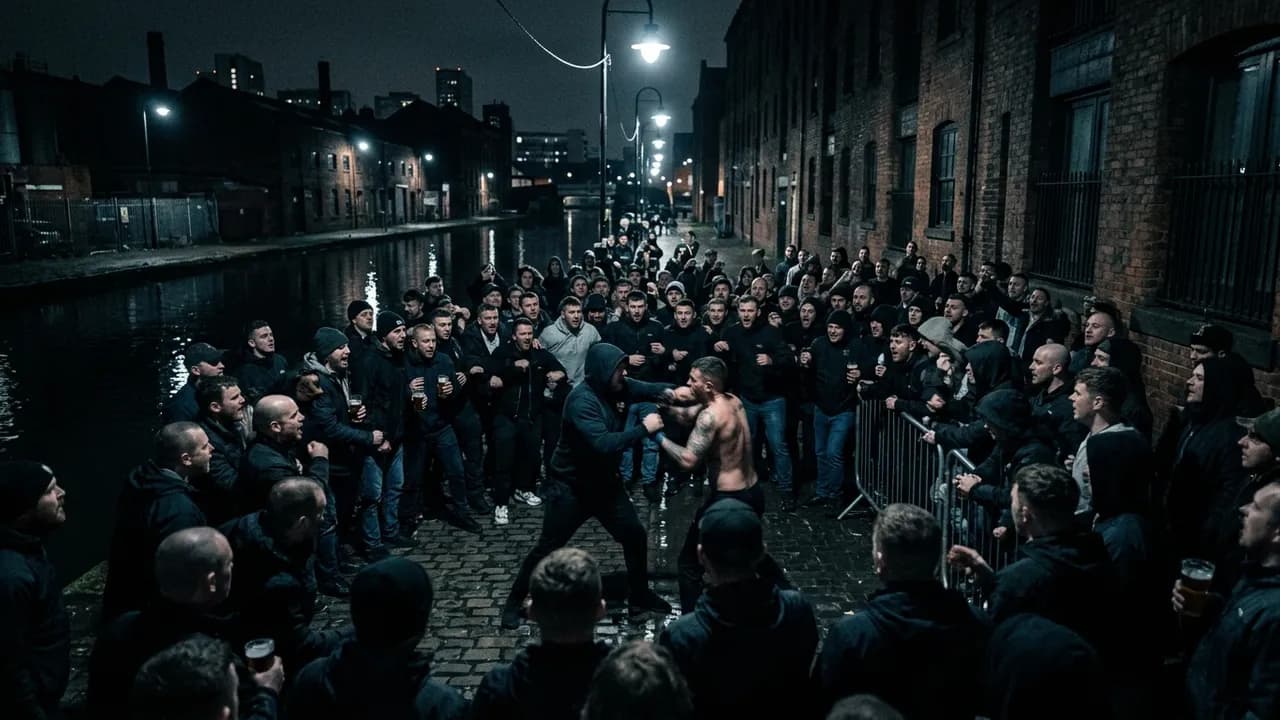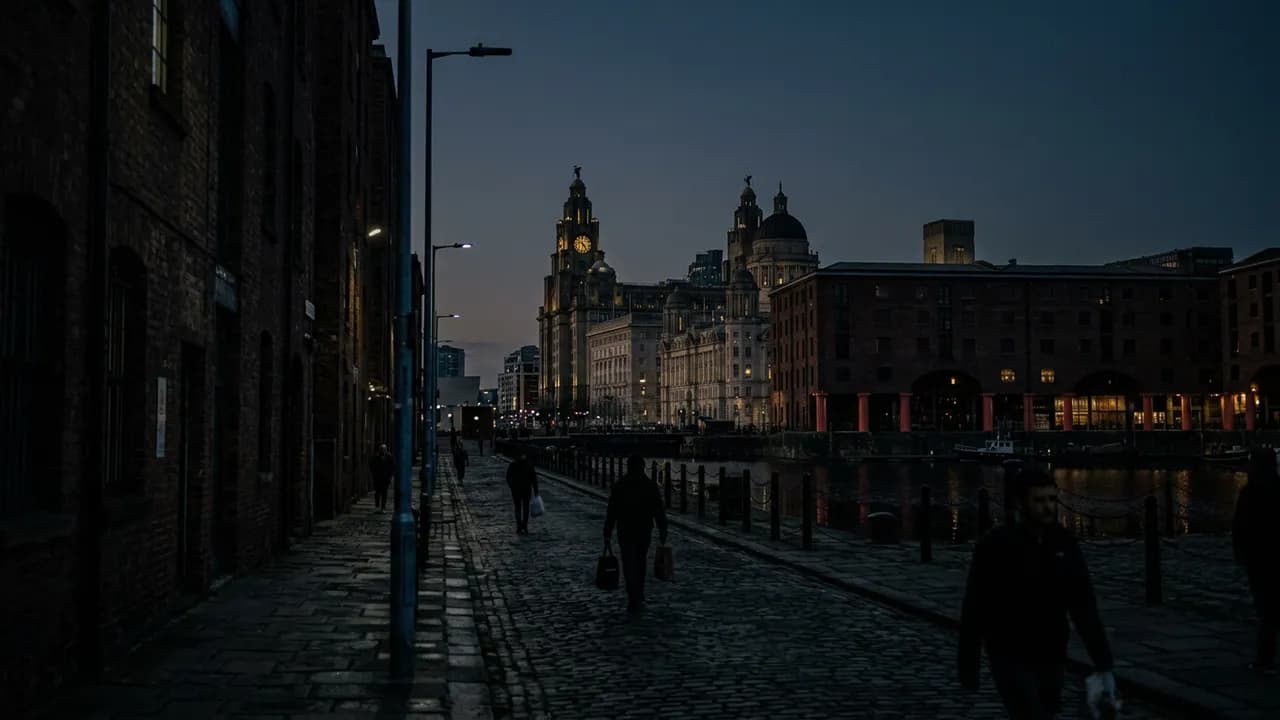
Liverpool is a port city with a fighter's soul. The docks that once connected Britain to the world brought waves of immigrants -- Irish, Welsh, Chinese, West African -- who mixed with the native population to create a culture that is fiercely proud, devastatingly funny, and absolutely unwilling to back down from a confrontation. The Scouse identity is built on loyalty, community, and the kind of physical courage that comes from growing up in neighborhoods where softness is a liability. Liverpool's boxing tradition reflects this identity -- it is deep, it is productive, and it feeds directly into the underground fighting scene that operates in the pubs, gyms, and back streets of Merseyside.
The city's connections to the broader UK bare knuckle scene and to international promotions like KOTS have given Liverpool fighters platforms that extend well beyond the Mersey. When a Scouser steps into a ring -- sanctioned or otherwise -- they carry the weight of a city that takes fighting personally.
History
Liverpool's boxing history is intertwined with its history as a port. The sailors, dockers, and warehouse workers who labored on the Merseyside waterfront brought a physical culture that found expression in the boxing gyms that sprang up across the city. The Liverpool Stadium, which operated from the 1930s to the 1980s, was one of Britain's great boxing venues, hosting fights that drew crowds from across the North West.
The Irish influence on Liverpool's fighting culture is profound. The city's large Irish population brought boxing traditions that merged with the native Scouse culture to produce a fighting identity that is distinctly Liverpudlian. The gyms of the Scotland Road area and the Dingle produced fighters who competed professionally and who established Liverpool's reputation as a city that takes boxing seriously.
The bare knuckle tradition in Liverpool has historical roots in the dockyards and the rougher neighborhoods of the south end. Informal fighting was a feature of waterfront life, and the tradition persisted even as professional boxing provided a more structured outlet. In the modern era, the UK bare knuckle revival has reconnected Liverpool with this heritage, and fighters from Merseyside have been prominent in the organized bare knuckle scene.
Organizations
KOTS Connections
Liverpool fighters have appeared on King of the Streets cards in Gothenburg, traveling to Sweden to compete in the promotion's no-rules format. The willingness of Scouse fighters to travel internationally for fights reflects both the city's fighting ambition and its cultural confidence. KOTS's format -- bare knuckle, minimal rules, outdoor venues -- resonates with Liverpool's own traditions of raw, unfiltered combat.
BKB and the Bare Knuckle Scene
BKB has drawn fighters from the Merseyside area, and Liverpool is a natural market for bare knuckle events given the city's boxing heritage and its cultural appetite for fighting. The organized bare knuckle scene provides a formalized outlet for fighters who might otherwise compete in entirely informal settings.
Boxing Gyms
Liverpool's boxing gym scene is one of the strongest in the UK outside London. Gyms like the Rotunda ABC, the Salisbury ABC, and numerous other amateur and professional clubs have produced fighters who have competed at British, European, and world level. The amateur boxing scene in Merseyside is exceptionally productive, with regular tournaments sanctioned by England Boxing providing a competitive pathway from novice to elite.
The gyms serve as community institutions in neighborhoods where other social infrastructure may be lacking. They provide structure, discipline, and purpose for young people, and they serve as the connective tissue that links Liverpool's sanctioned fighting world to its underground scene.
Notable Fighters
Liverpool has produced boxing talent at every level. The city's professional boxers have held British and Commonwealth titles, and Merseyside fighters have competed for world championships across weight classes. The amateur boxing programs continue to develop fighters who represent England and Great Britain in international competition.
The underground scene's fighters are known within the tight-knit communities of Merseyside -- in the pubs, the gyms, and the social networks that constitute Liverpool's fighting world. The city's relatively small size compared to London or Manchester means that reputations are personal rather than anonymous, built through face-to-face encounters rather than social media reach.
Legal Status
Combat sports in England are regulated by various bodies depending on the discipline. Professional boxing falls under the British Boxing Board of Control, while amateur boxing is governed by England Boxing. MMA has its own regulatory structure. Bare knuckle boxing exists in a regulatory space that is still evolving, with promotions like BKB operating under their own frameworks.
Unsanctioned fighting in Liverpool carries the same legal risks as elsewhere in England. Assault charges can apply to consensual fighting, and organizing informal events can attract police attention. Merseyside Police have periodically intervened in organized informal fighting events, though the frequency and intensity of enforcement varies.
The practical reality is that informal fighting in Liverpool is deeply embedded in the city's culture and is unlikely to be eliminated through enforcement alone. The tradition is too old, too widespread, and too intertwined with the city's identity for policing to address it comprehensively.
How to Get Involved
Liverpool's boxing gyms are the obvious entry point. The city's amateur boxing scene is world-class, and the gyms welcome newcomers of all backgrounds. England Boxing-sanctioned competitions provide a structured competitive pathway, and the quality of coaching available in Liverpool is among the best in the country.
MMA and martial arts training is also available across Merseyside, with multiple facilities offering programs in Brazilian jiu-jitsu, muay thai, and mixed martial arts.
The underground scene is accessible through the gym networks and community connections that characterize Liverpool's fighting culture. The city's compact size means that the fighting community is relatively easy to connect with once you have established yourself in a gym or social network.
Related Cities
- Manchester -- North West rival and home to KOTR
- London -- UK fight capital with the largest combat sports scene
- Birmingham -- Bare knuckle heartland of the Midlands
- Glasgow -- Fellow tough port city with deep boxing traditions