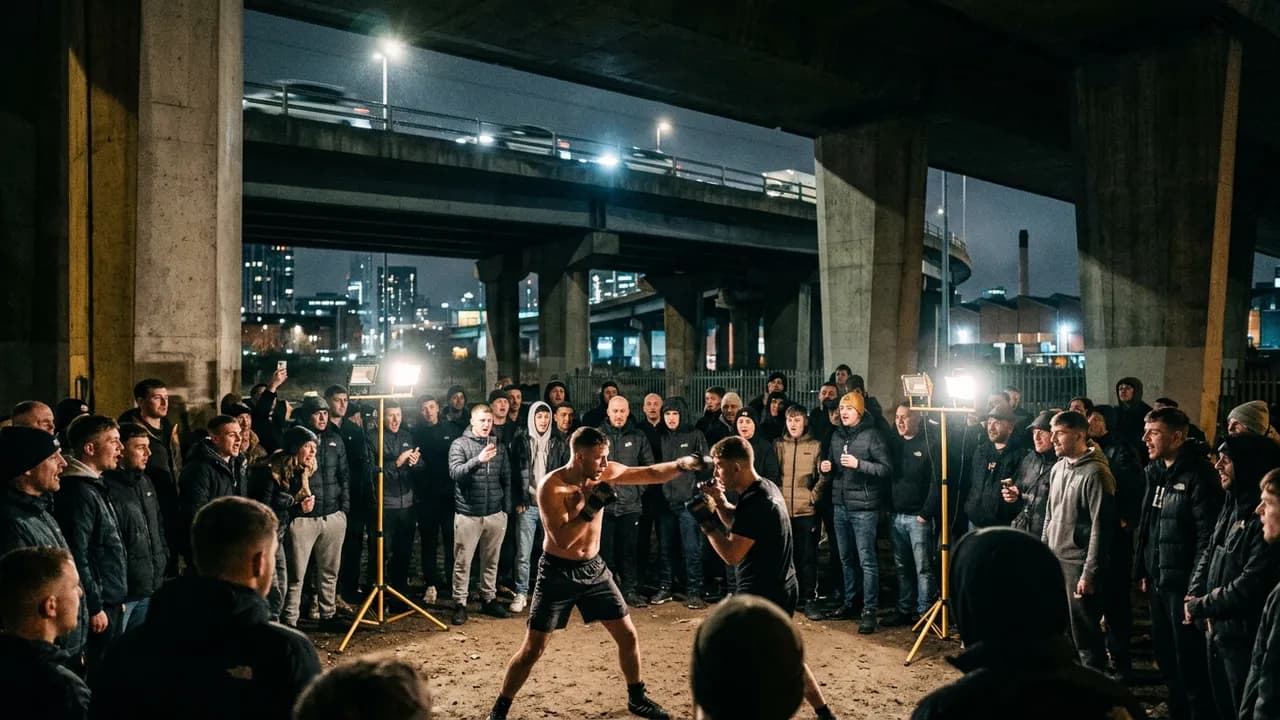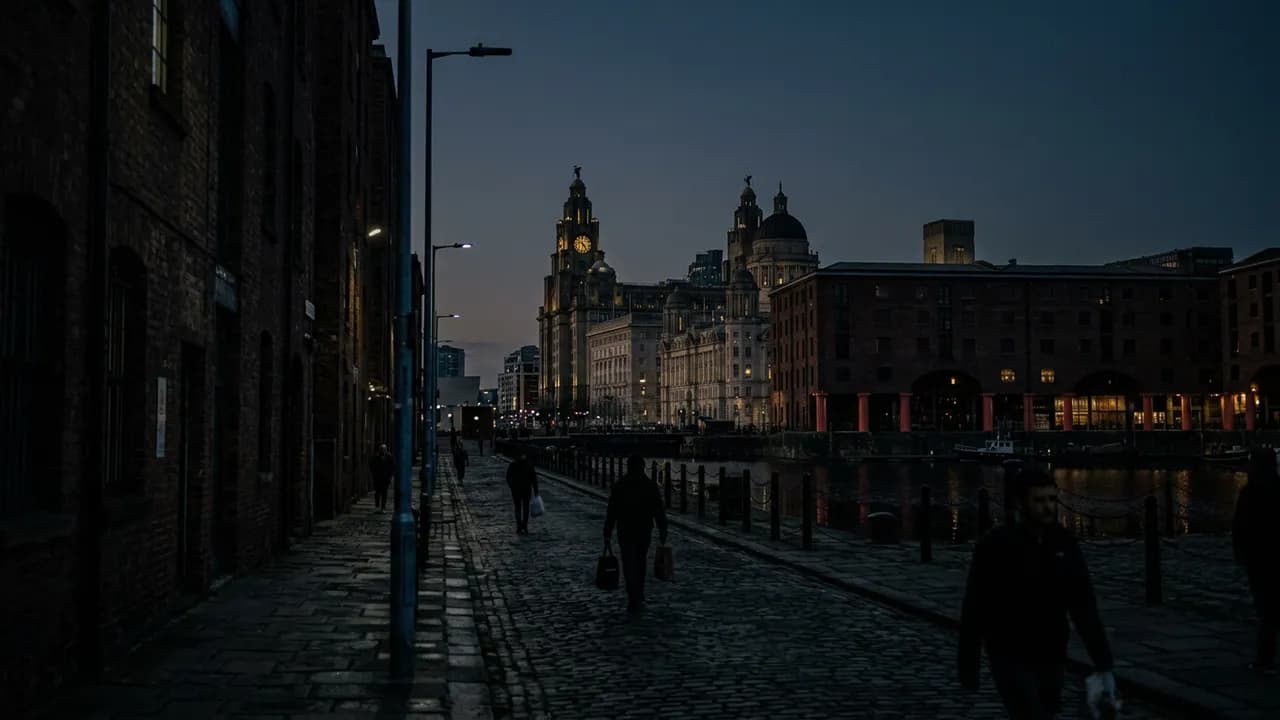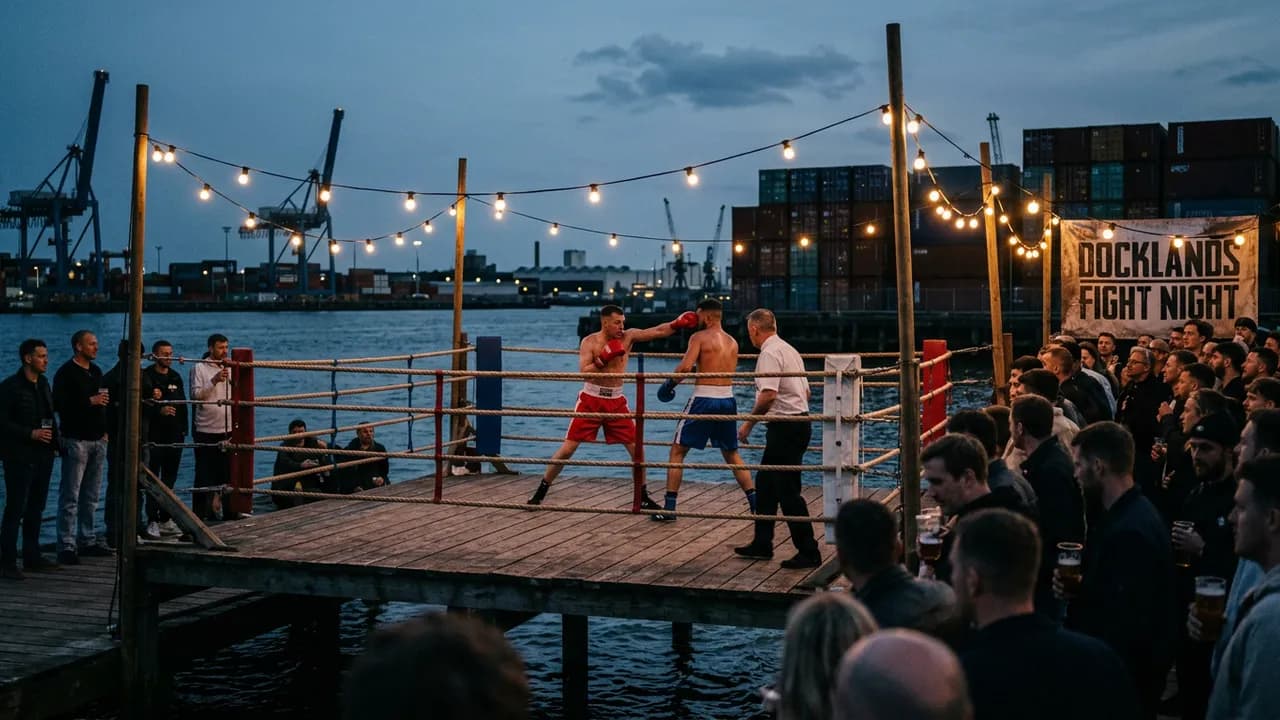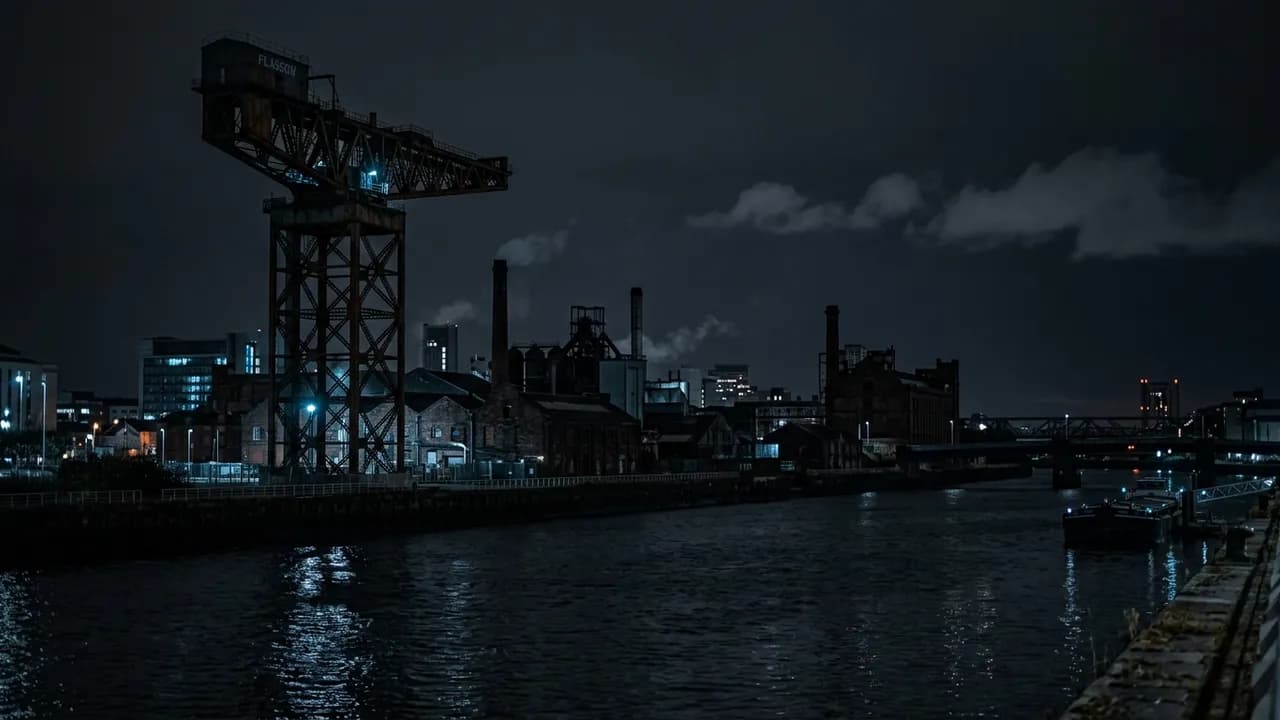
Glasgow has a reputation. It is, by most measures, the toughest city in the United Kingdom -- a distinction earned through centuries of poverty, sectarianism, industrial hardship, and a culture that treats physical courage as the baseline of social respectability. The Glaswegian identity is forged in the same fires that built the ships on the Clyde: hard work, hard drinking, and the understanding that when words fail, fists will have to do. This is not a romanticization. Glasgow's history of violence is real, documented, and ongoing. But within that history is a fighting tradition that has produced extraordinary boxers, a fierce fan culture, and an underground scene that reflects the city's uncompromising character.
Glasgow fights. It always has. The question is not whether there is an underground fighting scene in Scotland's largest city -- the question is how to understand it within the broader context of a city where fighting has been part of daily life for generations.
History
Glasgow's fighting traditions are rooted in the city's industrial past. The shipyards of the Clyde, the steel works of Lanarkshire, and the engineering factories that made Glasgow the "Second City of the Empire" created a working-class culture that was physically demanding and socially rough. The men who built ships and poured steel needed strength, endurance, and a tolerance for discomfort that translated directly into the boxing ring.
The sectarian divide between Catholic and Protestant communities -- the Old Firm rivalry between Celtic and Rangers is its most visible expression -- added a layer of organized violence to Glasgow's culture. The razor gangs of the 1920s and 1930s, the tenement brawls, and the territorial violence that accompanied sectarian tensions created a citywide fighting culture that was as much about identity as it was about combat.
Boxing emerged as both an expression of and an alternative to this violence. Glasgow's boxing gyms provided structure for young men who might otherwise have joined gangs, and the city produced professional fighters who competed at the highest levels. The Kelvin Hall and later the Scottish Exhibition and Conference Centre hosted major boxing cards that drew passionate crowds.
The modern underground scene is a continuation of traditions that predate organized boxing. Informal fighting in Glasgow has never stopped -- it has simply adapted to new formats and new platforms. Social media has given visibility to events that once took place entirely behind closed doors, and the organized bare knuckle movement has provided new opportunities for fighters who prefer the rawer format.
Organizations
Boxing Clubs
Glasgow's boxing club network is the foundation of the city's fighting culture. Clubs across the city -- in the East End, the Gorbals, Maryhill, and the surrounding areas -- train fighters in the traditional Scottish boxing style: aggressive, forward-moving, built on the assumption that the fighter across from you is as tough as you are and that the only way to beat them is to be tougher. The amateur boxing scene in Scotland is vibrant, with regular competitions sanctioned by Boxing Scotland.
The Informal Scene
Glasgow's informal fighting scene is embedded in the city's social fabric in a way that is difficult for outsiders to fully understand. Fighting is not a subculture in Glasgow -- it is part of the culture, period. Pub fights, street confrontations, and organized brawls between rival groups have been features of Glasgow life for as long as anyone can remember. The modern underground scene formalizes some of this activity, with organized events staged in pubs, private venues, and industrial spaces.
Social media accounts document fights from across Glasgow and the surrounding areas, giving visibility to a scene that has always been active but has historically been invisible to anyone outside the immediate community. The content ranges from organized boxing matches to spontaneous street encounters, reflecting the full spectrum of Glasgow's fighting culture.
Bare Knuckle
Glasgow has contributed fighters to the UK bare knuckle scene, with Glaswegian fighters competing on BKB cards and in informal bare knuckle events. The city's boxing traditions translate naturally to bare knuckle, and Scottish fighters are valued for the toughness and aggression that their culture instills.
Notable Fighters
Glasgow has produced professional boxers of world-class caliber. Ken Buchanan, who held the undisputed lightweight championship, is perhaps the city's greatest fighter. Benny Lynch, Scotland's first world champion, emerged from the Gorbals slums in the 1930s. More recently, Ricky Burns held world titles at multiple weights, carrying on Glasgow's tradition of producing fighters who combine technical skill with relentless toughness.
The underground scene's notable figures are known through Glasgow's extensive social networks -- through the pubs, the gyms, the football terraces, and the neighborhood connections that define social life in the city. These fighters carry reputations that matter within their communities, even if they never step into a sanctioned ring.
Legal Status
Combat sports in Scotland are regulated separately from England and Wales. Boxing Scotland governs amateur boxing, while professional boxing falls under the British Boxing Board of Control. MMA regulation in Scotland has evolved, with the sport gaining greater acceptance and regulatory clarity in recent years.
Unsanctioned fighting in Scotland is illegal under the same common law assault provisions that apply across the UK. Police Scotland have intervened in organized informal fighting events, and participants can face criminal charges. In practice, the scale of informal fighting in Glasgow makes comprehensive enforcement impossible, and the police approach tends to focus on events that cause public disorder or serious injury rather than on private events between consenting participants.
How to Get Involved
Glasgow's boxing clubs are the entry point. The city's amateur boxing scene is strong, and clubs across Glasgow welcome newcomers. Boxing Scotland-sanctioned competitions provide structured competitive opportunities, and the quality of coaching in Glasgow's gyms is excellent.
MMA and martial arts training is available across the city, with gyms offering programs in Brazilian jiu-jitsu, muay thai, and mixed martial arts. The Scottish MMA amateur circuit provides competitive opportunities for fighters at all levels.
The underground scene is accessible through Glasgow's social networks. The city's compact size and strong community identity mean that the fighting world is not hard to find for anyone who is genuinely interested and willing to demonstrate their commitment.
Related Cities
- Manchester -- Northern English fight hub with KOTR
- Liverpool -- Fellow tough port city with deep boxing traditions
- London -- UK fight capital and destination for Scottish fighters seeking the biggest stages
- Birmingham -- Bare knuckle heartland of the English Midlands