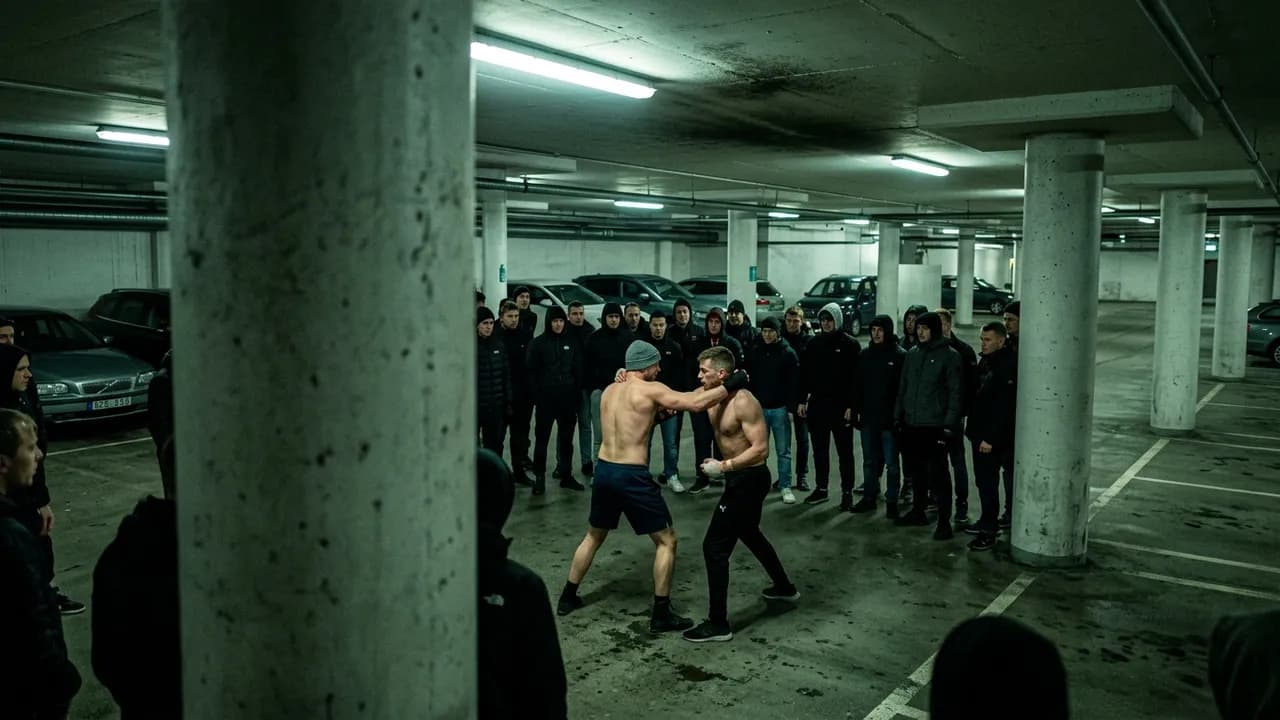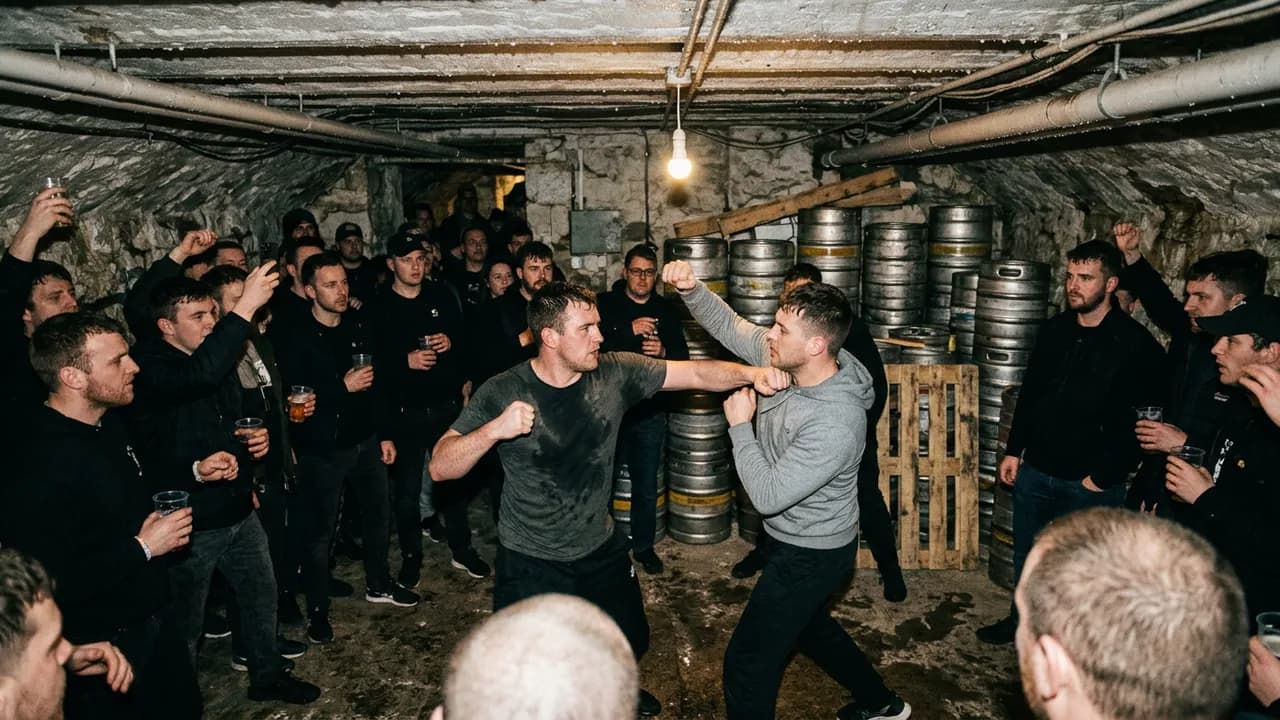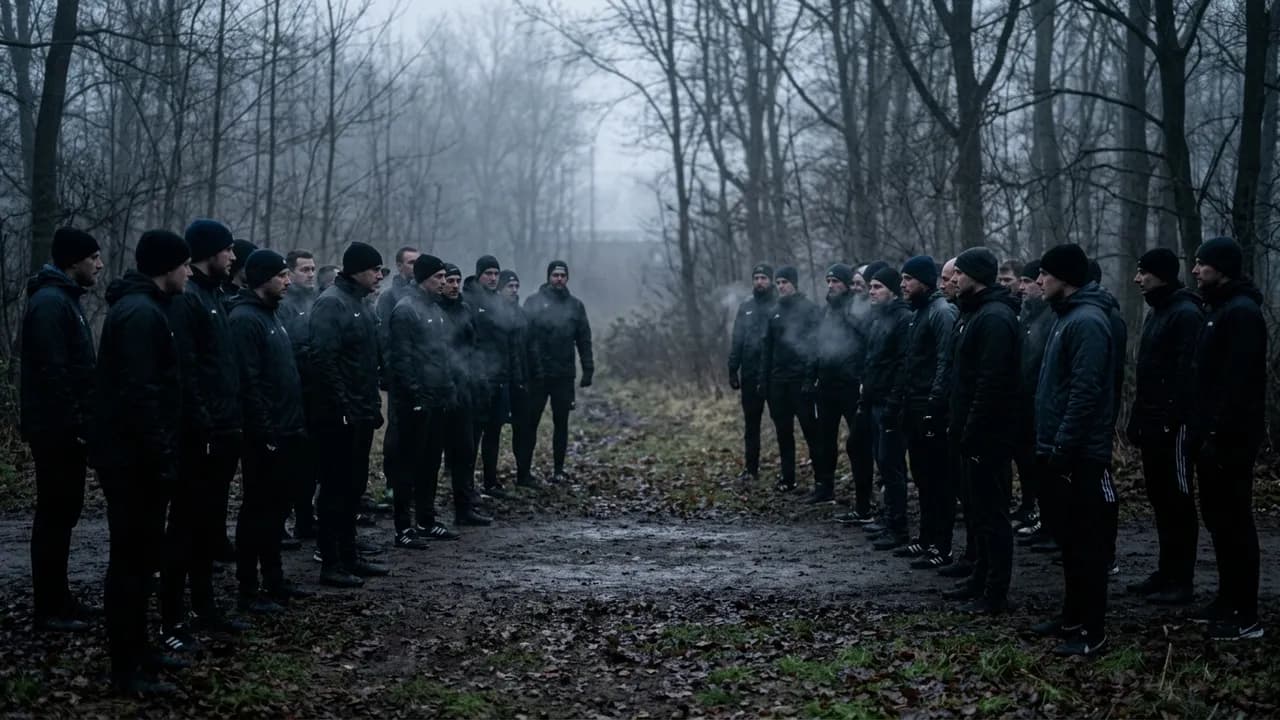
Hamburg's underground fight culture runs along two channels that define the German scene: organized football hooliganism and the weapons-based revival known as Holmgang. Germany's largest port city has one of the country's most established hooligan traditions, built around its football clubs and the rivalries that surround them, and that subculture supplies both the fighters and the framework within which underground combat is understood. There is no single branded street-fight promotion headquartered here; the scene is firm-based and deliberately invisible.
History
Hamburg's combat identity is bound up with its football culture and its character as a working port. German football hooliganism is among the most organized in Europe, with firms attached to major clubs maintaining structures for both matchday violence and prearranged fights against rival firms. Hamburg, as a large port city with established clubs, sits firmly inside that tradition, and its firms are part of the national network that shaped the German underground.
The country's broader relationship with ritualized combat runs deeper than football. Germany produced the Studentenmensur, the academic fencing duel that left deliberate facial scars as badges of honor, a tradition of formalized fighting that long predates the modern era. That cultural memory is one of the tributaries feeding Holmgang, the modern revival of the Norse dueling practice that takes its name and spirit from a Viking-Age custom outlawed in Scandinavia between 1006 and 1014.
When the no-rules movement born in Gothenburg with King of the Streets spread across Europe in the 2010s, the German hooligan network was among the first to adopt its model, and connections between German firms and the KOTS scene have been documented through social media and event attendance. Hamburg's firms are part of that picture.
Organizations
Hooligan firms
The backbone of Hamburg's underground fighting is its football firms. These groups maintain the communication channels, the culture of secrecy, and the willingness to engage in violence that organized prearranged fighting requires. The step from arranging confrontations between rival firms to staging organized no-rules bouts is a short one, and the German hooligan scene took it early. Firm fights are typically held in forests, industrial sites, or rural clearings well outside the city, communicated to participants shortly before they happen.
Holmgang
Holmgang is not a promotion in any conventional sense. It is a subculture practicing a revived form of medieval combat at the extreme edge of what can be called consensual fighting. Participants fight with real medieval weapons, such as swords and axes, wearing minimal protective gear that offers effectively no defense against edged arms, with strikes delivered at full power. The format carries a genuine risk of severe laceration and death. It is not headquartered in Hamburg specifically, but it operates across Germany, and this page treats it as a national subculture the city sits inside rather than a local club.
KOTS-inspired no-rules fights
Germany hosts fight activity inspired by the King of the Streets model: no rules, no rounds, fights on hard surfaces, organized through encrypted messaging and word of mouth. Hamburg's hooligan infrastructure provides ready organization for this. Any specific claim about named local fighters or fixed venues should be treated as unconfirmed, because anonymity is the entire point.
Legal status
Unsanctioned fighting is illegal in Germany, and the country enforces it more strictly than most. German law does not provide a consent-based defense for activities carrying the risk of serious bodily harm or death. Participants in unsanctioned bouts face criminal charges if events come to the attention of authorities, and organizers can face charges related to facilitating dangerous activities.
Holmgang's legal status is unambiguous: weapons-based combat of this kind is illegal, and the consequences of identification are severe, which is why participants stay invisible. The same strict framework governs the rest of the German scene, including Berlin. For anyone drawn to the fighting itself, the legal exposure here is real, and the medical risk of unregulated bouts run without a doctor or insurance is higher still.
Where the action is
Hamburg's underground has no public venue by design. Hooligan firm fights move between forests, industrial sites, and rural clearings outside the city, with locations shared late and only with participants. Holmgang events are even more clandestine given the legal weight attached to weapons combat. Nothing is advertised, and the scene's insularity makes it among the hardest to access in Europe.
The legitimate combat scene is the visible, accessible part. Hamburg's boxing clubs and MMA gyms are well established, and Historical European Martial Arts (HEMA) organizations offer a sanctioned, far safer route for anyone drawn to medieval weapons combat.
How to find it (and the safer route)
Access runs entirely through trusted contacts inside the firms and the wider underground network, not through public channels. The combination of legal strictness, hooligan insularity, and the genuine danger of Holmgang creates barriers higher than in most countries. Outsiders asking around get nowhere, which is the intent.
The far more reachable path is the sanctioned one. Hamburg's boxing gyms, MMA clubs, and HEMA groups give anyone who wants to fight a regulated, insured, medically supervised route. For readers drawn to the documented unsanctioned end of the spectrum, the German story is best told through Holmgang, the capital scene in Berlin, and the Swedish origin of the no-rules movement in Gothenburg and Stockholm.
FAQ
Is there a famous underground fight club in Hamburg? No single branded promotion is documented as headquartered in Hamburg. The scene runs through football hooligan firms and the national Holmgang subculture rather than one named organization.
Is unsanctioned fighting legal in Germany? No. German law does not recognize consent as a defense for activities risking serious harm or death. Participants and organizers face criminal charges, and Holmgang weapons combat is unambiguously illegal.
Why are Hamburg's hooligan firms central to its fight scene? They supply the organization, secrecy, and willingness to fight that prearranged underground bouts require, and the German firm network was among the first in Europe to adopt the KOTS-style no-rules model.