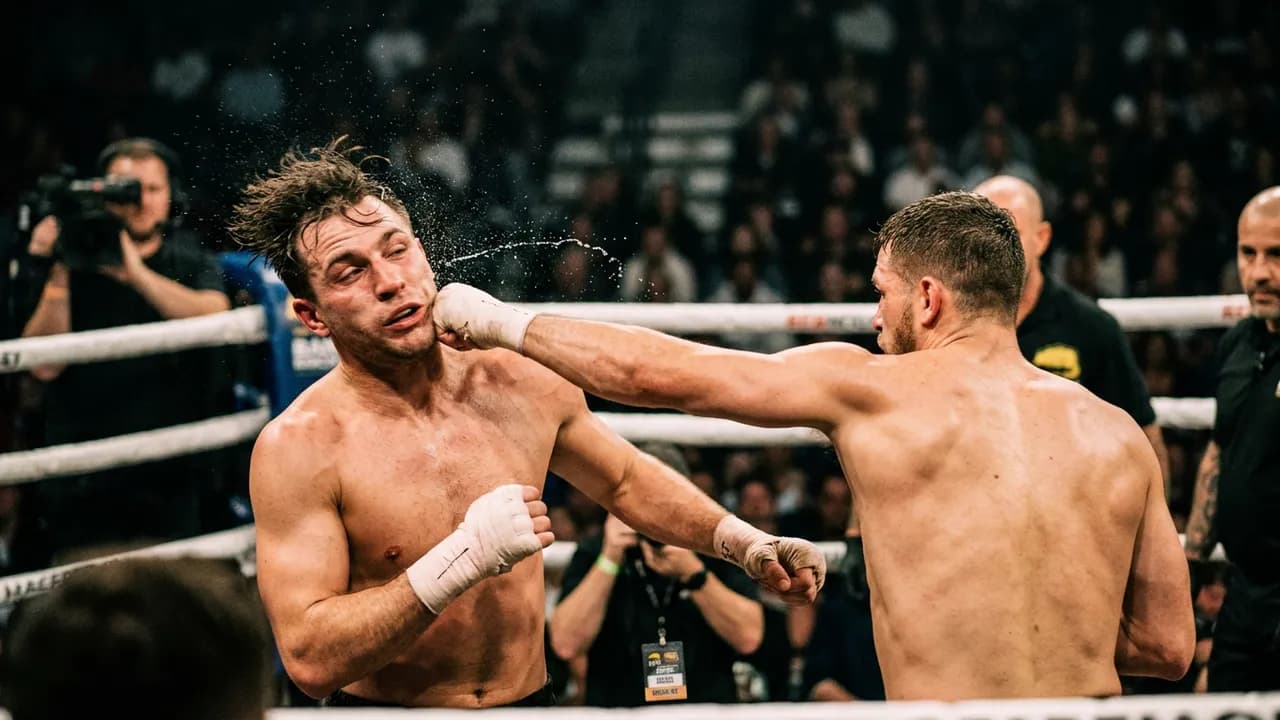
BKFC India Launch: Tiger Shroff & the Team-Based Bare Knuckle Format
BKFC is not simply exporting its American model to India. It is reinventing bare knuckle boxing for a market that consumes combat sports differently than any other country on earth. BKFC India, developed in partnership with Bollywood action star Tiger Shroff, introduces a six-team franchise league format that draws more from the Indian Premier League's playbook than from traditional fight promotion. It may be the most creative adaptation of bare knuckle fighting ever attempted.
The Tiger Shroff Partnership
Why Tiger Shroff
Tiger Shroff is one of India's biggest action movie stars, known for films featuring elaborate martial arts choreography. His involvement with BKFC India is strategic:
| Factor | Impact |
|---|---|
| Name recognition | Among the most recognizable faces in Indian entertainment |
| Martial arts credibility | Trained in multiple martial arts disciplines |
| Social media reach | Tens of millions of followers across platforms |
| Demographic alignment | Young male fan base matches combat sports audience |
| Cultural bridge | Links Western bare knuckle to Indian entertainment culture |
The Investment
Shroff's involvement goes beyond endorsement:
- Equity partnership in BKFC India operations
- Active participation in promotion and branding
- Creative input on event presentation and fighter development
- Bollywood industry connections for cross-promotional opportunities
- Long-term commitment to building the brand in India
The Team-Based Format
Why Teams?
BKFC India adopted a team-based format because India's most successful sports properties are franchise leagues:
| Indian League | Sport | Model |
|---|---|---|
| IPL | Cricket | City-based franchises, player auction |
| ISL | Football | City franchises, international players |
| PKL | Kabaddi | Team-based competition |
| BKFC India | Bare knuckle | 6-team franchise league |
Indian sports fans engage with teams as much as individual athletes. The franchise model creates:
- City loyalty: Fans root for their home city's team
- Player narrative: Fighters represent something larger than themselves
- Business model: Franchise fees and shared revenue create investment opportunities
- Season structure: A league schedule with playoffs and championships creates ongoing engagement
- Media rights: Team competition generates more broadcast-worthy content than individual cards
The Six-Team Structure
BKFC India's six teams are designed to represent major Indian cities or regions:
- Each team has a roster of fighters across weight classes
- Teams compete in head-to-head matchups with cumulative scoring
- A season culminates in playoffs and a championship final
- Player drafts and transfers create off-season engagement
- Celebrity team owners bring additional star power
Adapting Bare Knuckle for India
Cultural Considerations
Bringing bare knuckle boxing to India requires sensitivity to local context:
- Martial arts tradition: India has ancient combat traditions including Pehlwani/Kushti, Kalaripayattu, and Gatka
- Violence perception: Indian audiences have different thresholds for sports violence than Western markets
- Regulatory framework: Indian sports regulation varies by state and discipline
- Religious and cultural sensitivities: Event scheduling and presentation must respect local customs
- Gender dynamics: Women's participation requires careful cultural navigation
Production Approach
BKFC India events will feature:
- Bollywood-style production values with music, lighting, and entertainment
- Commentary in Hindi, English, and regional languages
- Integration of traditional Indian fighting aesthetics with BKFC's modern format
- Family-friendly event presentation adapted for the broader Indian audience
- Digital-first distribution targeting India's smartphone-dominant media consumption
The Indian Combat Sports Market
Market Opportunity
India represents perhaps the largest untapped combat sports market globally:
| Factor | India's Potential |
|---|---|
| Population | 1.4 billion people |
| Youth demographic | Median age ~28, massive young audience |
| Smartphone penetration | 750+ million smartphones for digital distribution |
| Combat sports interest | Growing MMA, boxing, and martial arts participation |
| Sports spending | Rising disposable income driving sports entertainment growth |
| OTT streaming | Rapidly growing digital streaming market |
Challenges
The Indian market also presents significant challenges:
- Price sensitivity: Ticket and subscription pricing must reflect Indian economics
- Competition: Cricket dominates India's sports entertainment landscape
- Infrastructure: Venue quality varies significantly across cities
- Regulatory complexity: Different states have different rules for combat sports
- Talent development: Building a fighter pipeline from scratch in bare knuckle
Global Strategy Context
BKFC India is part of the promotion's broader international expansion:
- UK: Established market with 13+ events
- Thailand: Asian beachhead with existing operations
- Japan: Rizin partnership for cross-promotion
- Dubai: Middle East entry point
- Brazil: BKF Brasil for Latin America
- India: Team-based format for the subcontinent
Each international market receives a customized approach rather than a copy of the American model.
What Success Looks Like
BKFC India will be measured against several benchmarks:
- Franchise sustainability and owner satisfaction
- Television and streaming viewership numbers
- Fighter development pipeline productivity
- Fan engagement metrics across digital platforms
- Revenue generation and path to profitability
- Integration of Indian fighters into BKFC's global roster
If successful, the team-based model could be adapted for other markets, creating a new template for how bare knuckle boxing is consumed globally.