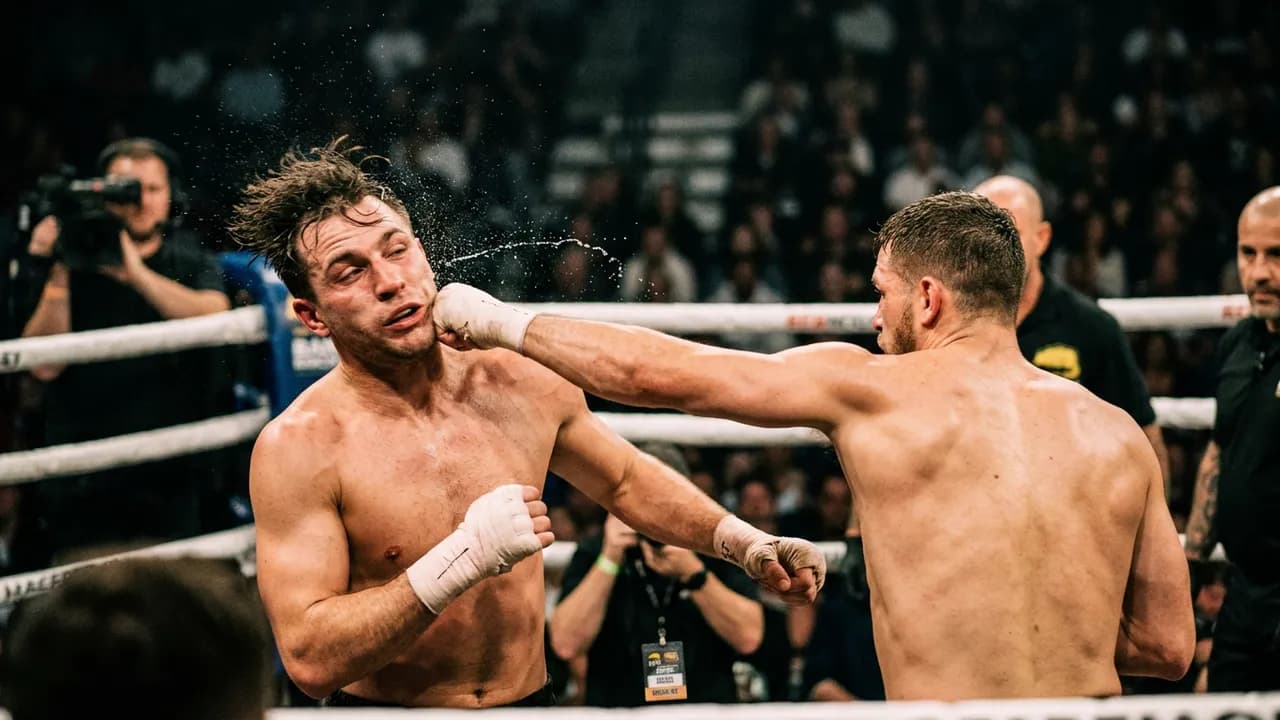
Brazil gave the world vale tudo -- the "anything goes" combat format that became the foundation for modern MMA. Now the country is embracing another form of raw fighting: bare knuckle boxing. BKF Brasil represents the first officially organized bare knuckle boxing promotion in South America, and its emergence in a country with one of the deepest combat sports cultures on earth signals that the global bare knuckle movement has reached a new frontier.
Why Brazil?
The Vale Tudo Heritage
Brazil's relationship with unsanctioned combat is older and deeper than most countries:
- Vale tudo originated in Brazil in the 1920s as challenge matches between martial arts styles
- The Gracie family used vale tudo to prove the effectiveness of Brazilian jiu-jitsu
- UFC 1 (1993) was essentially an American vale tudo event created by the Gracie family
- Underground fight culture has persisted in Brazilian favelas and communities for decades
This heritage means Brazilian fans and fighters do not view bare knuckle fighting with the same shock or novelty as audiences in other markets. They have a cultural framework for understanding and appreciating combat stripped to its essentials.
The MMA Infrastructure
Brazil has one of the most developed MMA ecosystems in the world:
| Factor | Brazil's Status |
|---|---|
| Professional fighters | Hundreds compete at national and international levels |
| Training facilities | World-class gyms in every major city |
| Fan base | Among the most passionate MMA audiences globally |
| Combat sports media | Robust coverage from TV, digital, and print outlets |
| Fighter pipeline | Continuous flow of talent from amateur to professional |
This infrastructure provides BKF Brasil with a ready-made ecosystem of fighters, fans, and venues.
BKF Brasil: The Organization
Structure and Format
BKF Brasil operates as Brazil's first organized bare knuckle boxing promotion:
- Rules: Based on international bare knuckle boxing standards similar to BKFC
- Weight classes: Multiple divisions for both men and women
- Events: Regular cards in major Brazilian cities
- Safety: Medical staff, commission oversight, and standardized protocols
- Broadcast: Streaming and regional broadcast partnerships
Regulatory Path
Navigating Brazilian combat sports regulation required:
- Working with state athletic commissions (which vary by state in Brazil, similar to the US system)
- Adapting international bare knuckle rules to Brazilian regulatory requirements
- Establishing medical protocols that meet Brazilian standards
- Building relationships with state sports authorities who were unfamiliar with bare knuckle boxing
The Fighter Pool
Brazilian Strikers
Brazil produces world-class strikers across multiple disciplines:
- Boxing: Brazil has a strong amateur and professional boxing tradition
- Muay Thai: Widespread training in Brazilian gyms
- Capoeira: The Afro-Brazilian martial art that emphasizes striking and acrobatics
- MMA striking: Years of MMA development have produced elite strikers
- Street fighting culture: Informal combat experience is common in many communities
These fighters bring technical skills and natural toughness to bare knuckle competition. Brazilian strikers are known for aggressive, forward-pressing styles that translate well to the bare knuckle format.
The Favela Connection
Brazil's favelas have a long history of informal fighting, from organized vale tudo events to street confrontations. BKF Brasil represents an opportunity to channel this fighting culture into regulated competition:
- Fighters from underserved communities gain access to professional opportunities
- Structured competition replaces unregulated street fighting
- Prize money provides economic opportunity in communities with limited options
- The promotion can serve as a pipeline from informal to professional competition
Market Potential
Why Bare Knuckle Can Work in Brazil
Several market factors support bare knuckle's growth in Brazil:
- Population: Brazil's 215 million people represent the largest combat sports market in Latin America
- Youth demographic: A large young population that consumes combat sports content digitally
- Cultural acceptance: Less regulatory resistance to combat sports than in many Western countries
- Cost structure: Lower production costs compared to North American and European markets
- Fighter supply: Abundant talent at every weight class
- Social media penetration: High smartphone and social media usage for content distribution
Challenges
BKF Brasil faces specific challenges in the Brazilian market:
- Economic instability: Currency fluctuations and economic uncertainty affect consumer spending
- Competition: The MMA market is crowded with established promotions
- Regulatory patchwork: Different states have different regulatory approaches
- International partnerships: Building connections with BKFC and other global bare knuckle organizations
- Stigma management: Overcoming perceptions that bare knuckle is too violent even for Brazilian audiences
International Connections
BKFC's Latin American Strategy
BKF Brasil exists within BKFC's broader international expansion. The relationship may include:
- Potential talent sharing agreements similar to the BKFC-Rizin deal
- Brazilian fighters competing on BKFC cards in the United States
- American BKFC fighters traveling to compete in Brazil
- Shared production knowledge and best practices
- Cross-promotional content for both markets