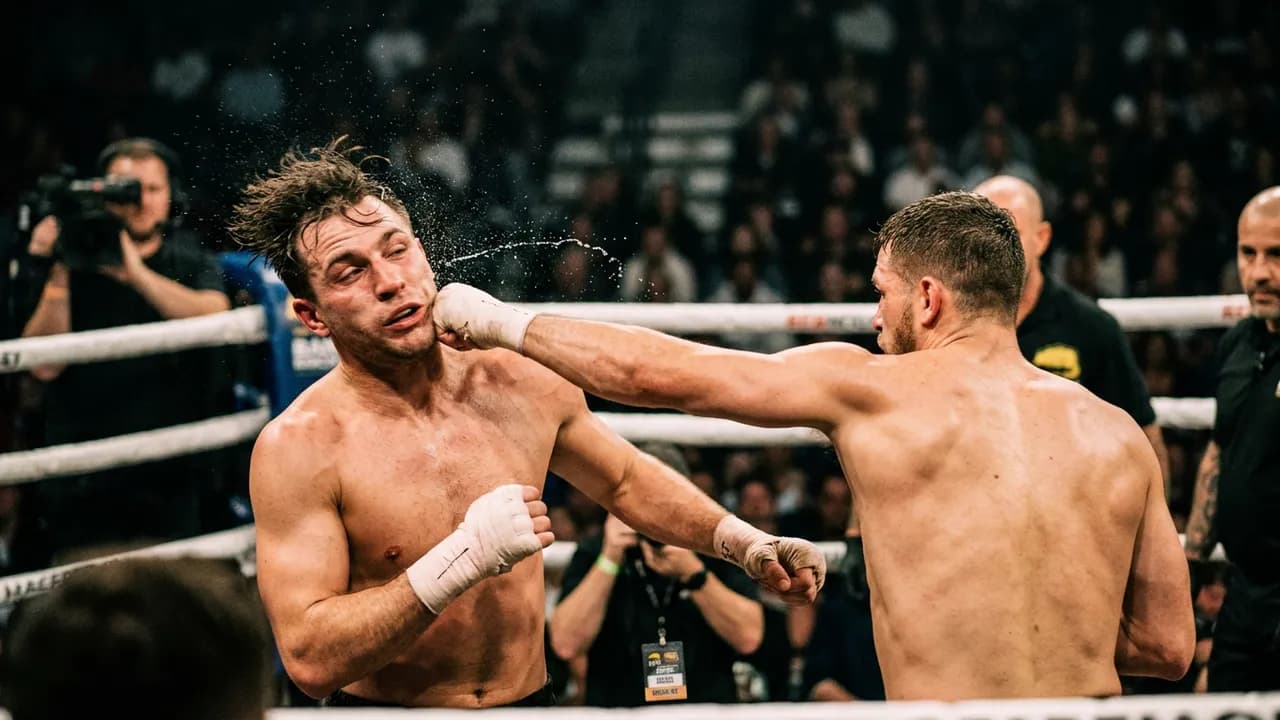
In June 2024, BKFC and Rizin Fighting Federation announced a talent-sharing agreement that sent shockwaves through combat sports. The deal allows fighters from each promotion to compete on the other's events, creating a cross-promotional pipeline between the largest bare knuckle promotion in the world and Japan's premier combat sports organization. In an industry where exclusivity has been the norm, the BKFC-Rizin partnership represents a fundamentally different approach.
The Deal Structure
What Was Agreed
The talent-sharing agreement includes:
- Fighter exchanges: BKFC fighters can compete at Rizin events and vice versa
- Bare knuckle events in Japan: Rizin hosting bare knuckle bouts under BKFC rules
- Cross-promotional cards: Joint events featuring fighters from both rosters
- Content sharing: Broadcast and media collaboration
- Future co-promotion: Framework for larger joint ventures
Why Both Sides Benefit
| BKFC Gains | Rizin Gains |
|---|---|
| Access to Japanese combat sports market | Bare knuckle content for their platform |
| International credibility | American fighter talent |
| Revenue from Japanese broadcasts | New format to attract fans |
| Cross-cultural appeal | Association with BKFC's growing brand |
| Pipeline of Japanese fighters | Fresh matchups for their roster |
Rizin's Combat Sports Heritage
Why Rizin Matters
Rizin Fighting Federation is the spiritual successor to PRIDE Fighting Championships, the legendary Japanese MMA promotion that defined the sport's golden era. Founded by Nobuyuki Sakakibara (PRIDE's former president), Rizin carries the DNA of Japanese combat sports spectacle:
- Grand presentation: Elaborate entrances, massive production value
- Fighting spirit: Japanese combat sports culture values aggression and courage
- Format experimentation: Rizin has always been willing to try unusual matchups and rule sets
- Cultural significance: Combat sports holds a deeper cultural place in Japan than in most Western countries
Japan's Bare Knuckle History
Japan is no stranger to bare knuckle fighting. Traditional karate competitions were historically bare knuckle, and organizations like Kyokushin have long featured full-contact bare-handed striking. The BKFC partnership introduces Western bare knuckle boxing to a market with deep cultural roots in ungloved combat.
The Cross-Promotional Model
Breaking the Exclusivity Norm
The combat sports industry has been dominated by exclusive contracts. The UFC, in particular, has built its model on preventing fighters from competing elsewhere. The BKFC-Rizin deal challenges this model:
- Fighters benefit from more competition opportunities and exposure
- Fans benefit from dream matchups that exclusivity prevents
- Promotions benefit from shared talent pools and cross-market reach
- The sport benefits from international competition that raises the competitive standard
Historical Precedent
Cross-promotional deals have a storied history in Japanese combat sports:
- PRIDE regularly featured fighters from other organizations
- Rizin has co-promoted with organizations across Asia
- Japanese combat sports culture embraces inter-promotional competition
- The "closed garden" model is primarily an American phenomenon
Impact on Fighter Careers
New Opportunities
The talent-sharing deal creates career paths that did not exist before:
- BKFC fighters can compete in front of Japanese audiences and access the Japanese sponsorship market
- Rizin fighters can test themselves in bare knuckle competition without leaving their home promotion
- Cross-promotion exposure increases fighter profiles in both markets simultaneously
- International records add credibility that single-promotion careers cannot match
Challenges
The deal also creates complications:
- Schedule coordination between two promotions on opposite sides of the Pacific
- Rule differences between BKFC bare knuckle and Rizin MMA formats
- Weight class alignment may not be perfect between organizations
- Travel and training logistics for fighters competing internationally
- Visa and work permit requirements for fighters competing in foreign countries
What This Means for Combat Sports
The Post-Exclusivity Future
The BKFC-Rizin deal, combined with BKFC's international expansion to 60+ countries, suggests a future where cross-promotional competition is the norm rather than the exception. This benefits:
- Competitive quality: The best fighters face the best fighters regardless of promotional affiliation
- Fan engagement: International matchups create compelling storylines
- Market growth: Cross-promotion exposes each organization to the other's audience
- Fighter agency: Athletes have more control over their careers and earning potential
Implications for the UFC
The UFC's exclusive model faces increasing pressure as alternatives like the BKFC-Rizin deal demonstrate that cross-promotion can work commercially. While the UFC is unlikely to abandon exclusivity, the success of open models may force adjustments to fighter contracts and competitive opportunities.